

Explore the latest books of this year!
Bookbot

Deborah Lipstadt

    March 18, 1947

    Deborah Lipstadt is a preeminent scholar of modern Jewish history and the Holocaust, with a particular focus on the phenomenon of Holocaust denial. Her work meticulously dissects the arguments and tactics employed by deniers, rigorously exposing their falsehoods through compelling historical analysis. Beyond her critical engagement with denial, Lipstadt also explores crucial questions of Jewish identity and the future of the American Jewish community within broader societal contexts. Her writing is characterized by a deep commitment to historical accuracy, clear reasoning, and persuasive argumentation, making complex issues accessible to a wide readership.

    Deborah Lipstadt
    Betrifft: Leugnen des Holocaust
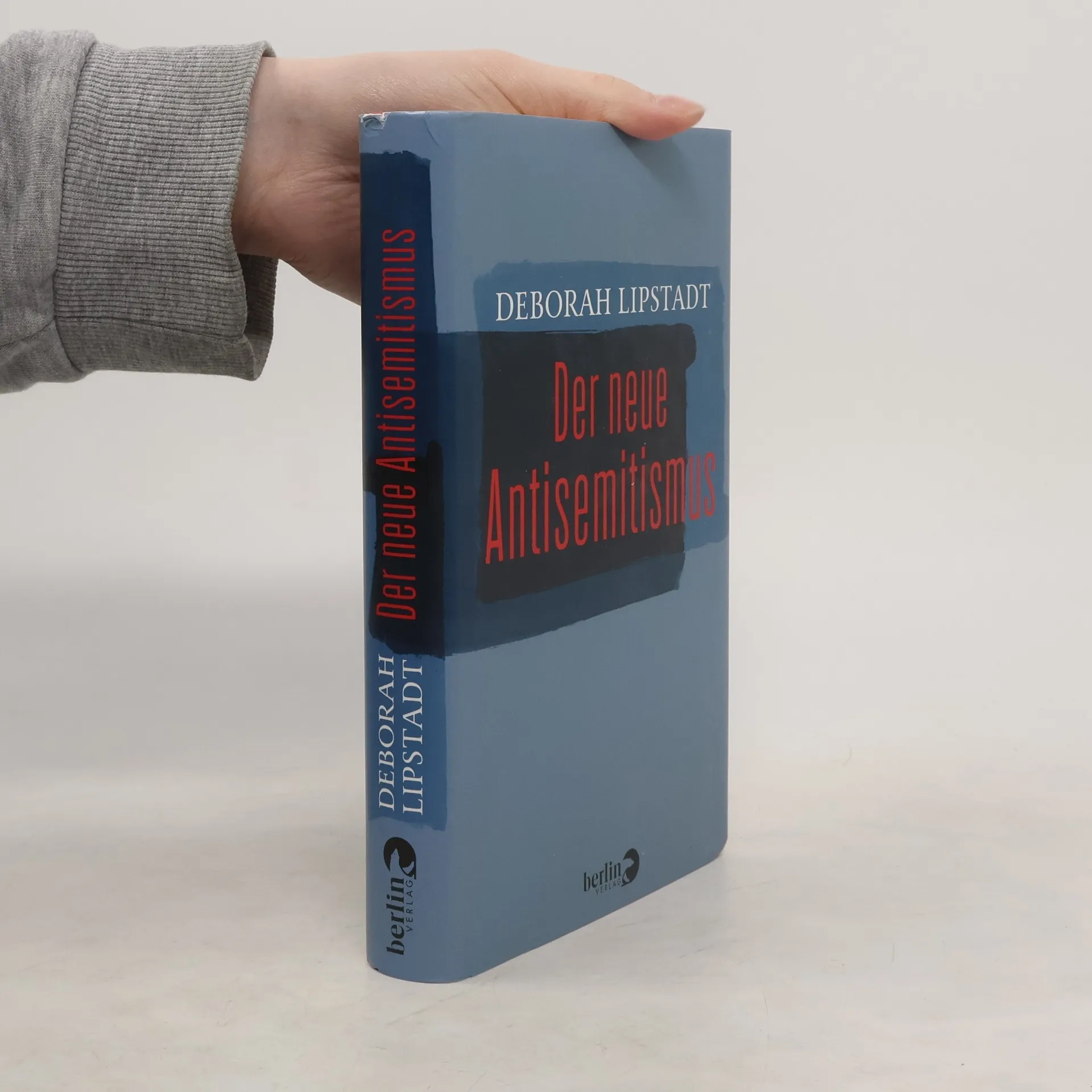
    Der neue Antisemitismus
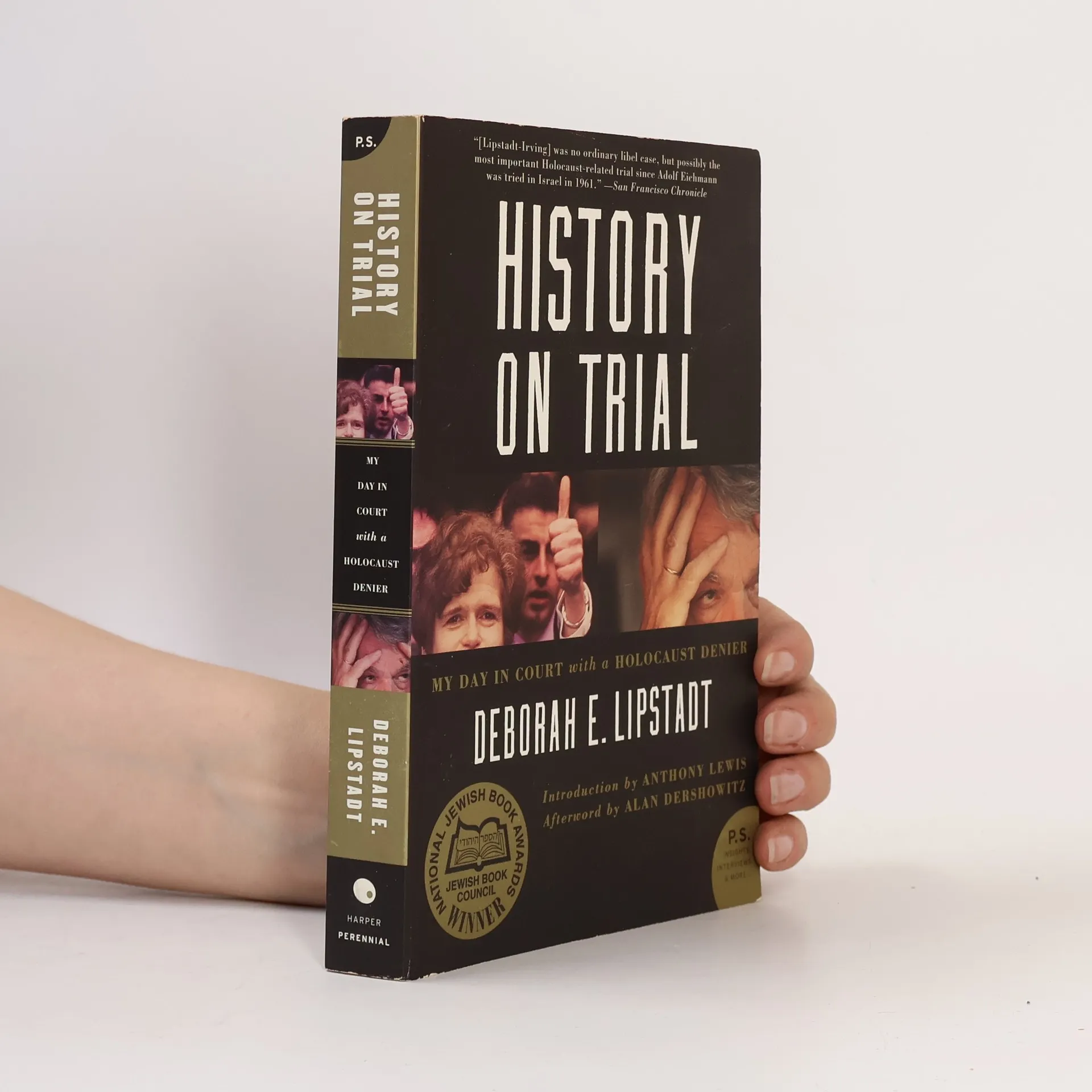
    History on Trial
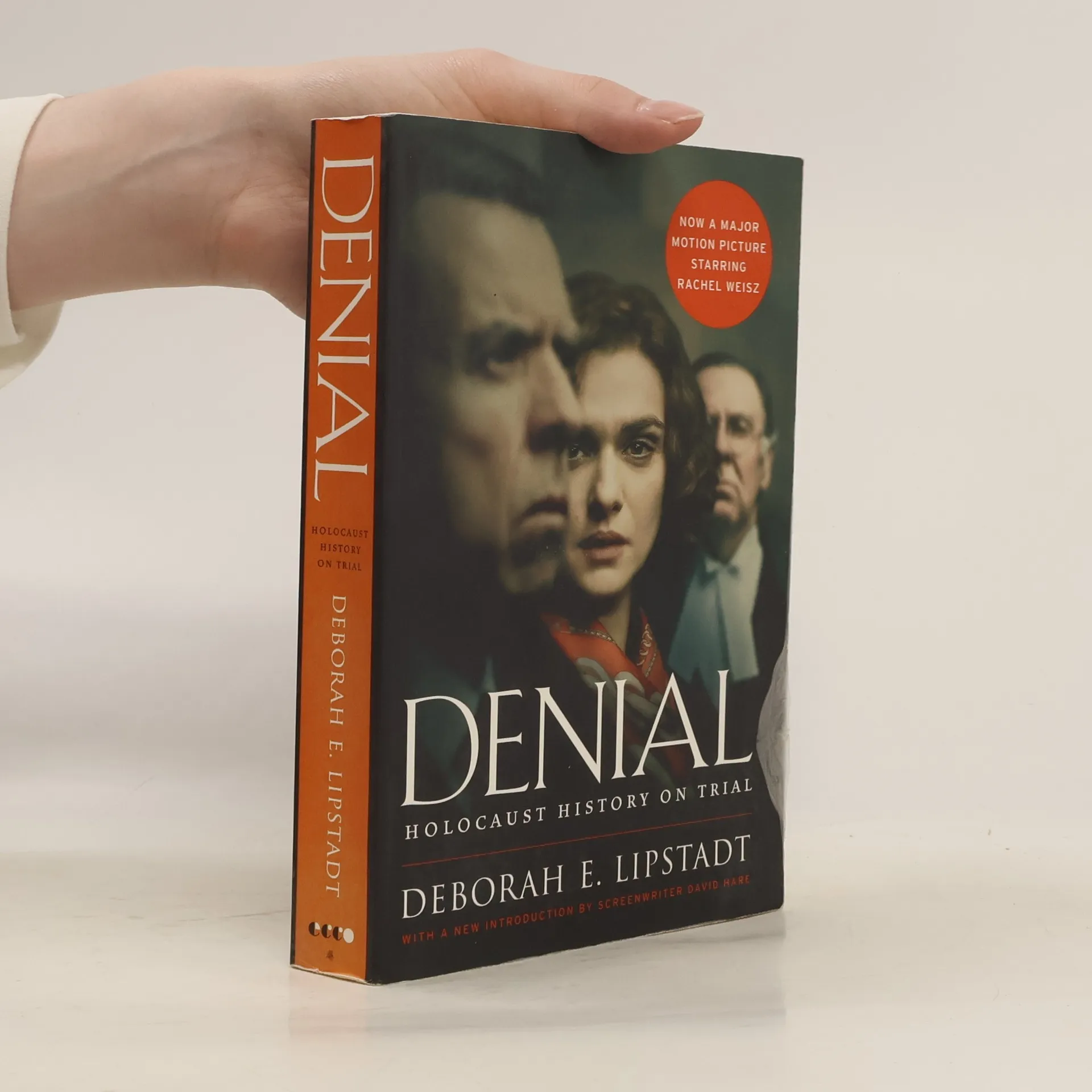
    Denial, Movie Tie-in
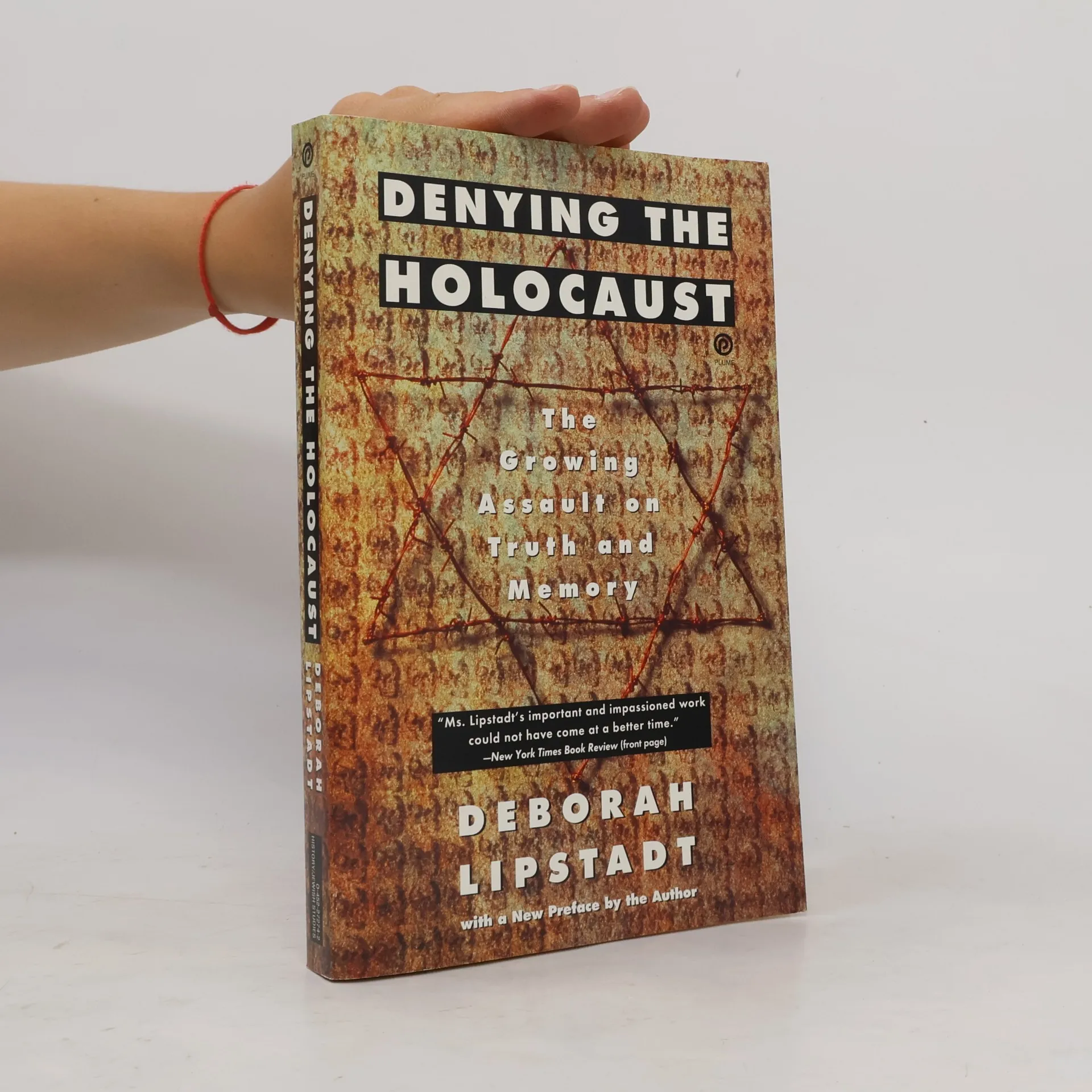
    Denying the Holocaust
    • Denying the Holocaust

      • 304 pages
      • 11 hours of reading

      This analysis delves into the antisemitism and prejudice driving Holocaust denial, authored by the writer behind the film Denial. The claim that the Holocaust is a hoax, orchestrated by a supposed Zionist conspiracy, holds no more credibility than flat-earth theories. Deniers often argue that only a few hundred thousand Jews died in camps due to disease, and they distort history by claiming the Germans were the true victims of World War II. Previously dismissed as fringe cranks, these deniers have now formed an organized international movement, complete with chapters, research centers, and publications promoting a "revisionist" perspective. Deborah Lipstadt's comprehensive history reveals how, despite abundant evidence and living witnesses, Holocaust denial has gained traction. This irrational ideology thrives in a climate of value relativism, posing a significant threat not only to the Jewish community but also to the principles of objective scholarship that underpin our understanding of history. Lipstadt's work emphasizes the urgent need to confront these dangerous narratives and protect the integrity of historical truth.

      Denying the Holocaust
      4.3
    • Denial, Movie Tie-in

      • 346 pages
      • 13 hours of reading

      In her acclaimed 1993 book Denying the Holocaust, Deborah Lipstadt called David Irving, a prolific writer of books on World War II, “one of the most dangerous spokespersons for Holocaust denial.” The following year, after Lipstadt’s book was published in the United Kingdom, Irving filed a libel suit against Lipstadt and her publisher. She prepared her defense with the help of a first-rate team of solicitors, historians, and experts, and a dramatic trial unfolded. Denial, previously published as History on Trial, is Lipstadt’s riveting, blow-by-blow account of this singular legal battle, which resulted in a formal denunciation of a Holocaust denier that crippled the movement for years to come. Lipstadt’s victory was proclaimed on the front page of major news- papers around the world, such as The Times (UK), which declared that ‘history has had its day in court and scored a crushing victory.’”

      Denial, Movie Tie-in
      4.3
    • History on Trial

      • 400 pages
      • 14 hours of reading

      In her acclaimed 1993 book Denying the Holocaust, Deborah Lipstadt called putative WWII historian David Irving one of the most dangerous spokespersons for Holocaust denial.

      History on Trial
      4.2
    • Achtzig Jahre nach der Reichspogromnacht nimmt die Zahl antisemitischer Übergriffe weltweit zu. Die Historikerin Deborah Lipstadt untersucht die alarmierende Rückkehr dieses Phänomens. In Städten wie Berlin, Paris und Brüssel müssen Juden Sicherheitsvorkehrungen treffen, während in den USA Präsident Trump rechtsradikale Gruppen unterstützt und antisemitische Ausschreitungen verharmlost. Lipstadt analysiert die verschiedenen Ausdrucksformen des Antisemitismus in Europa, den USA und dem Nahen Osten und beleuchtet die Ursachen seines Wiederaufstiegs, die über rechtsradikale und islamistische Kreise hinausgehen. Sie vermittelt, was Juden und Nichtjuden wissen müssen, um diesem neuen Antisemitismus entgegenzuwirken, und warnt vor den Gefahren sowohl naiven Optimismus als auch düsteren Pessimismus. Lipstadt beschreibt den Hass als ein sich ausbreitendes Feuer und erklärt, dass Angriffe auf Juden auch Angriffe auf demokratische und multikulturelle Werte sind. Ihre unerschütterliche Verteidigung der historischen Wahrheit und der Menschenwürde wird gelobt. In einer Zeit zunehmenden Nationalismus und Fremdenfeindlichkeit ist ihr Werk unerlässlich, bietet es doch eine klare und nüchterne Perspektive auf die vielfältigen Facetten des Antisemitismus und die Notwendigkeit, ihn zu bekämpfen.

      Der neue Antisemitismus
      4.1