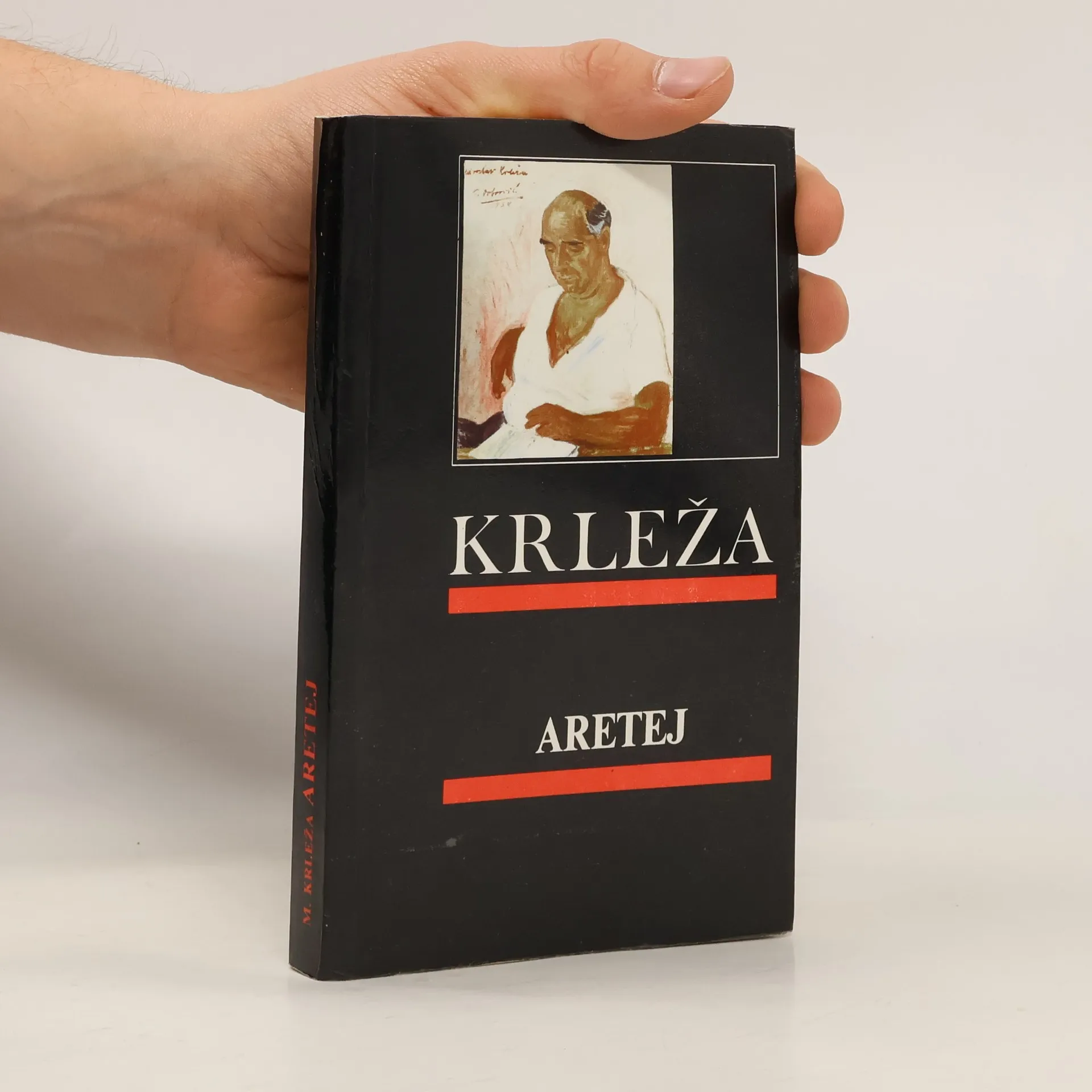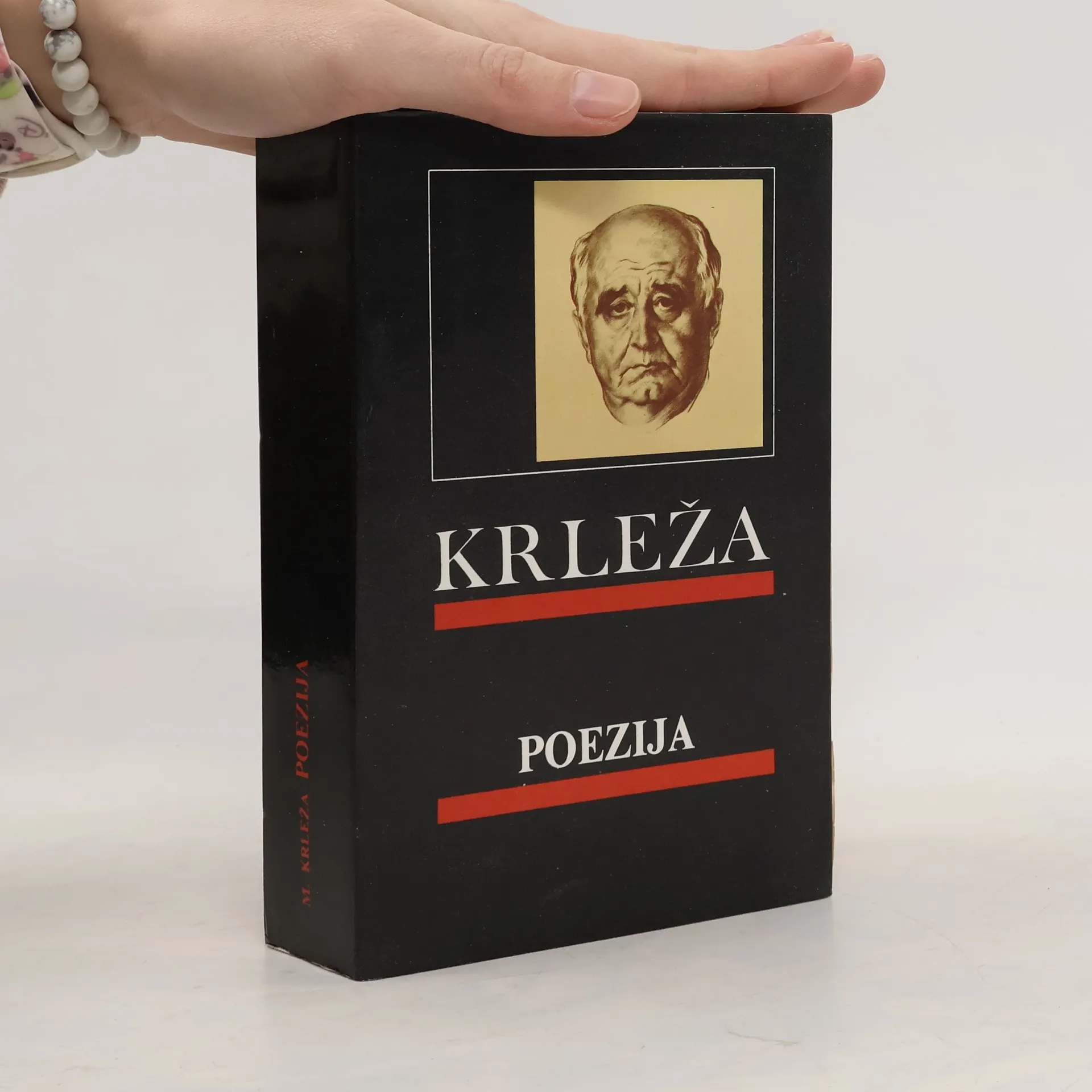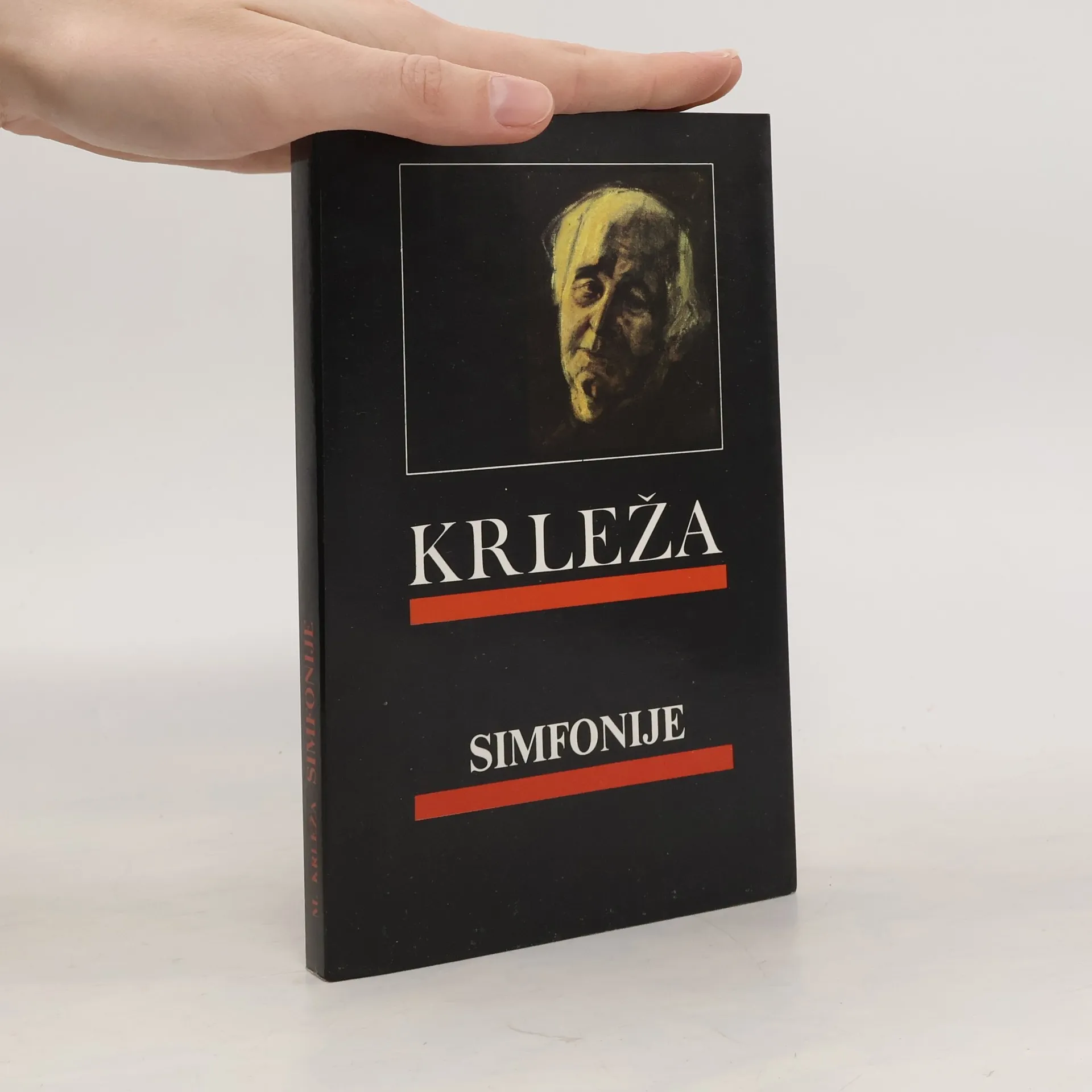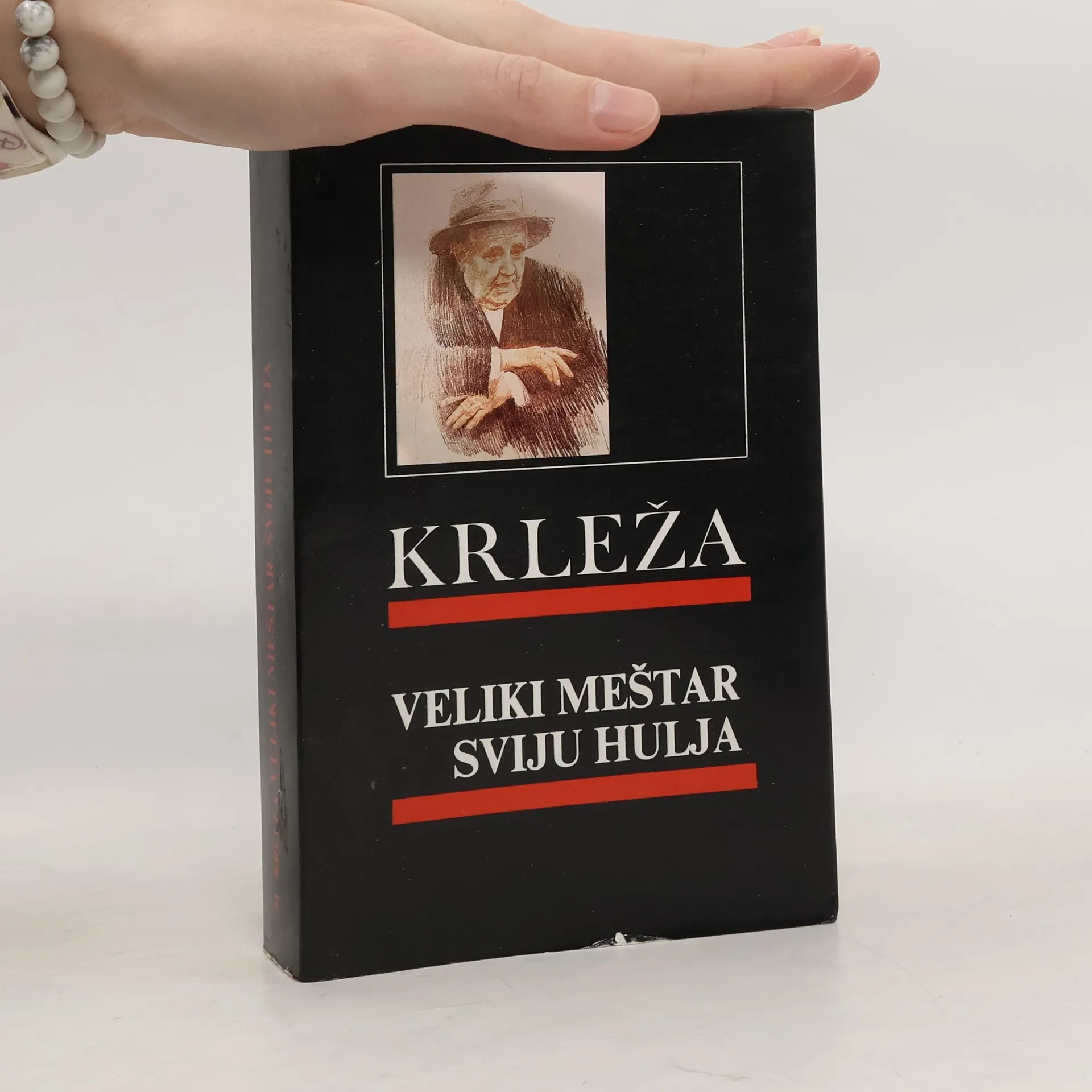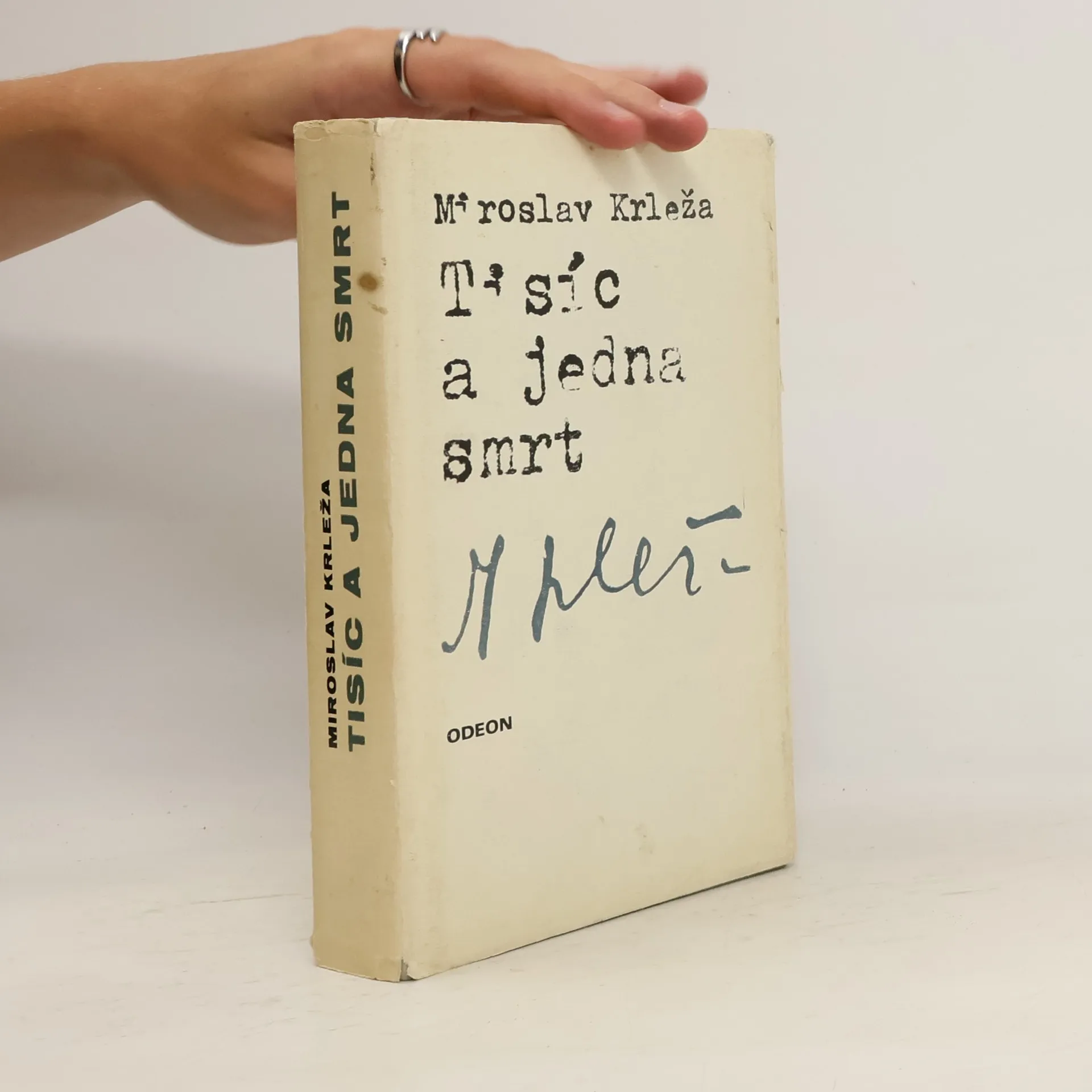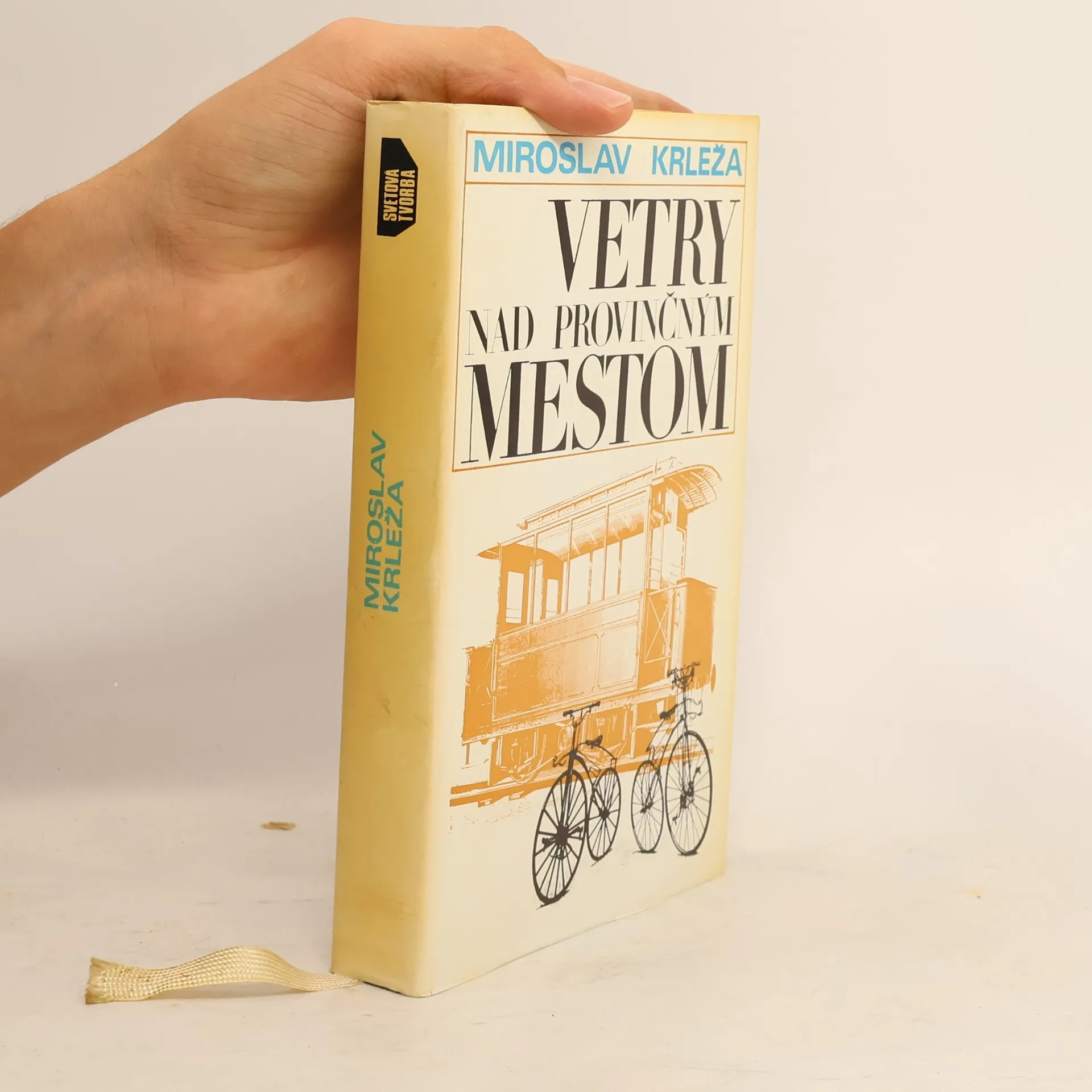

Explore the latest books of this year!
Bookbot

Miroslav Krleža

    July 7, 1893 – December 29, 1981

    A leading Croatian writer and a pivotal figure in the cultural landscape of Yugoslavia. He has frequently been acclaimed as the foremost Croatian literary voice of the 20th century. His work delves into the complexities of the human condition and societal dynamics, solidifying his significant literary legacy.

    Miroslav Krleža
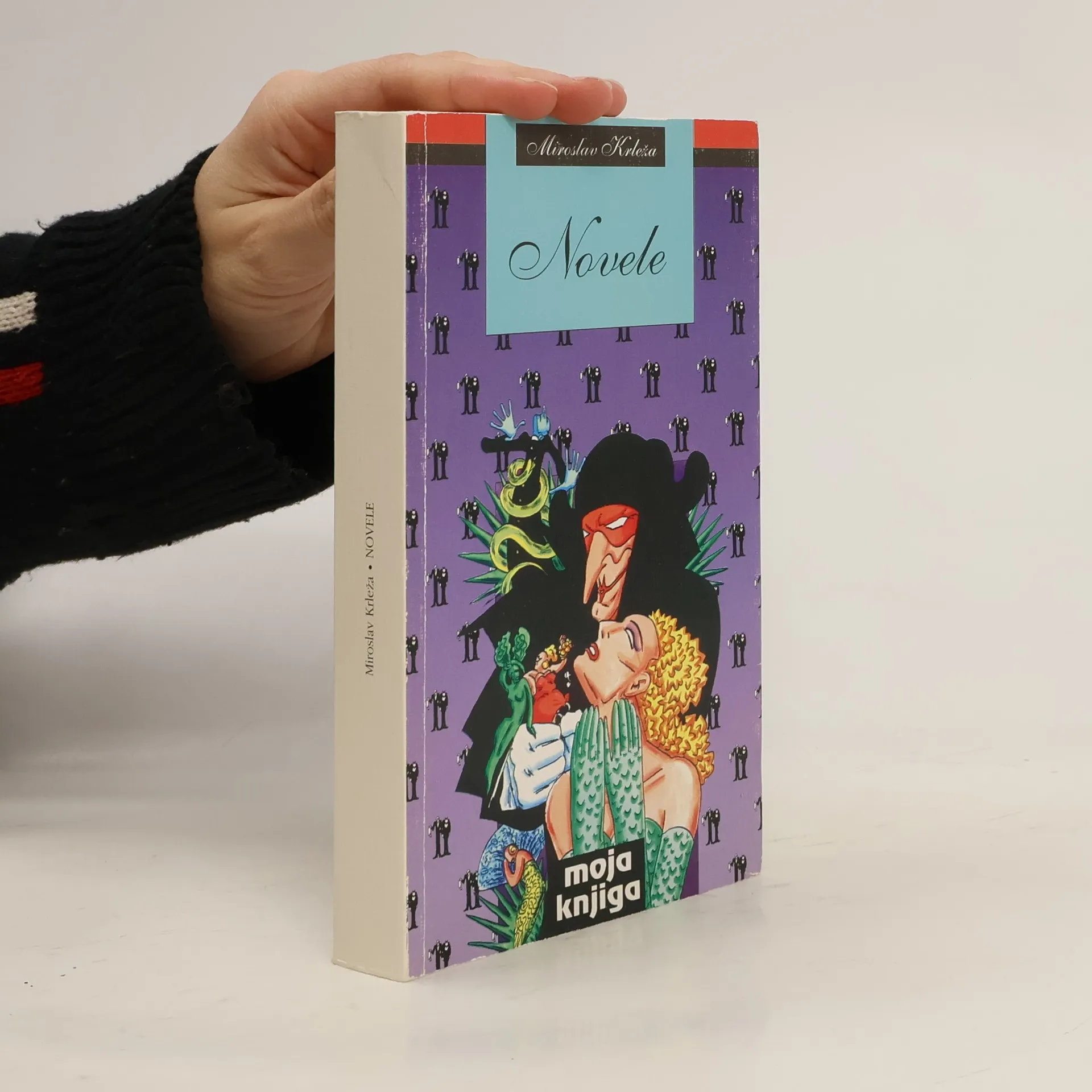
    Novele
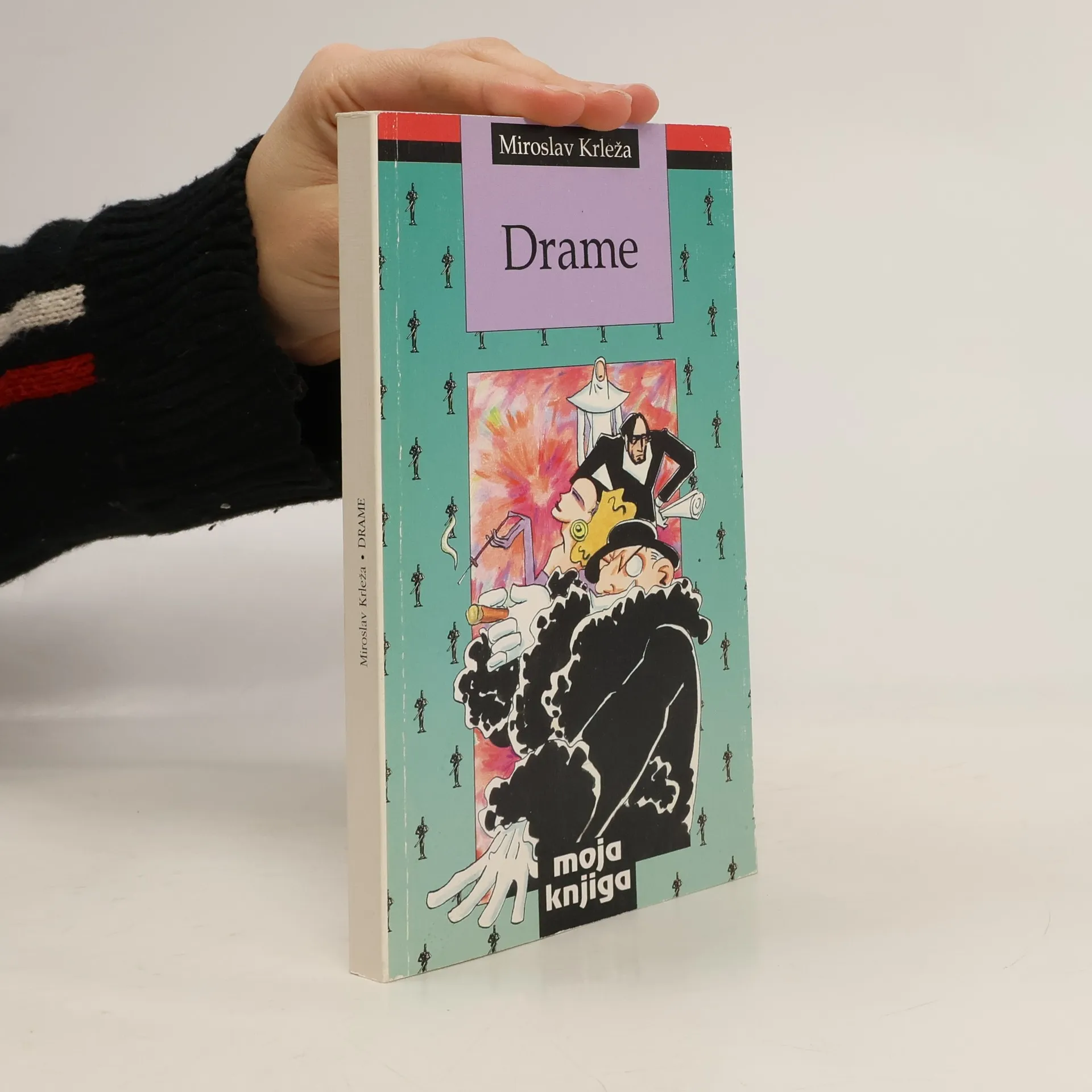
    Drame
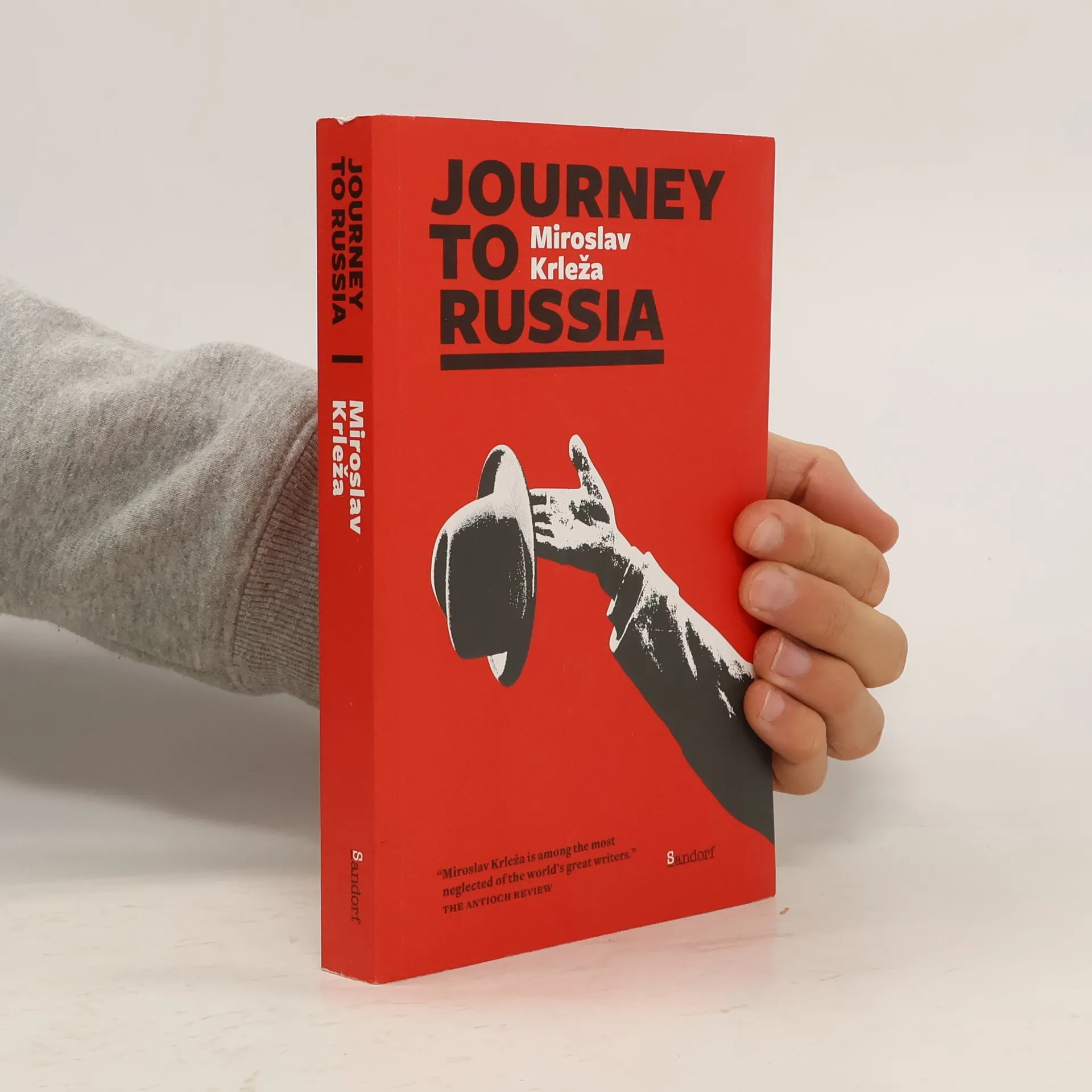
    Journey to Russia
    Navigational Guide to the Adriatic - Croatian Coast
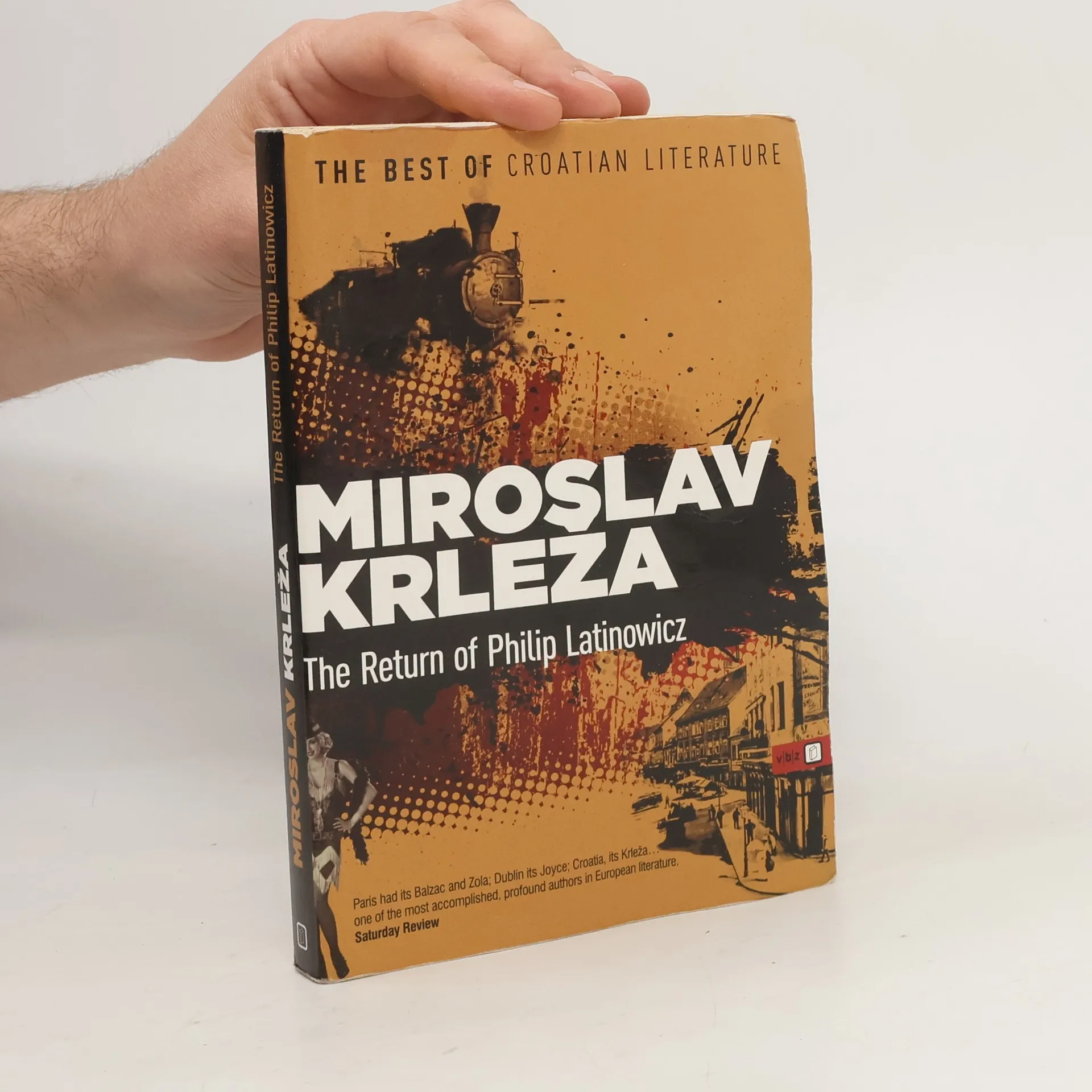
    The Return of Philip Latinowicz
    Na rubu pameti
    • Na rubu pameti

      • 286 pages
      • 11 hours of reading
      4.2(73)Add rating

      Until the age of fifty-two, the protagonist of On the Edge of Reason suffered a monotonous existence as a highly respected lawyer. He owned a carriage and wore a top hat. He lived the life of "an orderly good-for-nothing among a whole crowd of neat, gray good-for-nothings." But, one evening, surrounded by ladies and gentlemen at a party, he hears the Director-General tell a lively anecdote of how he shot four men like dogs for trespassing on his property. In response, our hero blurts out an honest thought. From this moment, all hell breaks loose. Written in 1938, On the Edge of Reason reveals the fundamental chasm between conformity and individuality. As folly piles upon folly, hypocrisy upon hypocrisy, reason itself begins to give way, and the edge between reality and unreality disappears.
      Na rubu pameti
    • The Return of Philip Latinowicz

      • 246 pages
      • 9 hours of reading
      3.3(90)Add rating

      Of Krleža's many writings – poems, plays, short stories and novels – The Return of Philip Latinowicz is the most widely acclaimed. Philip, the protagonist, is a successful but disillusioned painter of some international repute who returns to a small cathedral town in Croatia after an absence of twenty-three years. He hopes that revisiting his cultural roots will inspire him to create the perfect work of art and thereby restore his faith in both art and life. Haunted by his troubled childhood, however, he falls in with shady characters and discovers the emotional, intellectual, and imaginative poverty of small-town decadence. In The Return of Philip Latinowicz Krleža explores the rottenness at the heart of bourgeois life, its dishonesty and its poverty of spirit. At the same time, he explores the tensions pulling on an artist caught in two worlds and facing existentialist doubts.
      The Return of Philip Latinowicz
    • This handbook describes the well-indented Croatian coast from the Harbour Master's Office Pula on the north to the Harbour Master's Office Dubrovnik on the south with its coves and small bays reaching far into the land and numerous islands, natural harbours and well-protected anchoring places, modern marinas and the possibility of staying in small, picturesque port towns. In each chapter there is an orientation map and a table listing the distances in order to help you plan your daily tour. There are also a lot of colour photographs of places and harbours, made mostly from the airplane and containing plenty of descriptions. In addition to the important navigation instructions, the handbook contains information on how to approach each individual cove or port, where to stay or shop, as well as which cultural and historical places one might visit.
      Navigational Guide to the Adriatic - Croatian Coast
    • Journey to Russia

      • 239 pages
      • 9 hours of reading

      When Miroslav Krleža traveled through Russia for six months between the end of 1924 and the beginning of 1925, the celebrated Croatian writer was there to figure out what it all meant. The sprawling country was still coming to terms with the events of the 1917 revolution and reeling from Lenin’s death in January 1924. During this period of profound political and social transition, Krleža opened his senses to train stations, cities, and villages and collected wildly different Russian perspectives on their collective moment in history.Krleža’s impressionistic reportage of mass demonstrations and jubilant Orthodox Easter celebrations is informed by his preoccupation with the political, social, and psychological complexities of his environment. The result is a masterfully crafted modernist travelogue that resonates today as much as it did when first published in 1926.

      Journey to Russia
    • Drame

      Kraljevo, Gospoda Glembajevi

      • 257 pages
      • 9 hours of reading
      Drame
    • Novele

      • 413 pages
      • 15 hours of reading
      Novele
    • Einführung von Lauer, Reinhard Dramen. XIII, 357 S.

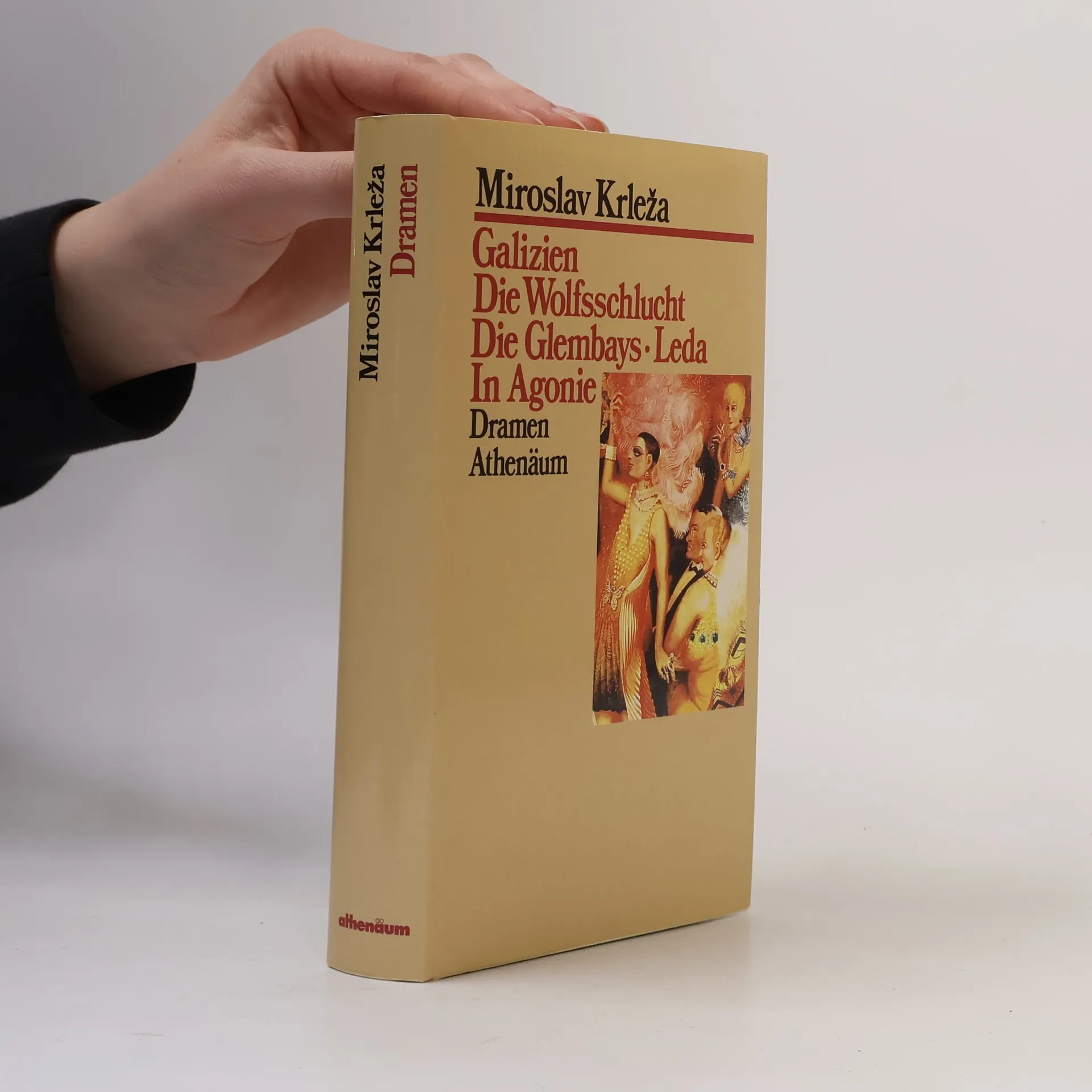
      Galizien