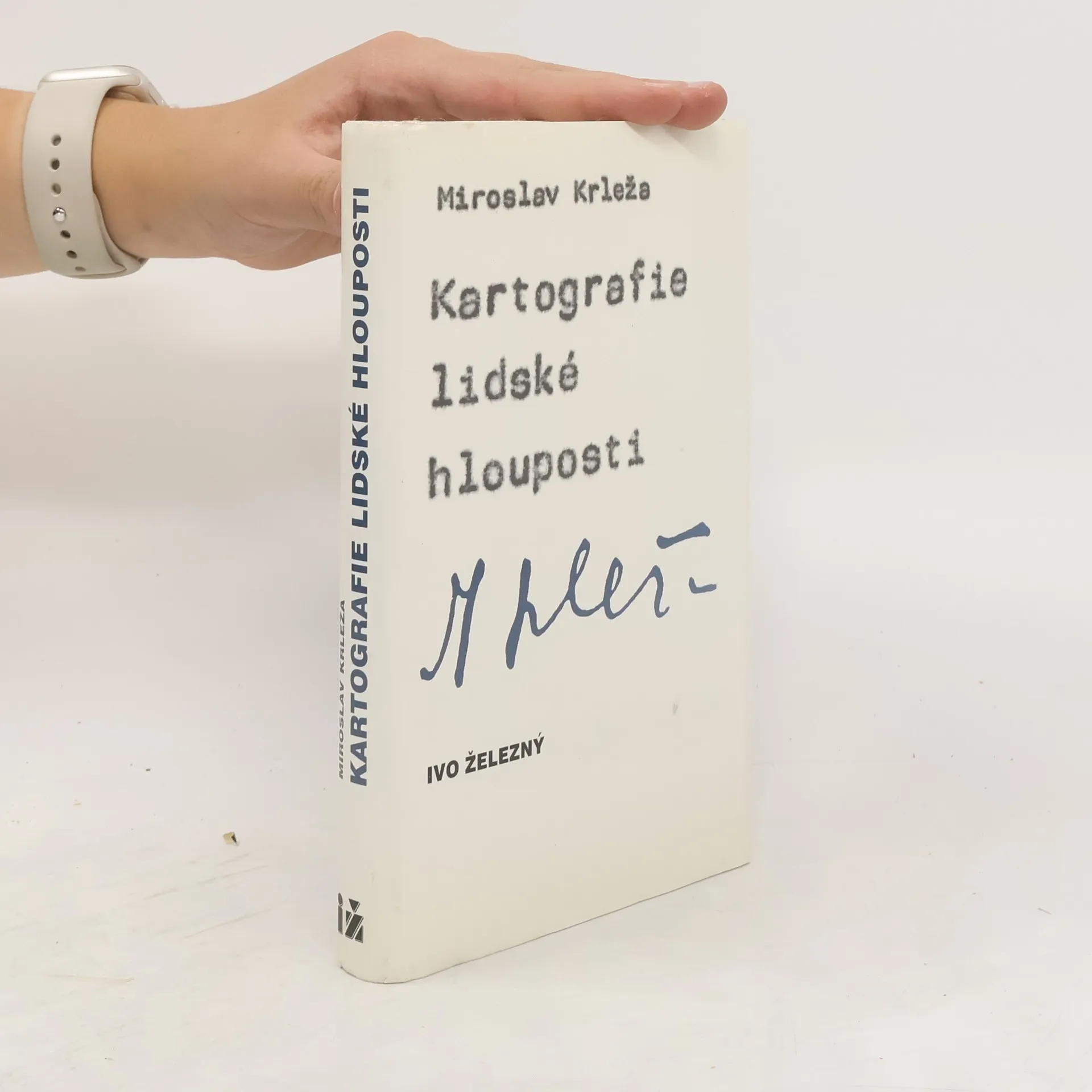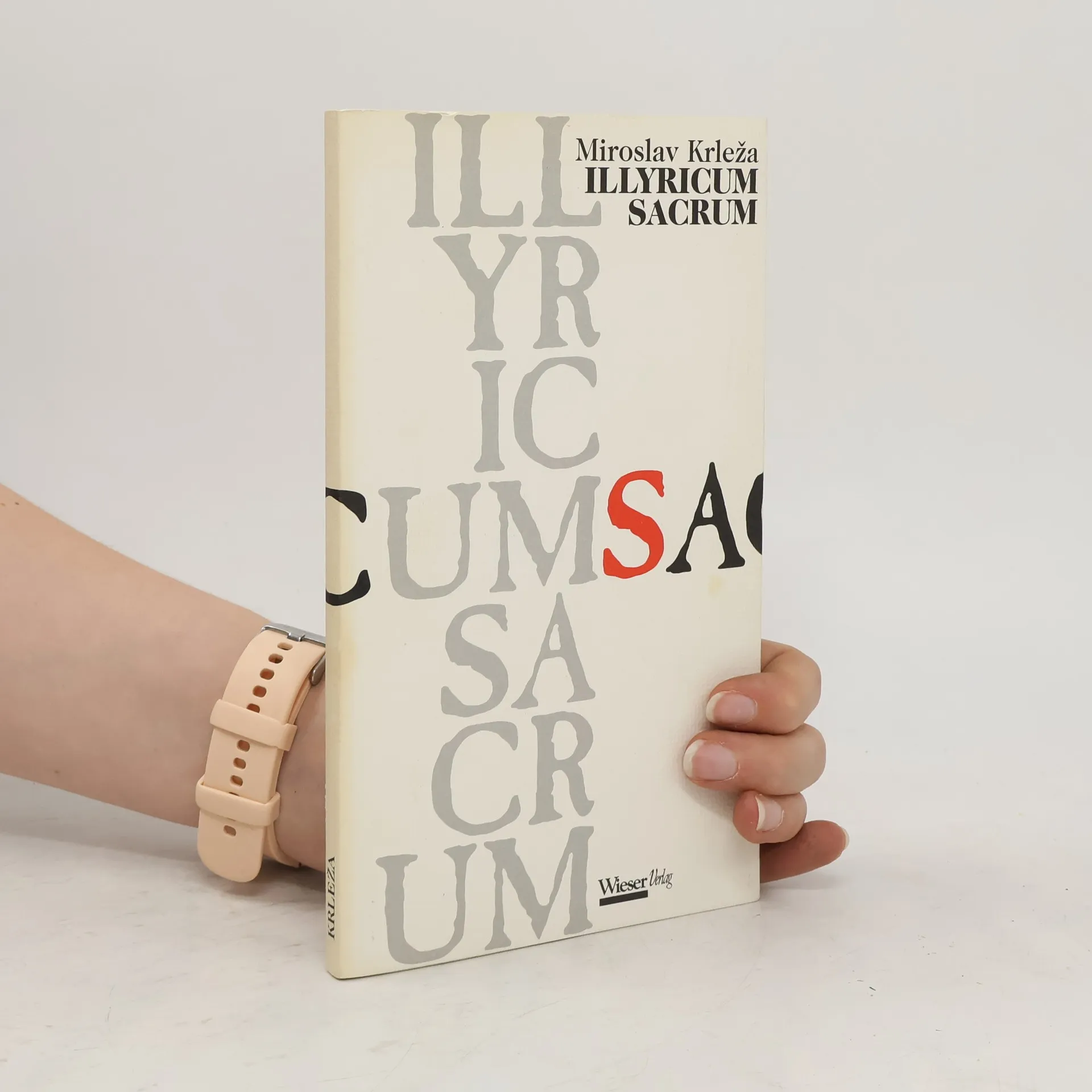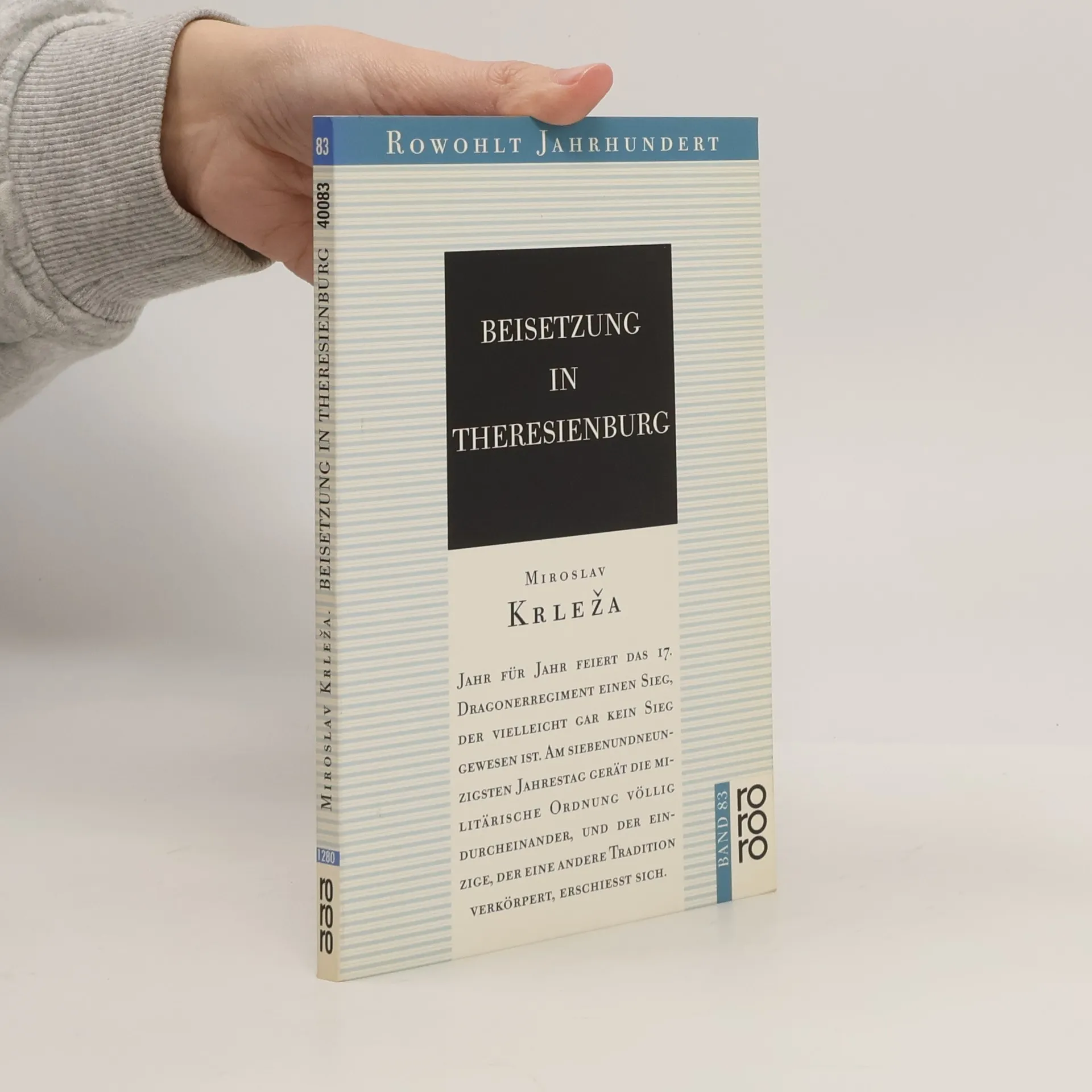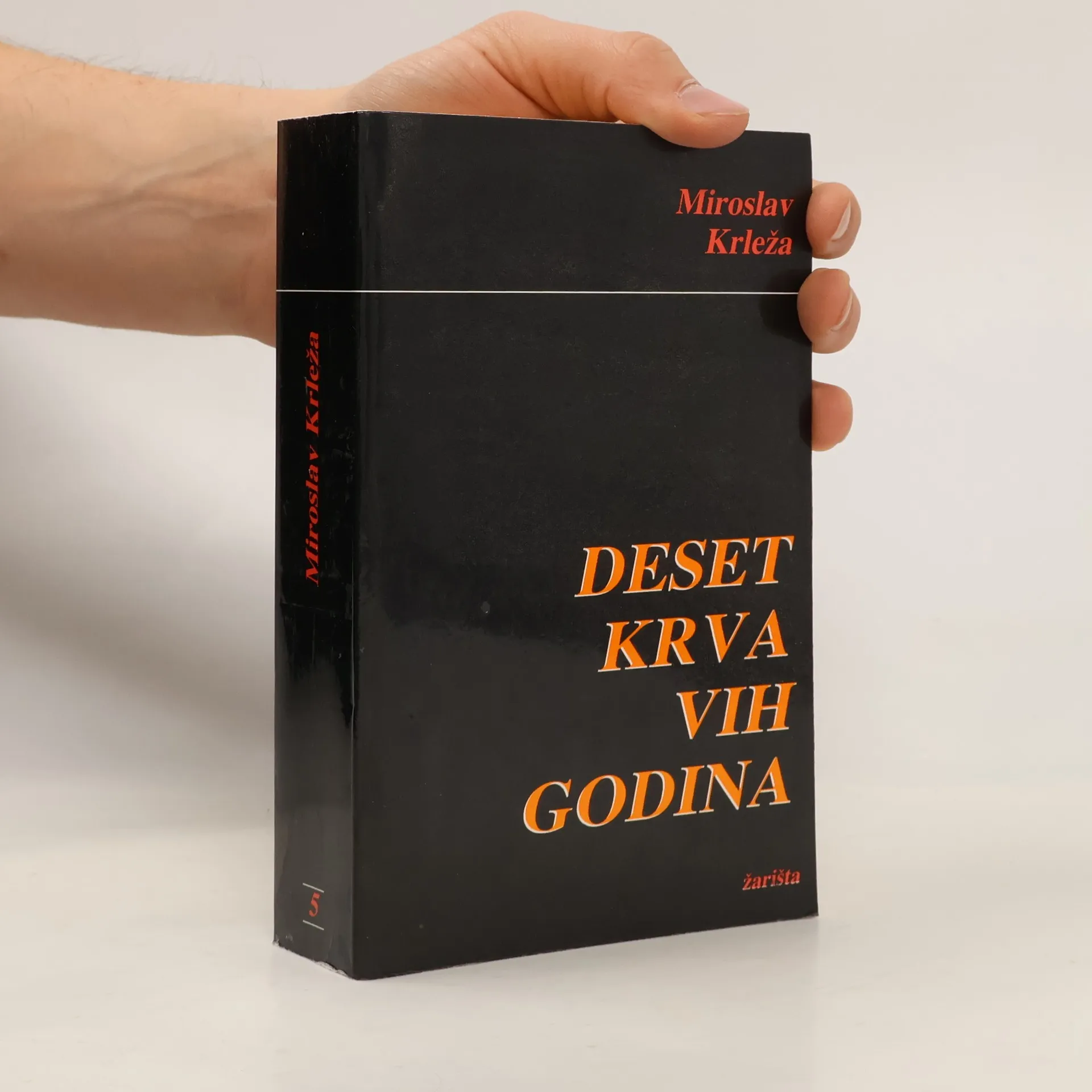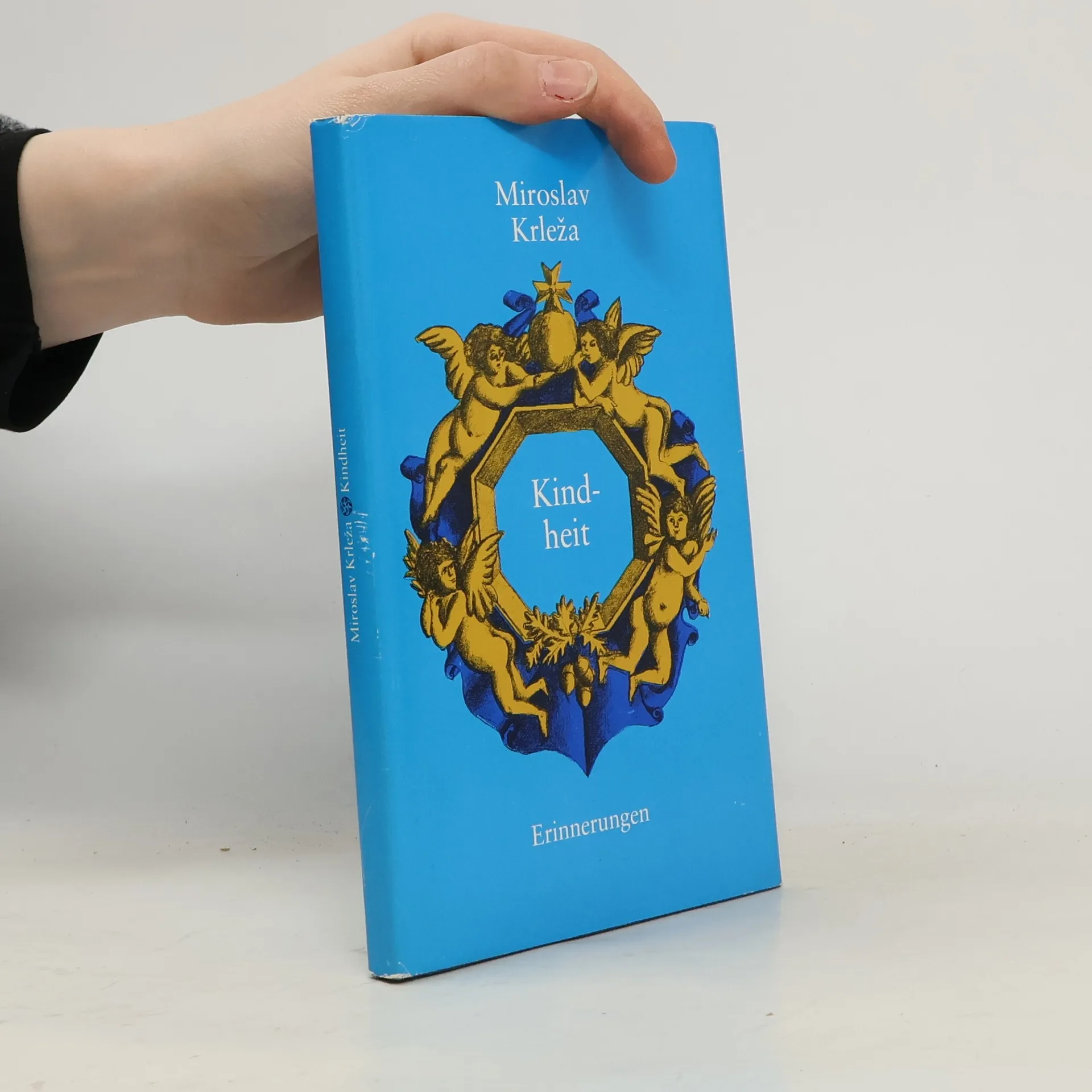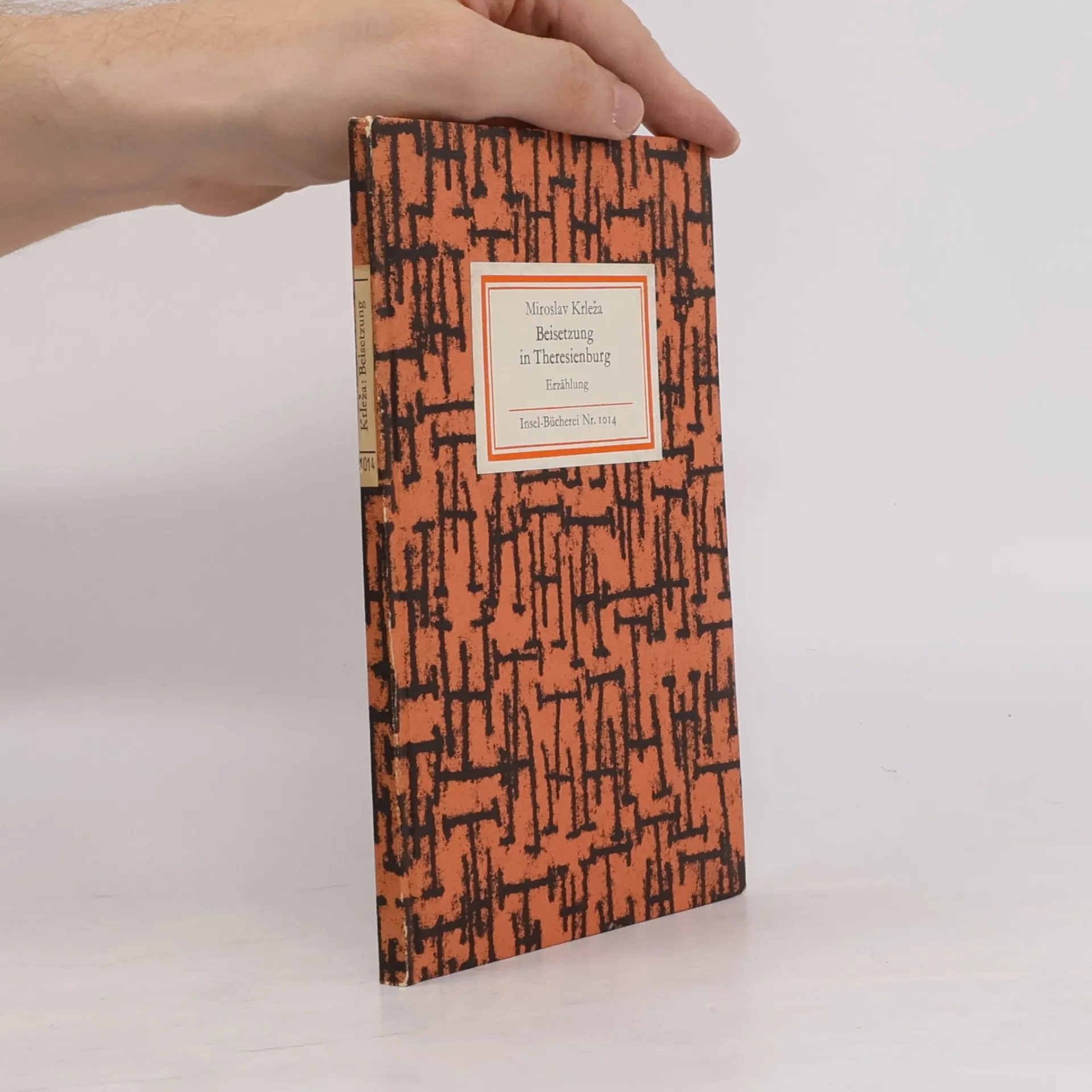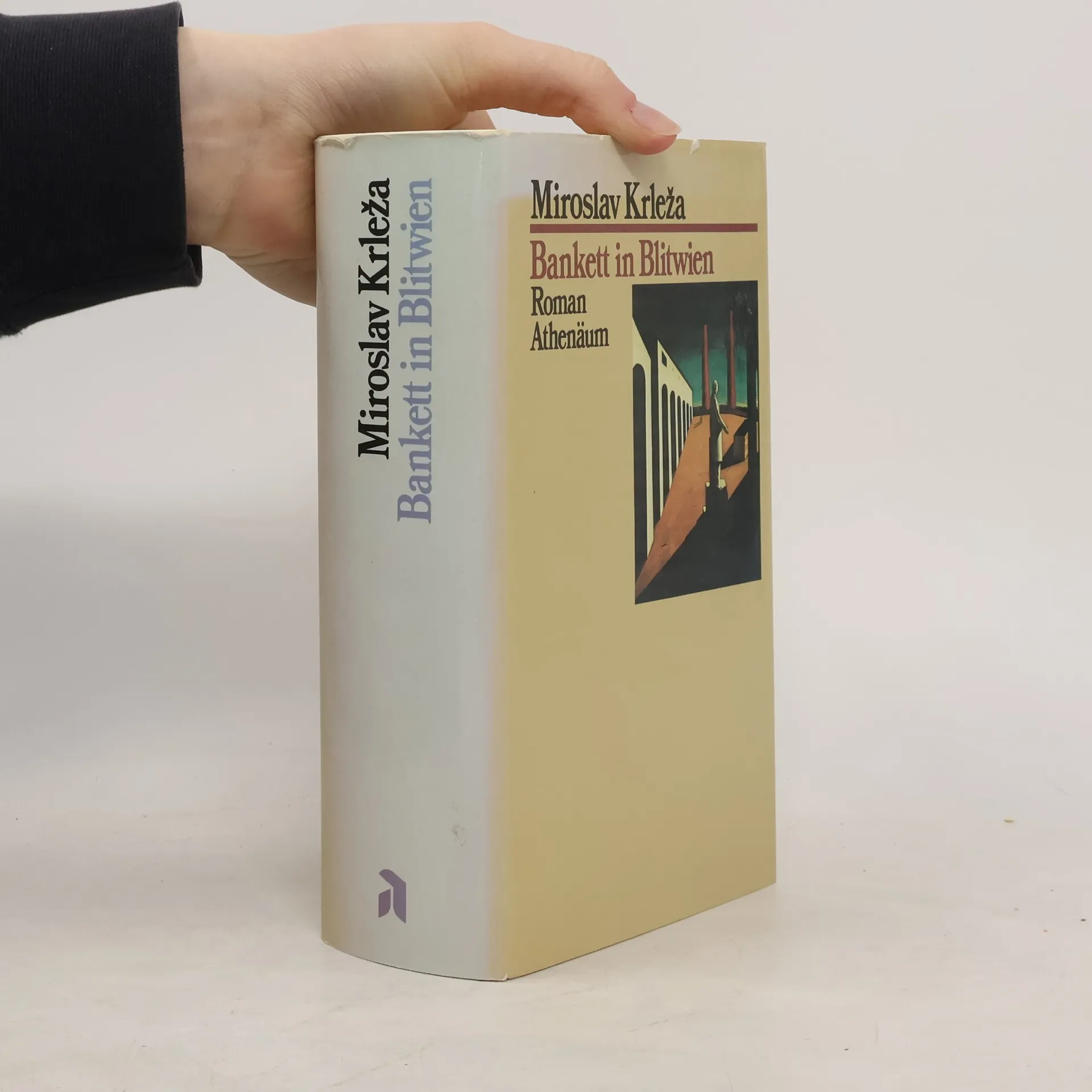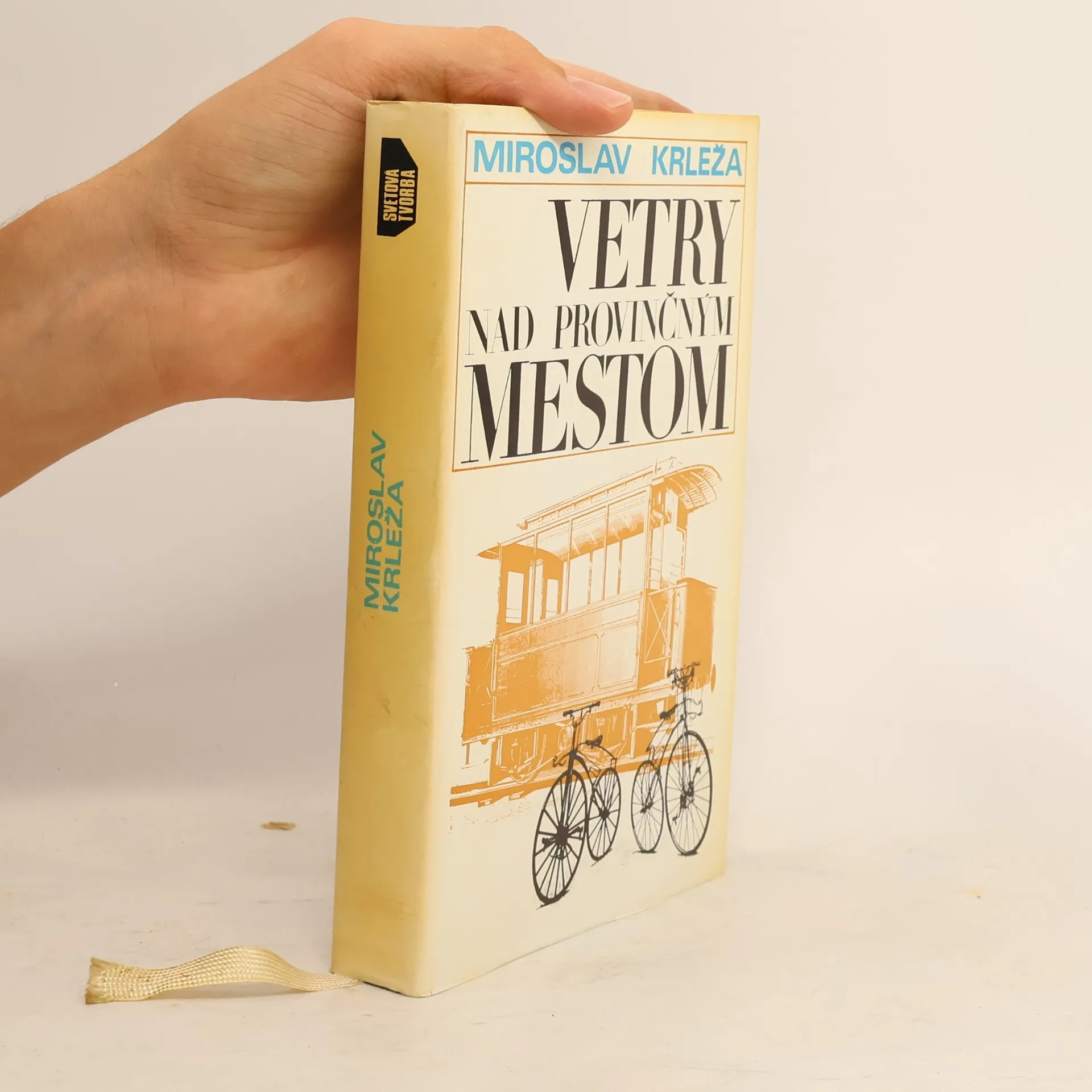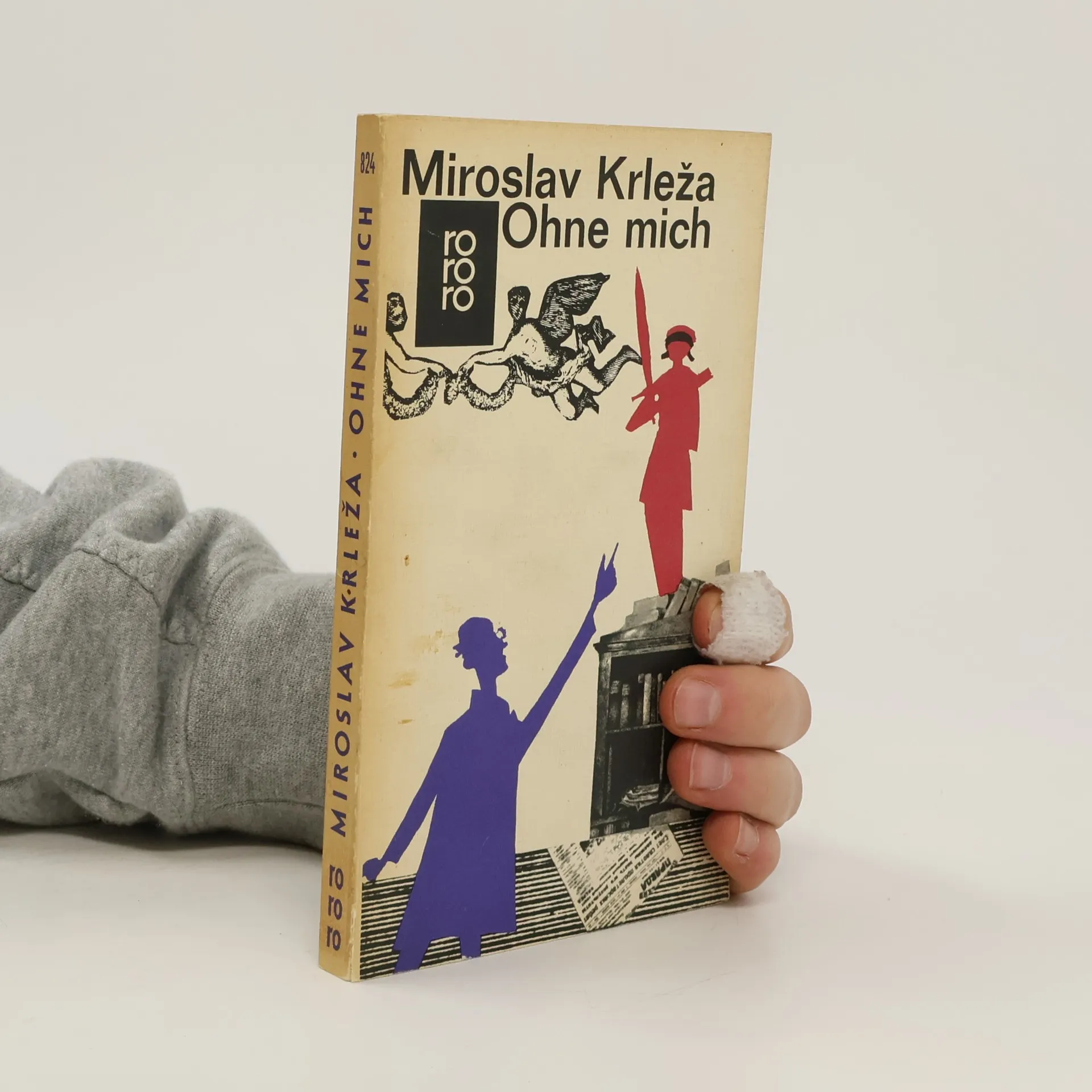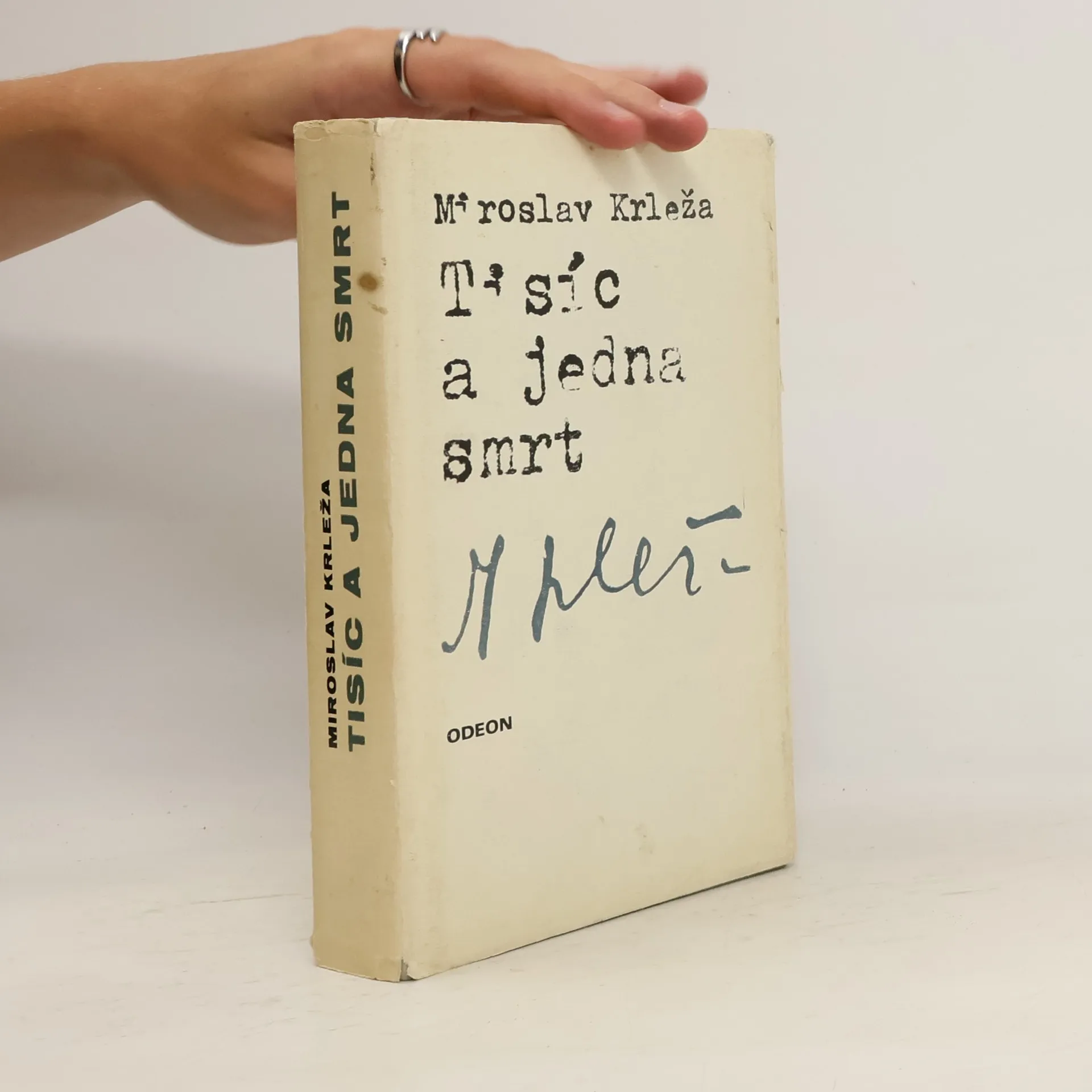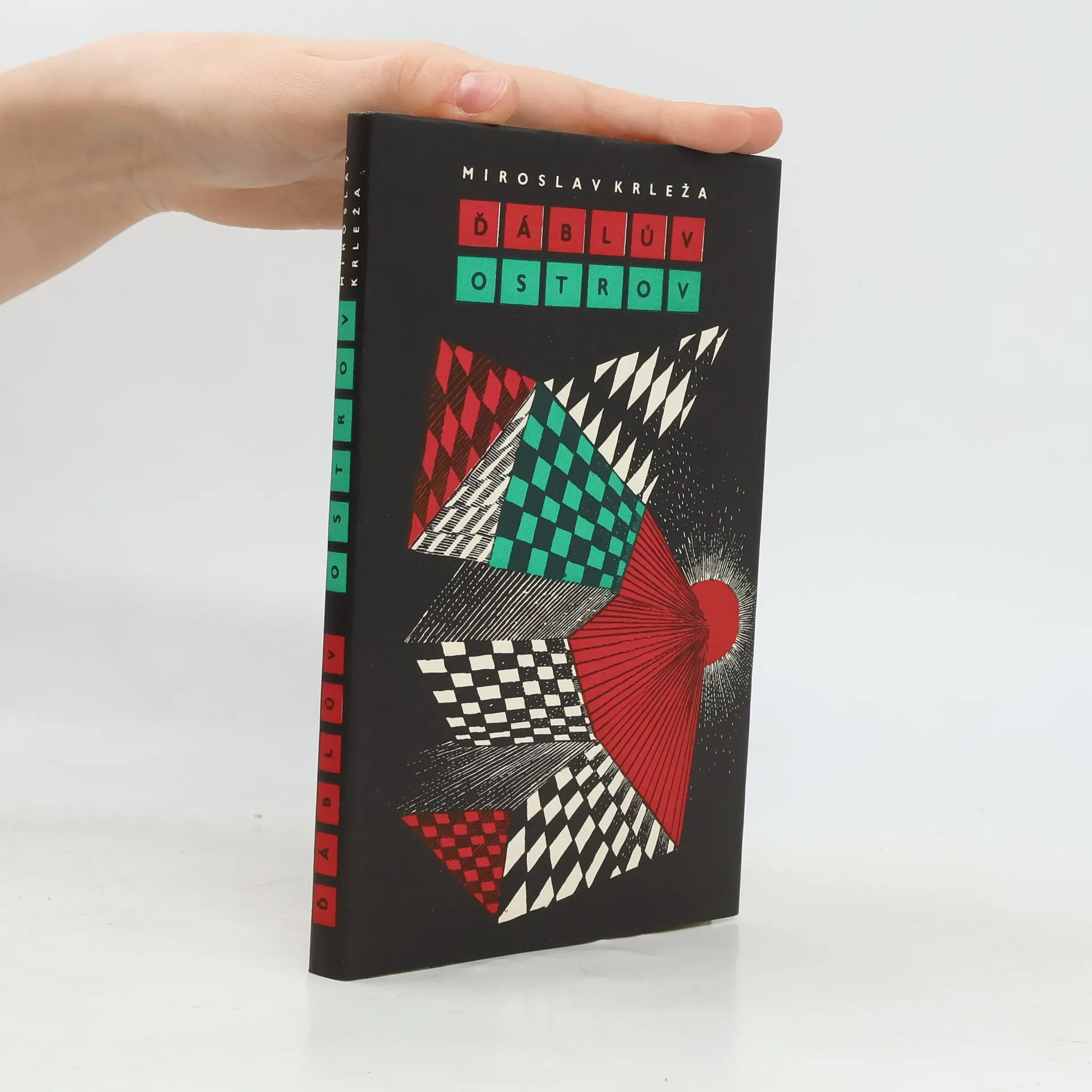
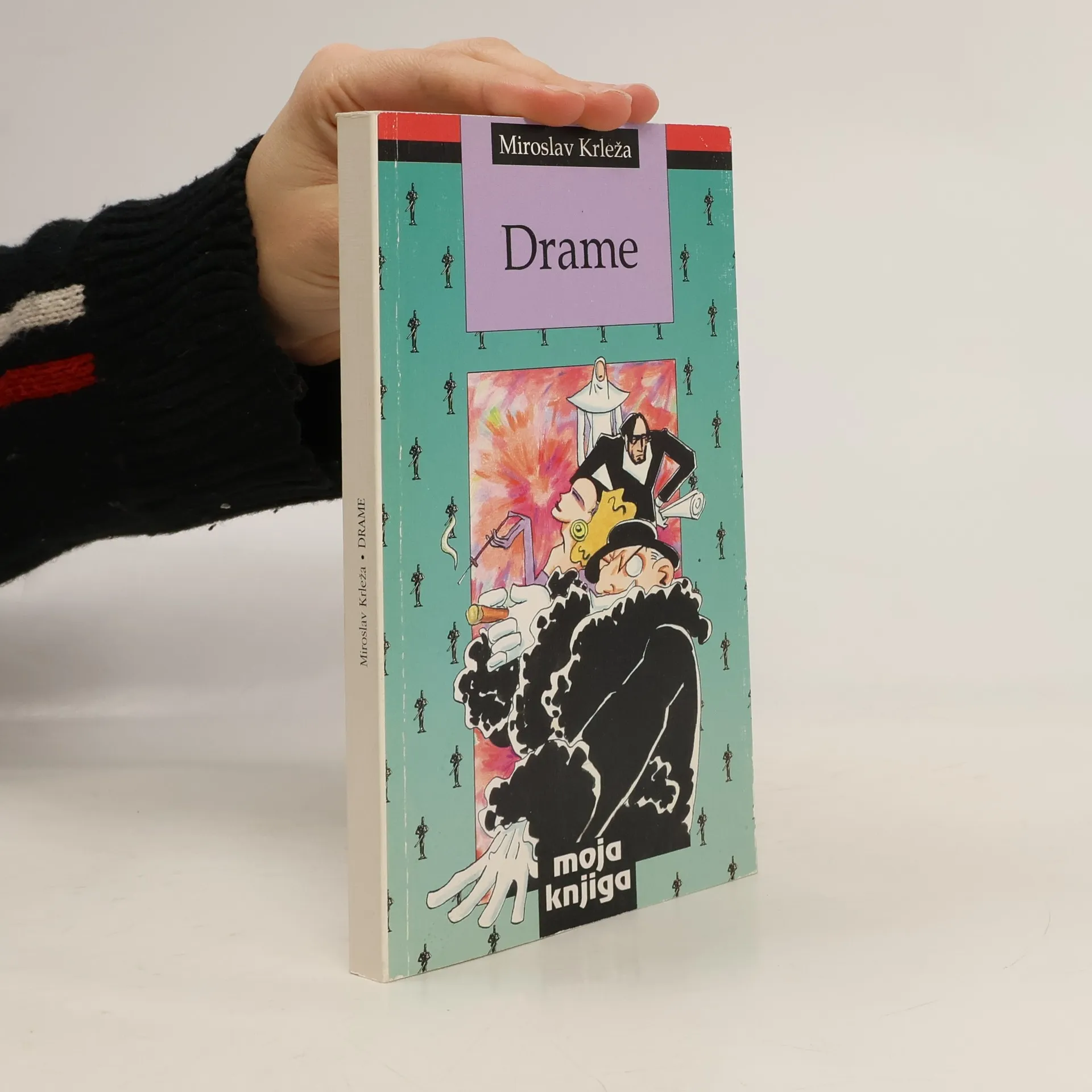
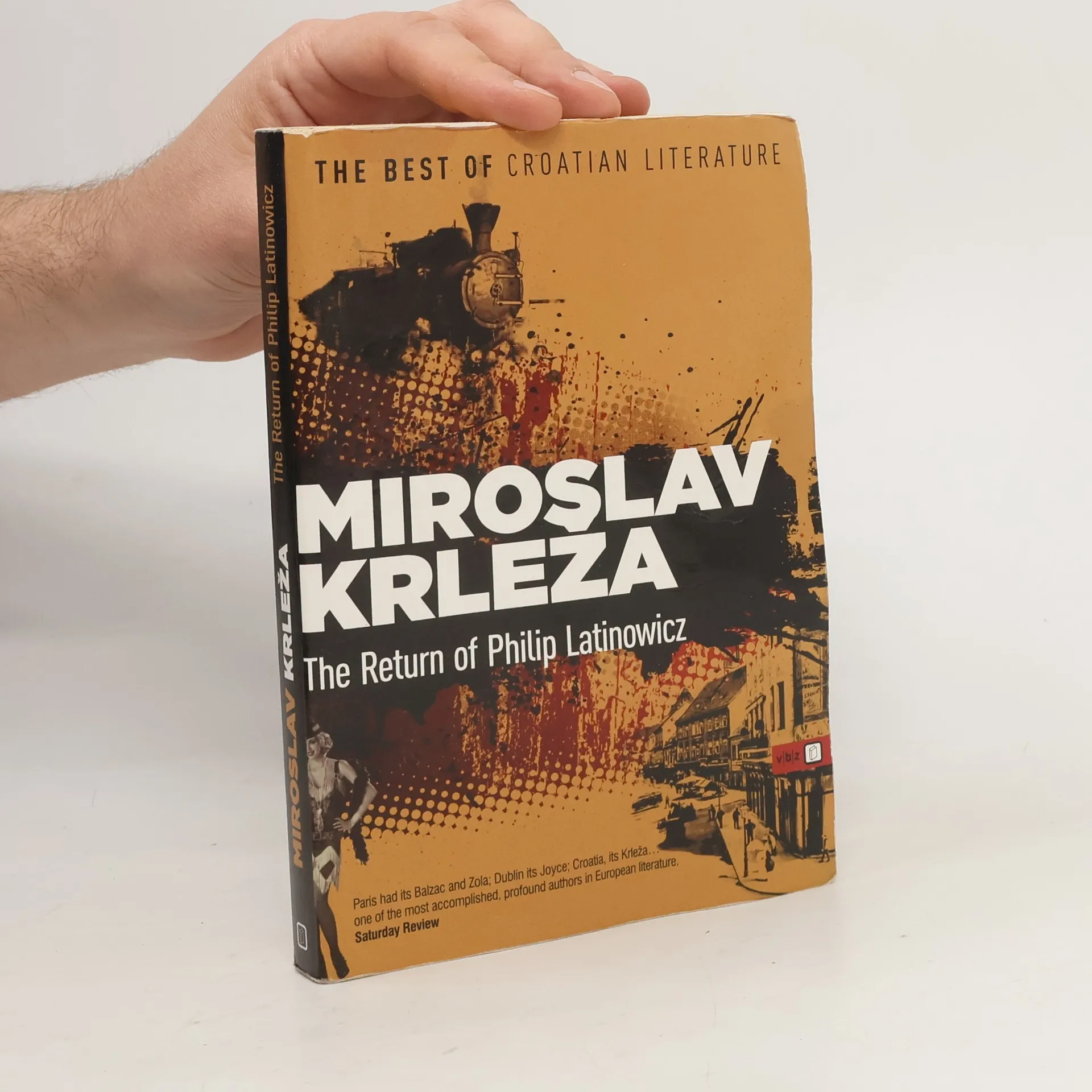
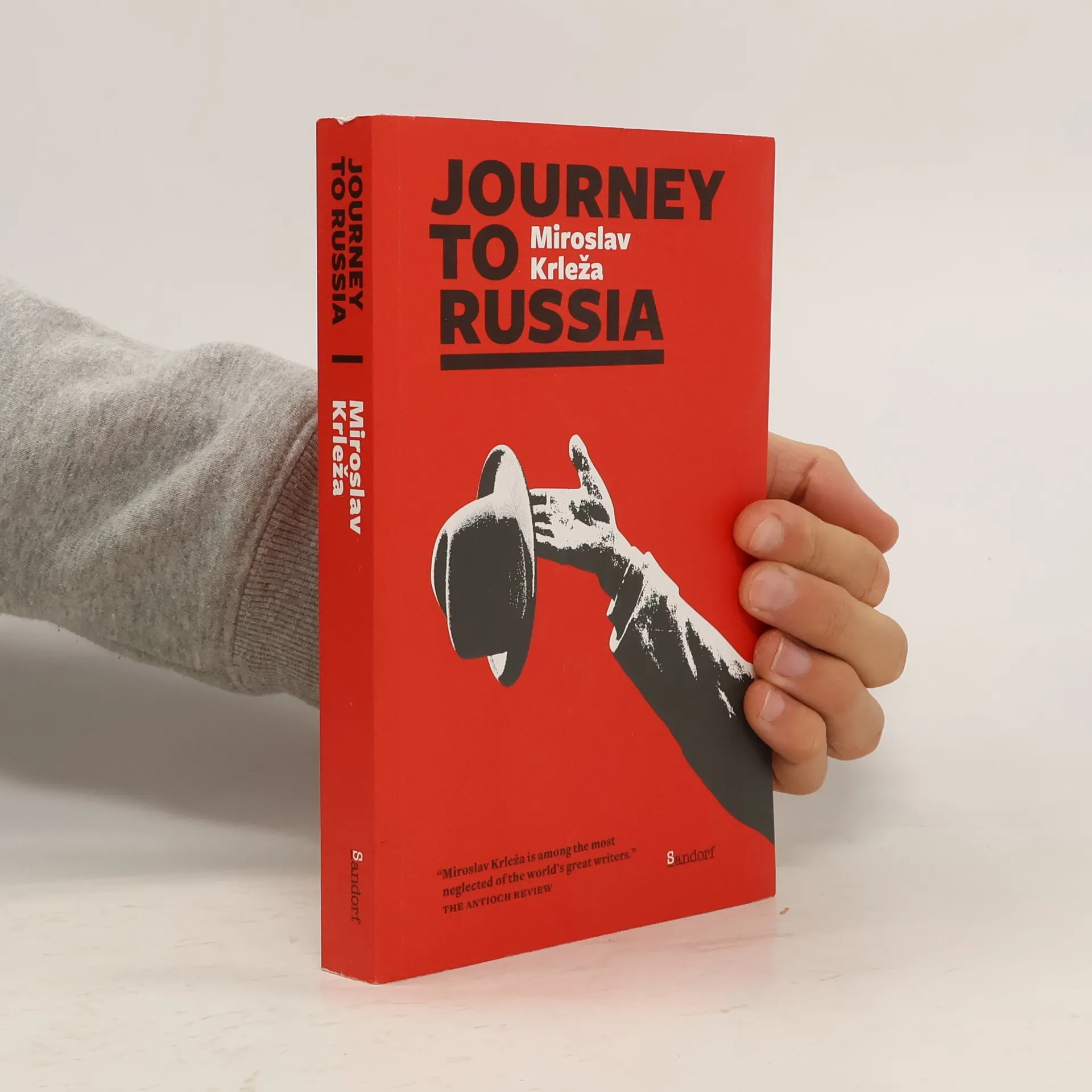

Ein Buch über Russland, fast hundert Jahre nach seiner Erstveröffentlichung? Miroslav Krleža bietet uns eine unorthodoxe Reisebeschreibung, die als ungewollte Autobiografie interpretiert werden kann. Milenko Jergović bezeichnet es als Krležas persönlichstes Werk. Der Übersetzer Klaus Detlef Olof reflektiert, dass Russland heute nicht als Sehnsuchtsort gilt, wie es in der Zeit nach dem Ersten Weltkrieg der Fall war, als die neue Gesellschaftsordnung im Osten auch für den Westen eine Hoffnung darstellte. Krleža erlebte den Polizeistaat im Königreich Serbisch-Jugoslawiens und suchte in Russland Zuflucht im Ästhetizismus. Seine Schilderungen von Klängen, Farben und Bewegungen der Volksmassen zeugen von einem tiefen Verständnis für die gesellschaftlichen Umbrüche. Obwohl er keinen ausdrücklichen Zweifel an der Unumkehrbarkeit des gesellschaftlichen Prozesses in Russland äußert, deutet die Erwähnung des Triumvirats Bronstein, Dschugaschwili und Dzierżyński auf zukünftige Entwicklungen hin. In einer Zeit, in der autoritäre Herrschaft zunimmt, ist die Veröffentlichung dieses Buches riskant, aber es ist notwendig. Krleža vermittelt unausgesprochene Zweifel und reflektiert über ein Jahrhundert des Unausgesprochenen, das oft aus dem Osten kam. Trotz vieler gescheiterter Versuche bleibt die Enttäuschung ein ständiger Begleiter, weshalb wir dieses Werk der Leserschaft präsentieren.
Miroslav Krleža Book order
A leading Croatian writer and a pivotal figure in the cultural landscape of Yugoslavia. He has frequently been acclaimed as the foremost Croatian literary voice of the 20th century. His work delves into the complexities of the human condition and societal dynamics, solidifying his significant literary legacy.


- 2023
- 2017
Journey to Russia
- 239 pages
- 9 hours of reading
When Miroslav Krleža traveled through Russia for six months between the end of 1924 and the beginning of 1925, the celebrated Croatian writer was there to figure out what it all meant. The sprawling country was still coming to terms with the events of the 1917 revolution and reeling from Lenin’s death in January 1924. During this period of profound political and social transition, Krleža opened his senses to train stations, cities, and villages and collected wildly different Russian perspectives on their collective moment in history.Krleža’s impressionistic reportage of mass demonstrations and jubilant Orthodox Easter celebrations is informed by his preoccupation with the political, social, and psychological complexities of his environment. The result is a masterfully crafted modernist travelogue that resonates today as much as it did when first published in 1926.
- 2013
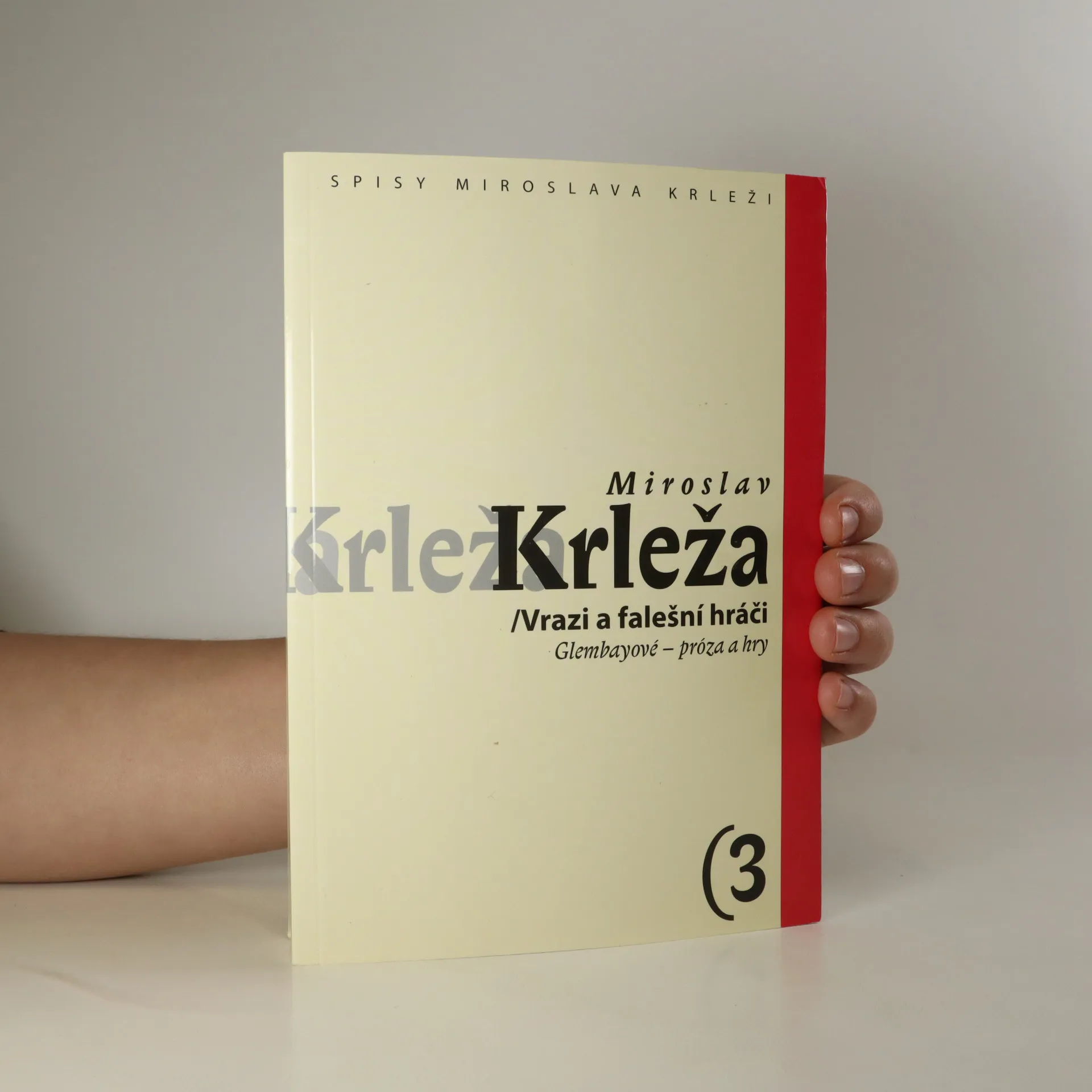
Obsahuje též: Páni Glembayové -- V agonii -- Léda
- 2013
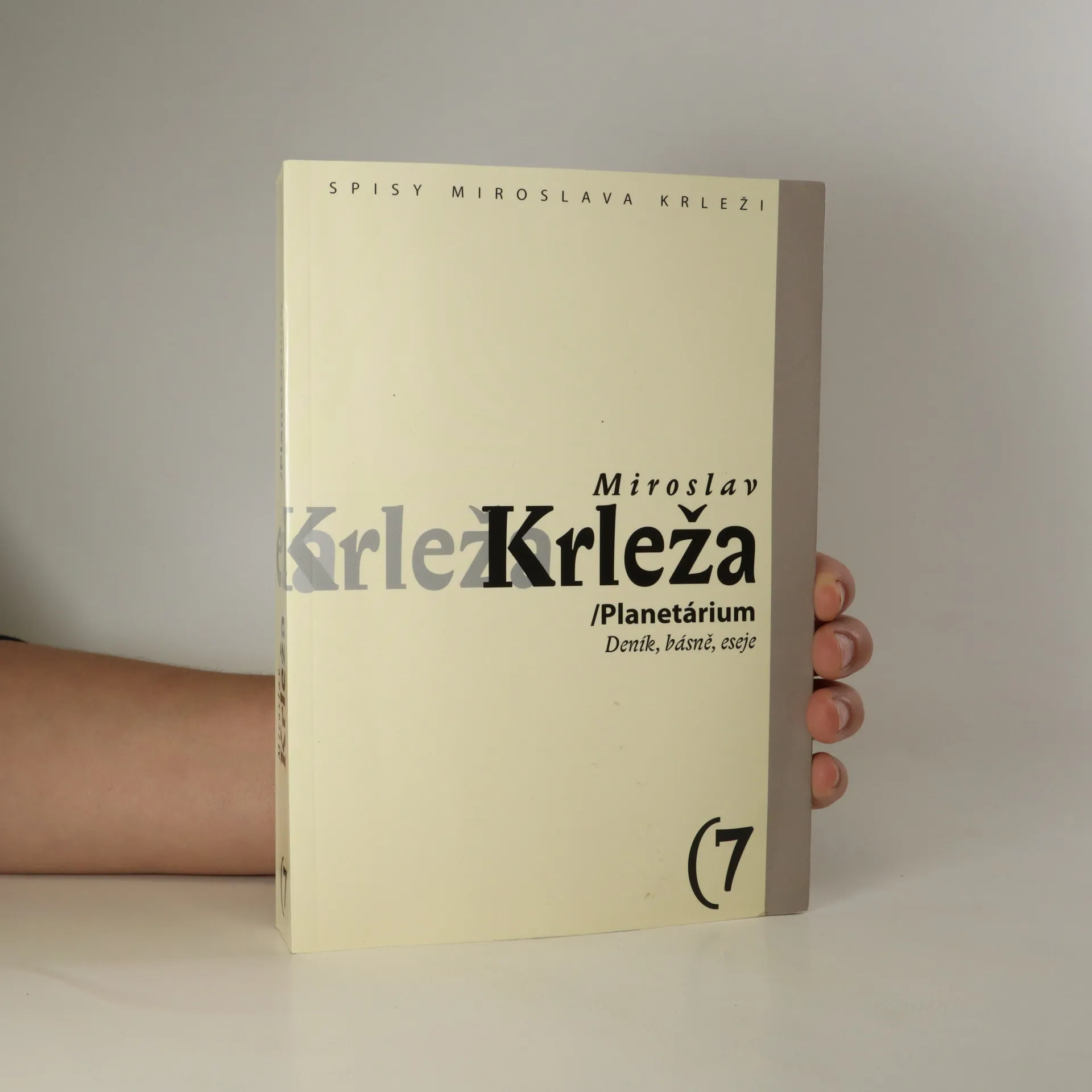
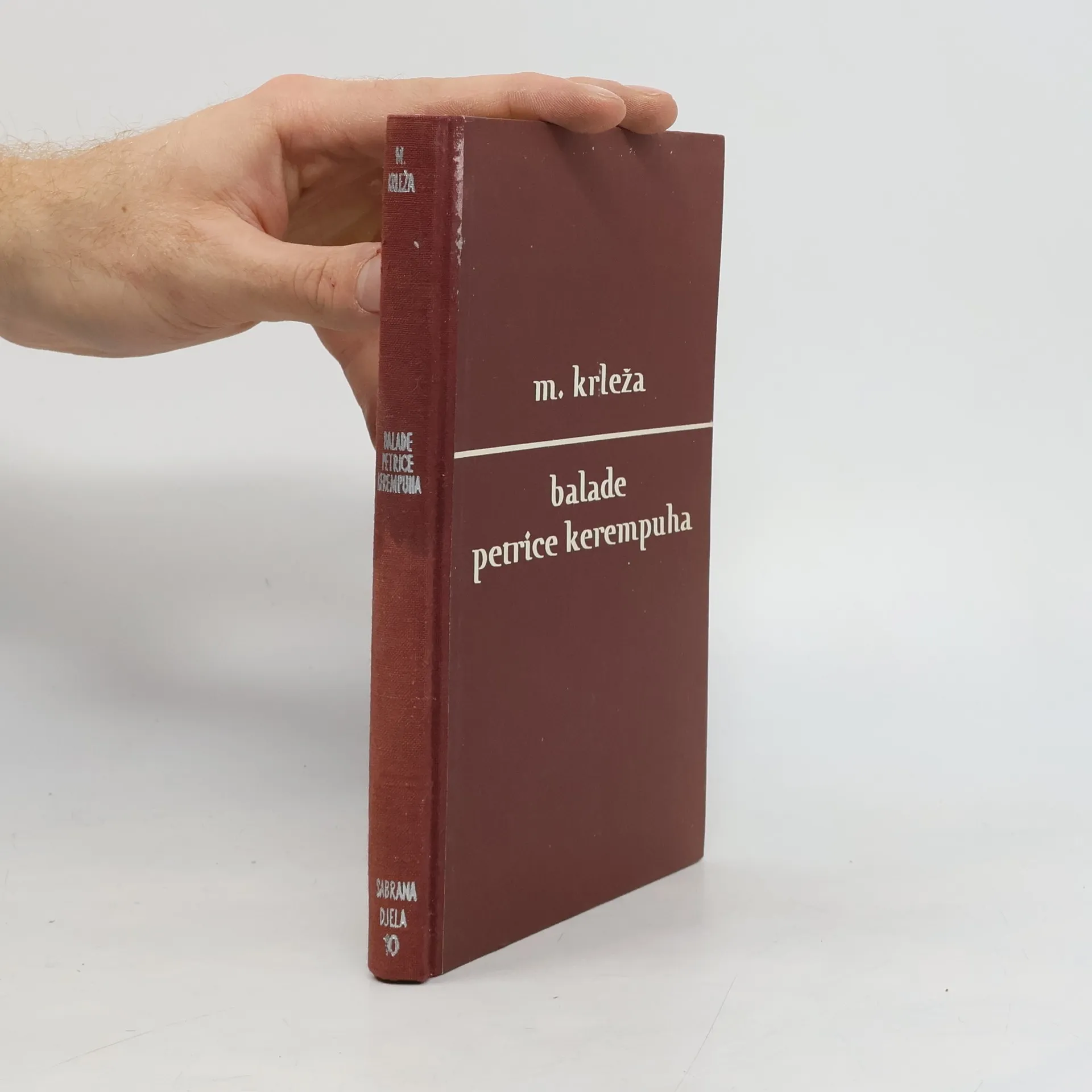
Sedmý, závěrečný svazek spisů nejvýznamnějšího představitele charvátské literatury dvacátého století obsahuje výbor z autorových deníkových záznamů, z básnického díla a z esejistické tvorby. V Krležově rozsáhlem díle hrají důležitou úlohu jeho studie a úvahy, které mají charakter osobních vzpomínek a stylem připomínají řetězení deníkových záznamů. Významným počinem z této části jeho tvorby je text "Dětství na začátku 20. století", který je do tohoto svazku zařazen. Krleža v něm hledá kořeny své identity a zamýšlí se také nad psychologickými možnostmi dětského věku. Z poezie jsou v této knize představeny Krležovy básně z let 1918-1937, mezi nimiž zaujímají výsadní postavení "Balady Petrici Kerempuha", jež jsou zde otištěny v plném znění. Sbírka je psána v kajkavském jazyce a Krleža v ní odsuzuje tragiku dějin, v jejímž důsledku byla literární podoba této řeči násilně zlikvidována a dnes už se jí pouze hovoří v severozápadním Charvátsku. Tématicky široký záběr má pak Krležova esejistika, z níž je do této publikace převzato jedenáct autorových statí. Zabývá se v nich například nejen nejrůznějšími osobnostmi z umění, historie a politiky, ale společenským a dobovým vývojem v kontextu s jihoslovanskou problematikou.
- 2013
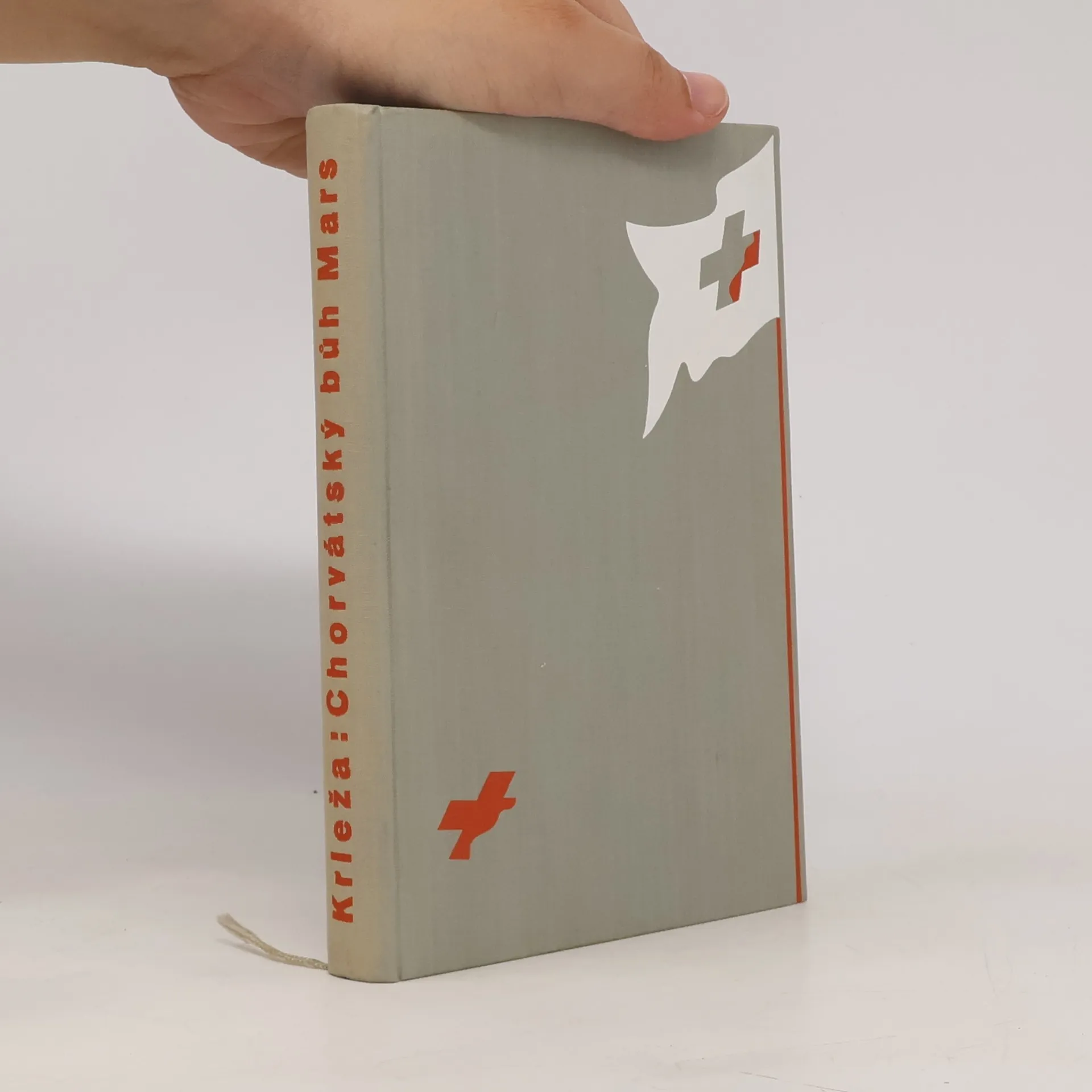
Cyklus novel a divadelní hra Halič, v nichž chorvatský spisovatel reflektuje tématiku první světové války očima prostých rakousko-uherských vojáků.
- 2013
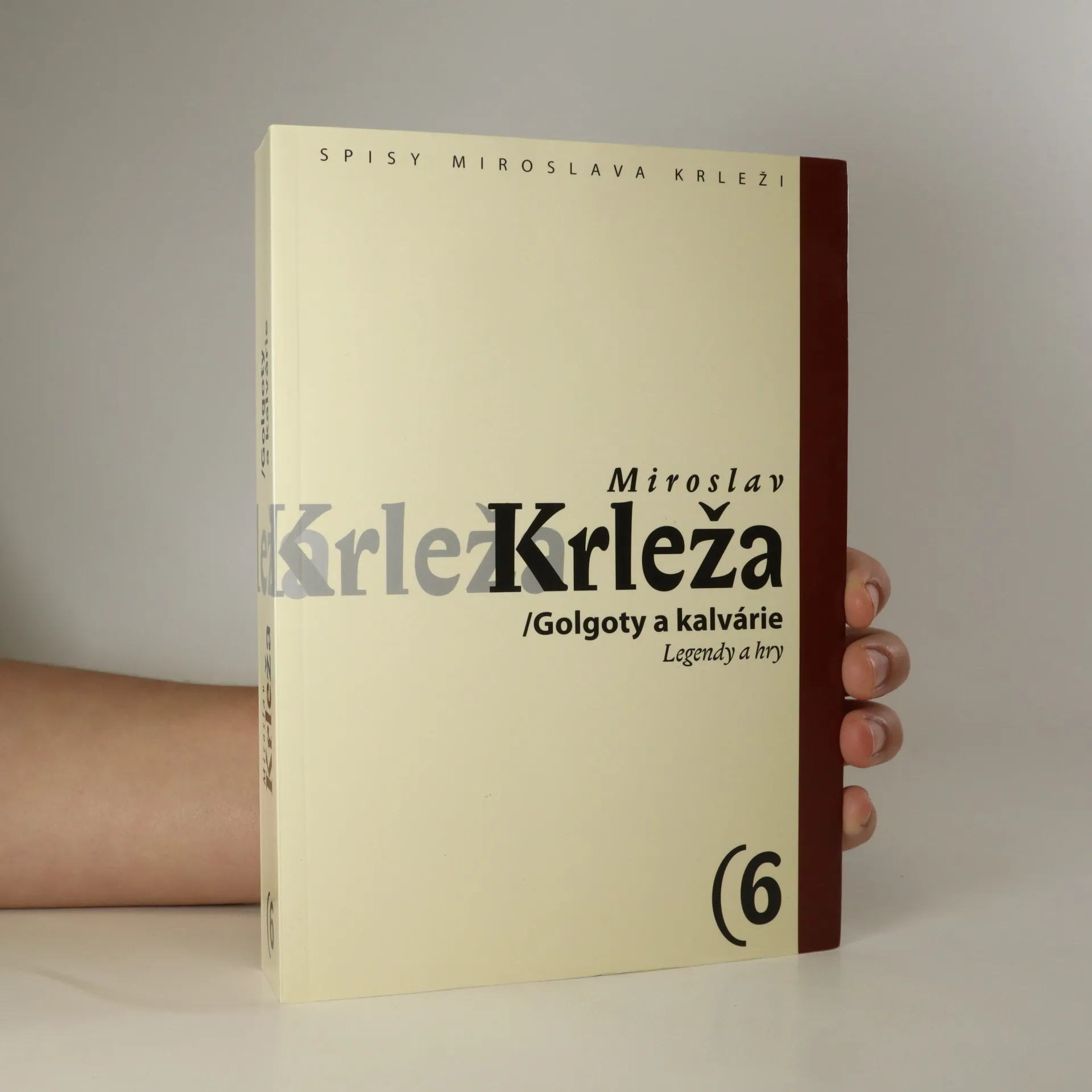
Šestý svazek Spisů Miroslava Krleži se věnuje dramatické tvorbě tohoto charvátského spisovatele.
- 2006
- 2000
Krása je skutečnost
- 417 pages
- 15 hours of reading