

This comprehensive examination of 18th and 19th-century architecture explores its extreme diversity within the context of social, economic and political upheaval. It offers an analysis of the ways issues of style functioned to make architecture one of the most experimental art forms in the period. schovat popis
Barry Bergdoll Books
Barry Bergdoll is a professor of architectural history at Columbia University. His work delves into pivotal architectural movements and their historical trajectories. He examines how architectural styles and ideas have evolved over time and their societal impact. His perspective on architecture is deeply rooted in historical context.

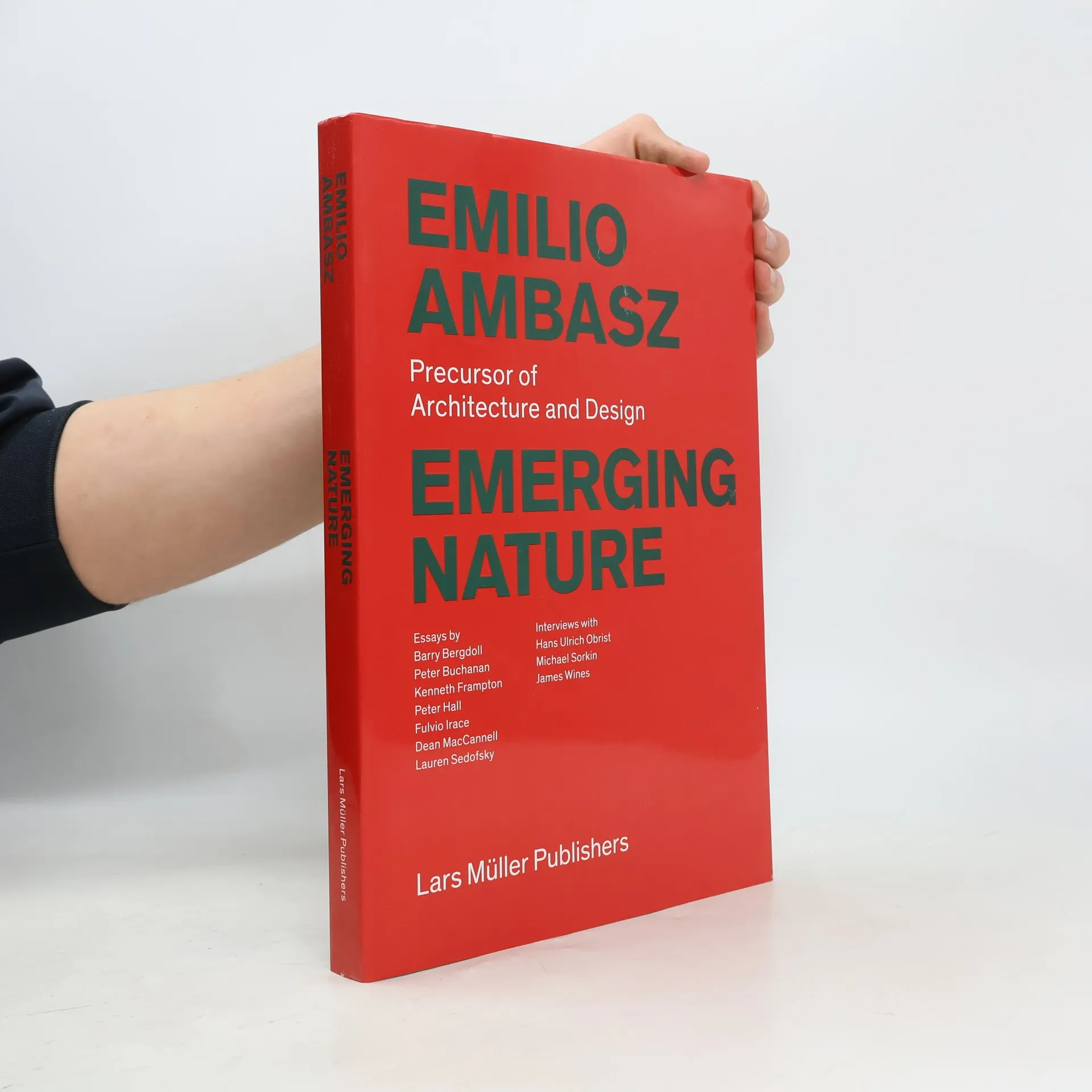

Emilio Ambasz - Emerging Nature
- 312 pages
- 11 hours of reading
This comprehensive volume documents the work of the Argentine architect, graphic designer, and industrial designer Emilio Ambasz. Ambasz's main concern is to integrate nature and construction into architectural design, which is why he is regarded as one of the most important pioneers of Green Architecture. In his work a combination of landscape and architecture emerges, in which his respect for the environment and ecological sustainability becomes clear. A prime example of this is the Fukuoka Prefectural International Hall in Japan: a building that houses more than 100,000 m2 of exhibition spaces, theaters, and offices is also an open green area in the form of a hanging garden. In addition to the documentation of Ambasz's architectural, graphic, industrial, and exhibition design, this publication contains essays by Barry Bergdoll, Kenneth Frampton, and Peter Buchanan, as well as three interviews with Emilio Ambasz, conducted by Michael Sorkin, James Wines, and Hans Ulrich Obrist.
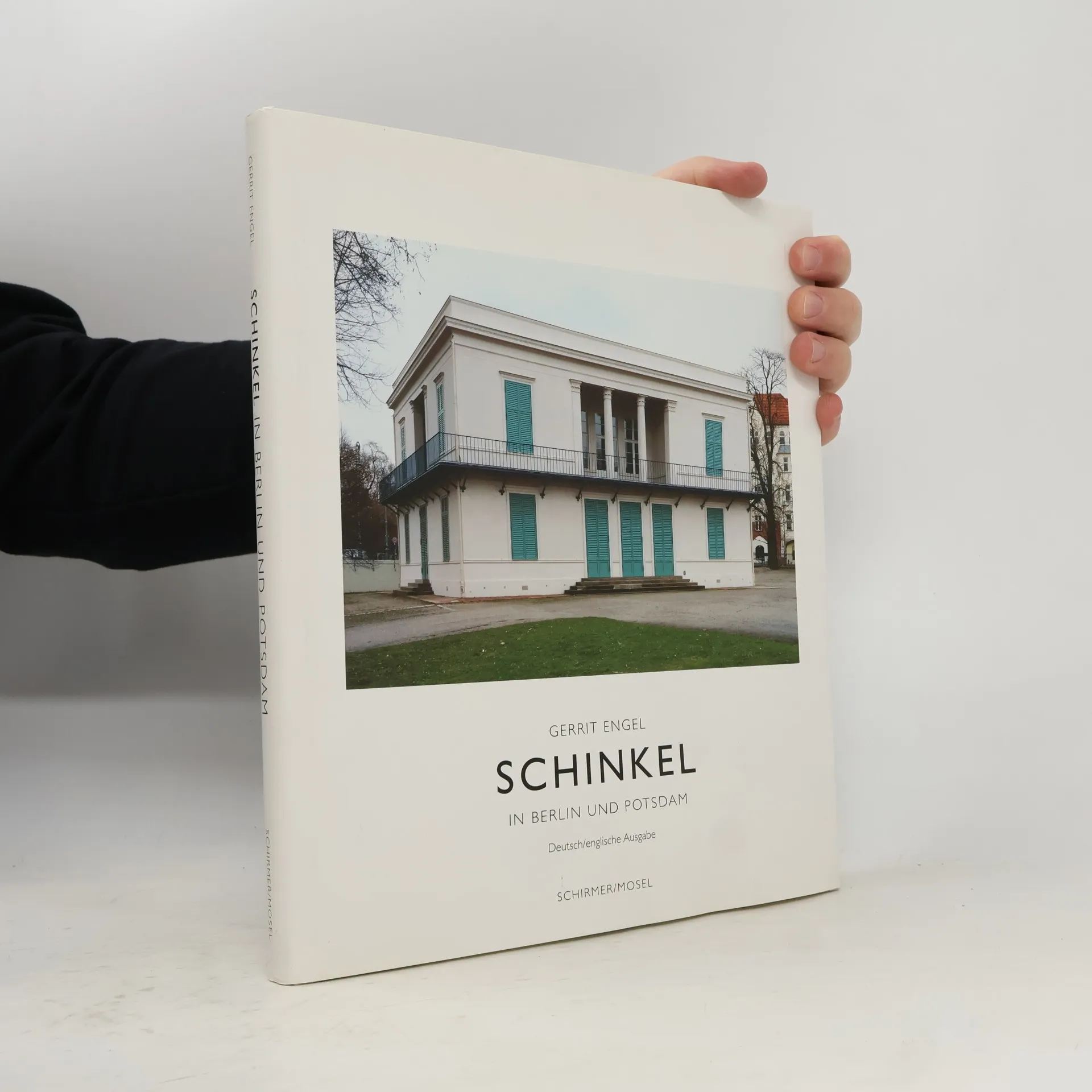
Schinkel in Berlin und Potsdam - Deutsch/Englische Ausgabe
- 140 pages
- 5 hours of reading
Karl Friedrich Schinkel (1781–1841) hat wie kein Zweiter die Architektur des 19. Jahrhunderts geprägt und dabei der Moderne den Weg gewiesen. Seine Erfindung, der 'preußische Klassizismus', gab nicht nur Berlin und Potsdam ein neues städtebauliches Gesicht, auch das Bauhaus und die architektonische Avantgarde des 20. Jahrhunderts beriefen sich noch auf die Einfachheit und strenge geometrische Klarheit seines Stils. Unser Buch stellt 23 Schinkel-Bauten in Berlin und Umgebung vor, die zu seinen berühmtesten gehören, u. a. die Neue Wache und den Neuen Pavillon in Charlottenburg, das Schauspielhaus, das Alte Museum, die Friedrichswerdersche Kirche, Schloss Glienicke und Schloss Charlottenhof. Die photographische Dokumentation der einzelnen Bauten in Farbaufnahmen übernahm Gerrit Engel, der Schirmer/Mosel-Lesern bestens bekannt ist durch seine Architektur-Photobücher Manhattan New York (2006) und Berlin (2009).
Die Natur war schon immer eine Inspirationsquelle für die Gestaltung der menschlichen Umwelt und diese Beziehung hat sich in den letzen Jahren wieder intensiviert. Das "Modell Natur" beeinflusst die unterschiedlichsten Konzepte und Entwicklungsprozesse und zeigt sich in einer grossen Bandbreite von Formen und Funktionen. "Nature Design" versammelt Projekte und Objekte aus Design, Architektur, Landschaftsarchitektur, Fotografie und Kunst, die sich von der Natur inspirieren lassen, um vielschichtige und innovative Arbeiten zu entwickeln. Protagonisten sind u.a. Werner Aisslinger, Ronan & Erwan Bouroullec, Peter Eisenman, Zaha Hadid, Herzog & de Meuron, Ross Lovegrove, Olaf Nicolai, Francois Roche, Lars Spuybroek oder Günther Vogt. Das Buch umfasst die historischen und theoretischen Grundlagen zu den Themen Meer, Topografie, Pflanzen, Mensch, Tier, Geruch und Klima. "Nature Design" soll die Vielfalt der Möglichkeiten in der Nach- oder Neuerfindung der Natur sichtbar machen und neue Perspektiven eröffnen.
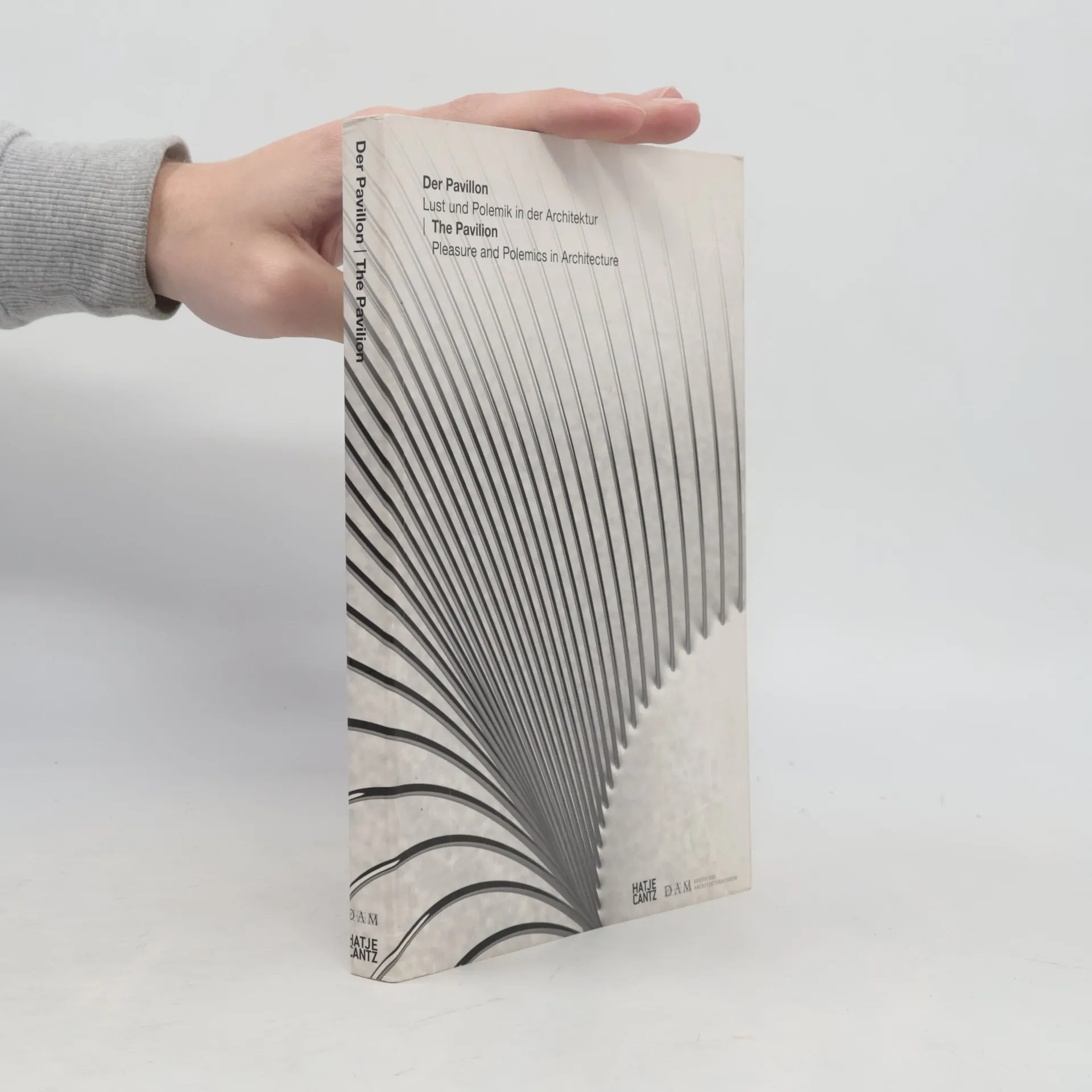
The Pavilion examines both the history and the contemporary state of pavilion architecture, something of a niche genre in the field, but with a long history of masterpieces. It consists of two parts: first, the examination of a group of twentieth-century pavilions, and second, a collection of essays that survey historical and more recent examples. This outstanding analysis was produced by students of architecture at Frankfurt's St�delschule. In the theoretical section, well-known authors discuss the materials used in pavilions, starting with influences from the Orient, India and Asia, and moving on to significant twentieth-century pavilions and recent temporary buildings that seem to occupy a space between art and architecture. In addition, the book documents the research and development of a summer pavilion for the garden at the Deutsches Architekturmuseum in Frankfurt produced by the offices of Barkow Leibinger and Werner Sobek.