Explore the latest books of this year!
Bookbot

Lester Packer

    The Antioxidant Miracle
    Methods in Enzymology. Vol. 105, Oxygen Radicals in Biological Systems
    Methods in Enzymology 189. Retinoids
    Methods in Enzymology. Vol. 190 Retinoids
    Methods in enzymology. vol. 186. Oxygen radicals in biological systems
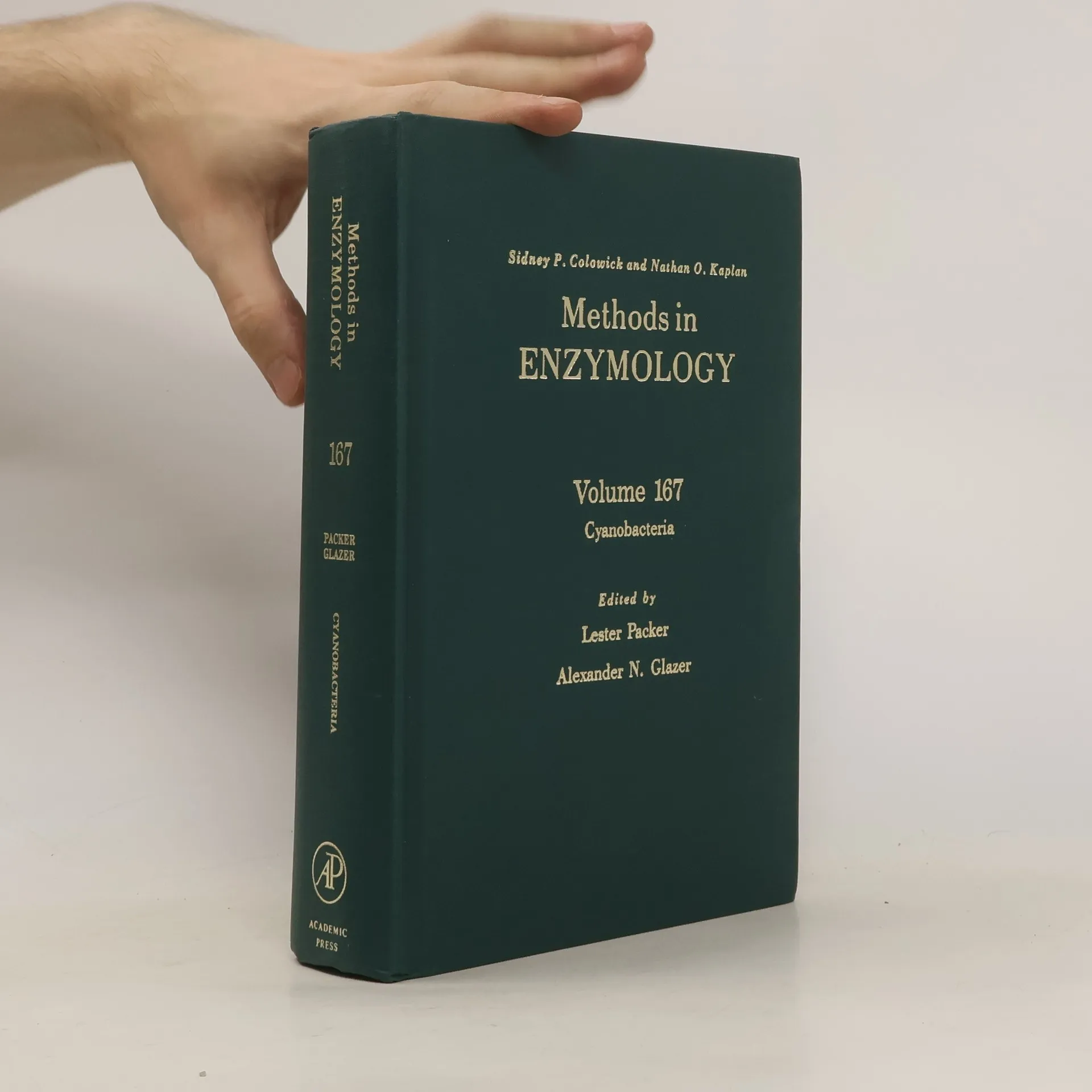
    Methods in enzymology. vol. 167, Cyanobacteria
    • In recent years, cyanobacteria have become the focus of intense study. As simple bacteria, they would seem to be the obvious organisms of choice for the study of such fundamental processes as oxygen-evolving photosynthesis and nitrogen fixation. This book will prove useful to investigators with little previous experience with cyanobacteria as well as to those who wish to change the emphasis of their research.
      Methods in enzymology. vol. 167, Cyanobacteria
      4.7
    • The critically acclaimed laboratory standard, Methods in Enzymology, is one of the most highly respected publications in the field of biochemistry. Since 1955, each volume has been eagerly awaited, frequently consulted, and praised by researchers and reviewers alike. The series contains much material still relevant today - truly an essential publication for researchers in all fields of life sciences.

      Methods in enzymology. vol. 186. Oxygen radicals in biological systems
      4.0
    • Methods in Enzymology. Vol. 190 Retinoids

      • 488 pages
      • 18 hours of reading

      Intended for biochemists, nutritionists, molecular and cell biologists, pharmacologists, toxicologists, oncologists, and immunologists, this book studies the use of retinoids in basic research into molecular, cellular, and development biology, and into clinical medicine.

      Methods in Enzymology. Vol. 190 Retinoids
      4.4
    • Methods in Enzymology 189. Retinoids

      • 583 pages
      • 21 hours of reading

      The methods in Volumes 189 and 190 apply to the use of retinoids in basic research in molecular, cellular, and development biology and in clinical medicine.

      Methods in Enzymology 189. Retinoids
      4.4
    • The critically acclaimed laboratory standard, Methods in Enzymology, is one of the most highly respected publications in the field of biochemistry. Since 1955, each volume has been eagerly awaited, frequently consulted, and praised by researchers and reviewers alike. The series contains much material still relevant today - truly an essential publication for researchers in all fields of life sciences.

      Methods in Enzymology. Vol. 105, Oxygen Radicals in Biological Systems
      3.0
    • The Antioxidant Miracle

      Put Lipoic Acid, Pycnogenol, and Vitamins E and C to Work for You

      • 256 pages
      • 9 hours of reading

      An internationally known scientist joins the bestselling coauthor of "The Melatonin Miracle" to introduce the healing power of the antioxidant network--the different antioxidants that work together with much more strength than they do individually.

      The Antioxidant Miracle
      3.7
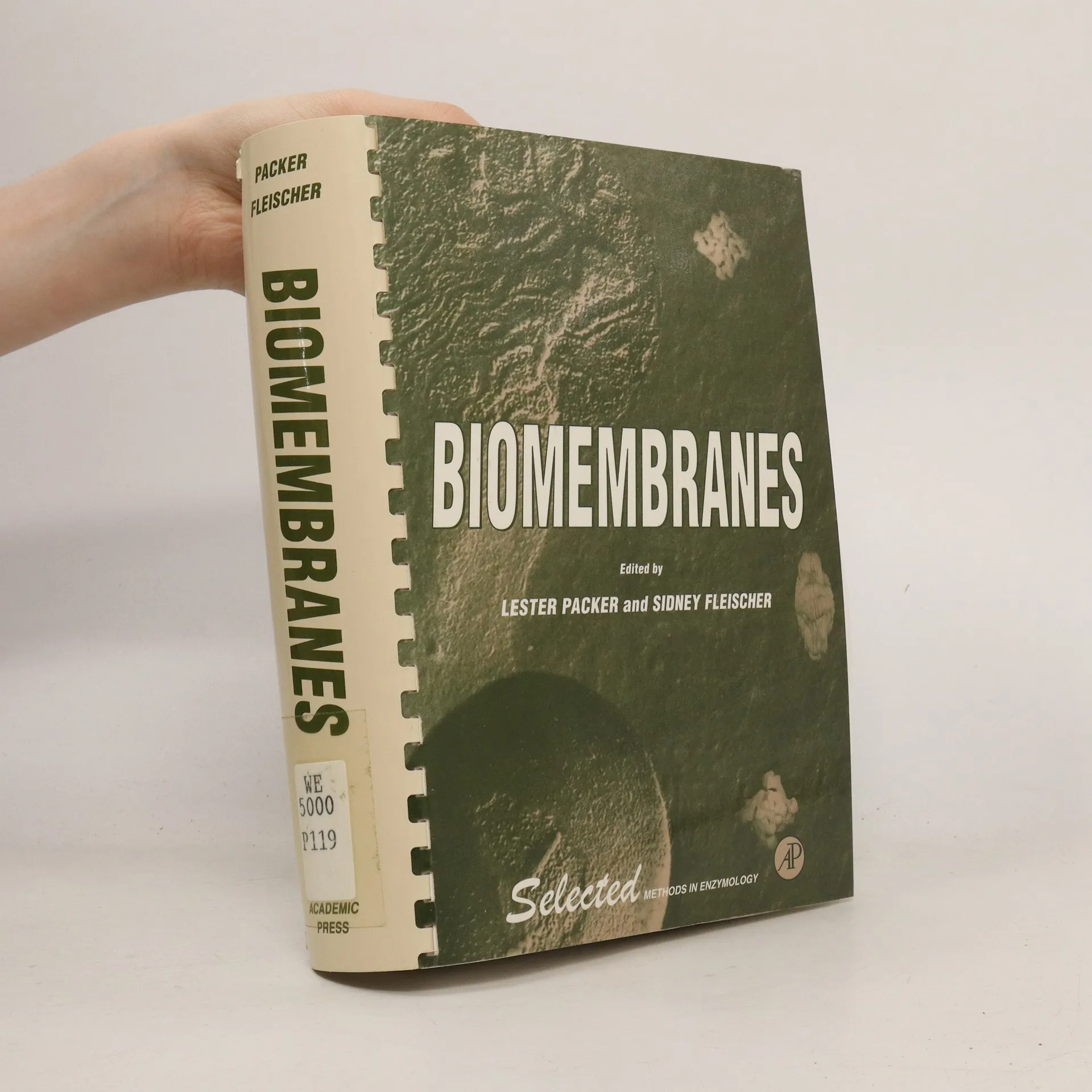
    • Biomembranes

      • 1096 pages
      • 39 hours of reading

      This volume contains papers selected from the twenty-four Methods in Enzymology volumes on Biomembranes . The articles were chosen based on their impact on the field and how well the methods they cover have withstood the test of time. They represent a milestone in our understanding by the giants in the field.Key Features* Purification, functional characterization, reconstitution, and organization* Transmembrane and associated proteins* Membrane lipids and lipoproteins* Bioenergetics and transport* Biogenesis, targeting, and assembly

      Biomembranes
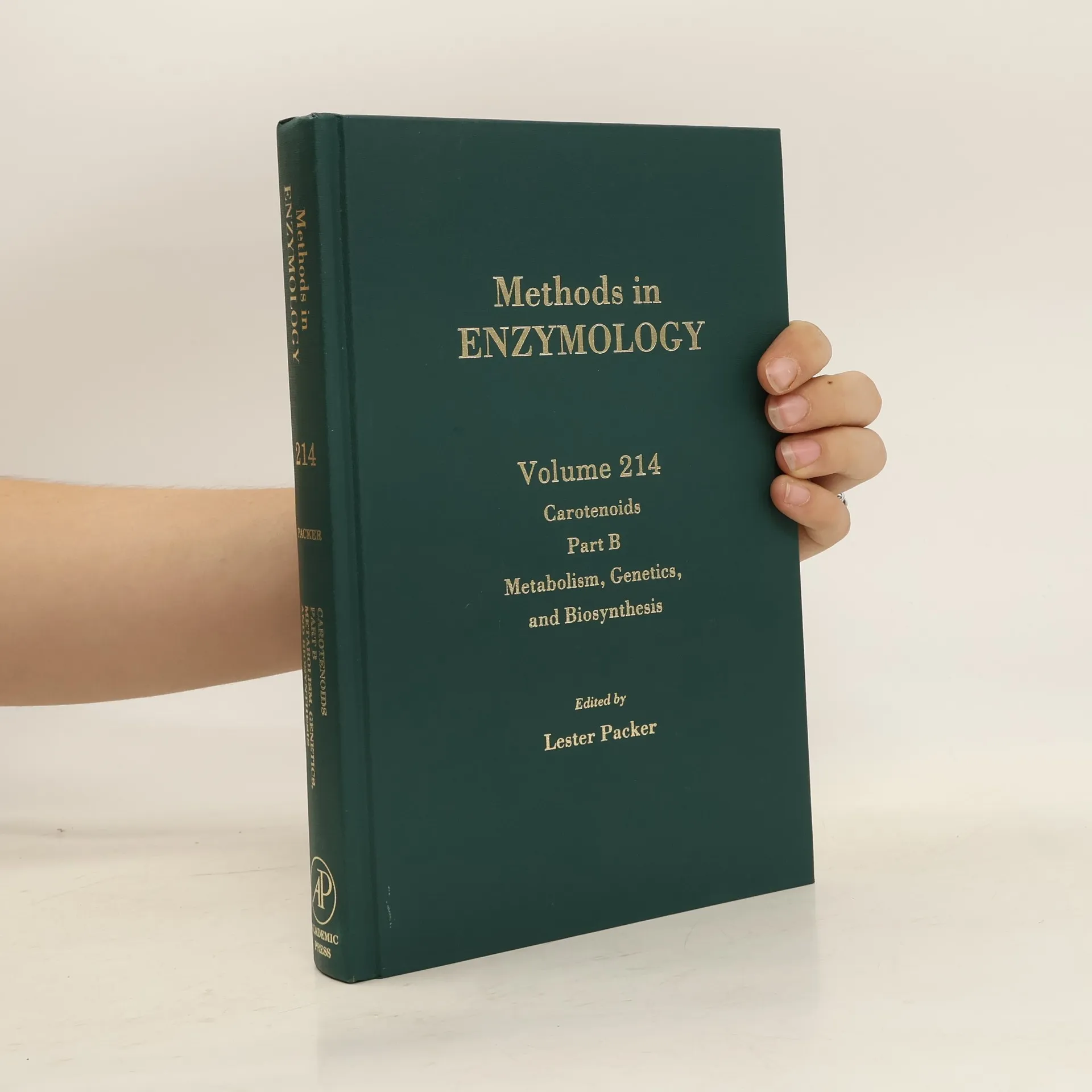
    • This volume and its companion, volume 214 of Methods in Enzymology, present a comprehensive, state-of-the-art compilation of the molecular and cellular methodology needed for pursuing research with carotenoids.

      Methods in enzymology 213. Carotenoids. Part A
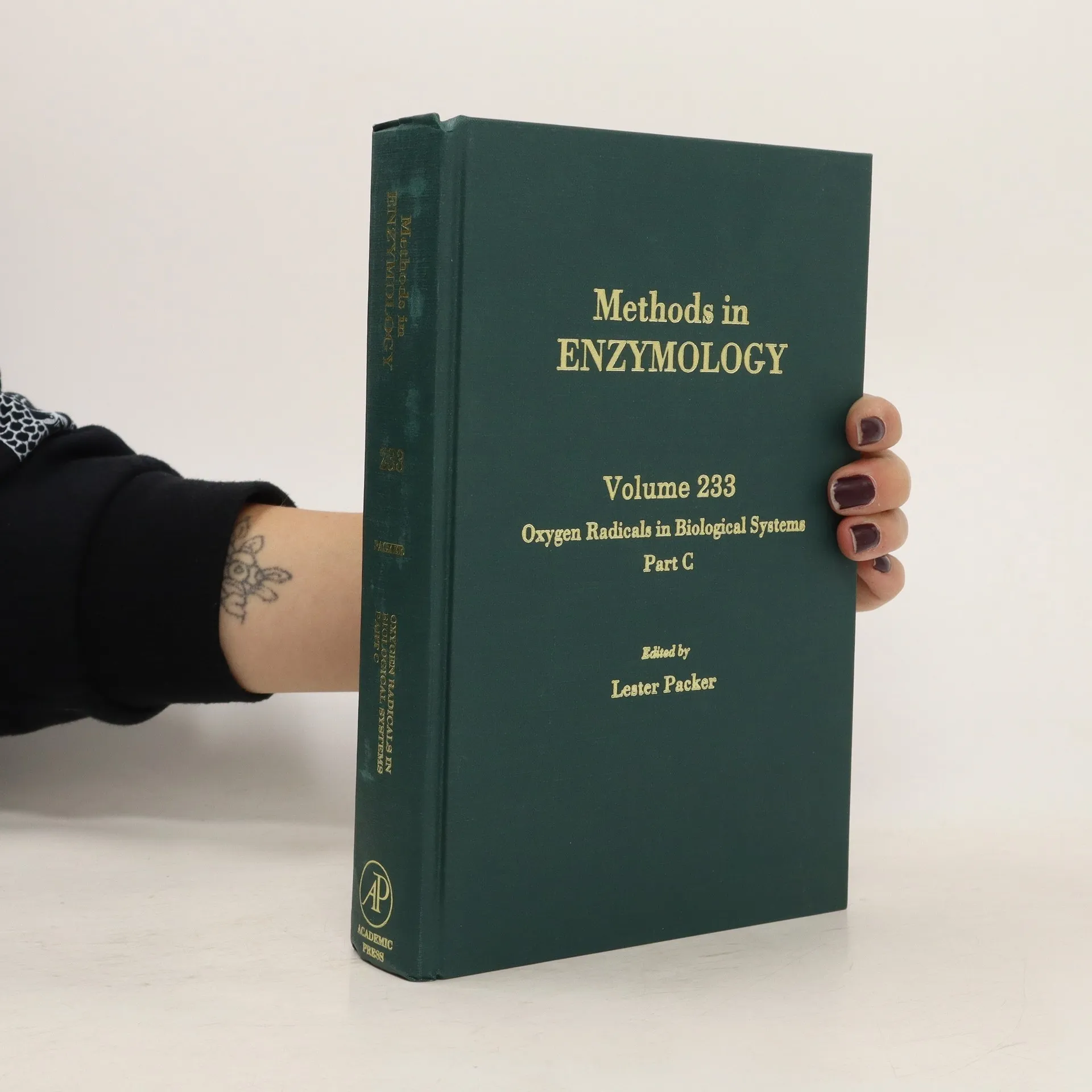
    • Since biological tissues are unstable in an oxygen atmosphere, a great deal of effort is expended by organisms to metabolically limit or repair oxidative tissue damage. This volume of Methods in Enzymology and its companion Volume 234 present methods developed to investigate the roles of oxygen radicals and antioxidants in disease. Key Features * Generation, detection, and characterization of oxygen radicals, chemistry, biochemistry, and intermediate states of reductio* Isolation, characterization, and assay of enzymes or substrates involved in formation or removal of oxygen radical * Methods for assessing molecular, cell, and tissue damage; assays and repair of oxidative damage

      Methods in Enzymology 233. Oxygen Radicals in Biological Systems. Part C
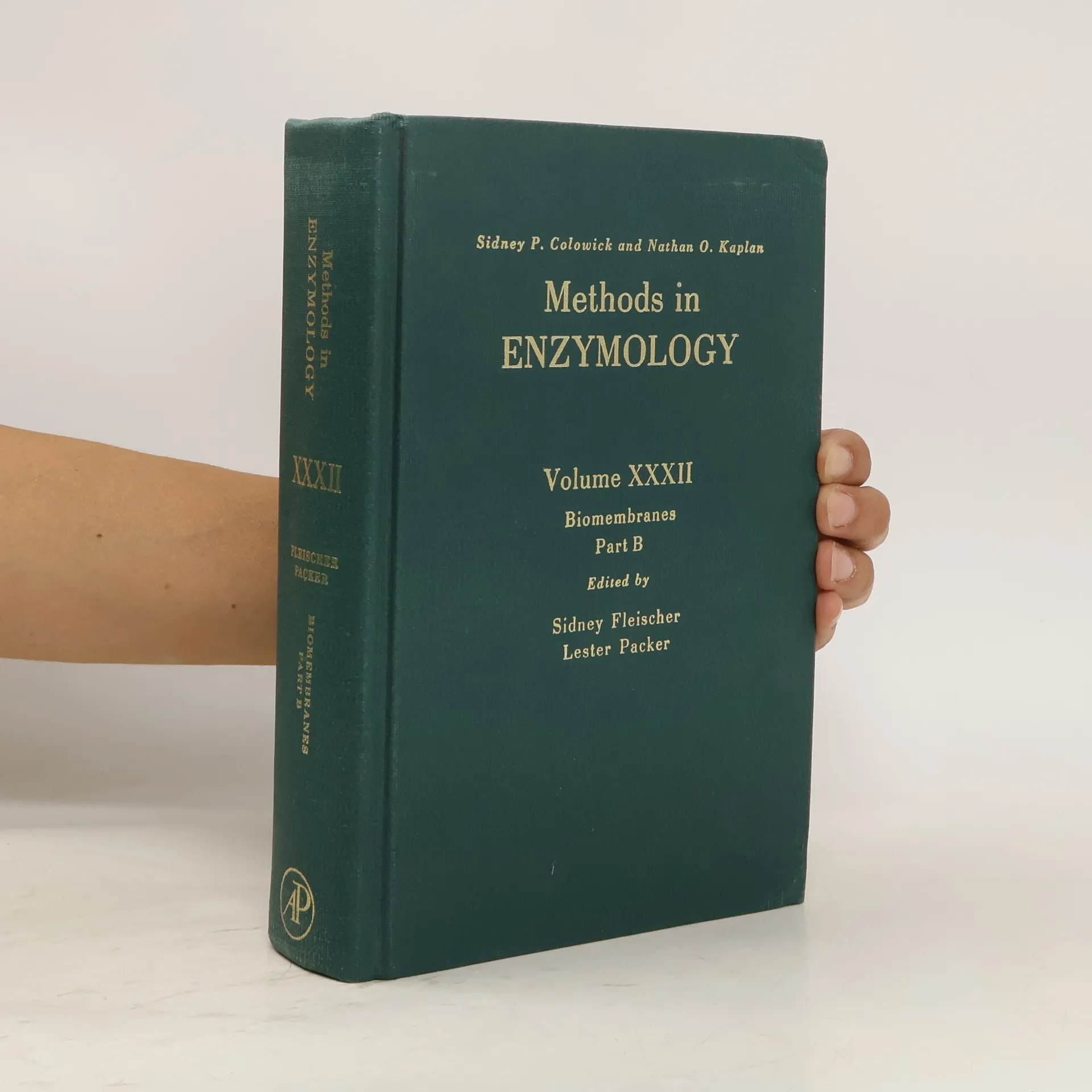
    • Characterization of membranes and membrane components; Isolation of selected membrane components; Model membranes; Isolation and culture of cells

      Methods in enzymology. Vol. 32. Biomembranes
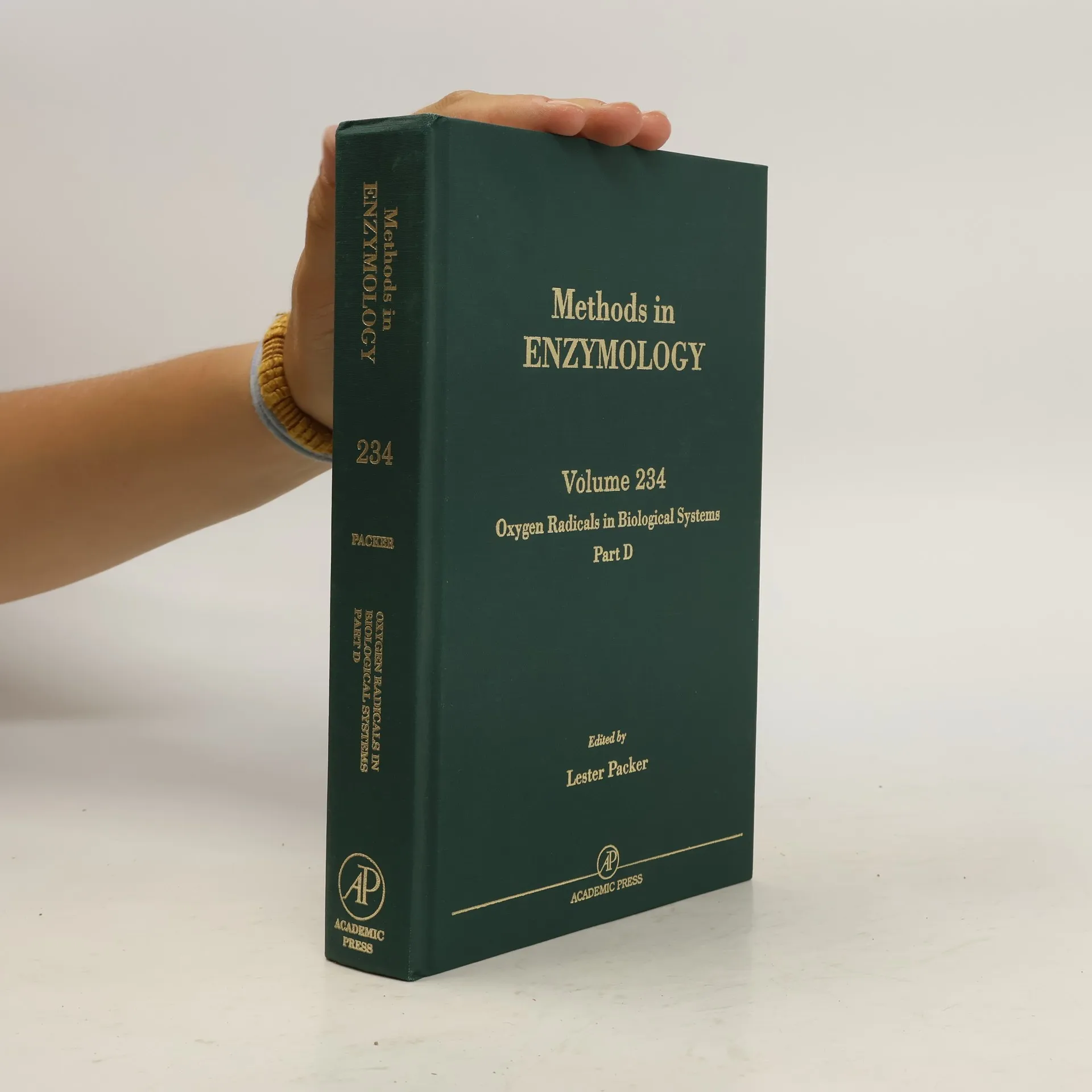
    • Methods in Enzymology 234 D

      • 704 pages
      • 25 hours of reading

      Since biological tissues are unstable in an oxygen atmosphere, a great deal of effort is expended by organisms to metabolically limit or repair oxidative tissue damage. This volume of Methods in Enzymology and its companion Volume 233 present methods developed to investigate the roles of oxygen radicals and antioxidants in disease. It includes techniques and assays of the activity of biothiols in soluble systems, their interaction with lipids and proteins, and the various new thiol enzymes, such as thioltransferases, being elucidated. Antioxidant reactions and gene regulation are also included.

      Methods in Enzymology 234 D
    • Methods in Enzymology. Volume 148

      • 762 pages
      • 27 hours of reading

      The critically acclaimed laboratory standard, Methods in Enzymology , is one of the most highly respected publications in the field of biochemistry. Since 1955, each volume has been eagerly awaited, frequently consulted, and praised by researchers and reviewers alike. The series contains much material still relevant today - truly an essential publication for researchers in all fields of life sciences.

      Methods in Enzymology. Volume 148
    • The critically acclaimed laboratory standard for more than forty years, Methods in Enzymology is one of the most highly respected publications in the field of biochemistry. Since 1955, each volume has been eagerly awaited, frequently consulted, and praised by researchers and reviewers alike. Now with more than 300 volumes (all of them still in print), the series contains much material still relevant today—truly an essential publication for researchers in all fields of life sciences.

      Methods in Enzymology. Volume 349 Superoxide Dismutase
    • The critically acclaimed laboratory standard, Methods in Enzymology, is one of the most highly respected publications in the field of biochemistry. Since 1955, each volume has been eagerly awaited, frequently consulted, and praised by researchers and reviewers alike. The series contains much material still relevant today--truly an essential publication for researchers in all fields of life sciences.

      Methods in Enzymology. Volume 214 Carotenoids
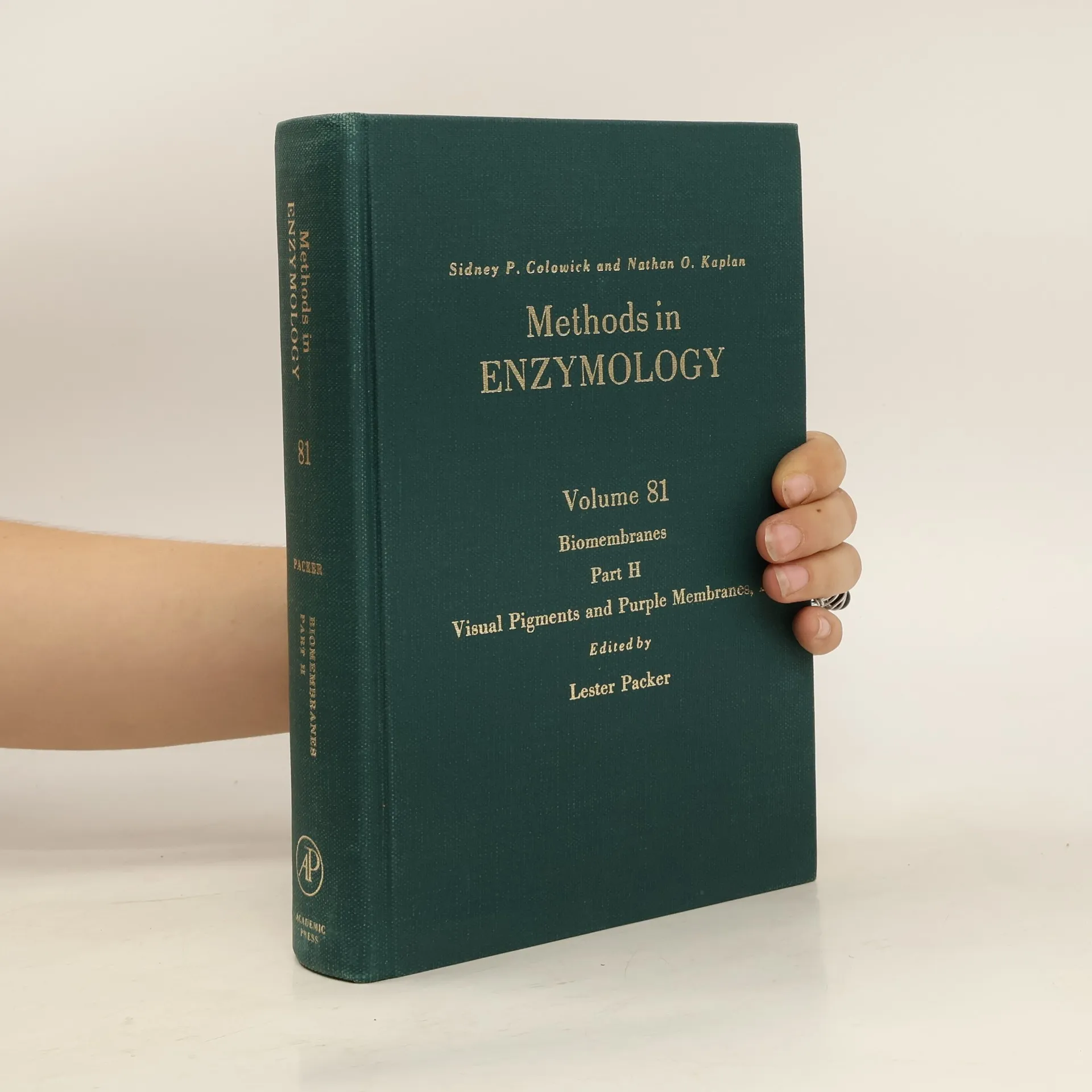
    • The critically acclaimed laboratory standard, Methods in Enzymology, is one of the most highly respected publications in the field of biochemistry. Since 1955, each volume has been eagerly awaited, frequently consulted, and praised by researchers and reviewers alike. The series contains much material still relevant today - truly an essential publication for researchers in all fields of life sciences.

      Methods in Enzymology. Volume 81 Biomembranes
    • Methods in Enzymology 335

      • 512 pages
      • 18 hours of reading

      The critically acclaimed laboratory standard for more than forty years, Methods in Enzymology is one of the most highly respected publications in the field of biochemistry. Since 1955, each volume has been eagerly awaited, frequently consulted, and praised by researchers and reviewers alike. Now with more than 300 volumes (all of them still in print), the series contains much material still relevant today-truly an essential publication for researchers in all fields of life sciences.This volume presents an extensive collection of new methodologies to aid progress in solving unanswered questions concerning the bioavailability and metabolism of flavonoids and polyphenols, their biochemical and molecular biological effects on cell regulation, and their effects on health. Major topics in this volume include sources, characterization, analytical methods, bioavailability, antioxidant action, and biological activity.

      Methods in Enzymology 335
    • Methods in Enzymology I.

      • 864 pages
      • 31 hours of reading

      The critically acclaimed laboratory standard, Methods in Enzymology, is one of the most highly respected publications in the field of biochemistry. Since 1955, each volume has been eagerly awaited, frequently consulted, and praised by researchers and reviewers alike. The series contains much material still relevant today - truly an essential publication for researchers in all fields of life sciences.

      Methods in Enzymology I.
    • Nitric oxide impinges on a wide range of fields in biological research, particularly in the areas of biomedicine and cell and organismal biology, as well as in fundamental chemistry. This volume presents methods used to research the physiology and toxicity of nitric oxide in cellular and organismal systems.

      Methods in enzymology. vol. 269, part B, Nitric oxide
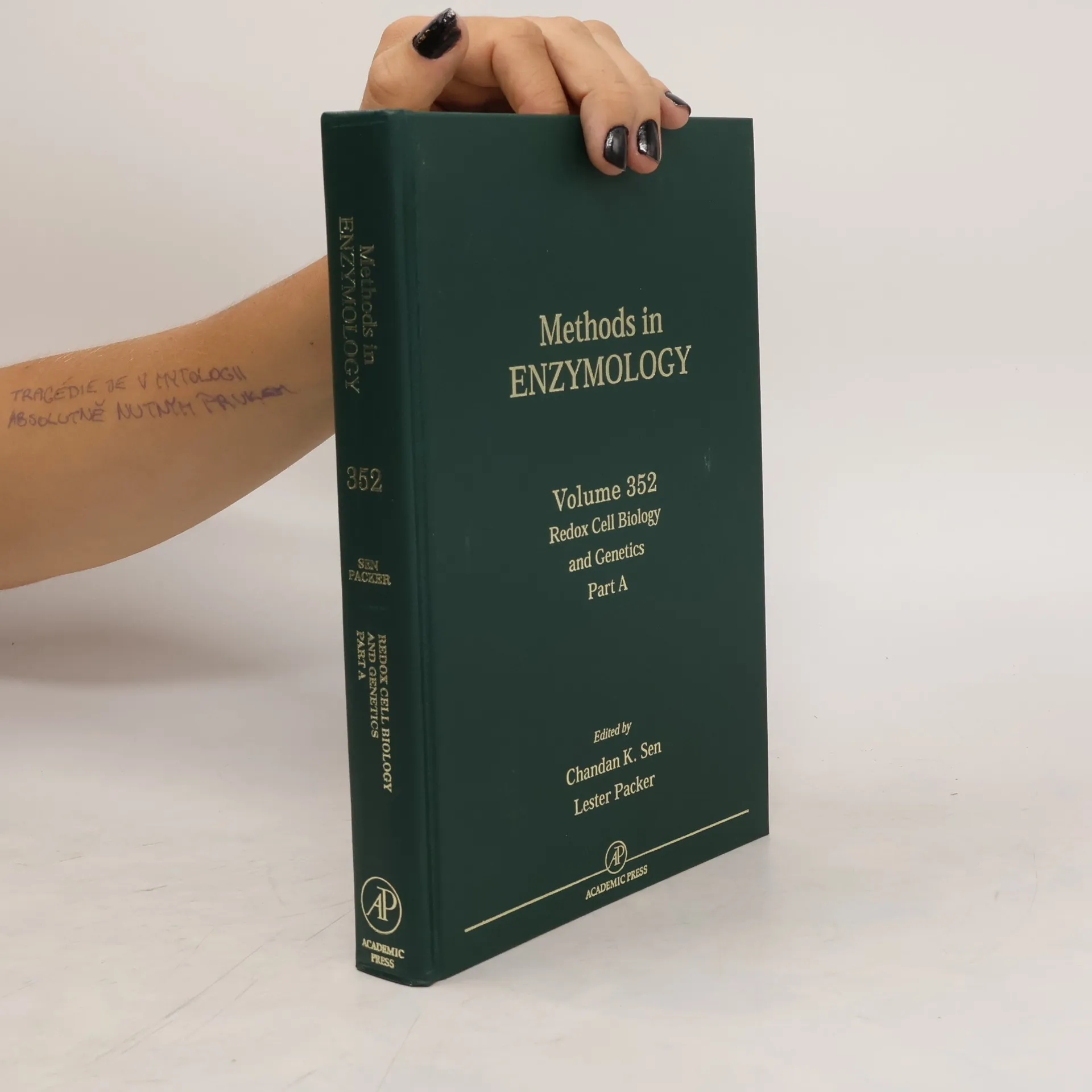
    • The critically acclaimed laboratory standard for more than forty years, Methods in Enzymology is one of the most highly respected publications in the field of biochemistry. Since 1955, each volume has been eagerly awaited, frequently consulted, and praised by researchers and reviewers alike. Now with more than 300 volumes (all of them still in print), the series contains much material still relevant today—truly an essential publication for researchers in all fields of life sciences. Key Features * Cellular Responses * Tissues and Organs

      Methods in Enzymology. Redox cell biology and genetics. Part A
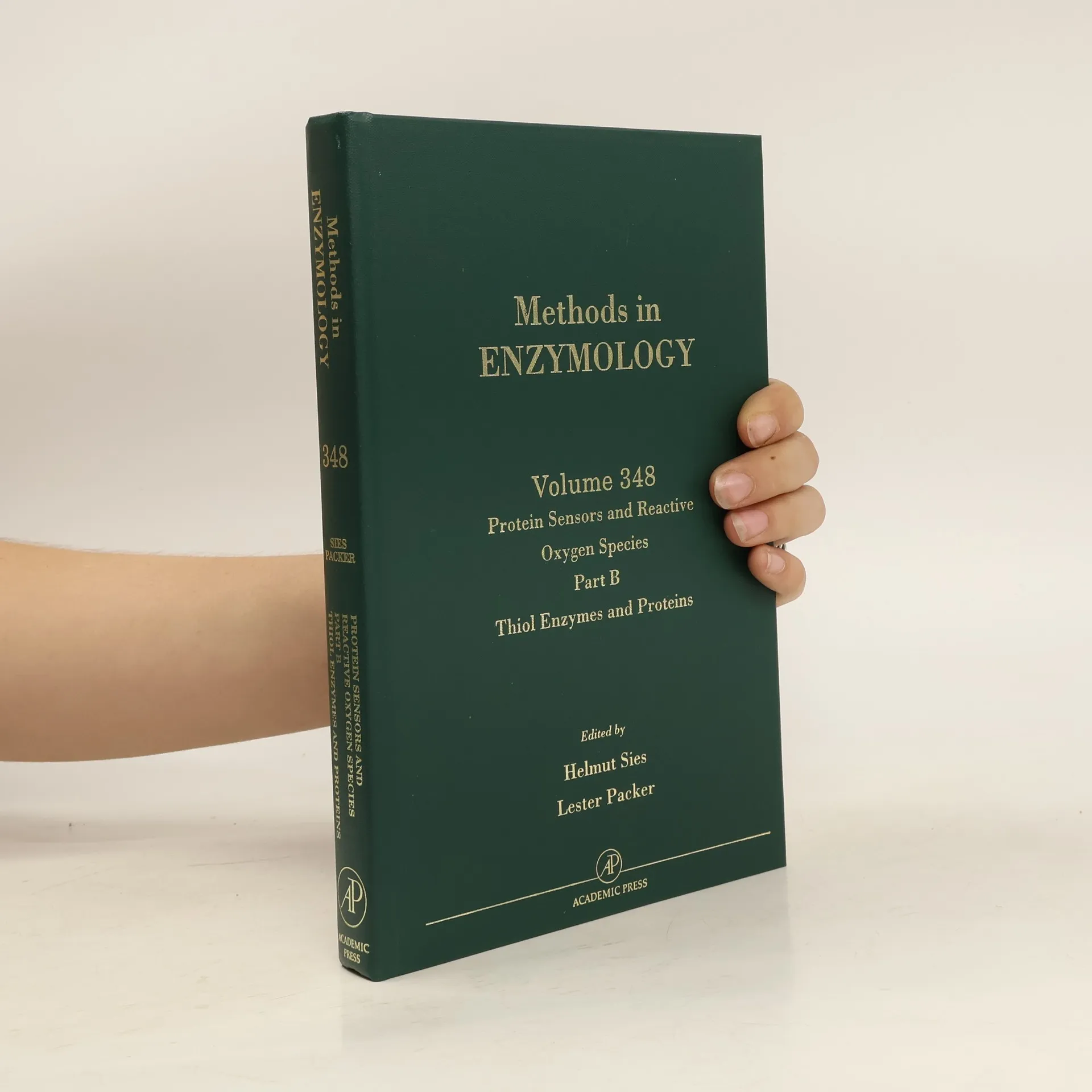
    • This volume of Methods in Enzymology is concerned with the rapidly developing field of selenoprotein synthesis and its related molecular genetics. Progressive information on the topics of proteins as redox sensors, selenoproteins, and the thioredoxin system is studied using methods such as bioinformatics, DNA chip technology, cell biology, molecular genetics, and enzymology. The information on novel selenoproteins identified from genomic sequence data, as well as current knowledge on glutathione peroxidases, selenoprotein P, iodothyronine deiodinases, and thioredoxin reductases, is presented in a method-based approach.

      Methods in Enzymology. Protein Sensors and Reactive Oxygen species. Part A, Selenoproteins and thioredoxin
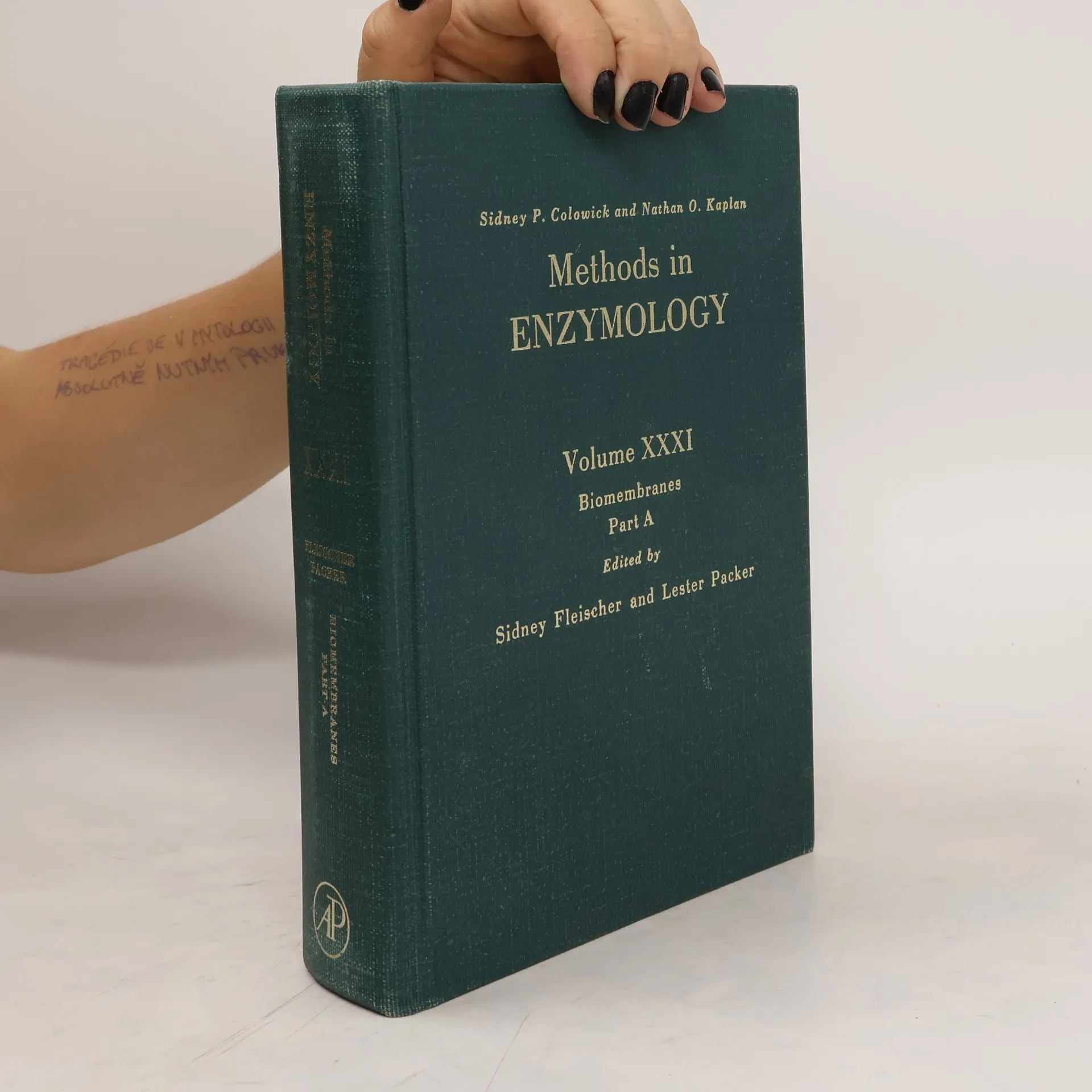
    • The critically acclaimed laboratory standard, Methods in Enzymology, is one of the most highly respected publications in the field of biochemistry. Since 1955, each volume has been eagerly awaited, frequently consulted, and praised by researchers and reviewers alike. The series contains much material still relevant today - truly an essential publication for researchers in all fields of life sciences.

      Methods in enzymology. Biomembranes
    • The critically acclaimed laboratory standard for more than forty years, Methods in Enzymology is one of the most highly respected publications in the field of biochemistry. Since 1955, each volume has been eagerly awaited, frequently consulted, and praised by researchers and reviewers alike. Now with more than 300 volumes (all of them still in print), the series contains much material still relevant today-truly an essential publication for researchers in all fields of life sciences. Protein Structure and Function Nucleic Acids and Genes

      Methods in Enzymology. Redox cell biology and genetics. Part B