


Explore the latest books of this year!
Bookbot

Averil Cameron

    This author delves into the history of Late Antiquity and the Byzantine Empire. Her work focuses on a deep understanding of this crucial transitional period in history. She examines the political, social, and cultural aspects that shaped the world. Her analyses offer a fresh perspective on the complex processes of this era.

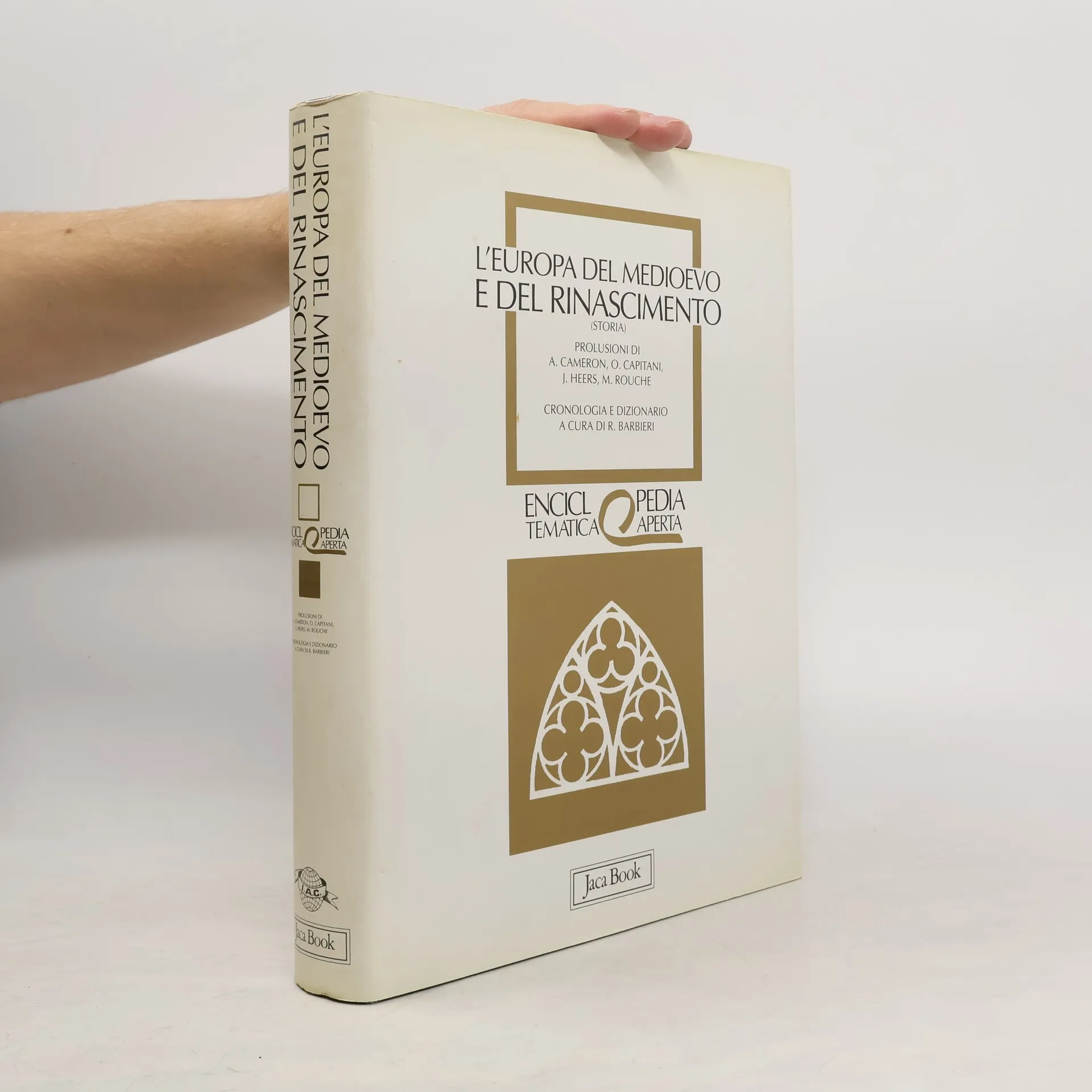
    Enciclopedia Tematica Aperta: L'Europa del Medioevo e del Rinascimento
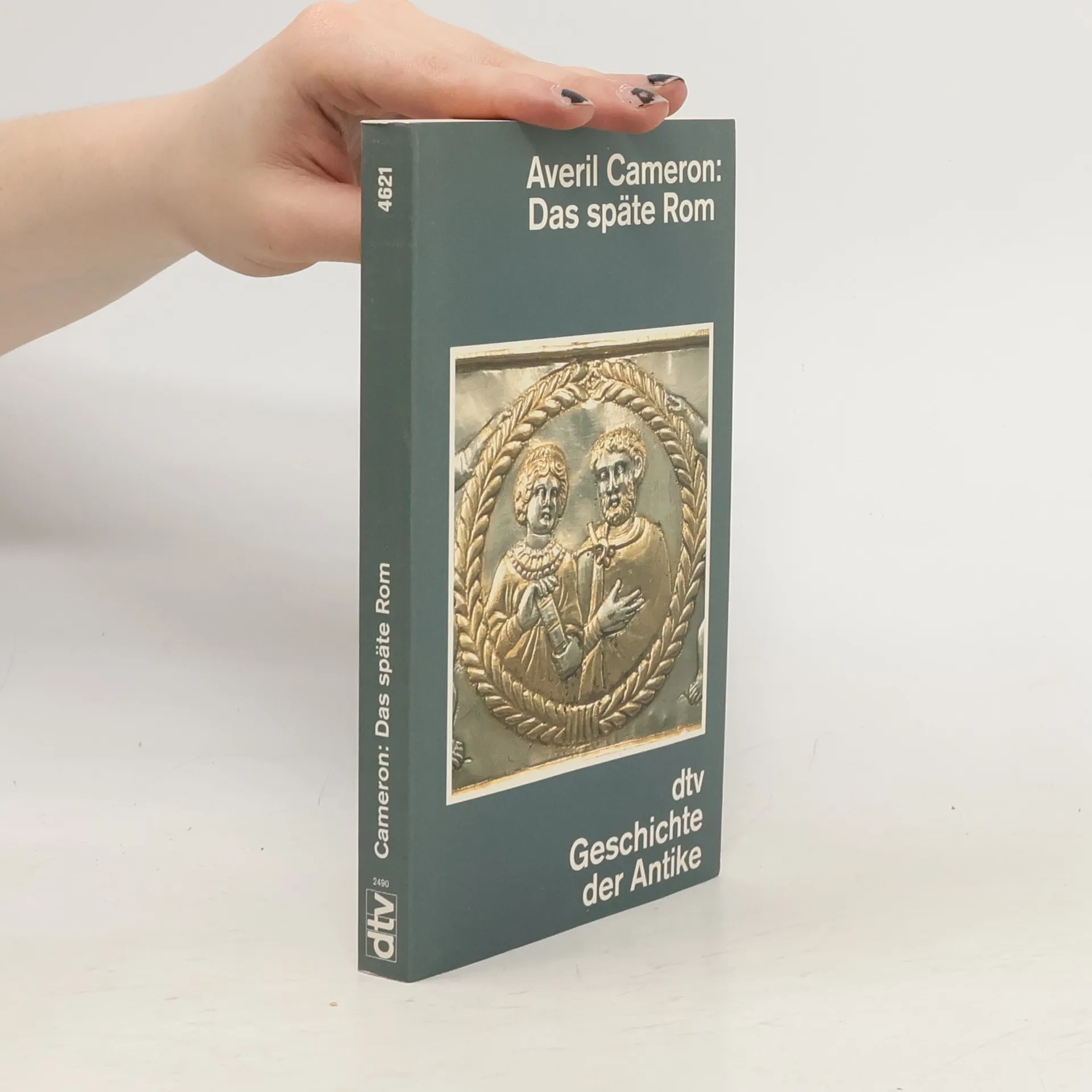
    Das späte Rom
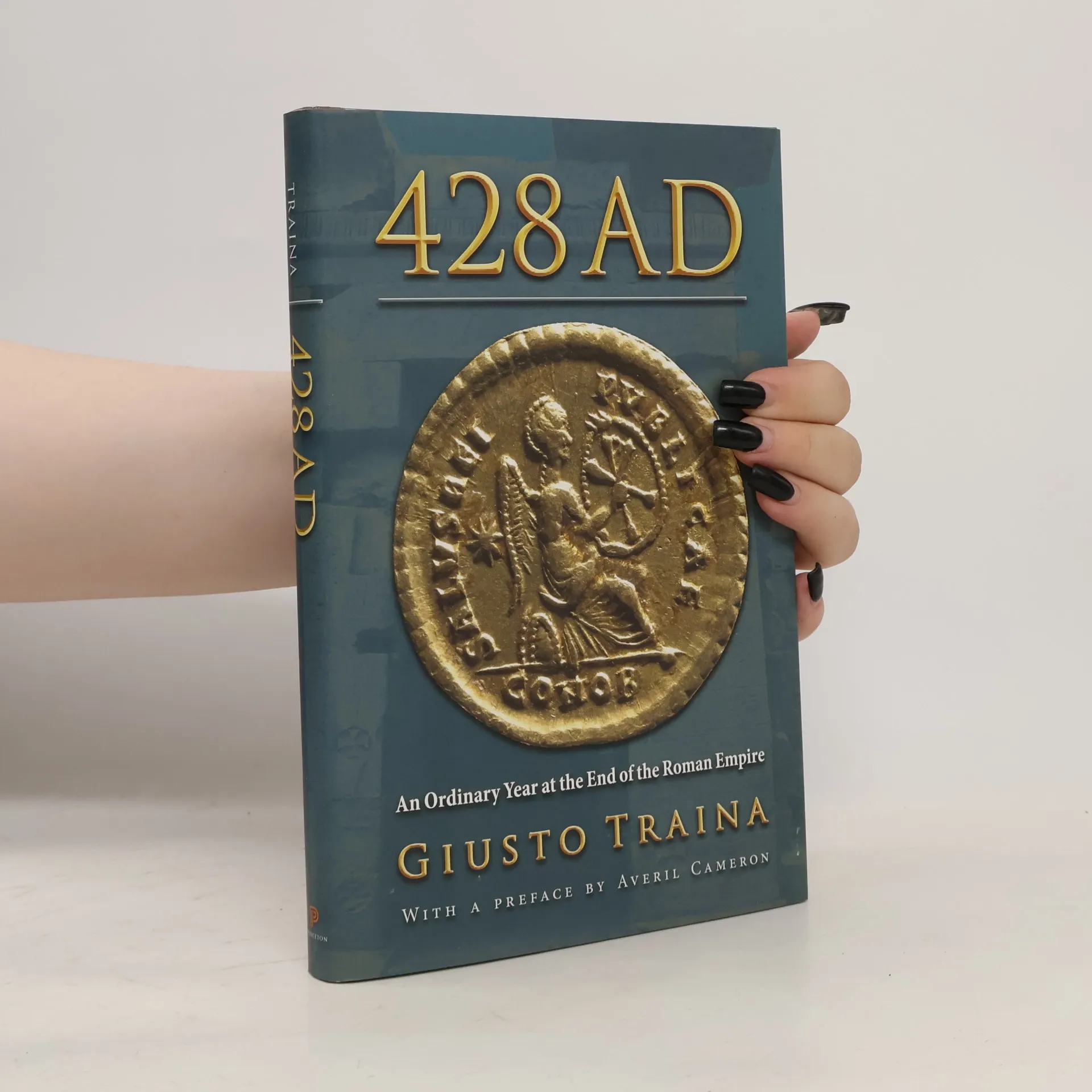
    428 AD
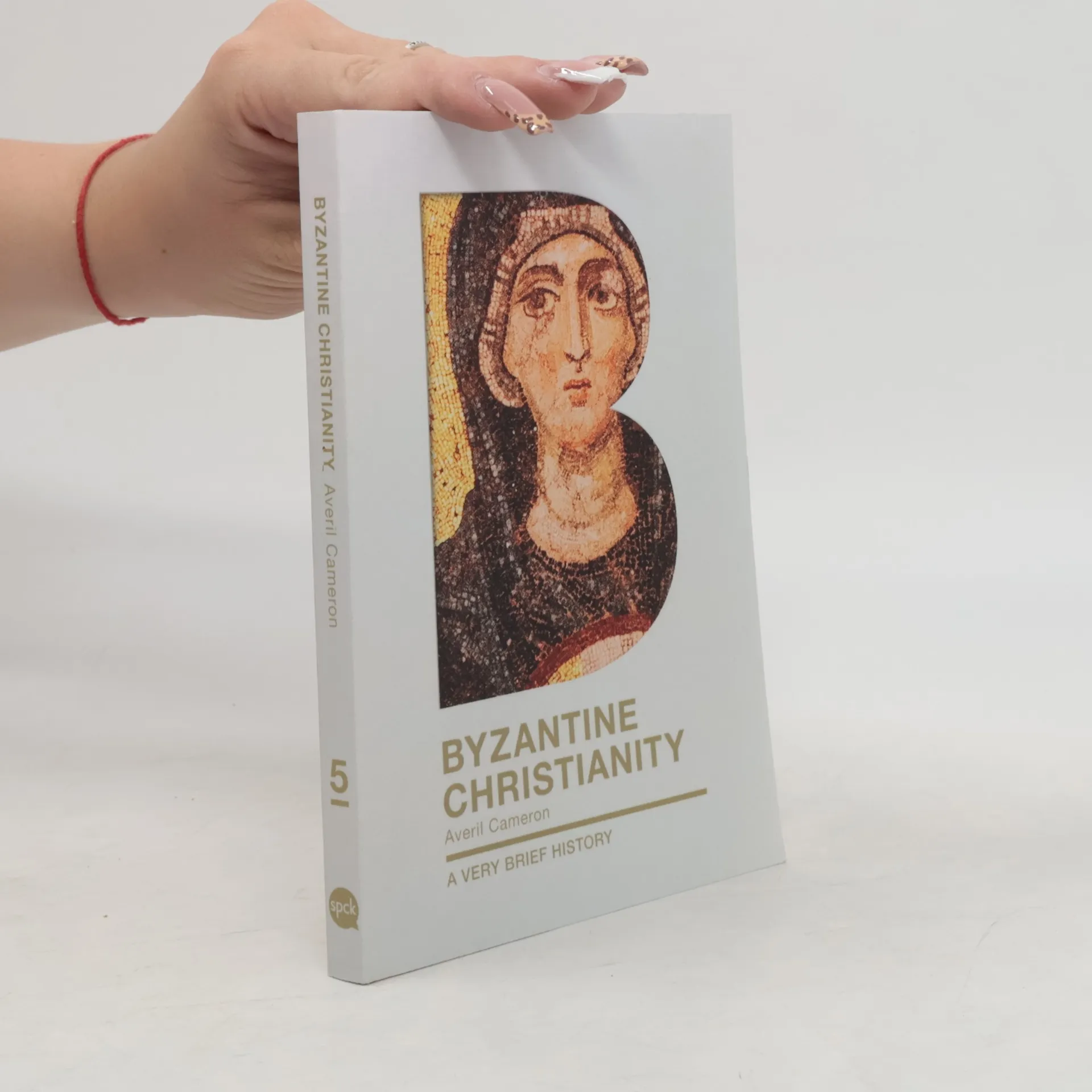
    Byzantine Christianity 5
    The Byzantines
    • Byzantine Christianity 5

      A Very Brief History

      From the foundation of Constantinople in 330 to its fall in 1453, this brief history explores the key components of Byzantine Christianity, including the development of monasticism, icons and iconoclasm, the role of the emperor in relation to church councils and beliefs, the difficult relationship with the papacy and the impact of the Crusades. The book also considers Byzantine Christianity as a living force today: the variety and vitality of Orthodox churches, the role of the Church in Russia and the enduring relevance of a spirituality derived from the Church Fathers.
      Byzantine Christianity 52017
    • 428 AD

      An Ordinary Year at the End of the Roman Empire - With a Preface by Averil Cameron

      • 232 pages
      • 9 hours of reading

      This sweeping tour of the Mediterranean world during the last half-century of the Roman Empire offers a fresh perspective on a civilization undergoing significant transformation. By focusing on the year 428 AD, the narrative captures a time when Christianity is gaining traction in rural areas, western Roman provinces are drifting from the Byzantine east, and power is shifting from Rome to Constantinople. Giusto Traina takes readers on a journey through the region, showcasing the diverse peoples, places, and events that characterize this fraying world on the brink of the medieval era. Key figures emerge, including the Roman general Flavius Dionysius, who meets a Persian delegation after Armenia's annexation; the Christian ascetic Simeon Stylites, preaching atop his column near Antioch; and eastern Roman emperor Theodosius II, preparing his legal code. The narrative also introduces Pulcheria, Theodosius's powerful sister; Galla Placidia, queen mother of the western empire; Augustine; Pope Celestine I; and the young emperor Valentinian III. Rich in detail, this account illustrates the uneven march of history, highlighting the contrasts between a disintegrating west and a resilient east, the spread of Christianity alongside enduring pagan traditions, and Rome's continued influence over the diverse Mediterranean peoples.

      428 AD2009
    • The Byzantines

      • 275 pages
      • 10 hours of reading

      This volume brings Byzantium - often misconstrued as a vanished successor to the classical world - to the forefront of European history Focuses on the identity, ethnicity, and culture of the Byzantine people Deconstructs stereotypes surrounding Byzantium Beautifully illustrated with photographs and maps.

      The Byzantines2009
      4.2