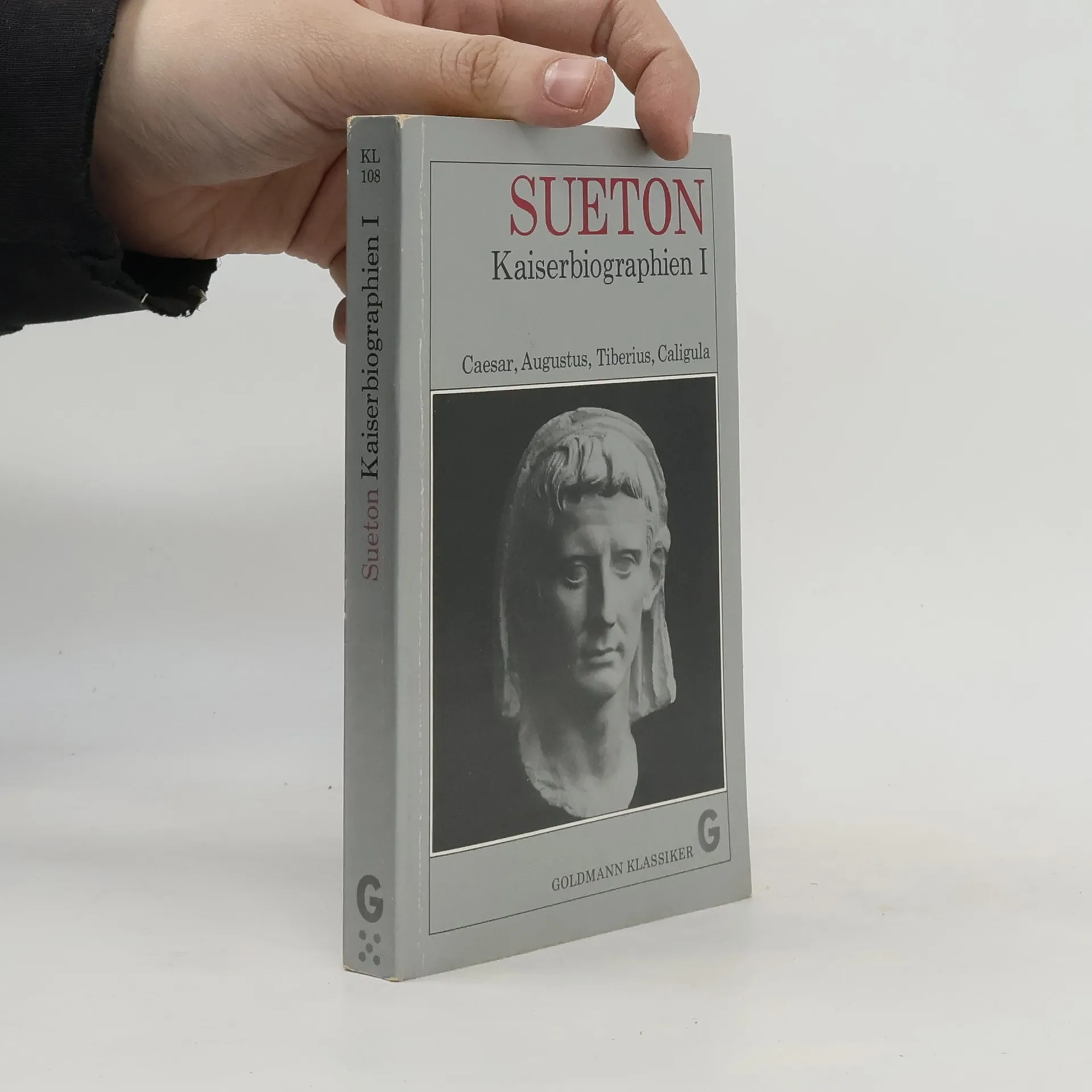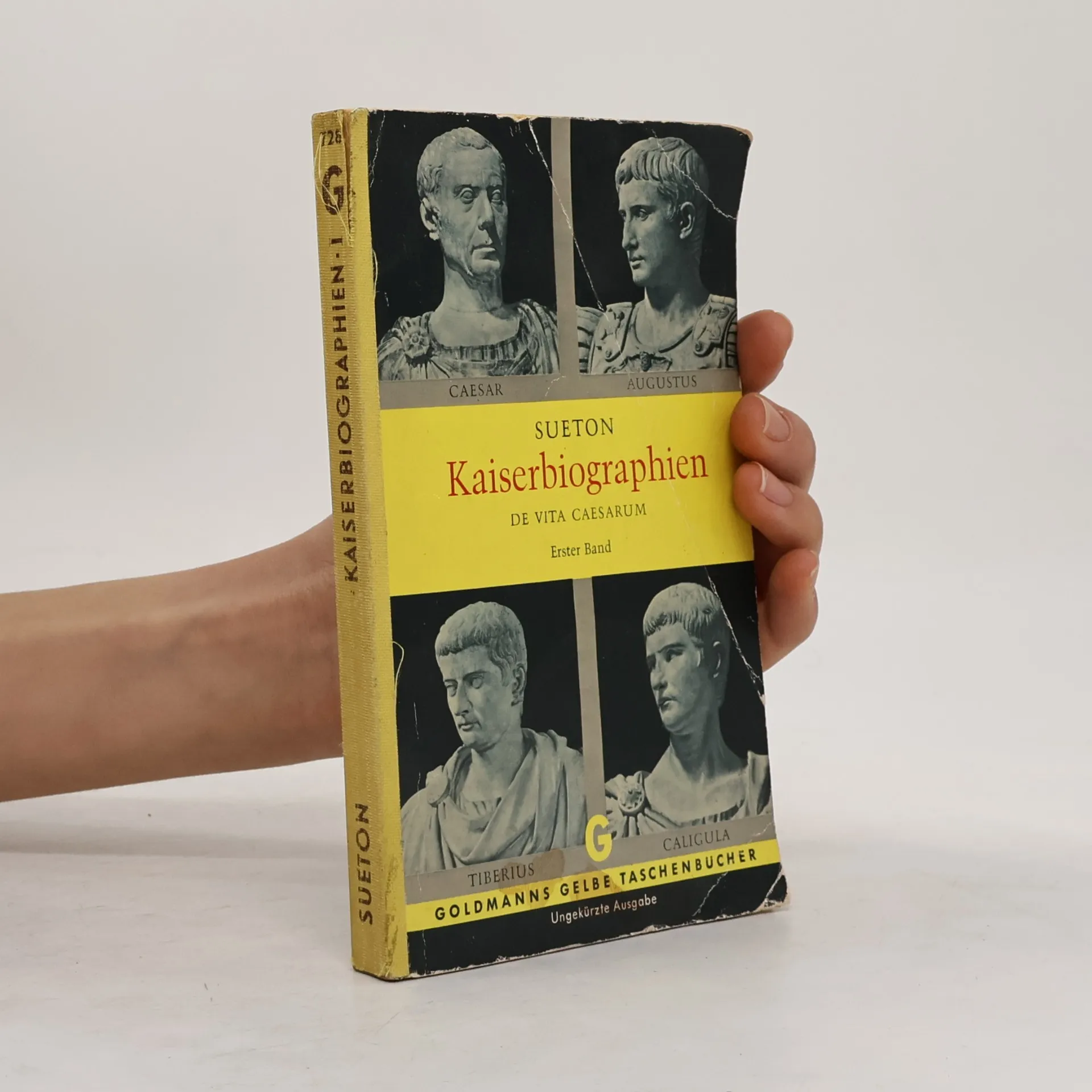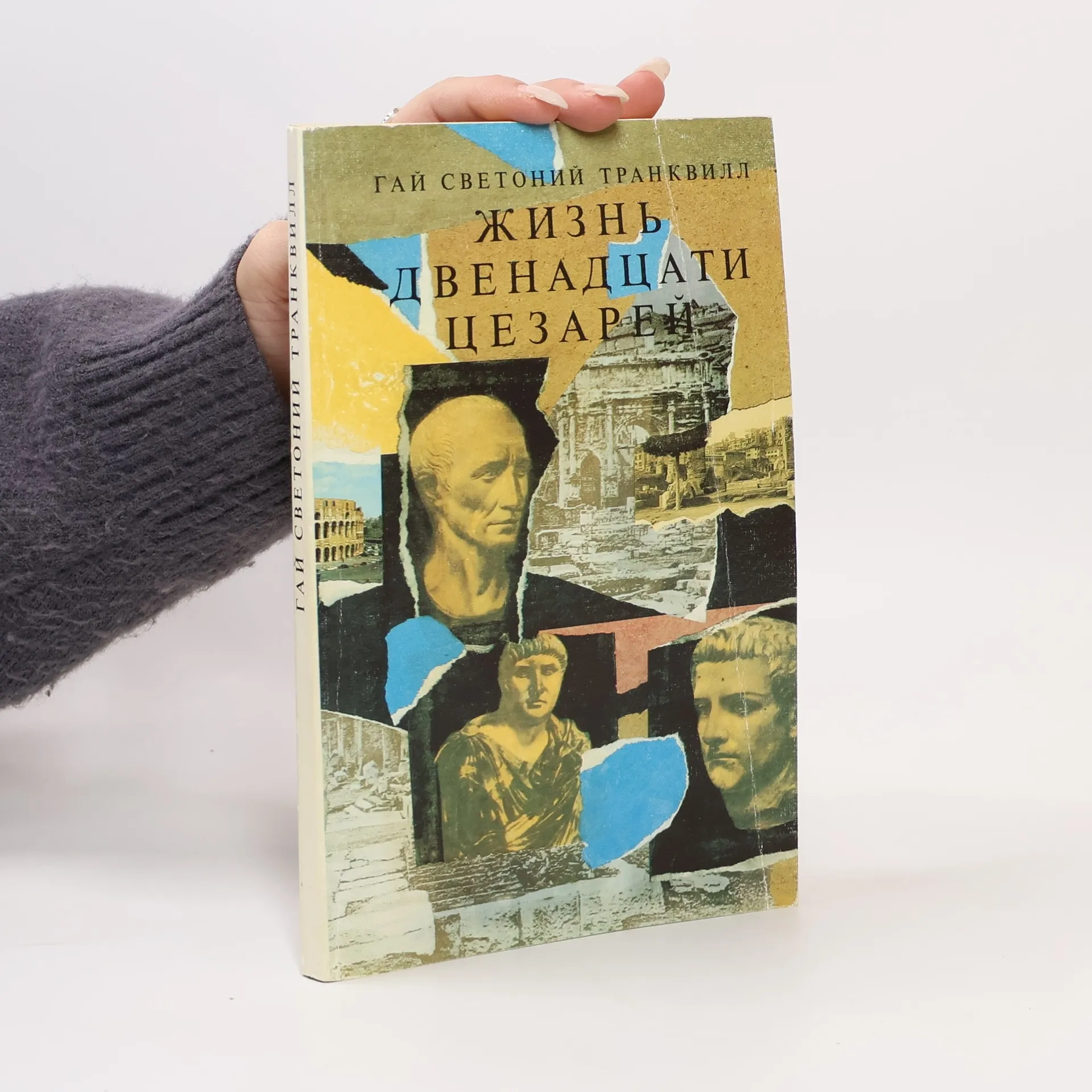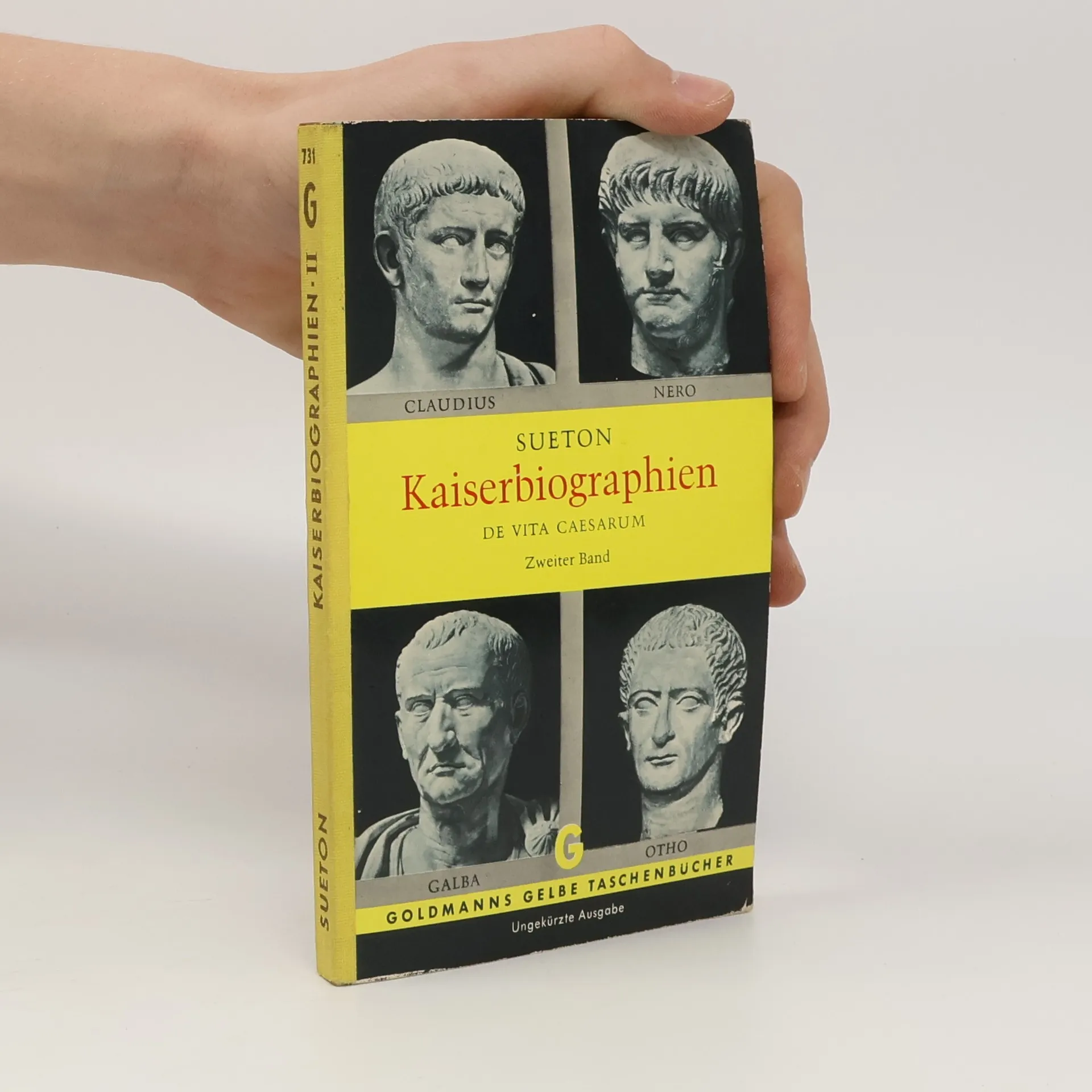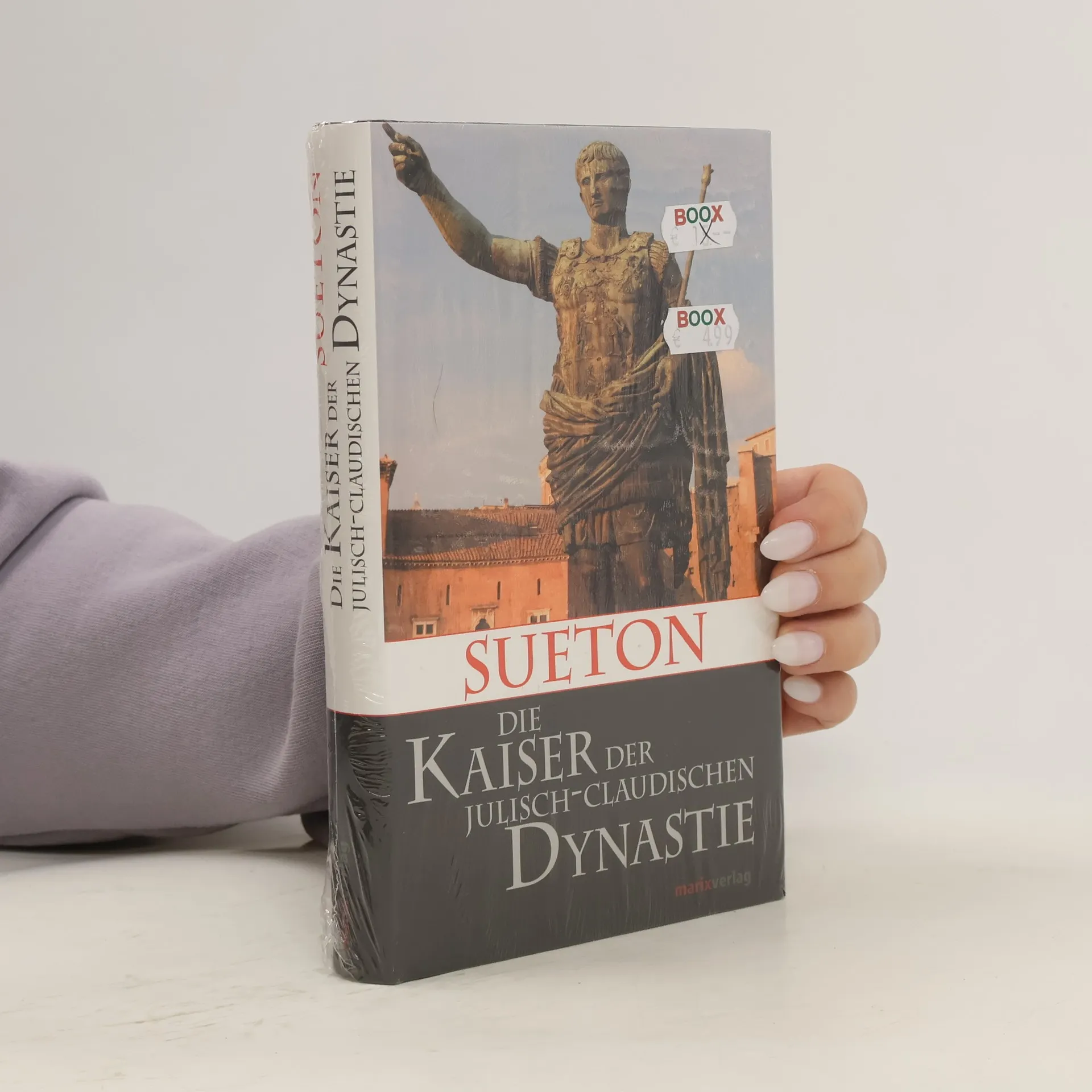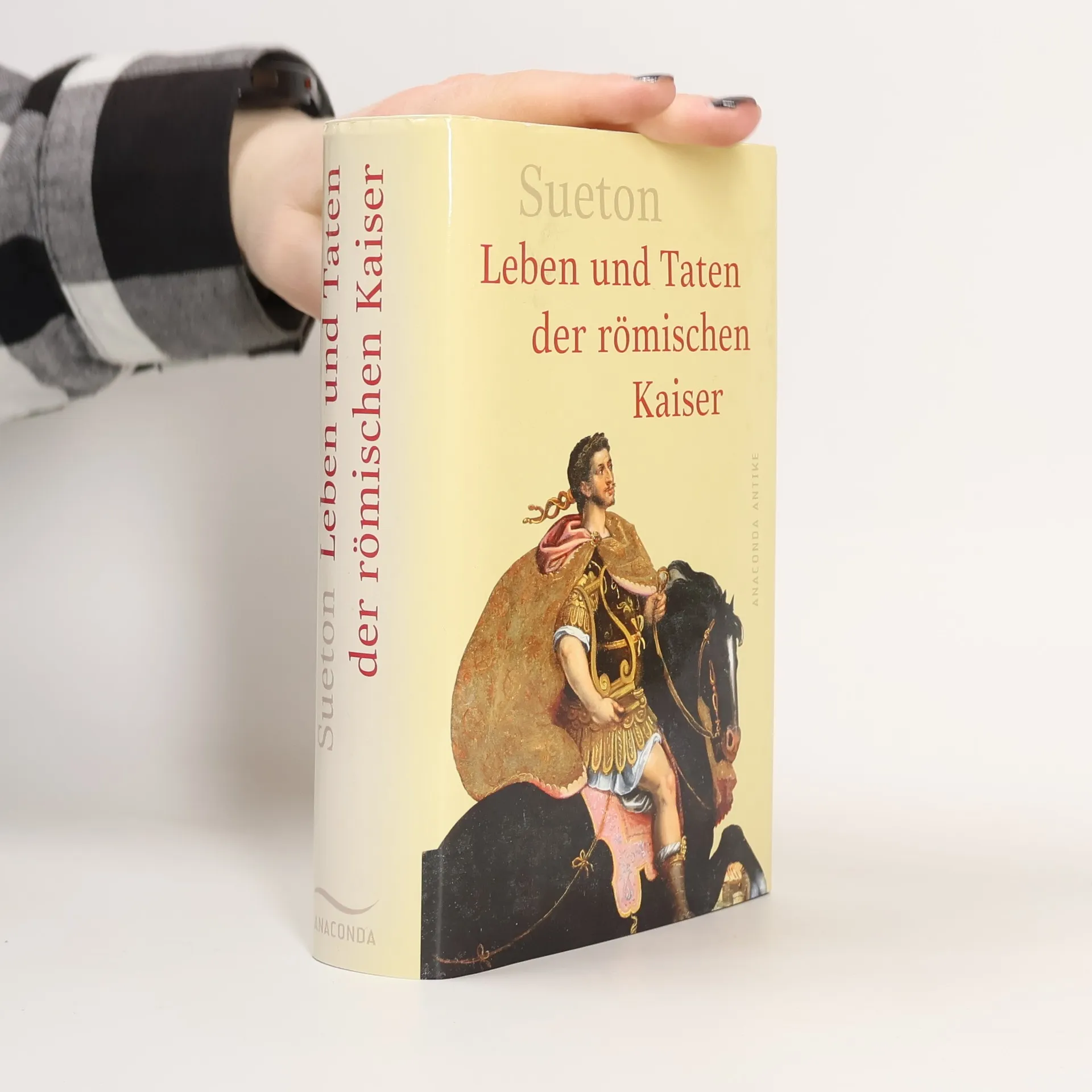

Explore the latest books of this year!
Bookbot

Gaius Suetonius Tranquillus

    Suetonius was a Roman historian whose most significant surviving work is a collection of biographies of twelve Roman rulers, from Julius Caesar to Domitian. His writing focuses on detailed portraits of leaders, revealing their personal characteristics and the actions that shaped the Roman Empire. Beyond the biographies of emperors, Suetonius also explored themes such as daily life in Rome, politics, and the lives of famous writers, offering valuable insights into Roman society and culture.

    Gaius Suetonius Tranquillus
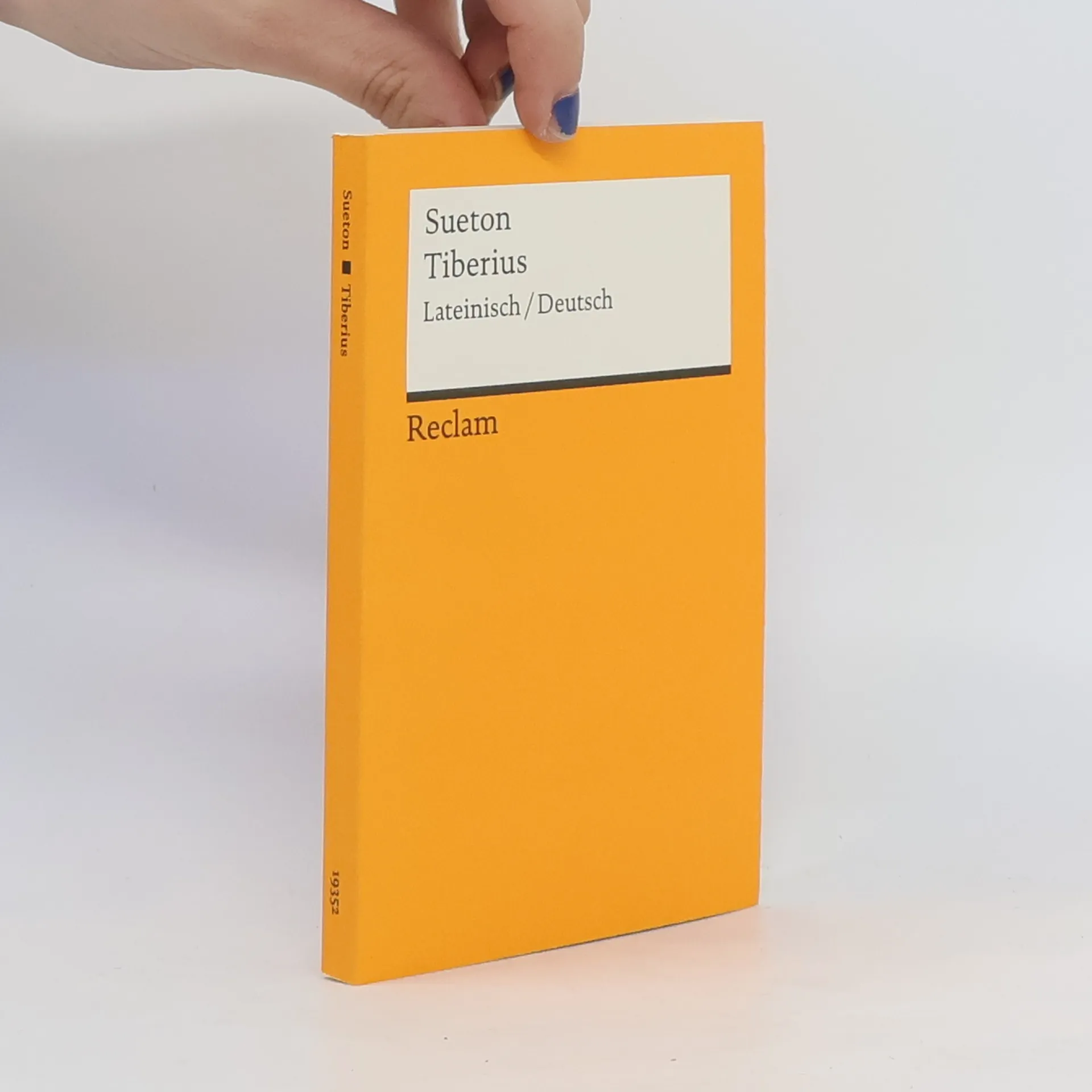
    Tiberius
    The Lives of the Twelve Caesars, Volume 03
    The Lives of the Twelve Caesars, Volume 12
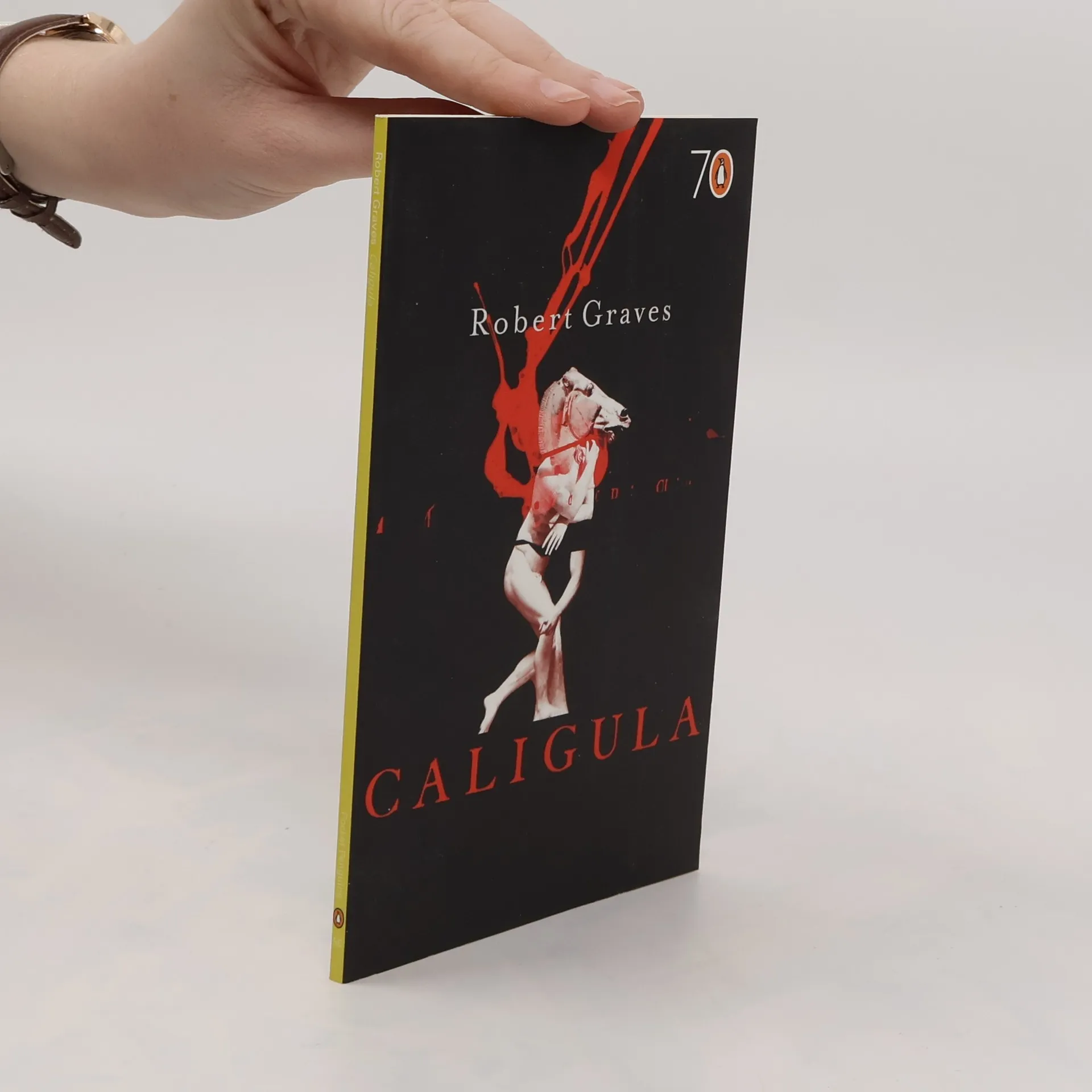
    Caligula
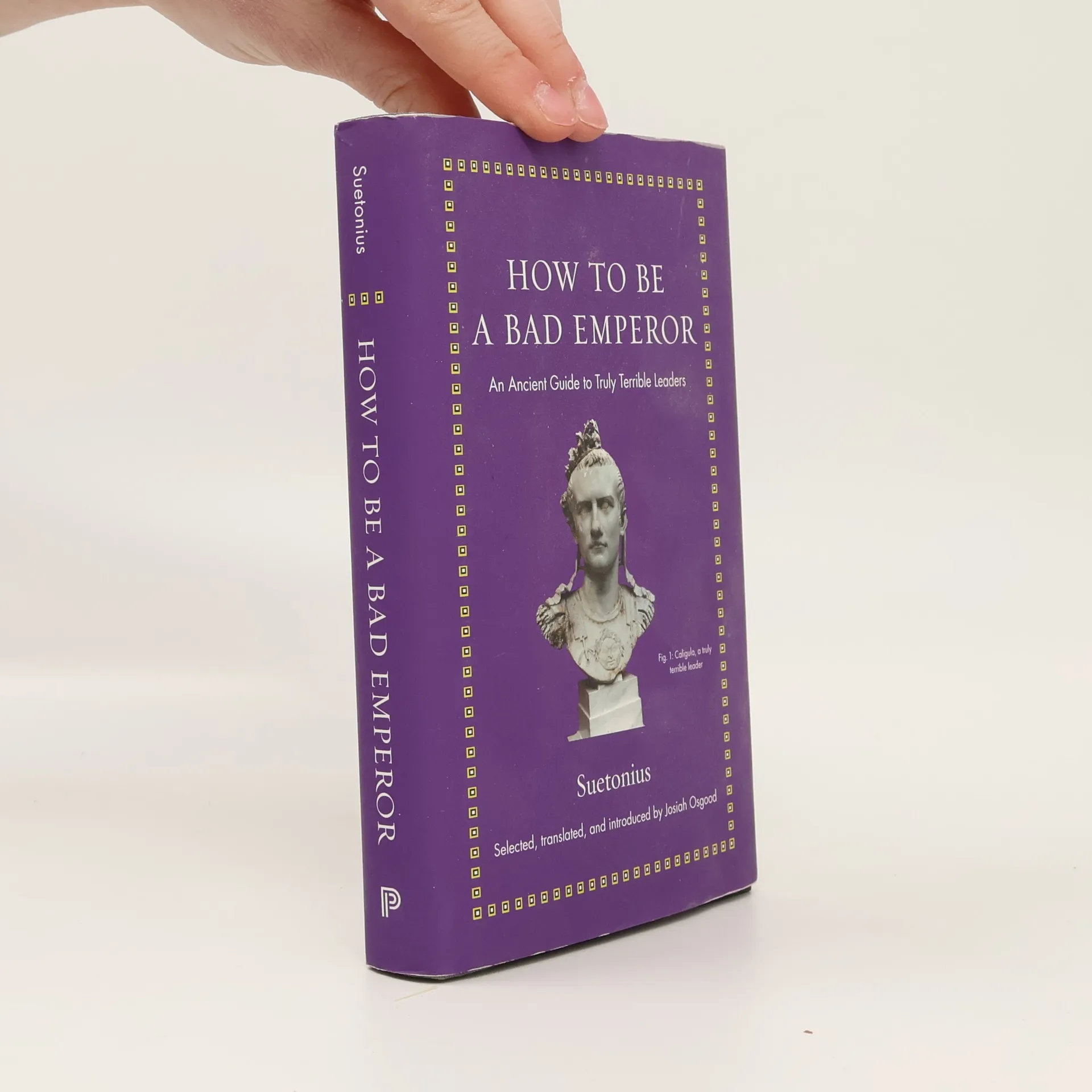
    How to Be a Bad Emperor
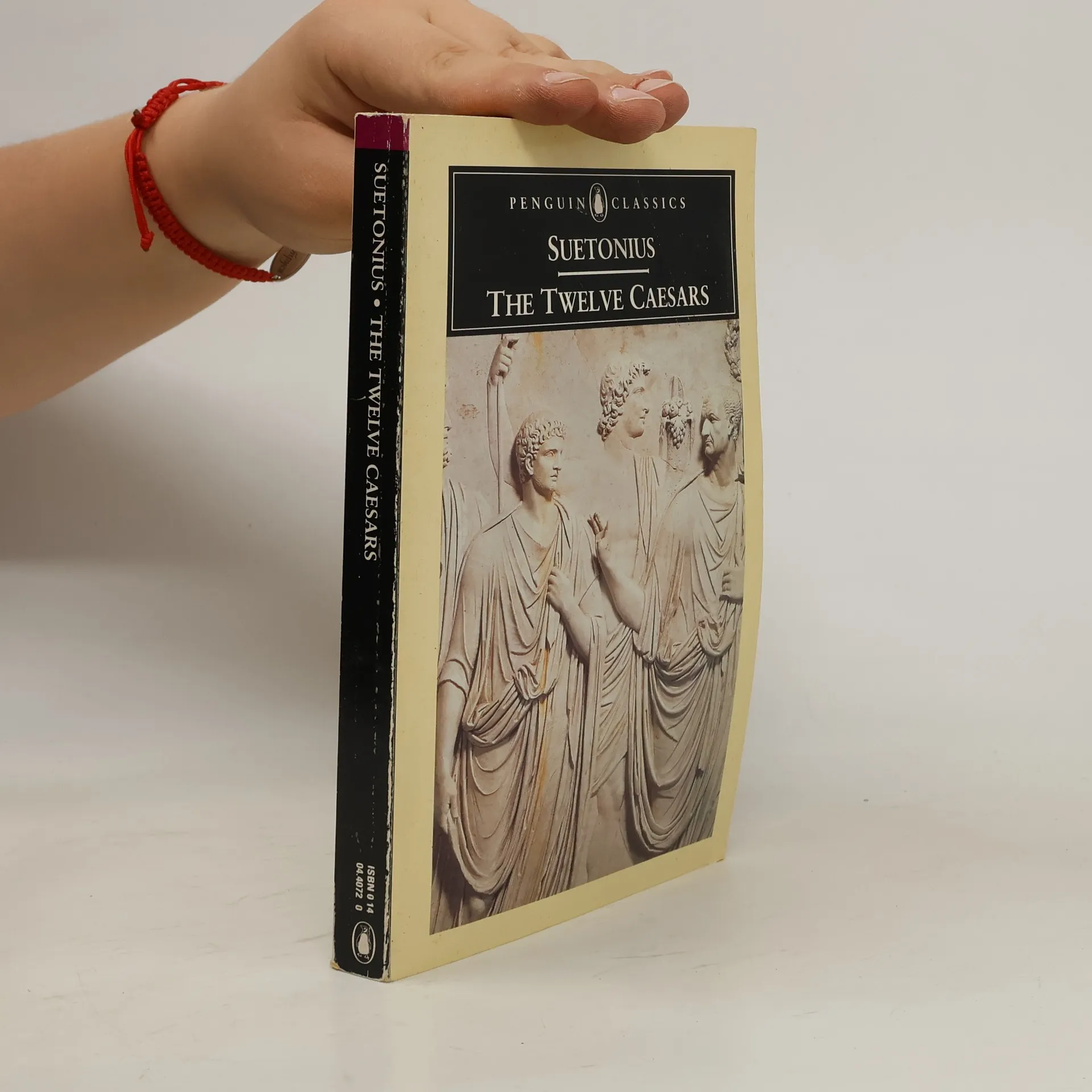
    The Twelve Caesars
    • The Twelve Caesars

      • 368 pages
      • 13 hours of reading

      An essential primary source on Roman history, Suetonius' The Twelve Caesars is a fascinating achievement of scholarship covering a critical period in the Empire. This Folio edition is translated from the Latin by Robert Graves, author of I, Claudius. As private secretary to the Emperor Hadrian, the scholar Suetonius had access to the imperial archives and used them (along with eyewitness accounts) to produce one of the most colourful biographical works in history. The Twelve Caesars chronicles the public careers and private lives of the men who wielded absolute power over Rome, from the foundation of the empire under Julius Caesar and Augustus, to the decline into depravity and civil war under Nero and the recovery that came with his successors. A masterpiece of observation, anecdote and detailed physical description, The Twelve Caesars presents us with a gallery of vividly drawn - and all too human - individuals.
      The Twelve Caesars
      4.0
    • How to Be a Bad Emperor

      • 312 pages
      • 11 hours of reading

      But other emperors, such as Tiberius, Caligula, and Nero, infamously used their power to indulge vice and harm others. Ever since their publication, Suetonius' imperial biographies have appealed to readers, both because of their sensational stories and the larger questions of power they raise. They spawned many sequels in antiquity (as well as more recent works like Robert Graves's famed, I, Claudius). While a number of good English translations are in print, reading Lives of the Caesar from cover to cover can be daunting, so many details are included. Also general readers, including students, are really interested in the stories of the bad emperors. This book, then, in a reversal of the usual self-help formula that Suetonius would appreciate, offers selections from the lives of four bad emperors (Julius Caesar, Tiberius, Caligula, and Nero) to create a guide on how to be a bad leader. own worst qualities and become more dangerous to us than any enemy. .

      How to Be a Bad Emperor
      3.7
    • Caligula

      • 52 pages
      • 2 hours of reading

      Published by Penguin for more than sixty years, the author and scholar Robert Graves wrote two of the greatest historical novels of the twentieth century: I Claudius and Claudius the God. Written as Claudius' autobiography, they follow his progress from a stammering figure of fun to the ruler of the Roman Empire. Here, in extracts from both books, he describes the glory and decadence of the mad Emperor Caligula's reign - an age of wild debauchery and whimsical cruelty.

      Caligula
      3.6
    • The Lives of the Twelve Caesars, Volume 12

      Domitian

      • 28 pages
      • 1 hour of reading

      Focusing on the historical significance of Domitian, this volume of The Lives of the Twelve Caesars provides a detailed account of the life and reign of the Roman Emperor. The book has been meticulously retyped and redesigned to enhance readability, ensuring that its insights into Roman history remain accessible for both current and future audiences. This preservation effort underscores the enduring value of the work, making it a vital resource for those interested in the complexities of imperial leadership and governance in ancient Rome.

      The Lives of the Twelve Caesars, Volume 12
    • The Lives of the Twelve Caesars, Volume 03

      Tiberius

      • 56 pages
      • 2 hours of reading

      Focusing on Tiberius, this volume of The Lives of the Twelve Caesars offers an insightful exploration of the life and reign of the second Roman emperor. Recognized for its historical significance, the book has been meticulously retyped and reformatted to enhance readability, ensuring that its valuable content remains accessible to contemporary readers. The effort to preserve this classic work highlights its enduring relevance for both current and future generations interested in Roman history.

      The Lives of the Twelve Caesars, Volume 03
    • Klatsch und Tratsch über die Royals – keineswegs eine Erfindung der heutigen Yellow Press: Schon Sueton, der Biograph der frühen römischen Kaiser, ließ sich beim Schreiben über Abstammung, Aussehen, Charaktereigenschaften und öffentliches Wirken der Porträtierten oft vom Wesentlichen ablenken. Über Tiberius, den Stiefsohn und Nachfolger des Augustus, liest man von angeblicher Trunksucht, sexuellen Perversionen, Geiz und Gier, Hass und Verfolgung der eigenen Verwandten und Freunde. Grausam sei er gewesen, sogar Kinder habe er foltern und hinrichten lassen. Suetons – wenn auch tendenziöse – Kaiserbiographien sind für Historiker eine unschätzbare Quelle zur frühen römischen Kaiserzeit. Sprachen: Latein, Deutsch

      Tiberius
      5.0
    • Das Leben der römischen Kaiser

      • 454 pages
      • 16 hours of reading

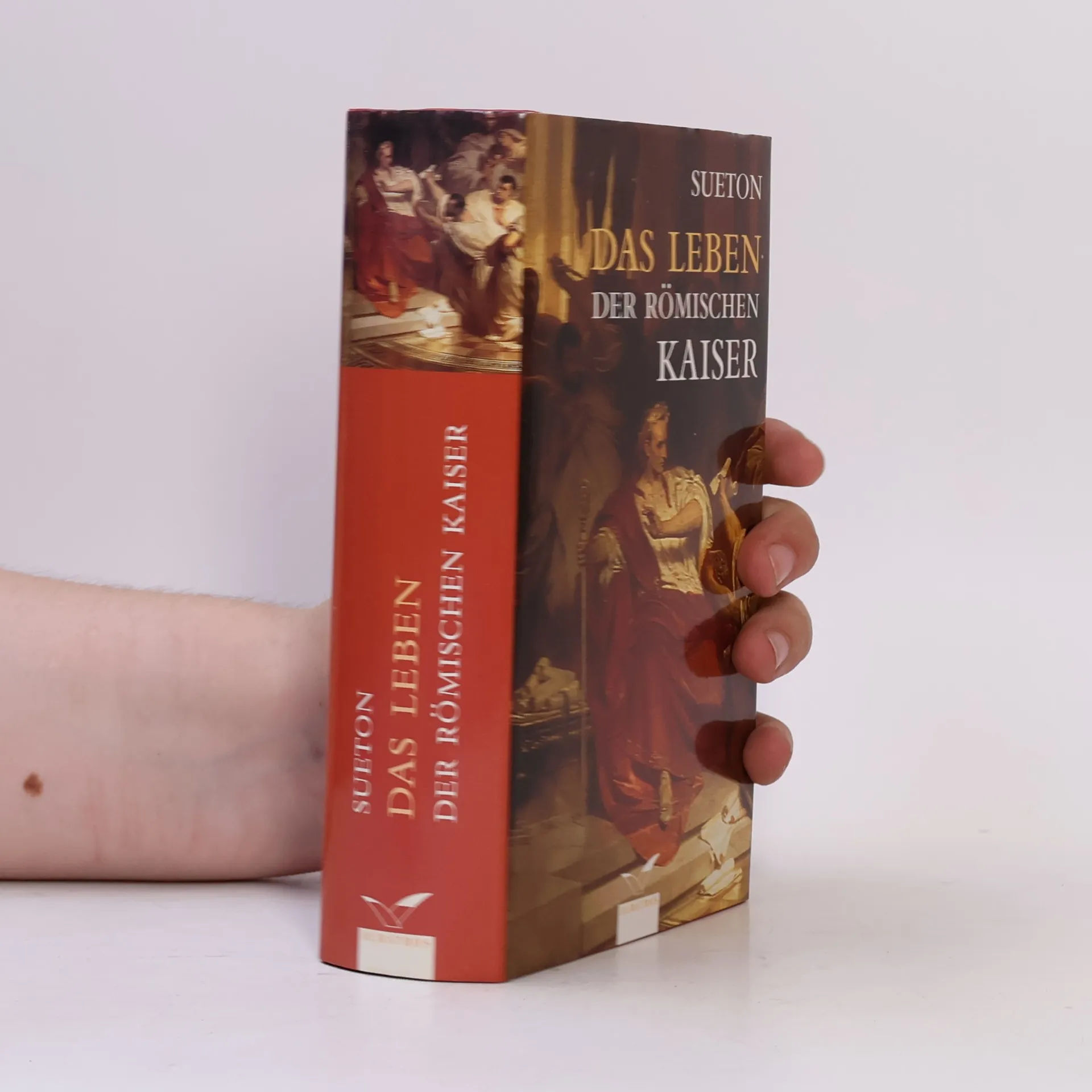
      Erinnerungen statt Geschichte, Leben statt Ereignisse; umfasst die Leben der Dichter, Grammatikern und Historikern.

      Das Leben der römischen Kaiser
      4.3
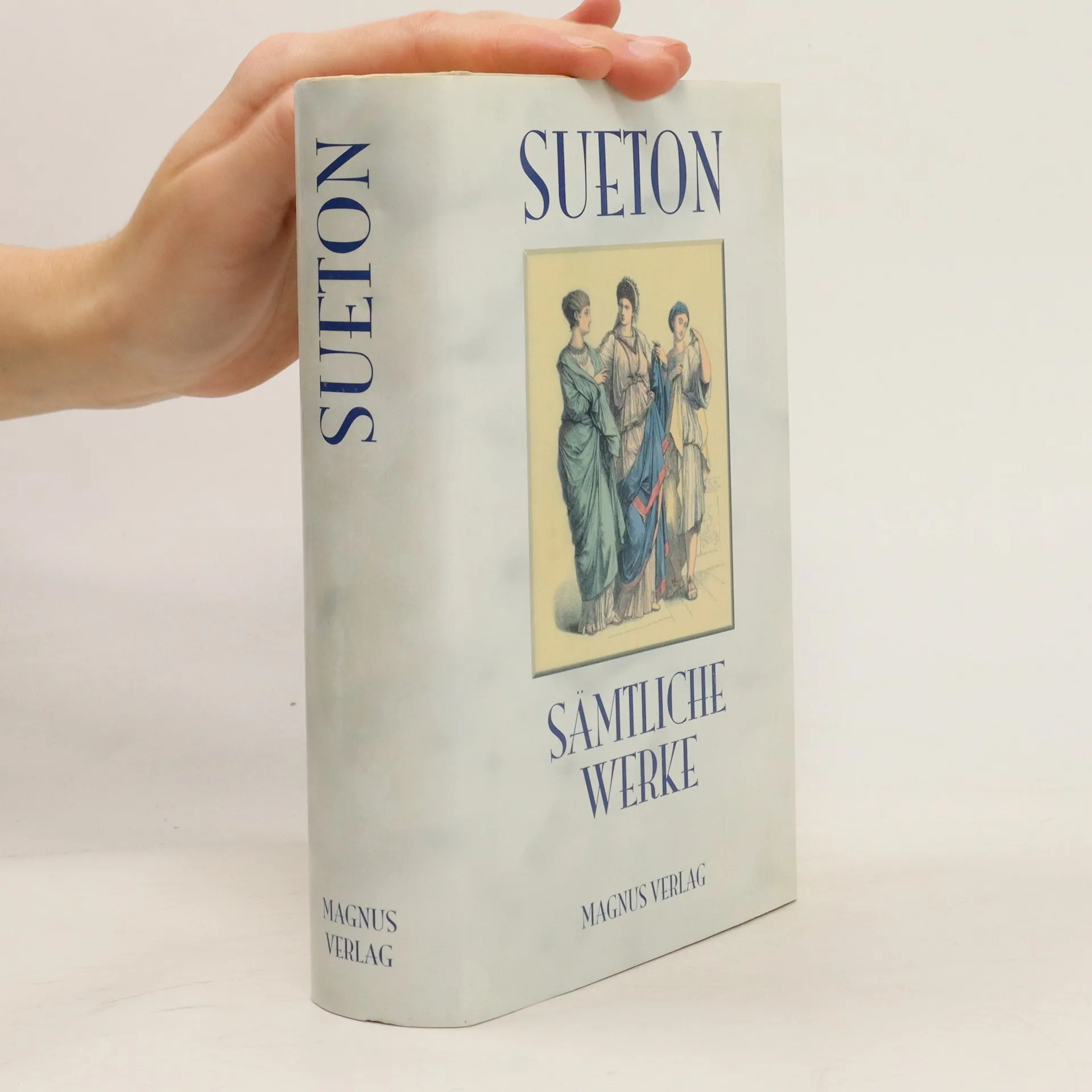
    • Sämtliche erhaltene Werke

      • 595 pages
      • 21 hours of reading

      Diese Ausgabe enthält neben den Kaiserbiographien erstmals wieder in deutscher Übersetzung auch die erhaltenen Teile der Lebensbeschreibung berühmter Dichter, Philologen und Rhetoren.

      Sämtliche erhaltene Werke
      3.5
    • Den Kern der überlieferten Teile der Lebensbeschreibungen des römischen Historikers Sueton (1./2. Jh. n. Chr.) bilden die Biographien der fünf Herrscher Augustus, Tiberius, Gaius, Claudius und Nero. Sein Werk stellt einerseits eine wichtige historische Quelle dar, bediente aber mit seinen Anekdoten auf der anderen Seite auch ausführlich das Unterhaltungsbedürfnis der Leser. Jede Lebensbeschreibung stellt eine für sich abgeschlossene Einheit dar, weshalb Suetons Darstellungen auch für Einzeldarstellungen späterer Jahrhunderte zum Vorbild wurde.

      Die Kaiser der julisch-claudischen Dynastie
    • Augustus

      • 236 pages
      • 9 hours of reading
      Augustus