


Explore the latest books of this year!
Bookbot

Sebastian Haffner

    December 27, 1907 – January 2, 1999

    This author focused on the history of the German Reich (1871-1945). His works examined the origins and course of the First World War, the failure of the Weimar Republic, and the subsequent rise and fall of Nazi Germany under Hitler. He sought to understand complex historical events and their repercussions. His analyses offer deep insight into pivotal moments of German history.

    Sebastian Haffner
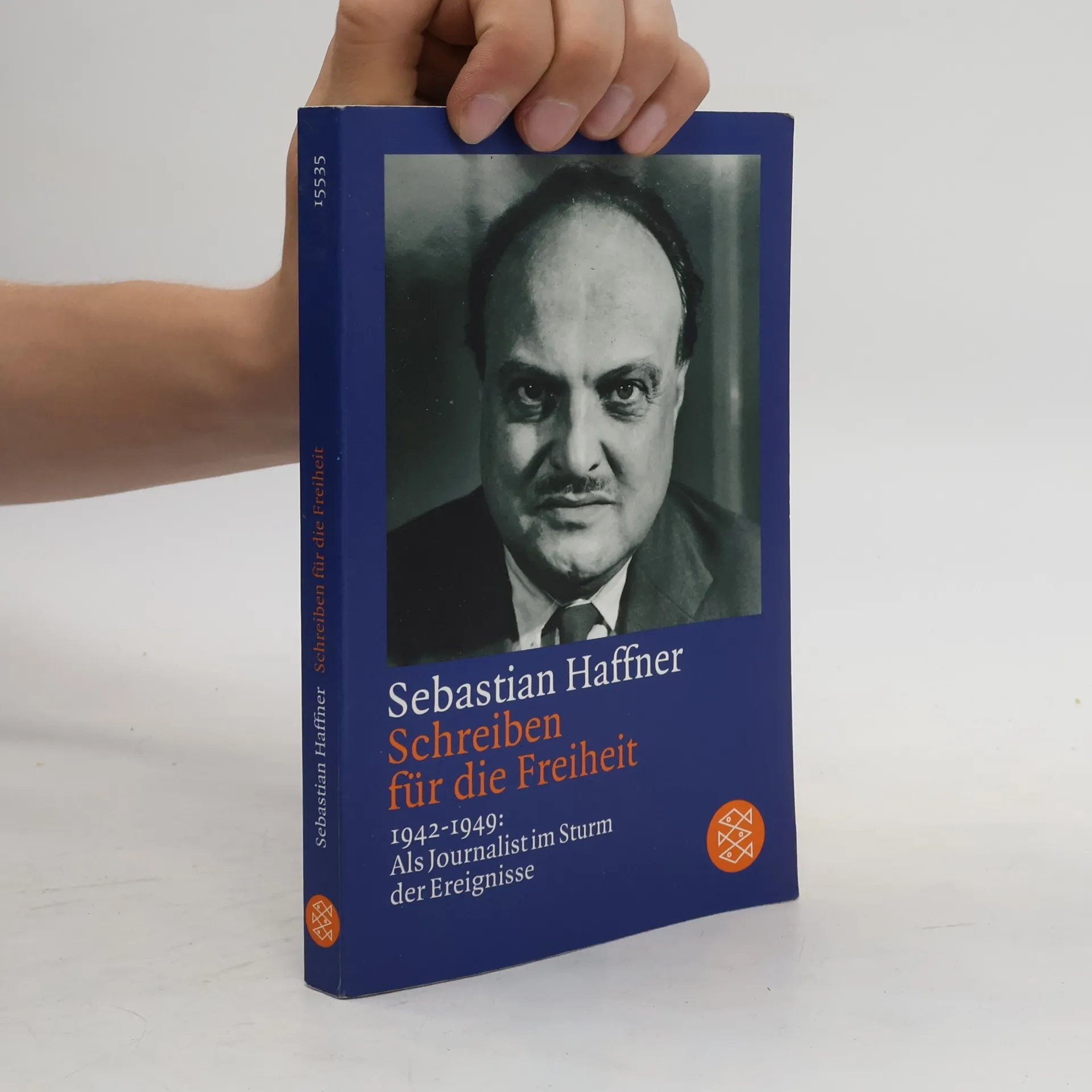
    Schreiben für die Freiheit
    Germany: Jekyll and Hyde
    Churchill
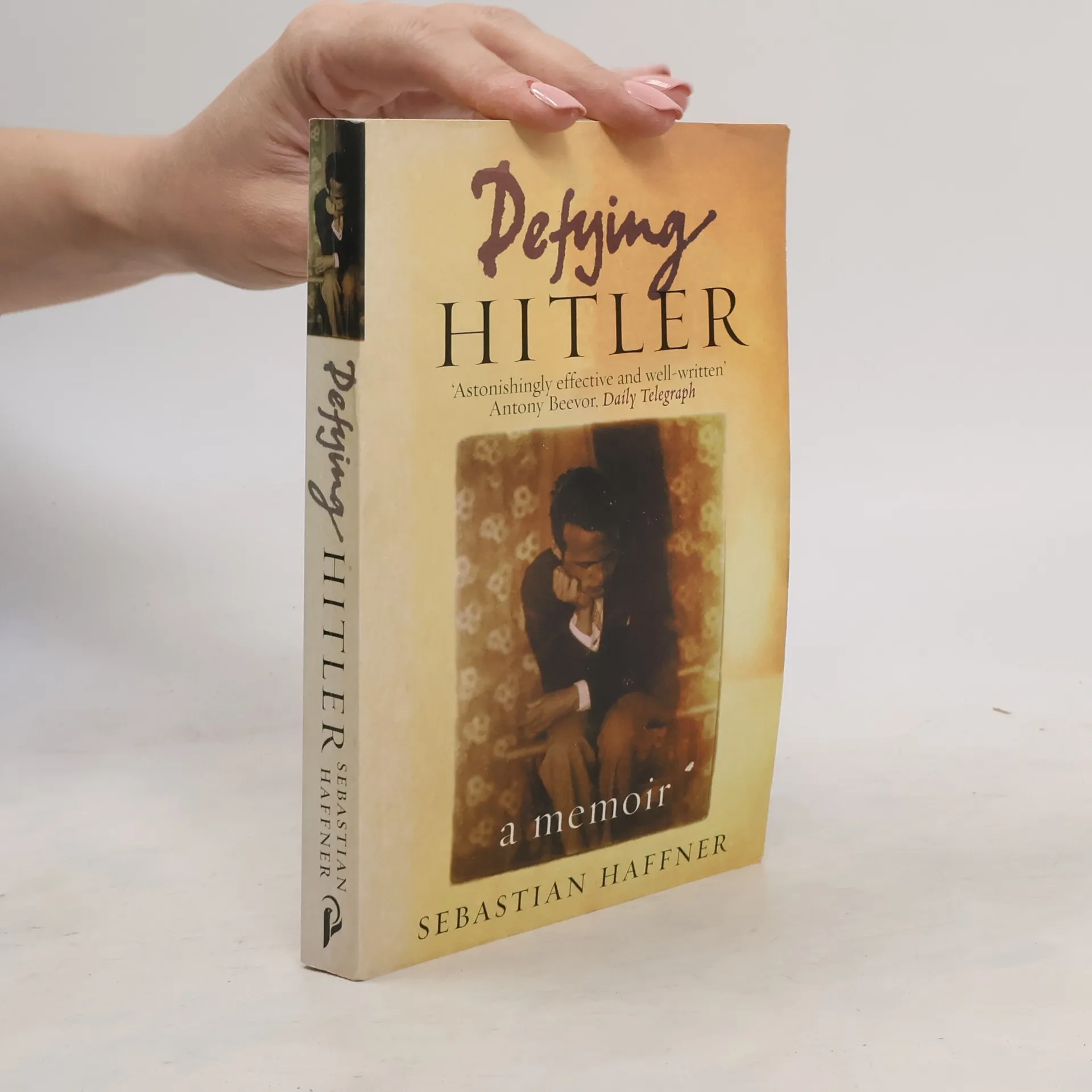
    Defying Hitler
    Defying Hitler: A Memoir
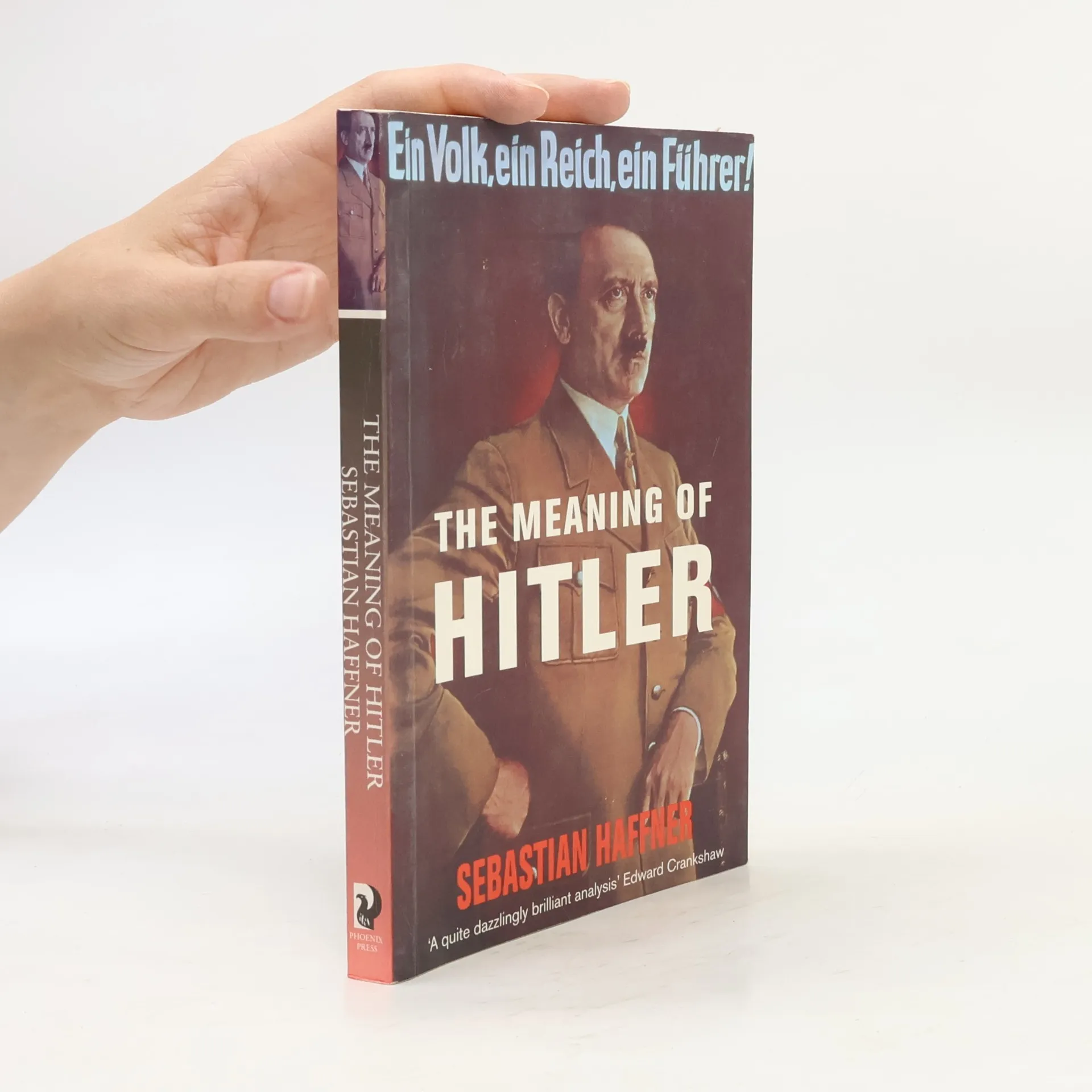
    The Meaning of Hitler
    • Defying Hitler: A Memoir

      • 309 pages
      • 11 hours of reading
      4.3(2188)Add rating

      Sebastian Haffner's memoir offers a firsthand account of life in Germany from 1907 to 1933, capturing the tumultuous period leading up to the rise of Nazism. It explores the experiences of ordinary citizens as they navigated significant societal shifts, including the emergence of right-wing militias and the impact of hyperinflation in 1923. Through personal reflections, Haffner illustrates the evolving attitudes and beliefs of the time, providing a compelling narrative of how individuals coped with a rapidly changing political landscape.

      Defying Hitler: A Memoir
    • An absolute classic of autobiography and history - one of the few books to explore how and why the Germans were seduced by Hitler and Nazism. schovat popis

      Defying Hitler
    • When Churchill died, one might have thought that it was not a man who was being borne to his grave, but British history itself - a resplendent, fortunate history whose last illustrious chapter Churchill himself had written almost a quarter of a century before.

      Churchill
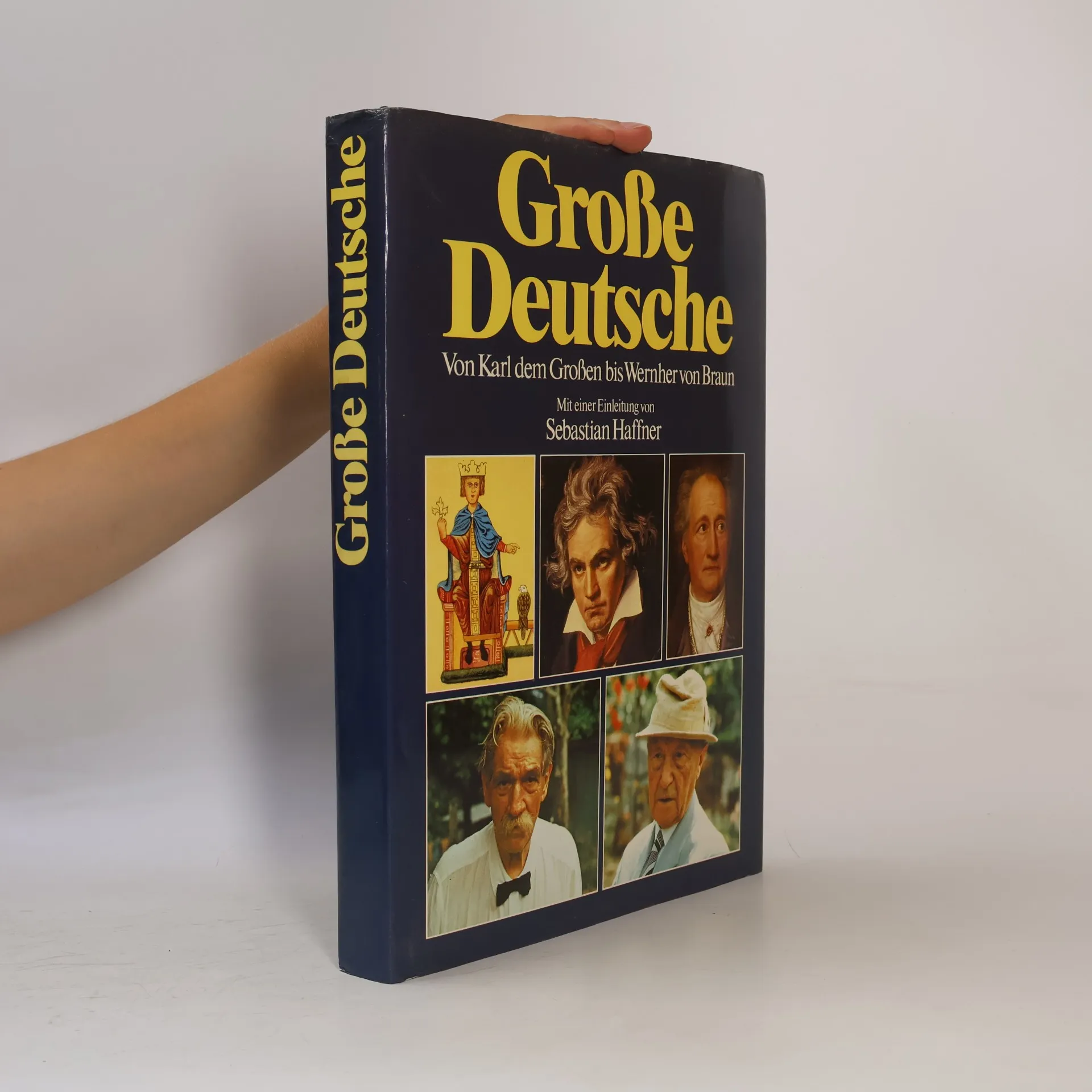
    • Die berühmten und einflußreichen Artikel Sebastian Haffners aus dem Londoner Observer zum ersten Mal in deutscher Sprache: Porträts u. a. von Hitler, Goebbels und Speer. Überlegungen zur Kriegslage in Europa, zum Kriegsende 1945, zum Umgang mit den Nazis und zur Politik nach dem Krieg. Und schließlich temperamentvolle Thesen zum Kalten Krieg und zur Bildung zweier deutscher Staaten - mit Porträts u. a. von Louise Schroeder, Kurt Schumacher, Konrad Adenauer und Theodor Heuss.

      Schreiben für die Freiheit
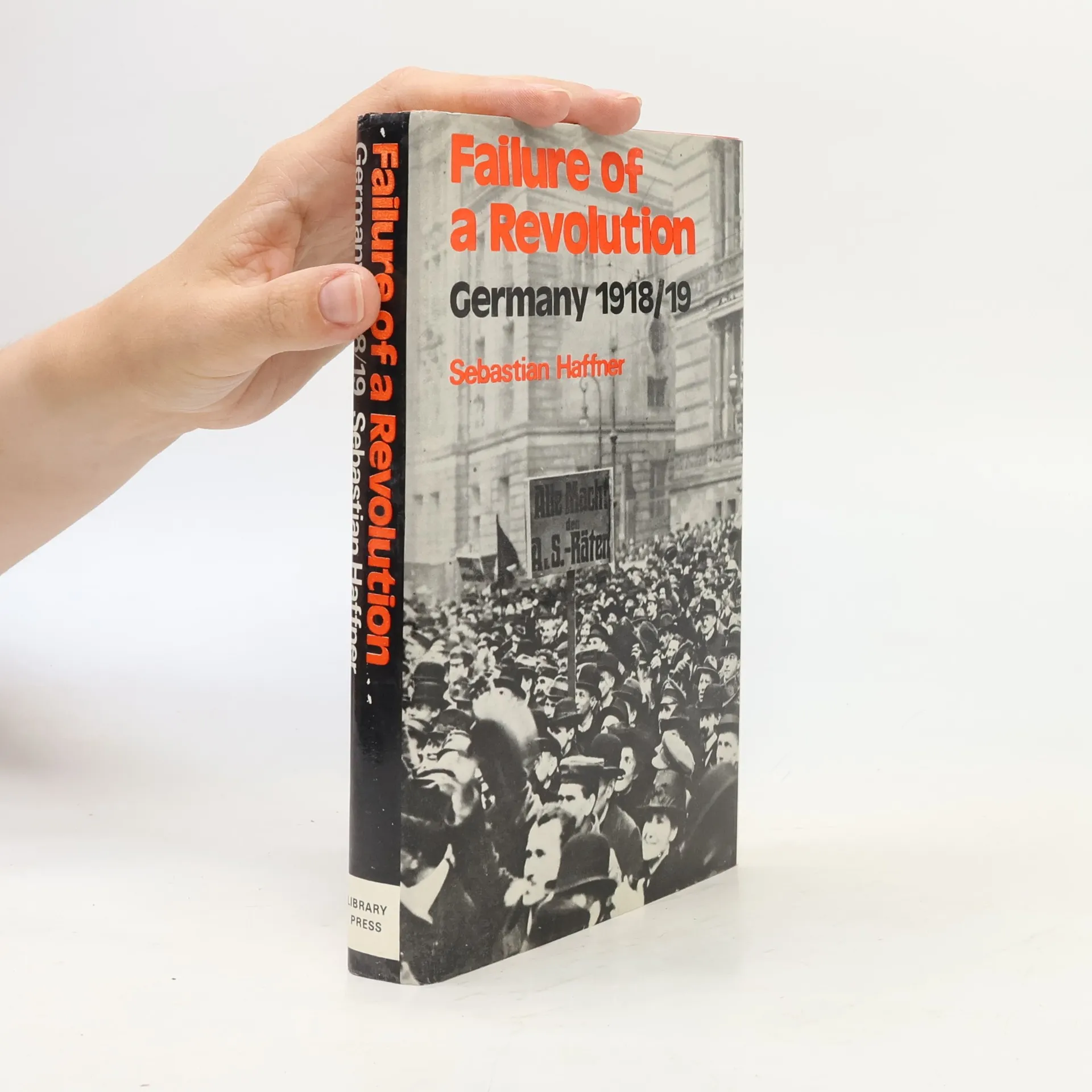
    • Allemagne, 1918

      • 223 pages
      • 8 hours of reading
      4.5(43)Add rating

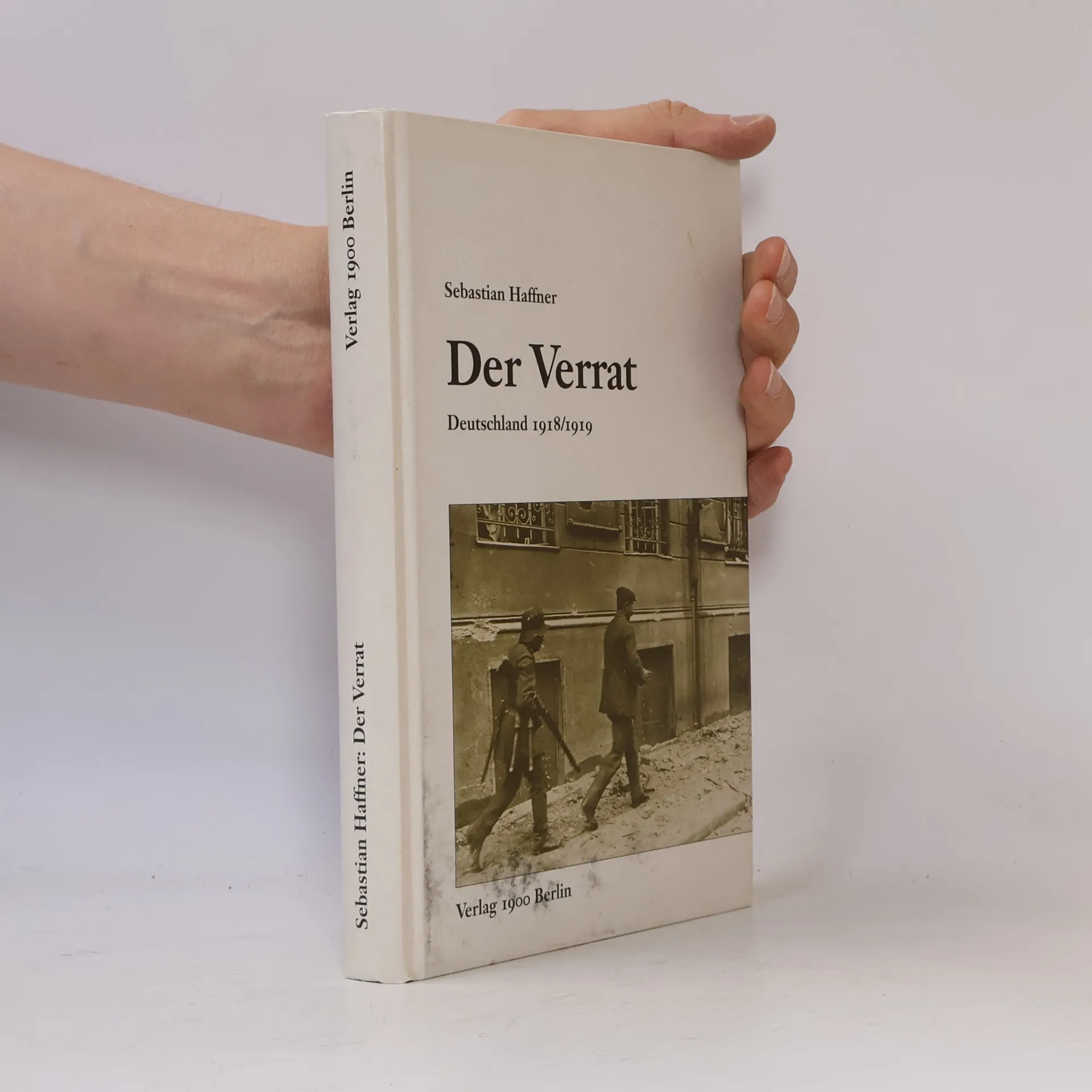
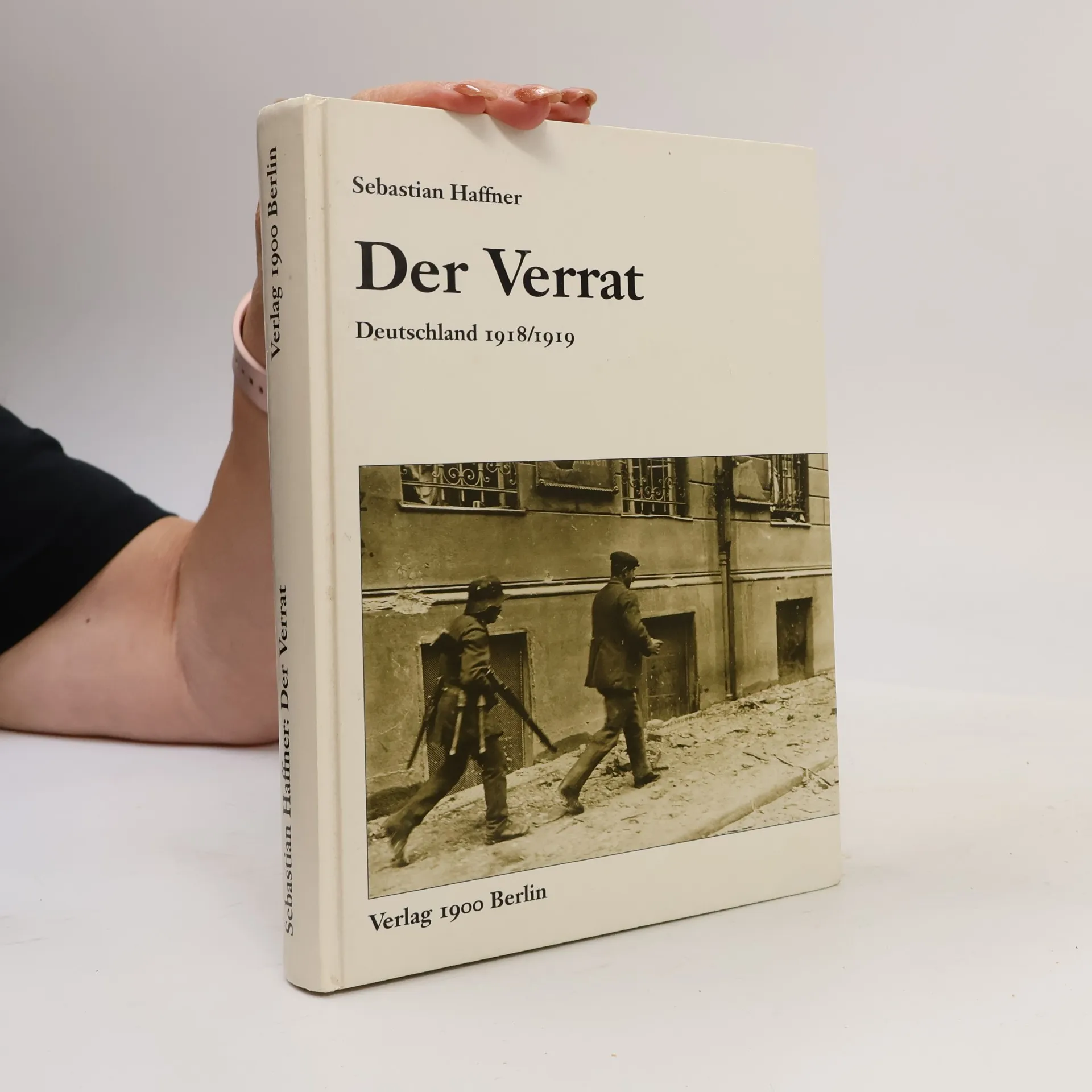
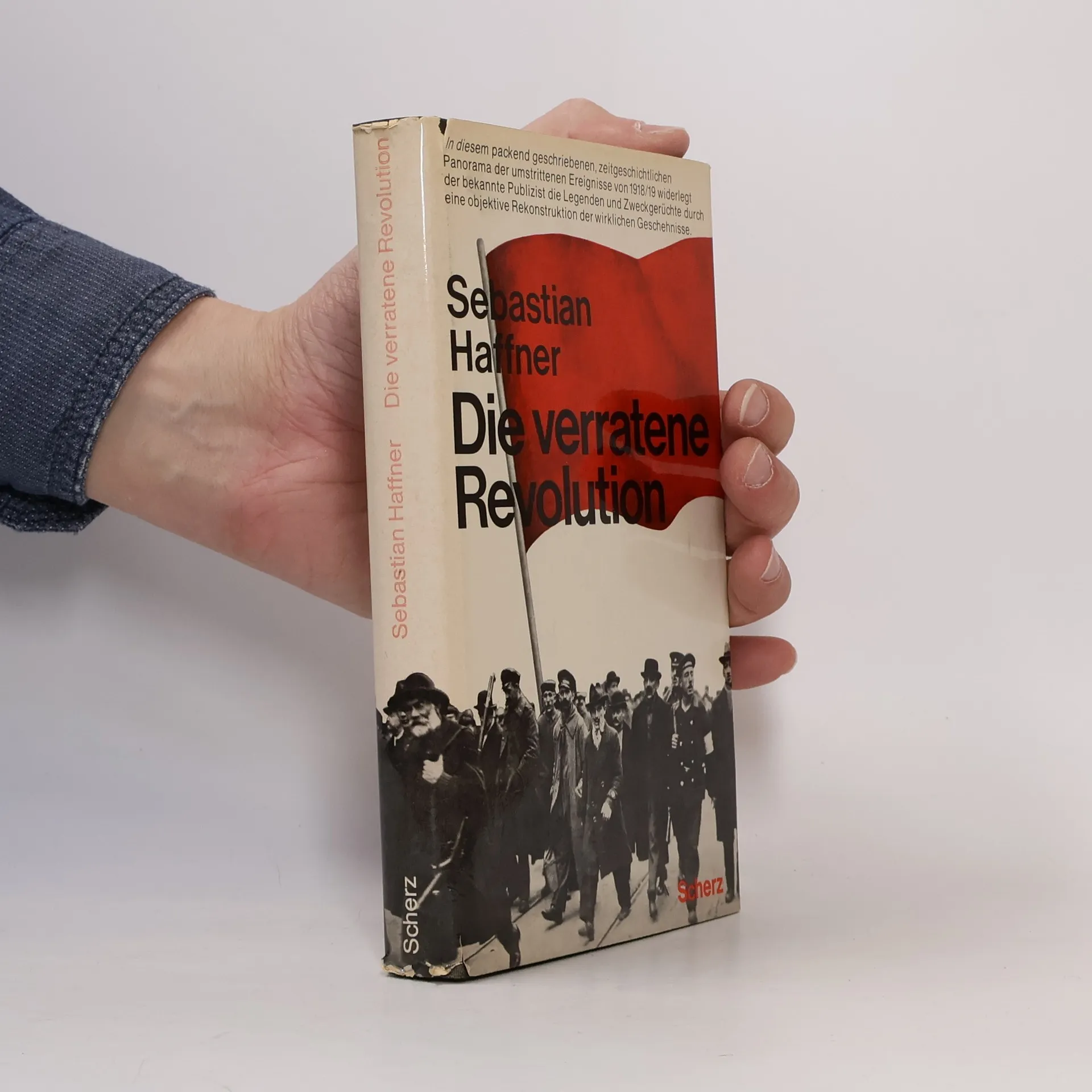
      En 1918, devant la défaite imminente, les huissiers de l'Empire ouvrirent aux dirigeants sociaux-démocrates la porte si longtemps close et les introduisirent, non sans arrière-pensées, dans l'antichambre du pouvoir. Et voilà que les masses se précipitèrent à l'intérieur, bousculèrent leurs dirigeants et les entraînèrent jusqu'à la porte du pouvoir lui-même. La social-démocratie semblait enfin parvenue à son but. Alors ses dirigeants, élevés malgré eux jusqu'au trône vide par la foule de leurs partisans, n'eurent rien de plus pressé que d'ordonner aux anciens gardiens du Palais de mettre tout le monde dehors. Sebastian Haffner raconte la trahison d'un peuple insurgé par ses propres représentants : comment les Ebert, Noske ou Scheidemann, déjà ralliés à l'union sacrée en 1914, consomment la faillite définitive de la social-démocratie. Appelés au pouvoir par le gouvernement impérial pour prévenir une révolution, ils jouent sans faiblir leur rôle, jusqu'à l'écrasement de la révolte de Berlin aux premiers jours de 1919.

      Allemagne, 1918
    • Historische Variationen

      • 367 pages
      • 13 hours of reading
      4.6(12)Add rating

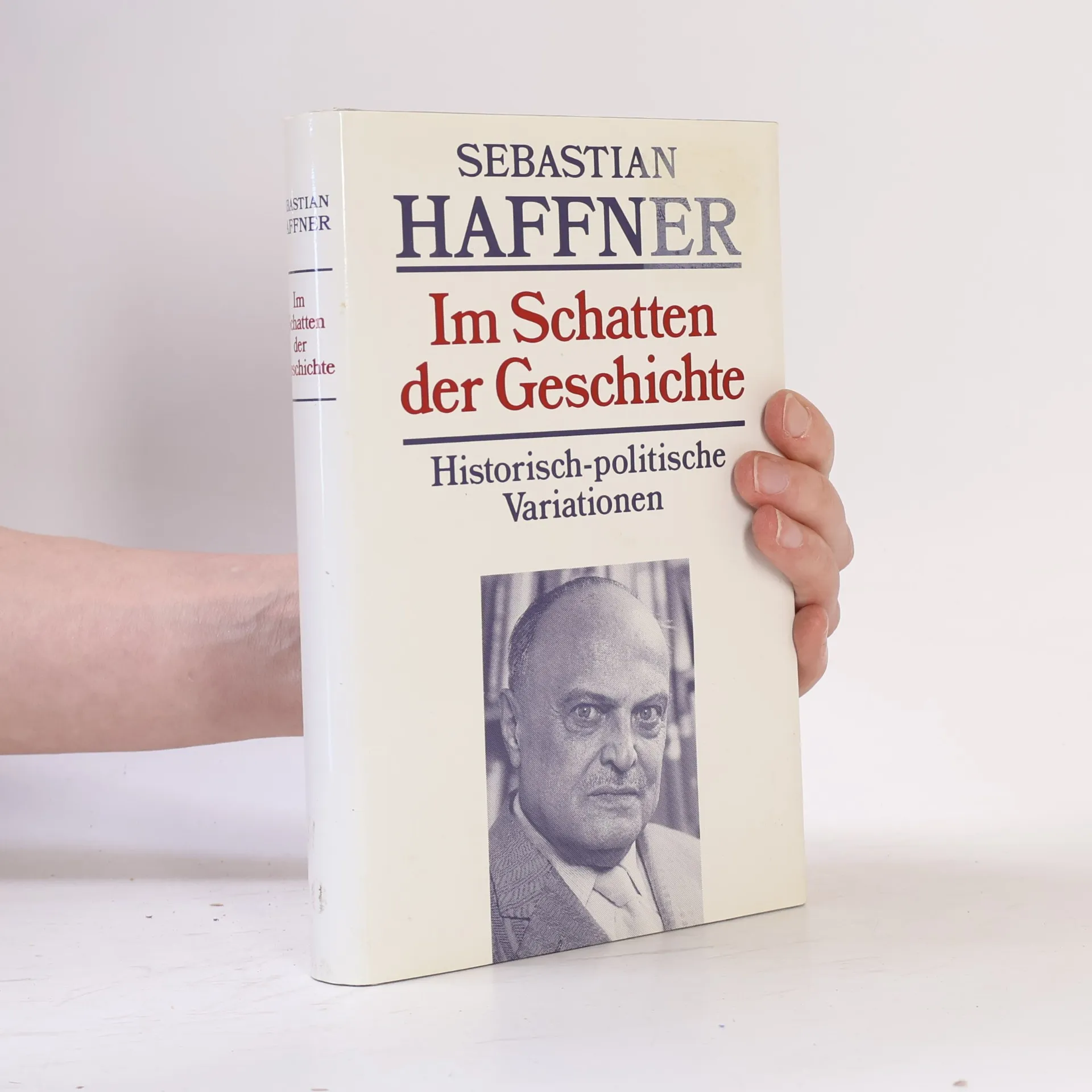
      »Die Sammlung historischer Essays besticht, wie alle Arbeiten Haffners, durch eine Fülle funkelnder Sentenzen und provokativer Thesen.« Die Zeit Präzise, kurz, scharf zugespitzt, mit überraschenden Gedankenwendungen – ein Meister der Geschichtsschreibung ergreift das Wort. Zweihundert Jahre deutscher Geschichte lässt Haffner kurzweilig und eindringlich, analytisch scharf und mit dem Blick für weit gespannte historische Entwicklungslinien Revue passieren. Aus dem Inhalt: - Historische Betrachtungen zur Geschichte Preußens, zum Vertrag von Versailles, zu Hitlers Machtergreifung- Politische Anmerkungen zu Politik und Vernunft, zum Erfolg des Grundgesetzes- Biografische Porträts von Lenin, Churchill, Stresemann und Adenauer- Bürgerliche Überlegungen zum Abstieg des Mannes, über den Fortschritt, über die Zukunft

      Historische Variationen