
The Methuen Drama Book of Plays from the Sixties
Roots; Serjeant Musgrave's Dance; Loot; Early Morning; The Ruling Class
- 540 pages
- 19 hours of reading
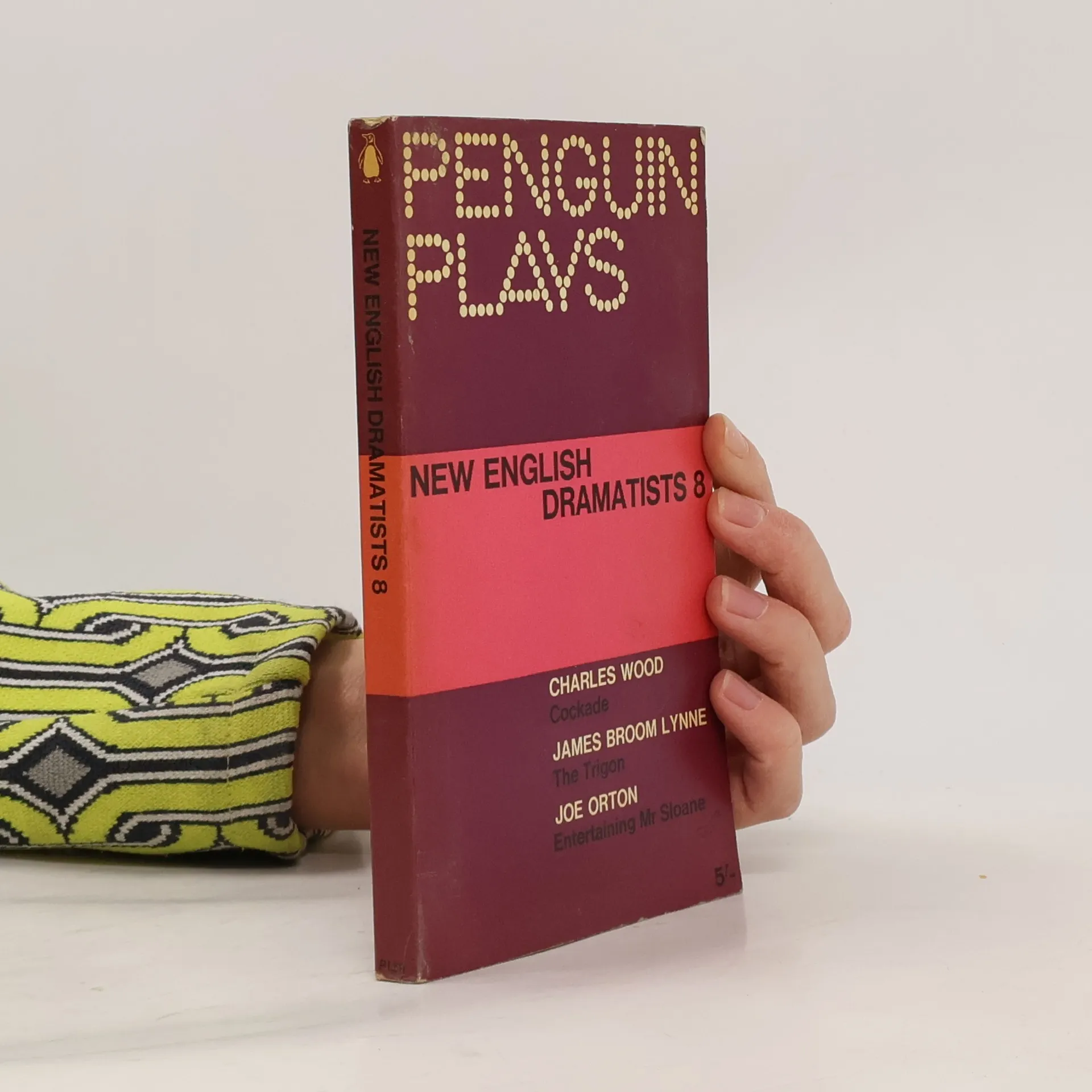
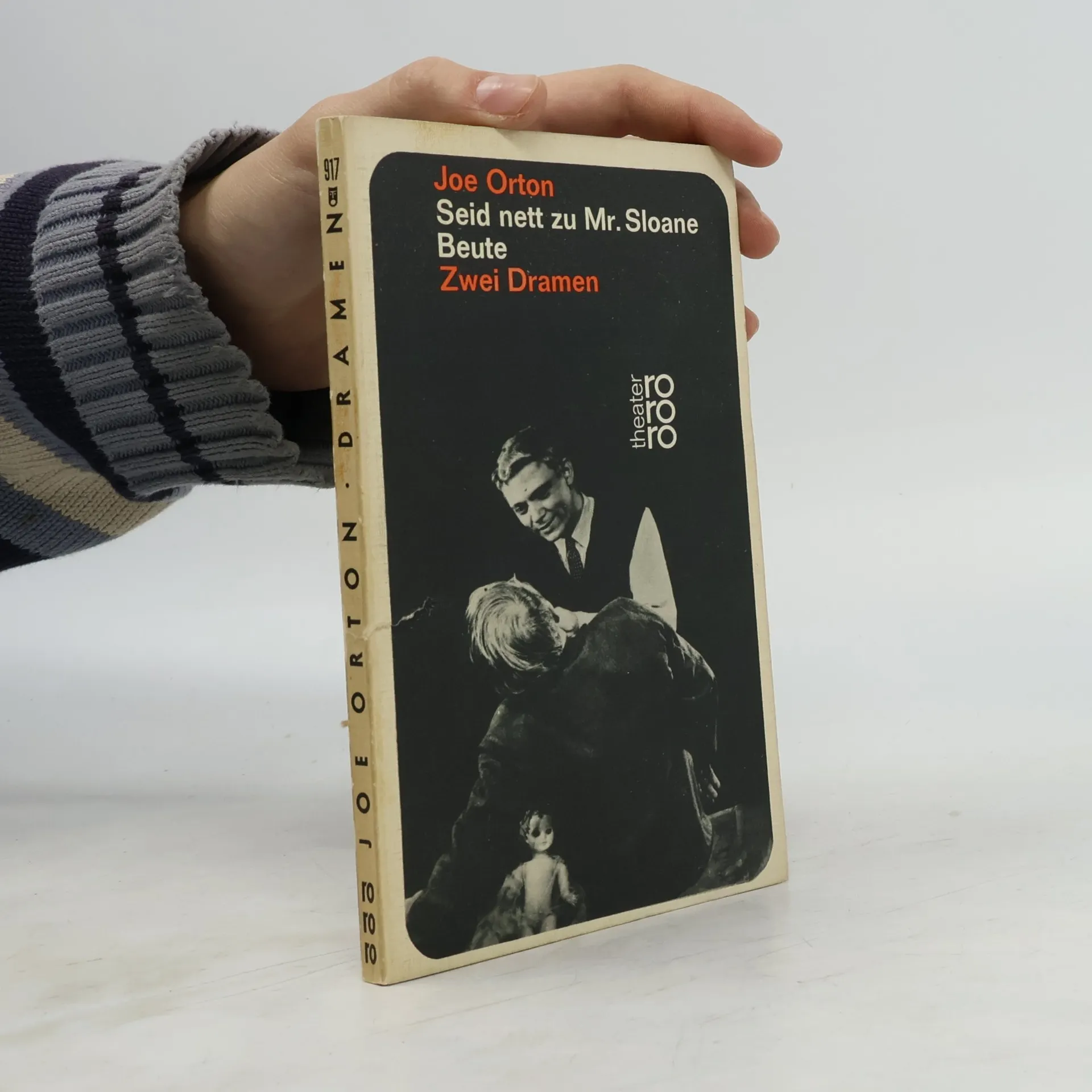
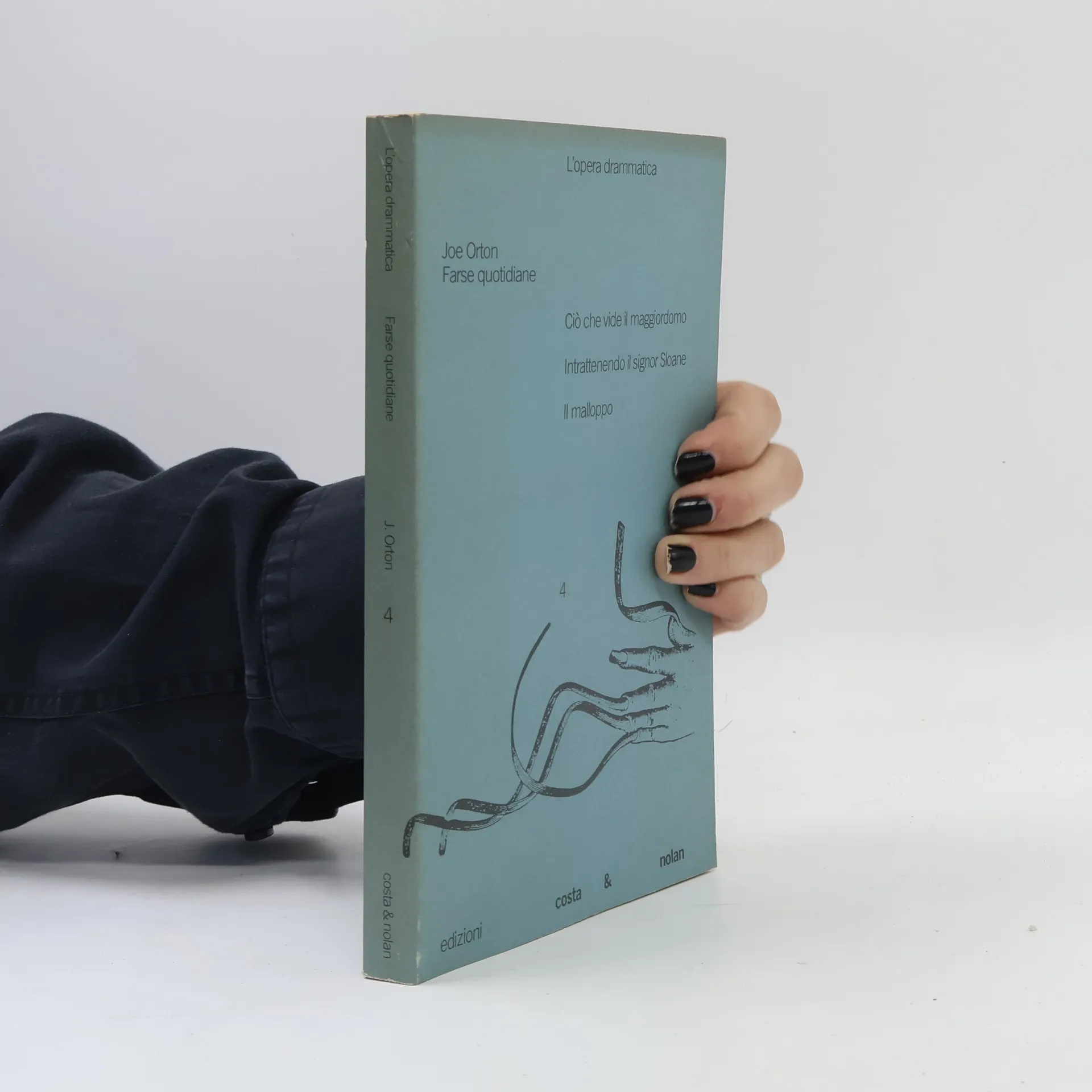
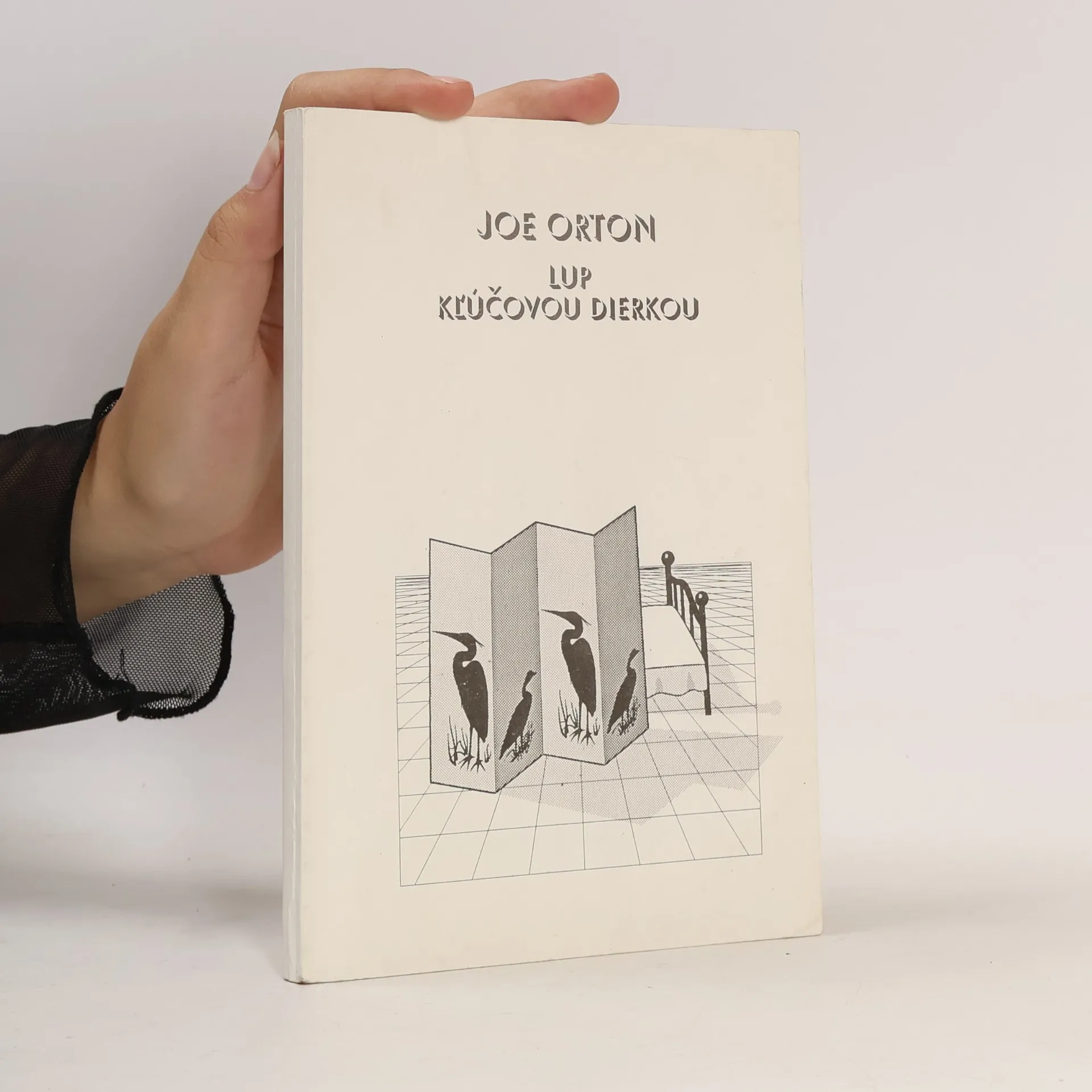
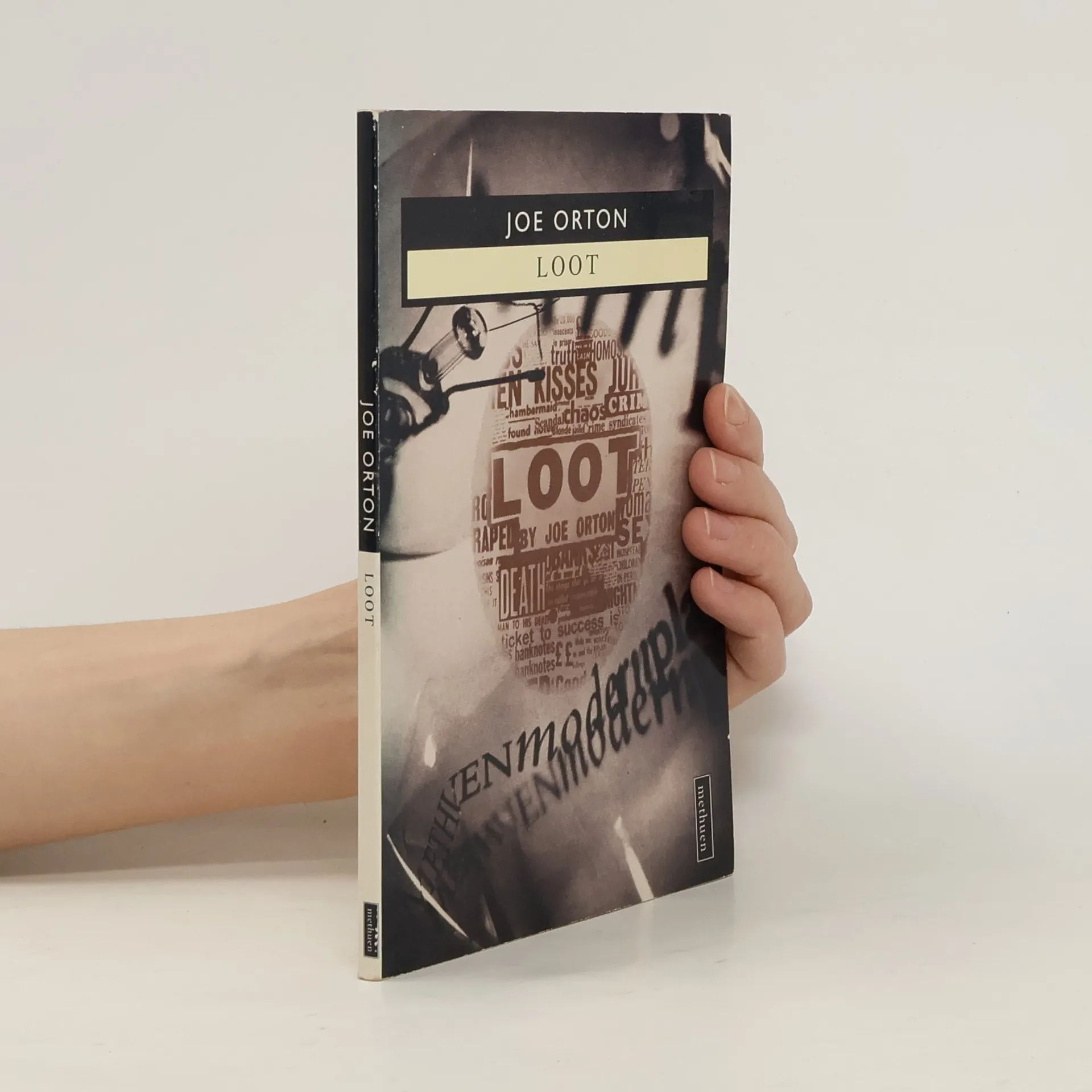
Five outstanding plays from the British theatre of the 1960s. This volume contains major works by five of the most important playwrights ot emerge during the late fifties and early sixties. Bold, challenging and iconoclastic, these plays are landmarks of post-war British theatre. Roots by Arnold Wesker focuses on the homecoming of young Beatie Bryant who returns to her family of Norfolk farm workers with stories of her boyfriend Ronnie. Serjeant Musgrave's Dance by John Arden is set in a mining town in the 19th century, with a group of soldiers returned from a colonial war. But when Musgrave is asked to keep the peace with the colliery workers, he decides to do so in a rather unusual way. Loot by Joe Orton is a brilliant parody of the skeleton-in-the-cupboard crime genre, exploding the very notions of English decency, good citizenry and traditional 'positions'. Edward Bond's Early Morning re-imagines the time of Victoria and Albert caught up in a military coup plotted by Disraeli. Peter Barnes' Ruling Class describes the fall out in an aristocratic family after the 14th Earl commits suicide and leaves his estate to a schizophrenic Franciscan friar who is under the illusion that he is Jesus.