Explore the latest books of this year!
Bookbot

Ortrud Westheider

    Behind the Mask
    Maurice de Vlaminck: Modern Art Rebel
    From Hopper to Rothko
    Gerhard Richter
    Impressionism
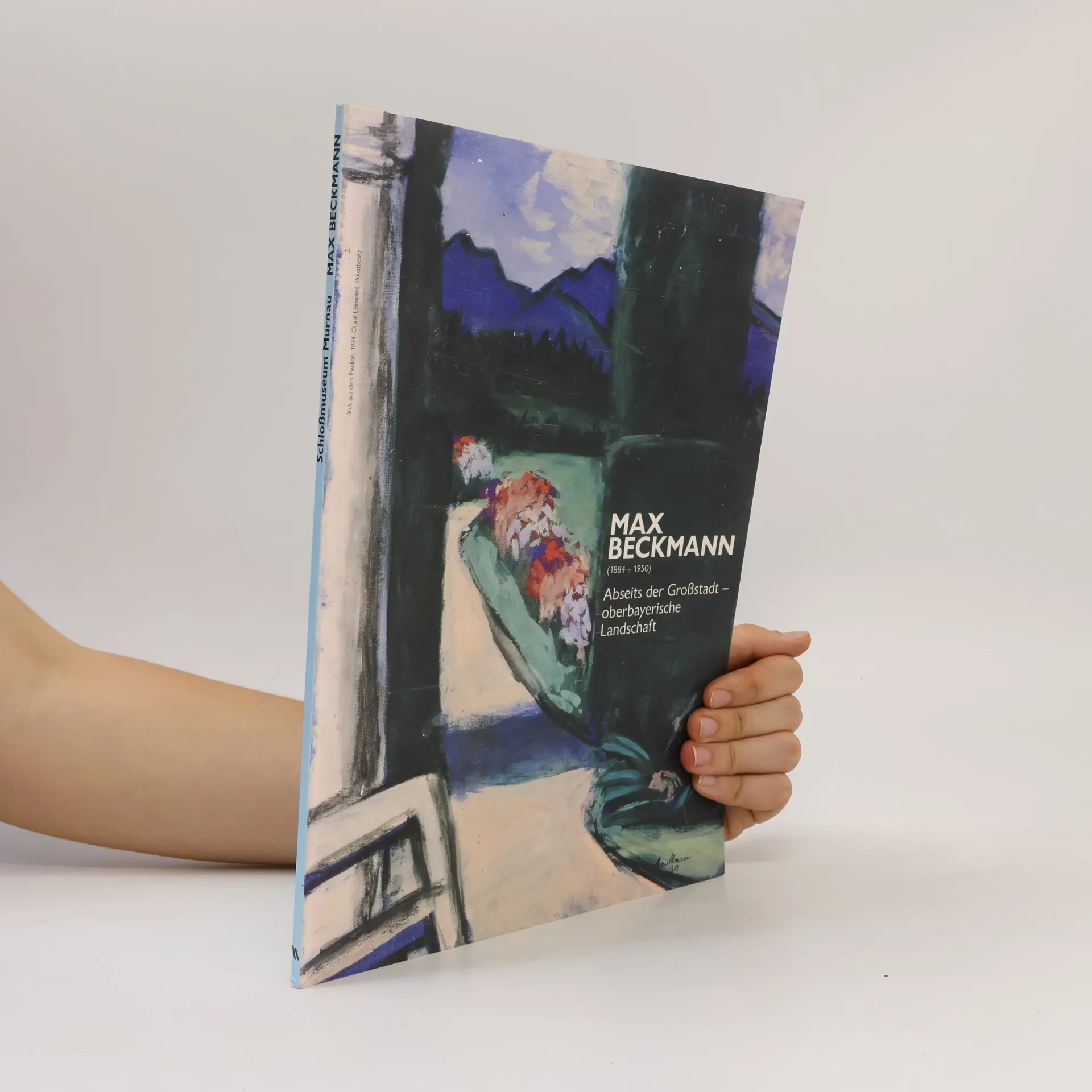
    Max Beckmann
    • Max Beckmann

      • 223 pages
      • 8 hours of reading

      This magnificently illustrated book explores Max Beckmann's idea of the world as a stage while also providing a striking introduction to one of the 20th century's most spectacularly creative periods of art and design. Many of the paintings by Max Beckmann show the world of the theater, the circus, and vaudeville. He assumed the position of the spectator and his paintings were the stage. He was driven by pageantry and this is the first publication to show how Beckmann's artistic theater was palpably visual while also showing his work in the context of the history of ideas. It brings home how the painter and author of dramas that has hitherto received little attention saw himself as an impresario, director, and scene shifter. This book grants readers highly innovative and captivating access to one of the exceptional artists of the last century and his extraordinary visual and formal language.
      Max Beckmann
      5.0
    • Impressionism

      • 320 pages
      • 12 hours of reading

      This beautiful volume offers a comprehensive overview of Impressionist landscape painting from an incomparable collection.

      Impressionism
      4.0
    • Gerhard Richter

      Abstraction

      • 248 pages
      • 9 hours of reading

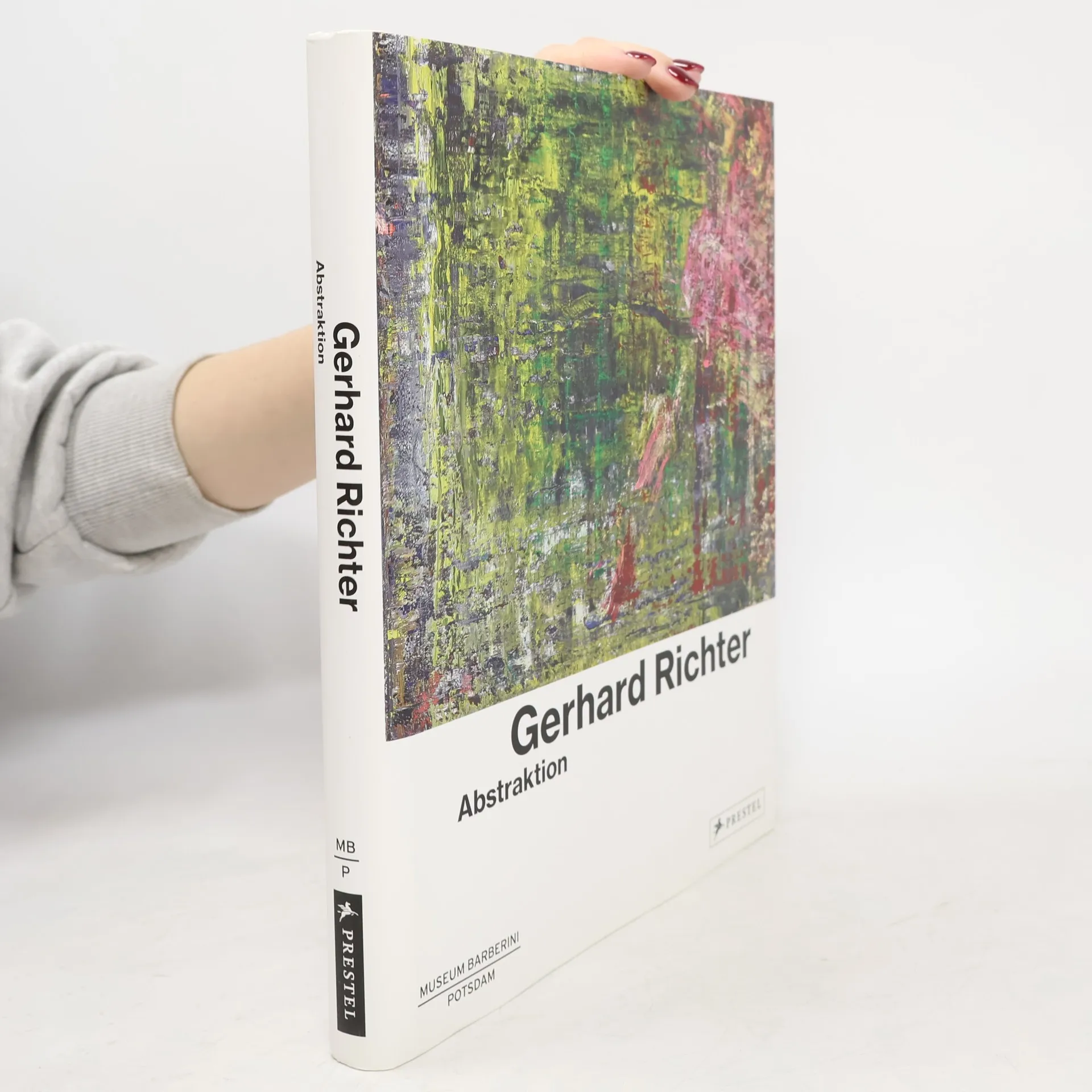
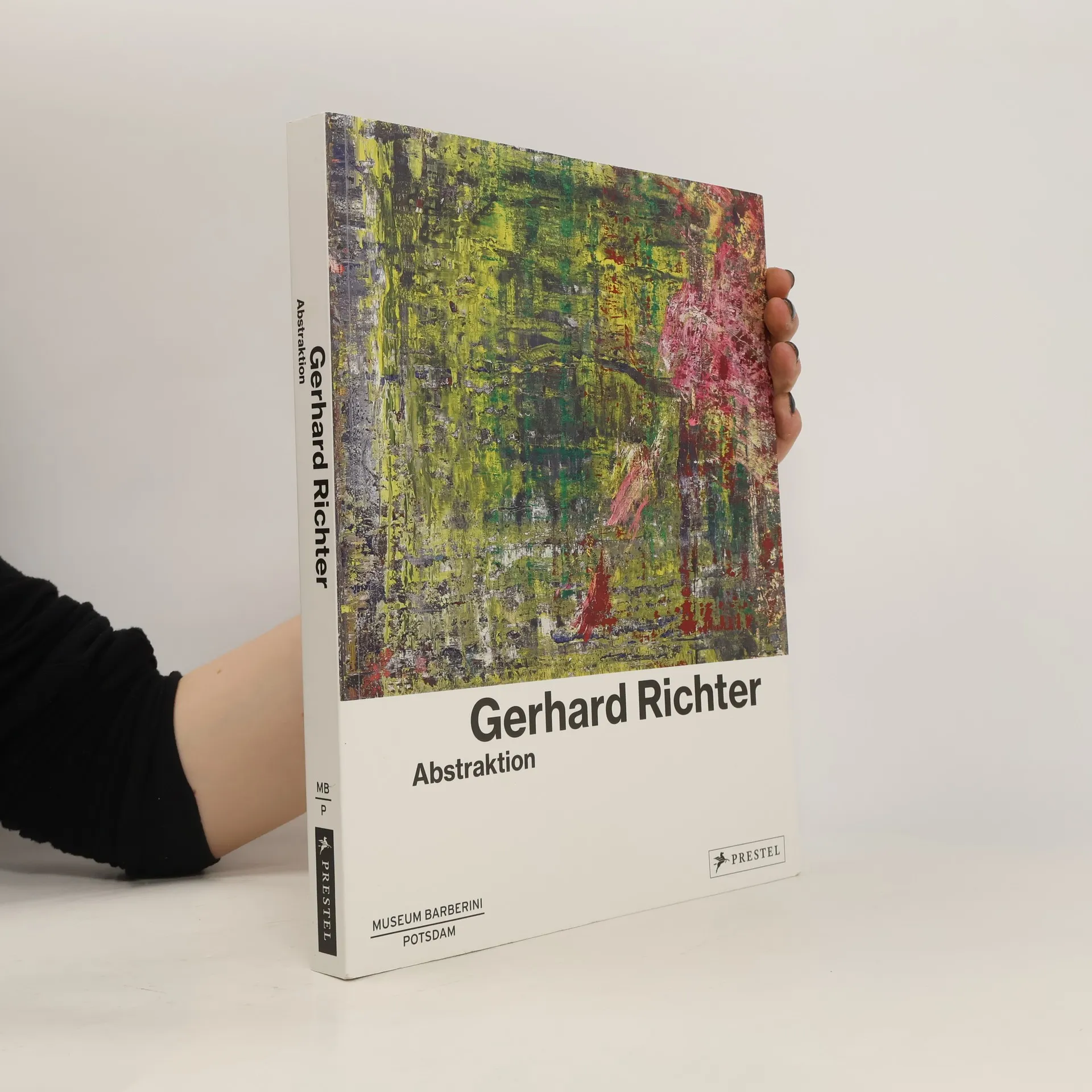
      This publication is the first to focus solely on the abstract strategies and processes contained in Gerhard Richter's body of work. In the early 1960s, the artist began to call painting into question, an exploration that continues to occupy him to this day. In the 1970s, he responded to the rejection of painting by creating a series of monochrome works in gray. Moreover, he viewed the color gray as a means of addressing political themes without depicting them in an idealized manner. In his Inpainting series of the 1970s, Richter made brushstrokes and the application of paint his subject. In other works, he photographed small details from his palette and transferred them onto large canvases in a photorealistic manner. In his color charts, he subjected painting to an objective process by leaving the arrangement of the colors to chance. Since 1976, Richter has created a series of abstract works by applying paint with a brush, scraper, and palette knife, alternating between conscious decision-making and random processes. Exhibition curated by DIETMAR ELGER and ORTRUD WESTHEIDER.

      Gerhard Richter
      4.0
    • From Hopper to Rothko

      • 247 pages
      • 9 hours of reading

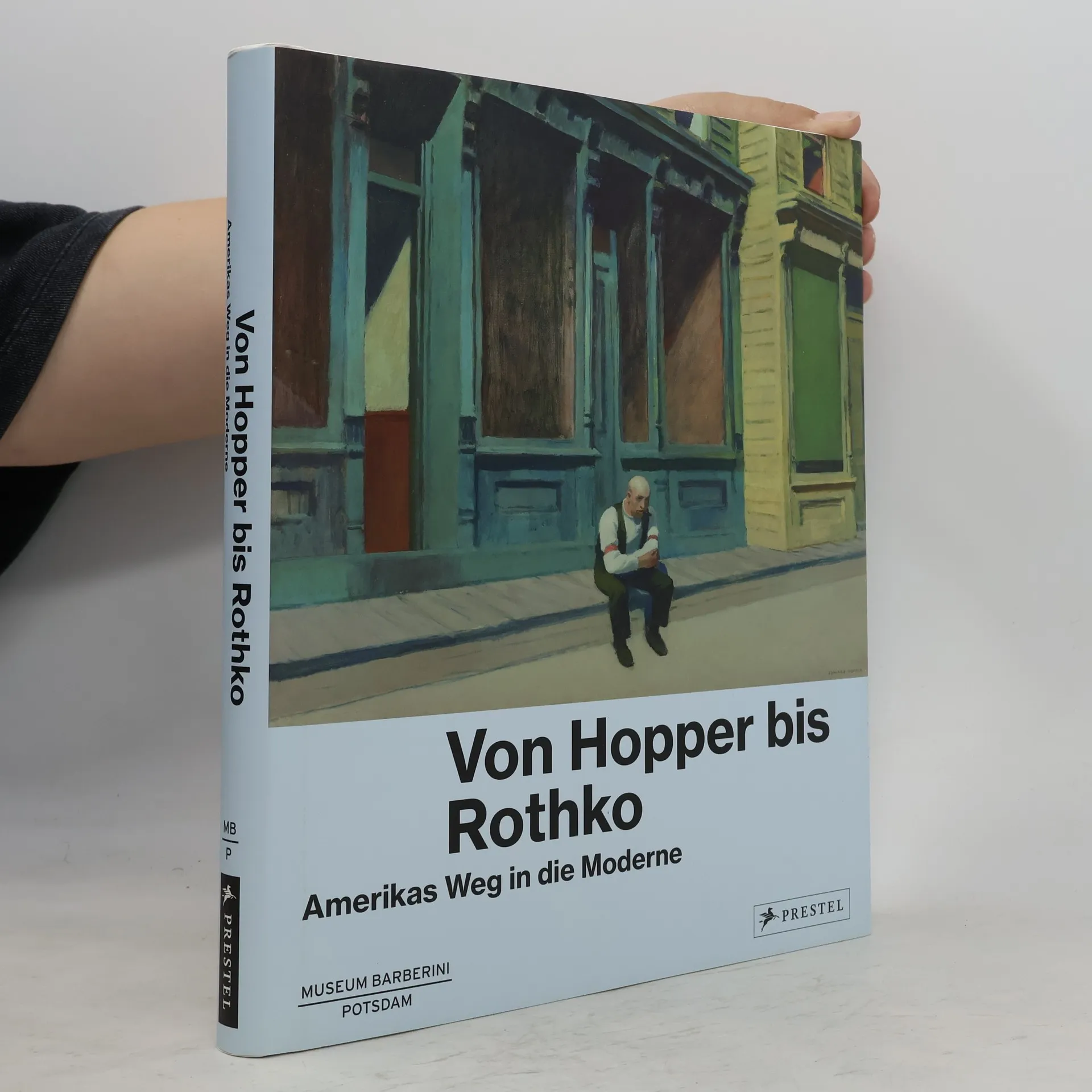
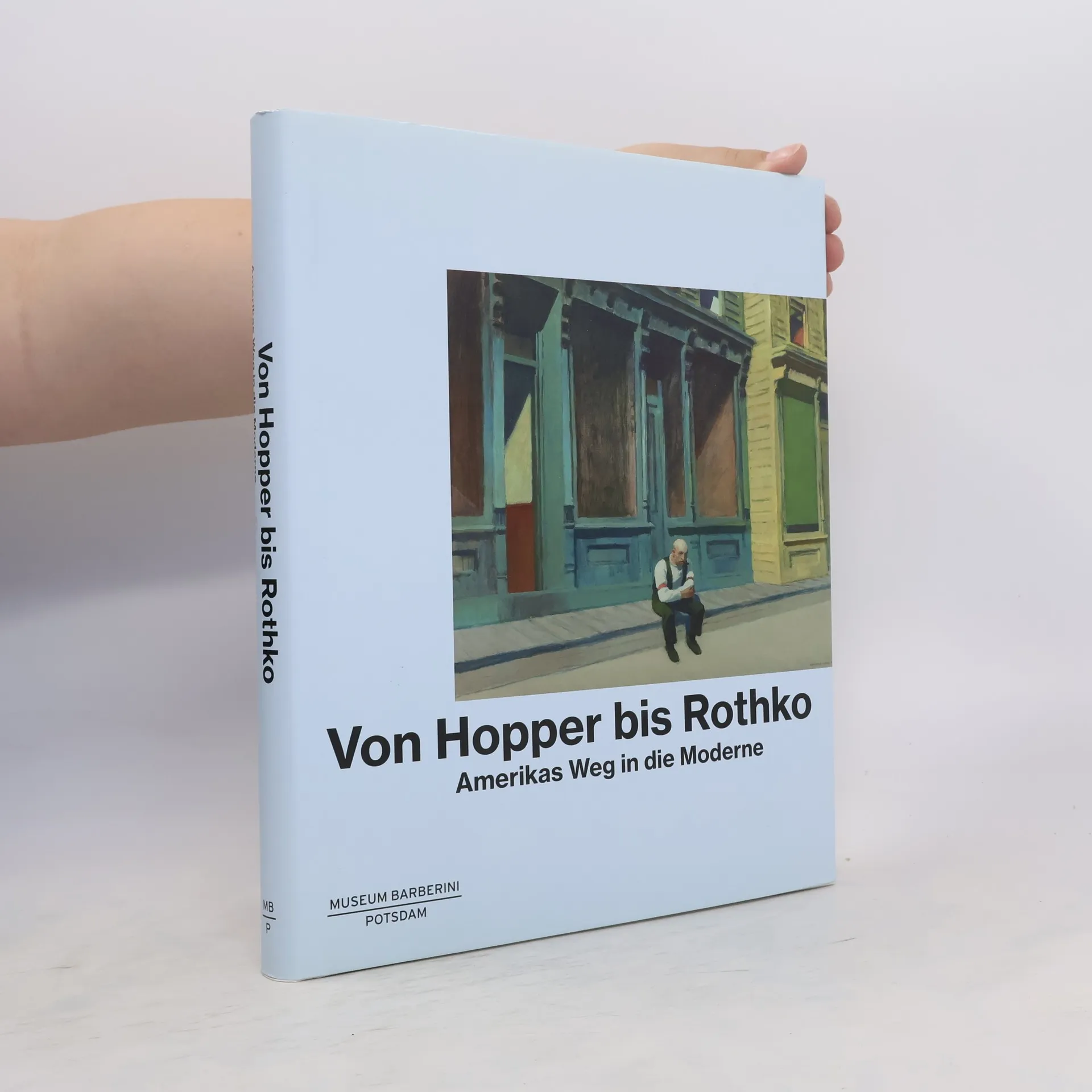
      This book explores the development of modern American art through the works of its signature artists. This collection of rarely seen masterpieces from The Phillips Collection traces the development of American art from Impressionism to Abstract Expressionism. During the Gilded Age, American artists like Julian Alden Weir, John Henry Twachtman, Ernest Lawson, and others developed landscape paintings which set the course for modern art in America. Revelations such as these are common within the pages of this book, which examines Duncan Phillips's interest in collecting and his promotion of living artists. Including essays by European and American experts, this publication of 68 works by 50 artists presents paintings by Maurice Prendergast, Arthur Dove, John Marin, Georgia O'Keeffe, Helen Frankenthaler, Robert Motherwell, Jackson Pollock, Charles Sheeler, Winslow Homer, Marsden Hartley, and Richard Diebenkorn. Together these magnificent works tell the tale of a nation and artistic expression growing in confidence and diversity.

      From Hopper to Rothko
      3.0
    • Maurice de Vlaminck: Modern Art Rebel

      • 220 pages
      • 8 hours of reading

      This lavishly illustrated exhibition catalog features seventy career-spanning works by the French avant-garde painter, one of the twentieth century's great colorists and a major proponent of Fauvism. After his participation at the Paris Salon d'Automne of 1905, Maurice de Vlaminck (1876-1958) quickly established himself as a leading figure of the French avant-garde. More than any other member of the Fauves, he keenly identified with the attribute of wildness and early on propagated the image of a modern artist rebel who resolutely turned his back on the rules of academic painting. His central source of inspiration was the oeuvre of Vincent van Gogh, whose works Vlaminck studied at the large solo exhibition which took place at the Bernheim-Jeune Gallery in 1901. Van Gogh's training as an autodidact as well as his burgeoning myth as an artist genius and social outsider strengthened this identification, which would remain key throughout Vlaminck's later career. This catalog provides a wide-ranging overview of the painter's entire oeuvre: from the first compositions he executed at the beginning of the 20th century, through the experiments with Cubism that were inspired by Cézanne and Picasso, to some of his very last landscapes. Throughout, the book recalls Vlaminck's vital contribution to the development of 20th-century painting, notably his role as one of the most important precursors of Expressionism.

      Maurice de Vlaminck: Modern Art Rebel
    • Behind the Mask

      • 279 pages
      • 10 hours of reading

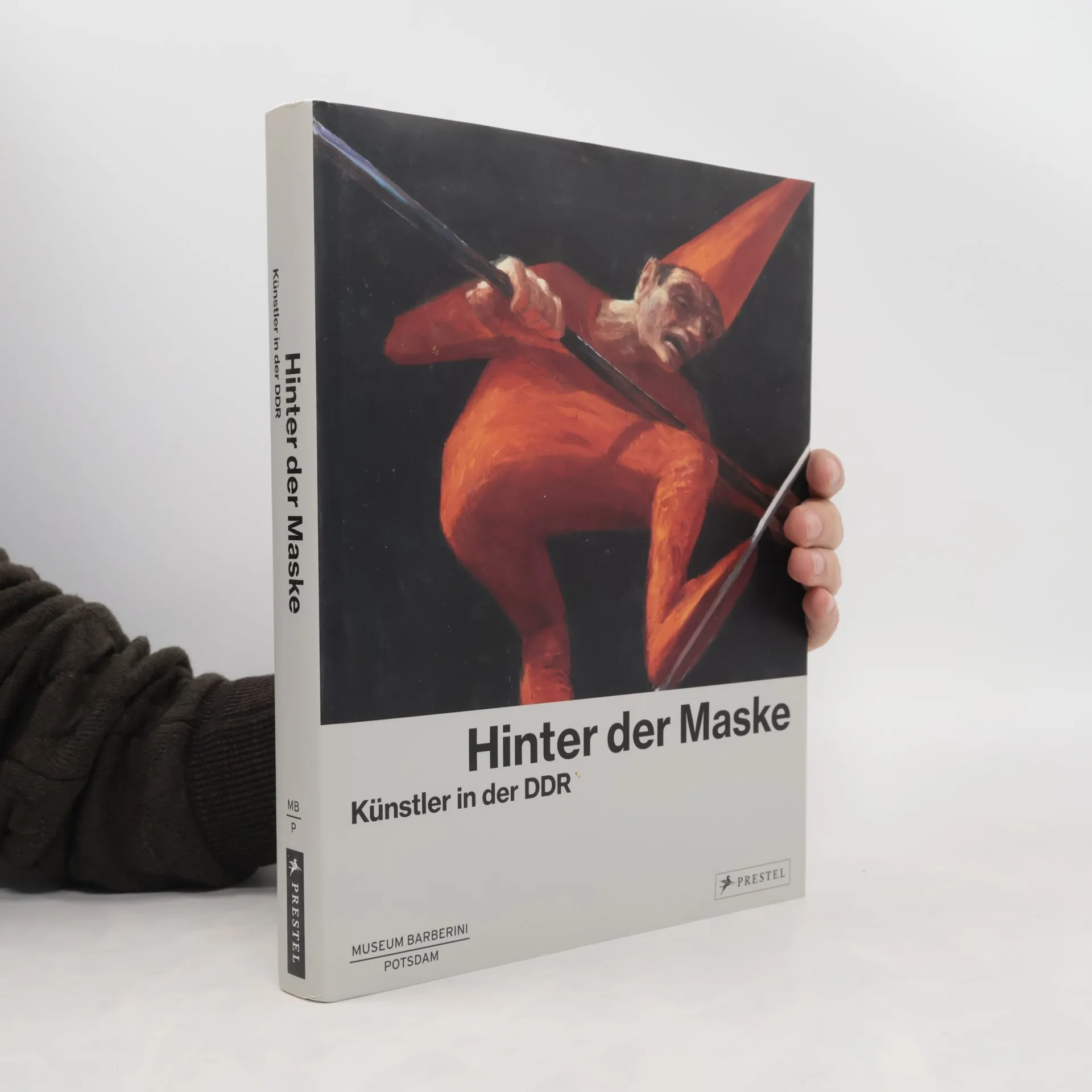
      This book offers an innovative view of the art of East Germany that will fascinate art lovers and history enthusiasts alike. Behind the Mask: Artists in the GDR focuses on the wide variety of artistic self-staging in the GDR, between public and private, prescribed collectivism and creative individuality. The intention of the GDR's official state art was to exert political influence and this resulted in ideological entanglements that have been examined in numerous publications and exhibitions in recent years. Yet how did artists in the GDR critically scrutinize themselves and their own art when their prescribed role was to represent the interests of the state? The pertinent essays and outstanding reproductions in this volume draw a comprehensive picture of art in the GDR from a new and knowledge-enhancing perspective.

      Behind the Mask
    • A New Art

      Photography and Impressionism

      • 248 pages
      • 9 hours of reading

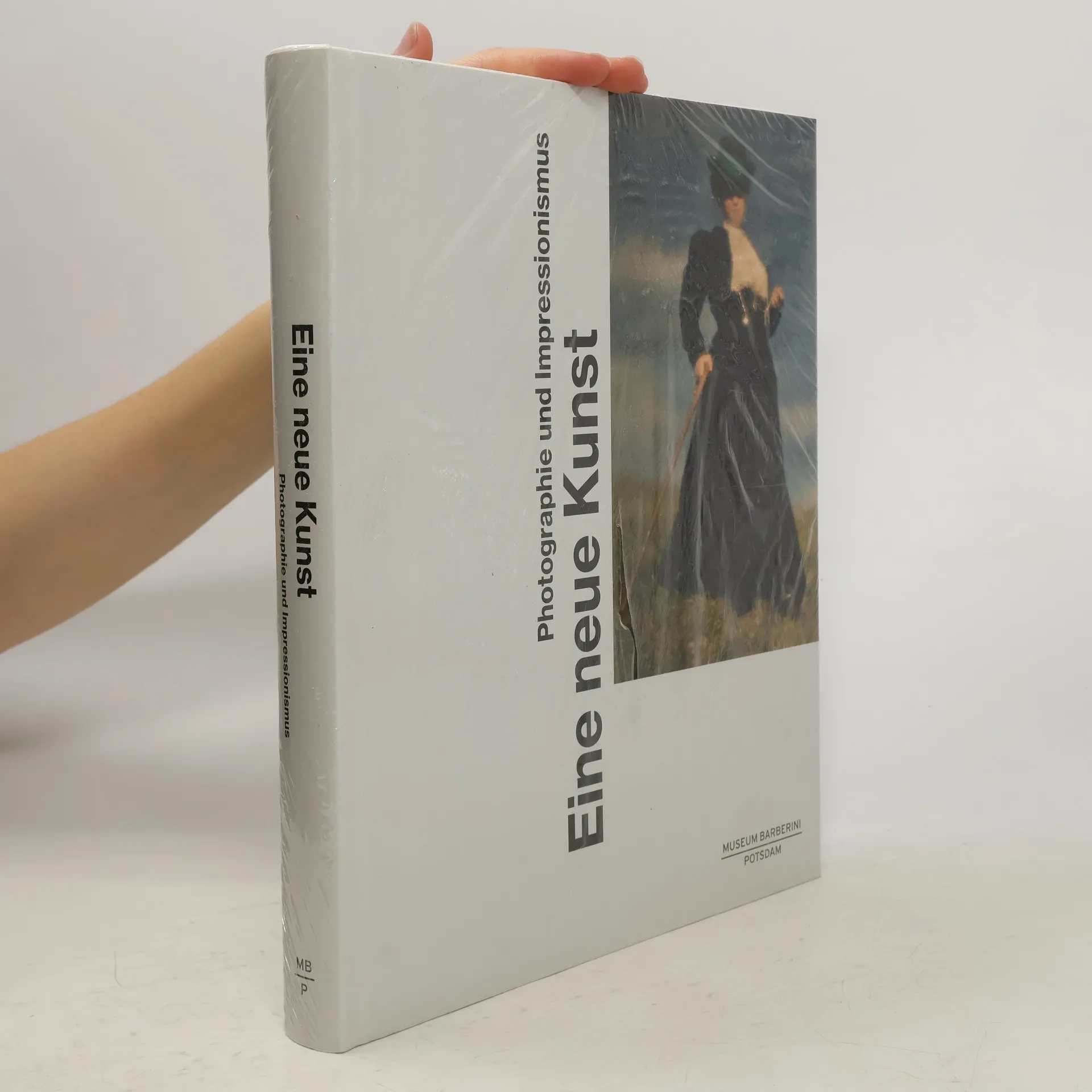
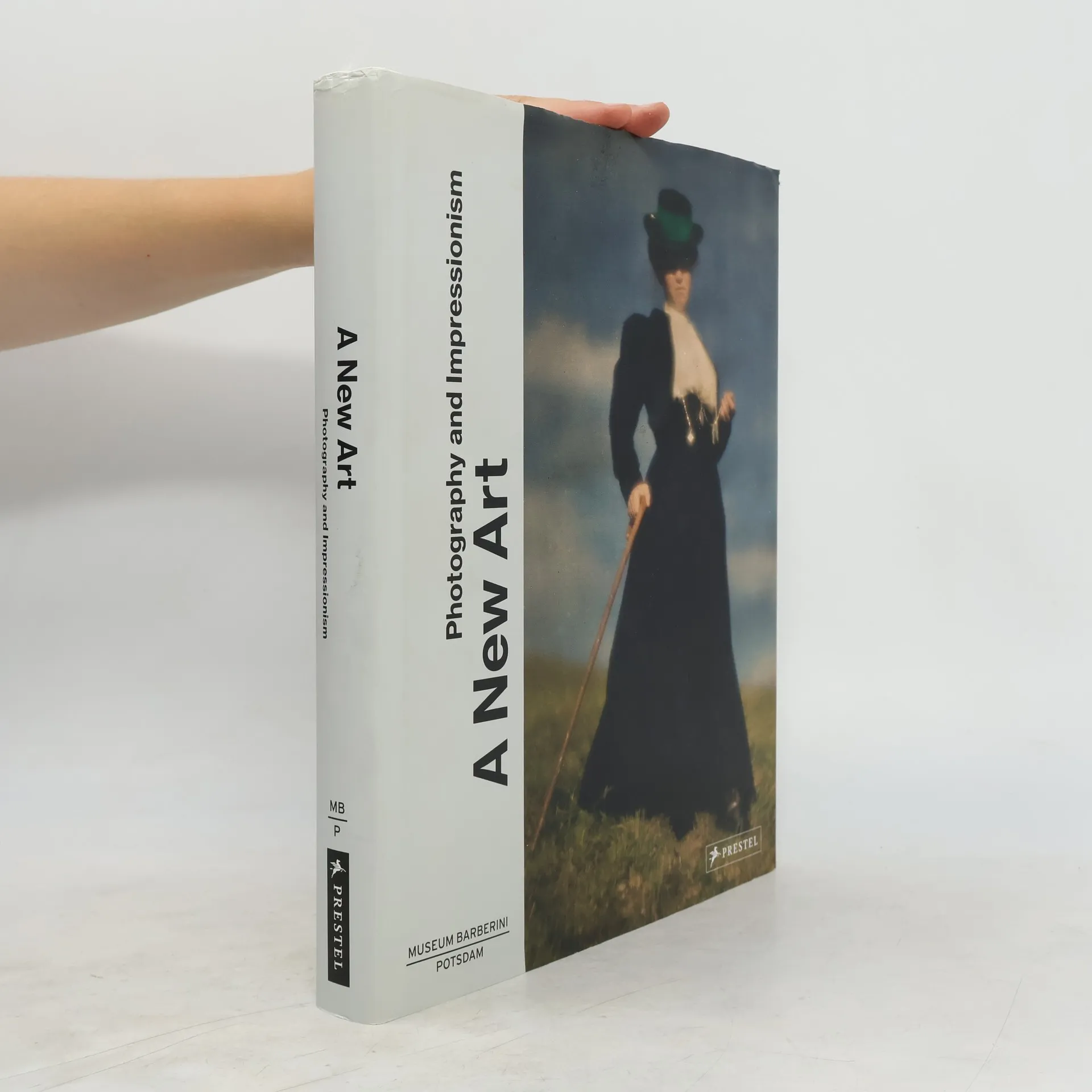
      This lavishly illustrated volume looks at the myriad ways in which the burgeoning art of photography dialogued with Impressionist painting. In the 19th century, numerous photographers chose the same motifs as Impressionist painters: the forest of Fontainebleau, the cliffs of Étretat or the modern metropolis of Paris. They, too, studied the changing light, seasons and weather conditions. From its inception, photographers pursued artistic ambitions, as evidenced by their experimentation with composition and perspective, by means of various technical procedures. Until the First World War, the relationship between photography and painting was characterized both by competition and mutual influence. The exhibition and catalogue examine these interactions and illuminate the development of the new medium from the 1850s to its establishment as an autonomous art form around 1900. With contributions by: Dominique De Font-Réaulx, Monika Faber, Matthias Krüger, Ulrich Pohlmann, Esther Ruelfs, Helene Von Saldern, Bernd Stiegler, and Daniel Zamani.

      A New Art
    • The Shape of Freedom

      International Abstraction after 1945

      • 296 pages
      • 11 hours of reading

      This book gives new insights into the flowering of radical abstraction after 1945, focussing on the creative interplay between painters in the wider orbit of Abstract Expressionism and Art Informel.Following World War II, Western painting went in completely new directions.A young generation of artists turned their backs on the dominant styles of the interwar Instead of figurative representation or geometric abstraction, painters in the orbit of Abstract Expressionism in the US and Art Informel in Western Europe pursued a radically impulsive approach to form, color, and material.As an expression of individual freedom, the spontaneous artistic gesture gained symbolic significance. Large-scale color-field compositions created a meditative space for ruminating the fundamental questions of human existence. The exhibition and catalogue examine the two sister movements against the background of a vibrant transatlantic exchange, from the 1940s through to the end of the Cold War.This lavishly illustrated volume brings together works by more than 50 artists, amongst them Alberto Burri, Jean Dubuffet, Helen Frankenthaler, K. O. Götz, Franz Kline, Lee Krasner, Georges Mathieu, Joan Mitchell, Ernst Wilhelm Nay, Barnett Newman, Jackson Pollock, Judit Reigl, Mark Rothko, Hedda Sterne, Clyfford Still, and Jack Tworkov.

      The Shape of Freedom
    • This book sheds light on the fascinating ways Rembrandt and other Golden Age painters were influenced by Eastern culture.In the 17th century, Amsterdam was a vibrant hub of the burgeoning European trade with Asia, Africa, and the Levant, importing copious amounts of foreign items that powerfully stimulated the imagination of numerous Dutch artists. This was notably the case with Rembrandt, whose curiosity and voraciousness as a collector were legendary in his time. Throughout his prolific career, he drew on Eastern influences in genres as diverse as history painting and portraiture, including depictions in which he himself adopted Oriental styled attire. This lavishly illustrated book explores the inventive ways in which Rembrandt and his contemporaries accommodated Eastern imagery into their own repertoire, set within the wider context of Holland's rapidly expanding commercial and cultural exchange with its non-European trading partners. The problematic term "Orient" was widely used in Rembrandt's time and will be discussed at great length in this catalogue.

      Rembrandt's Orient
    • Clouds and Light

      Impressionism in Holland

      • 312 pages
      • 11 hours of reading

      Discover how painters such as Van Gogh, Mondrian, and Jacoba van Heemskerck drew on the legacy of Dutch landscapes and realism to put their own spin on the Impressionist movement. Impressionism may have originated in France, but artists in late 19th- and early 20th-century Netherlands quickly made it their own. The genre’s vibrant colors and focus on light and atmosphere were a perfect complement to the country’s groundbreaking traditions of landscape painting and realism. This exhibition catalog brings together hundreds of works by nearly forty artists including Johan Barthold Jongkind, Vincent van Gogh, Jacoba van Heemskerck, and Piet Mondrian. It traces the birth of the Hague School, whose practitioners captured the changing moods of light in the coastline’s vast, grey skies. And it explores the Amsterdam Impressionists, whose cityscapes offered realistic images of modern life. Alongside vibrant reproductions of masterworks, a series of lively essays explore a diverse array of topics, including Dutch landscape painting within an international context; Dutch artist settlements and communities; and iconography in Dutch impressionism.

      Clouds and Light
    • Gerhard Richter

      • 240 pages
      • 9 hours of reading

      Gerhard Richter und die Abstraktion Die Publikation widmet sich den abstrakten Strategien und Verfahrensweisen im Gesamtwerk des Künstlers. Gerhard Richter begreift Malerei als eine Klammer um die Brüche des 20. Jahrhunderts. In den 1960er-Jahren begann eine Hinterfragung der Malerei, die ihn bis heute beschäftigt. Für die Ausschnitt-Bilder fotografierte er kleine Details aus seiner Farbpalette und übertrug sie in fotorealistischer Technik auf großformatige Leinwände. In den Farbtafeln der 1970er-Jahre überließ er die Nachbarschaften der Farben dem Zufall und unterzog die Malerei einem objektivierbaren Verfahren. Seit 1976 entsteht die Werkgruppe der Abstrakten Bilder, bei der Richter den Farbauftrag mit Pinsel, Rakel und Spachtel einem Wechselspiel aus bewussten Entscheidungen und zufälligen Prozessen überlässt. Erstmalig widmet sich eine Publikation der Abstraktion im Gesamtwerk Gerhard Richters und damit einem Hauptthema einer der weltweit prägendsten Künstlerpersönlichkeiten der Gegenwart. In Zusammenarbeit mit dem Gerhard Richter Archiv, Staatliche Kunstsammlungen Dresden Mit Beiträgen von HUBERTUS BUTIN, DIETMAR ELGER, VALERIE HORTOLANI, MATTHIAS KRÜGER, ORTRUD WESTHEIDER und ARMIN ZWEITE

      Gerhard Richter
      5.0
    • Munch

      Lebenslandschaft

      Munchs Landschaften als Spiegel der Natur und seines Seelenlebens Die erste große Publikation über Edvard Munchs Landschaften fokussiert sich auf sein Naturverständnis. Einerseits verstand er sie als sich zyklisch erneuernde Kraft, andererseits sah er die Landschaft als Spiegel seiner seelischen Zerrissenheit. Munch entwickelte ein pantheistisches Naturverständnis, das er auf die norwegischen Küsten und Wälder projizierte. Die dramatischen Wetterverhältnisse in seinen Gemälden erhalten vor dem Hintergrund der aktuellen Klimakrise eine überraschende Brisanz. Der Katalog versammelt rund 90 Werke, u. a. aus dem Munchmuseet, Oslo, dem Museum of Modern Art, New York, dem Dallas Museum of Art, der Staatsgalerie Stuttgart, dem Museum Folkwang, Essen, und dem Von der Heydt-Museum, Wuppertal. Publikation des Museums Barberini, Potsdam, in Zusammenarbeit mit dem Clark Art Institute, Williamstown, und dem Munchmuseet, Oslo.

      Munch
      5.0
    • Impressionismus

      • 248 pages
      • 9 hours of reading

      Das Museum Barberini in Potsdam zeigt vom 5. September 2020 an dauerhaft die umfangreiche Sammlung impressionistischer Gemälde des Museumsgründers Hasso Plattner - darunter Meisterwerke von Monet, Renoir und Signac. Mit 34 Gemälden von Claude Monet sind außerhalb von Paris nirgends in Europa mehr Werke dieses Künstlers an einem Ort zu sehen. Potsdam wird damit eines der weltweit wichtigsten Zentren impressionistischer Landschaftsmalerei. So bietet das Museum Barberini neben seinen Wechselausstellungen in internationalen Kooperationen eine in Deutschland einmalige Sammlung

      Impressionismus
      3.0
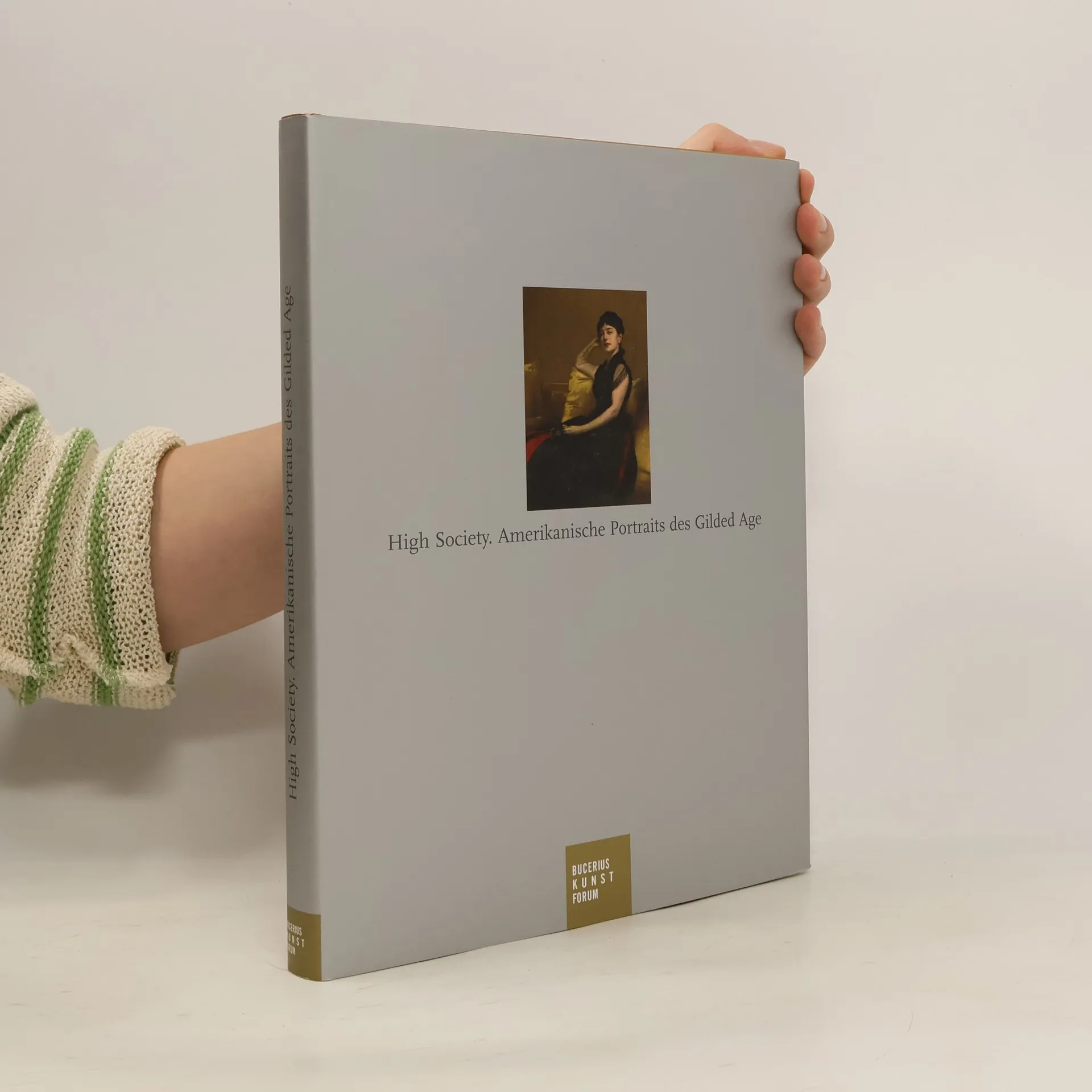
    • High Society

      amerikanische Portraits des Gilded Age

      • 224 pages
      • 8 hours of reading
      High Society
    • Jasper Johns

      • 128 pages
      • 5 hours of reading

      Mit einem Beitrag von Judith Goldman. Jasper Johns gehört zu den wichtigsten Vertretern der amerikanischen Pop Art. Neben farbstarken, großformatigen Gemälden entstand im Lauf seines Lebens ein druckgraphisches Werk, das den Künstler als Peintre-Graveur in eine Reihe mit Picasso stellt. Für seine jüngste Serie - The 100 Monotypes - arbeitete er mit dem Abdruck seiner Hand und Symbolen der amerikanischen Gebärdensprache. Johns verwandte dieselbe Platte für 100 unterschiedliche Drucke, bei denen er teils Materialien wie eine Schnur, Schablonen und Blätter hinzufügte. Durch dieses Verfahren konnte er das Singuläre eines Gemäldes in das Medium der Graphik übertragen. Das Buch begleitet die Ausstellung, mit der das Museum Barberini Jasper Johns anlässlich seines 90. Geburtstags 2020 würdigt. Neben großformatigen Abbildungen aller 100 Monotypien beinhaltet es einen Essay von Judith Goldman, der die Werkreihe im druckgraphischen Oeuvre des Künstlers verortet. Mit Geleitworten von Guy Wildenstein und Barbara Bernstein. In Zusammenarbeit mit Stefanie Plattner und Vanessa Wildenstein

      Jasper Johns
    • Die Publikation Von Hopper bis Rothko. Amerikas Weg in die Moderne widmet sich der amerikanischen Kunst vom Impressionismus bis zum Abstrakten Expressionismus mit selten gezeigten Werken aus der Phillips Collection, Washington DC. Im Gilded Age setzte mit Landschaftsmalerei eine Entwicklung ein, die im Wechselspiel mit europäischen Einflüssen zur Abstraktion führte. Das Buch stellt Duncan Phillips als Sammler und Förderer dieser jungen Kunst vor. Es enthält Essays von amerikanischen und europäischen Autorinnen, die die repräsentative Auswahl von 68 Gemälden von 50 Künstlerinnen und Künstlern in den Kontext der gesellschaftlichen Entwicklung der USA stellen. Die hier versammelten Werke erzählen die parallelen und diversen Kunstgeschichten einer jungen Nation. The Phillips Collection, Washington DC, in Zusammenarbeit mit dem Museum Barberini, Potsdam. Mit Beiträgen von Susan Behrends Frank, Alexia Pooth, Susanne Scharf, Corinna Thierolf, Ortrud Westheider und Sylvia Yount.

      Von Hopper bis Rothko
    • Sonne

      Die Quelle des Lichts in der Kunst

      Sonne
    • Eine neue Kunst

      Photographie und Impressionismus

      • 280 pages
      • 10 hours of reading
      Eine neue Kunst
    • Impressionismus

      Die Sammlung Hasso Plattner

      • 336 pages
      • 12 hours of reading
      Impressionismus
    • Wolken und Licht

      Impressionismus in Holland

      Eine faszinierende Facette des Impressionismus Die Landschaftsmalerei hat in den Niederlanden ihren Ursprung. Der Realismus der Alten Meister des 17. Jahrhunderts blieb der Maßstab. Mit der in Frankreich entwickelten Malerei unter freiem Himmel erhielten die niederländischen Maler des 19. Jahrhunderts neue Impulse. Die Haager Schule fing die sich wandelnden Lichtstimmungen der Natur in hohen Wolkenhimmeln mit vielen Grauschattierungen ein. Ab den 1880er Jahren wurden im Wechselspiel mit impressionistischen Einflüssen aus Frankreich die Stadtlandschaft und das moderne Leben ein Thema, bevor mit dem Pointillismus die Entfesselung der Farbe die Malerei bestimmte. Die Publikation, eine umfassende und bahnbrechende Betrachtung der Holländischen Malerei des 19. Jahrhunderts, versammelt zahlreiche Werke von etwa 40 Künstlerinnen und Künstlern, darunter Johan Barthold Jongkind, Vincent van Gogh, Jacoba van Heemskerck und Piet Mondrian.

      Wolken und Licht
    • Hinter der Maske

      • 279 pages
      • 10 hours of reading

      Die Publikation Hinter der Maske. Künstler in der DDR widmet sich den vielfältigen Spielarten künstlerischer Selbstinszenierung in der DDR zwischen Rollenbild und Rückzug, verordnetem Kollektivismus und schöpferischer Individualität. In der DDR gab es eine offizielle Staatskunst, die politisch wirken sollte. Diese ideologischen Verflechtungen wurden in den vergangenen Jahren in zahlreichen Publikationen und Ausstellungen untersucht. Wie aber reflektierten die Künstler im kritischen Blick nach innen ihr Selbstverständnis und ihr Verhältnis zur vorgeschriebenen staatstragenden Funktion? Die Aufsätze und herausragenden Reproduktionen dieses Bandes zeichnen ein umfassendes Bild der Kunst in der DDR unter diesem ebenso neuen wie unverstellten Blickwinkel. Mit Beiträgen von u. a. Valerie Hortolani, Hannah Klemm, Petra Lange-Berndt, Michael Philipp, Carolin Quermann und Martin Schieder.

      Hinter der Maske
    • Mondrian, Farbe

      • 207 pages
      • 8 hours of reading

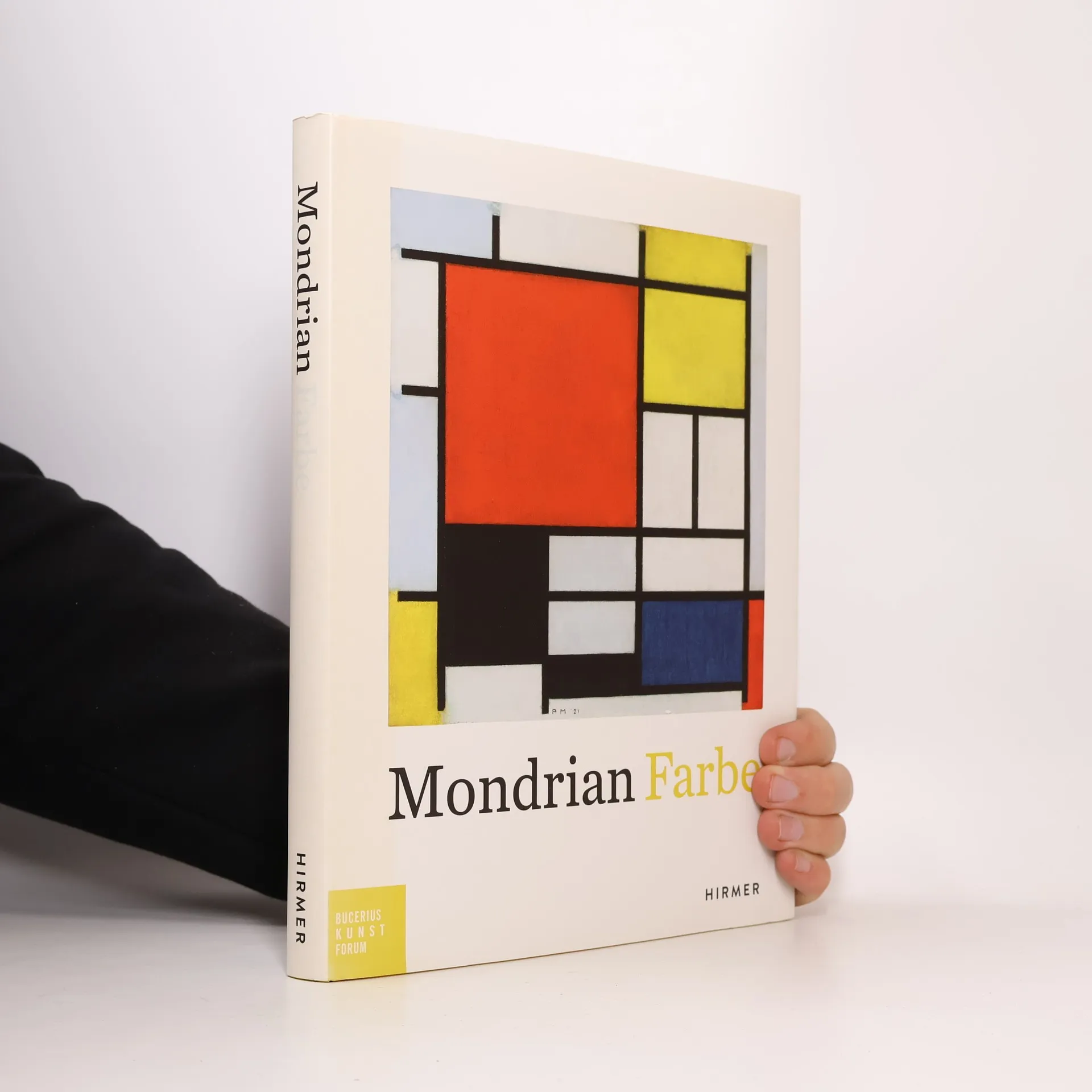
      Rot, Gelb und Blau sind die Farben, die Mondrians Werk berühmt machten. Von seinen Anfängen mit traditionellen Landschaften entwickelte er sich zum Pionier der Farbfeldmalerei. Erstmals geht das Katalogbuch Mondrian. Farbe in Aufsätzen und Katalogeinträgen der Bedeutung der Farbe für Mondrian nach. Farbe war für Mondrian zunächst das Material der Wirklichkeit. Sein Frühwerk bestimmen die erdigen Farben der niederländischen Landschaft. Goethes Farbenlehre lenkte seine Aufmerksamkeit auf die Primärfarben. In seinen Dünenbildern entließ er die Farbe in die Abstraktion. Aufbauend auf eine kubistische Phase, entwickelte Mondrian geometrische Strukturen, in denen er die Farbe unabhängig vom Gegenstand einsetzte. Ab 1921 malte er ausschließlich mit den Primärfarben, kombinierte sie mit weißen Flächen und schwarzen Linien. Mondrian strebte nach einer unmittelbaren Harmonie. Das Katalogbuch dokumentiert Mondrians Umgang mit der Materialität der Farbe und seinen schrittweisen Werkprozess.

      Mondrian, Farbe
    • New York ist die Hauptstadt der Photographie. Bereits vor 1900 regten die rasant wachsende Skyline und die Dynamik der Metropole die Pioniere des neuen Mediums an. Sie photographierten Wolkenkratzer, Häfen, Bahnhöfe, und entdeckten die Photographie für die Kunst. Alfred Stieglitz, avantgardistischer Photograph und Galerist, stellte sie als erster mit moderner Malerei aus. In seinem Umfeld entwickelte sich der Pikorialismus von einer impressionistischen Bildauffassung in die beiden Richtungen der amerikanischen Photographie: die street photography und die photographische Abstraktion. Lewis Hine hält Einwanderschicksale und Kindernot mit soziologisch-dokumentarischem Blick fest. Für Man Ray, der als Maler begonnen hat, wird Photographie zum bevorzugten Medium für seine dadaistische Bildwelt. Berenice Abbott und Weegee portraitieren das Leben der Menschen in New York - Momentaufnahmen aus der pulsierenden Großstadt. Das Katalogbuch zur Ausstellung stellt 170 Arbeiten von 40 Photographen und in fünf Essays die neuen Forschungen zur amerikanischen Photographie in der ersten Hälfte des 20. Jahrhunderts vor.

      New York photography 1890 - 1950