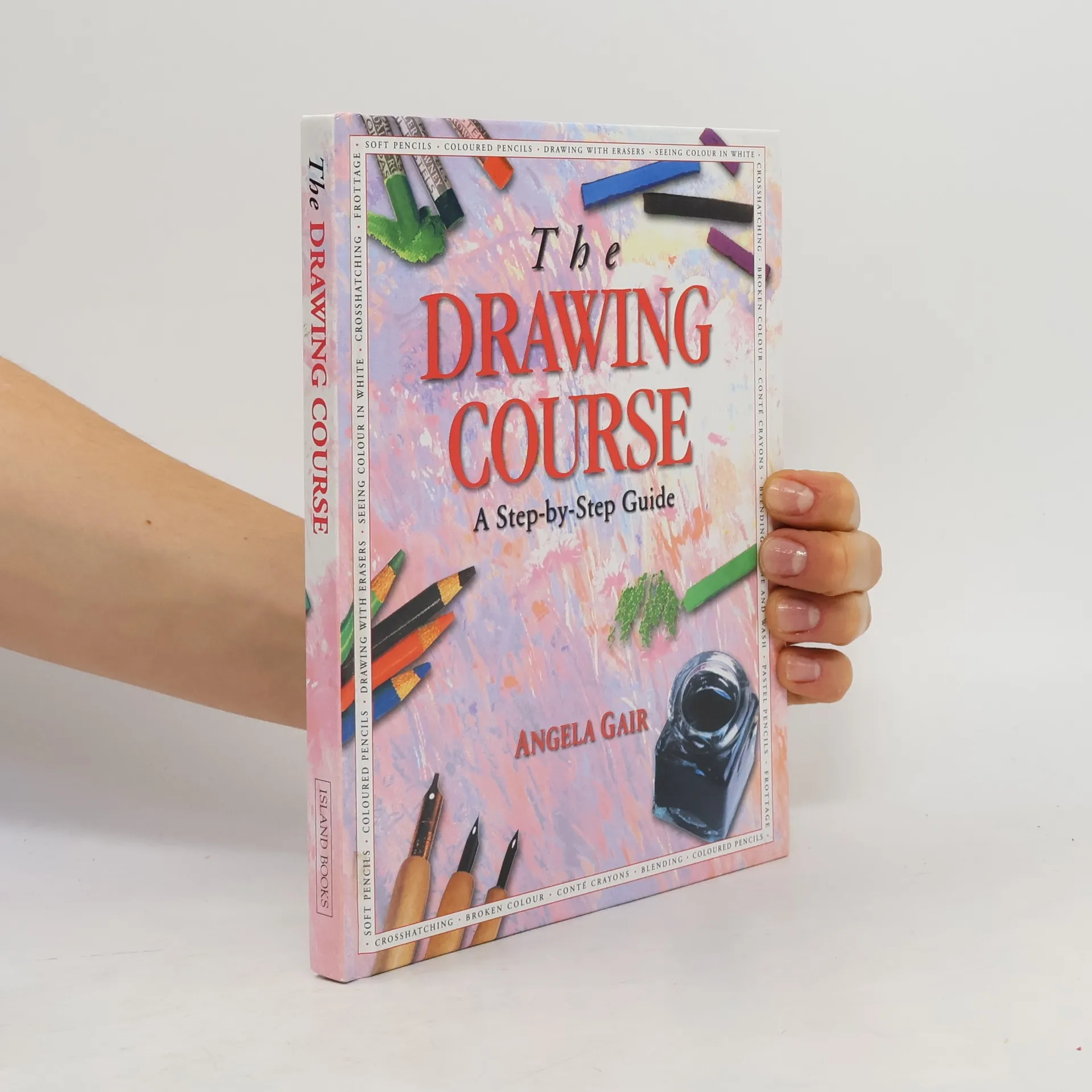
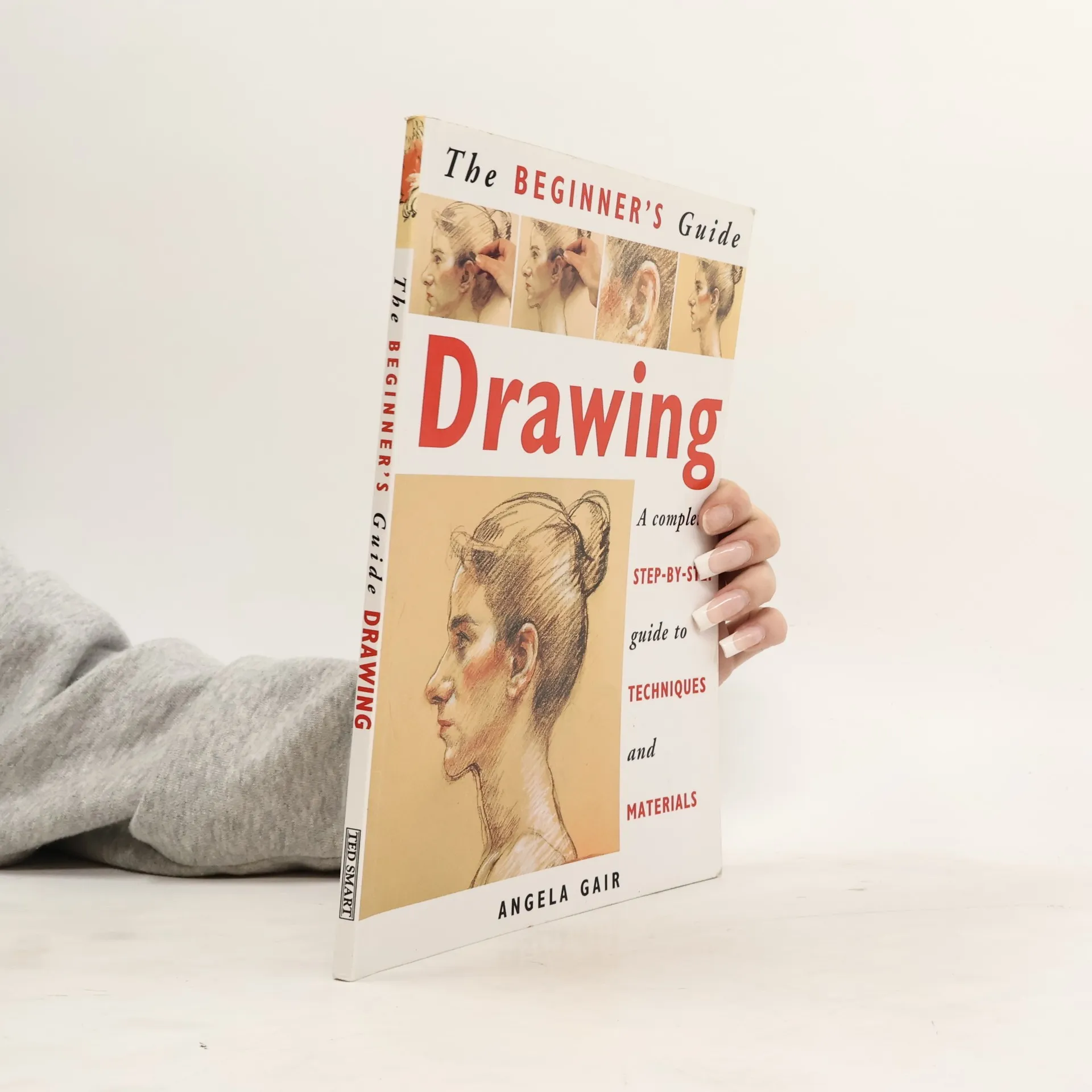
Covering landscapes, buildings, animals, people, still lifes, and interiors, this book of projects demonstrates how to observe and put down the key elements in a drawing and then how to add detail and atmosphere.
Angela Gair Books
January 1, 1954
Angela Gair is a painter and writer who studied fine art at Sheffield Polytechnic. She spent several years painting across Italy, Spain, France, and Switzerland following her studies. In addition to being a practicing artist, she has also worked as an art teacher and contributed to art education magazines, authoring several instructional books on the subject.

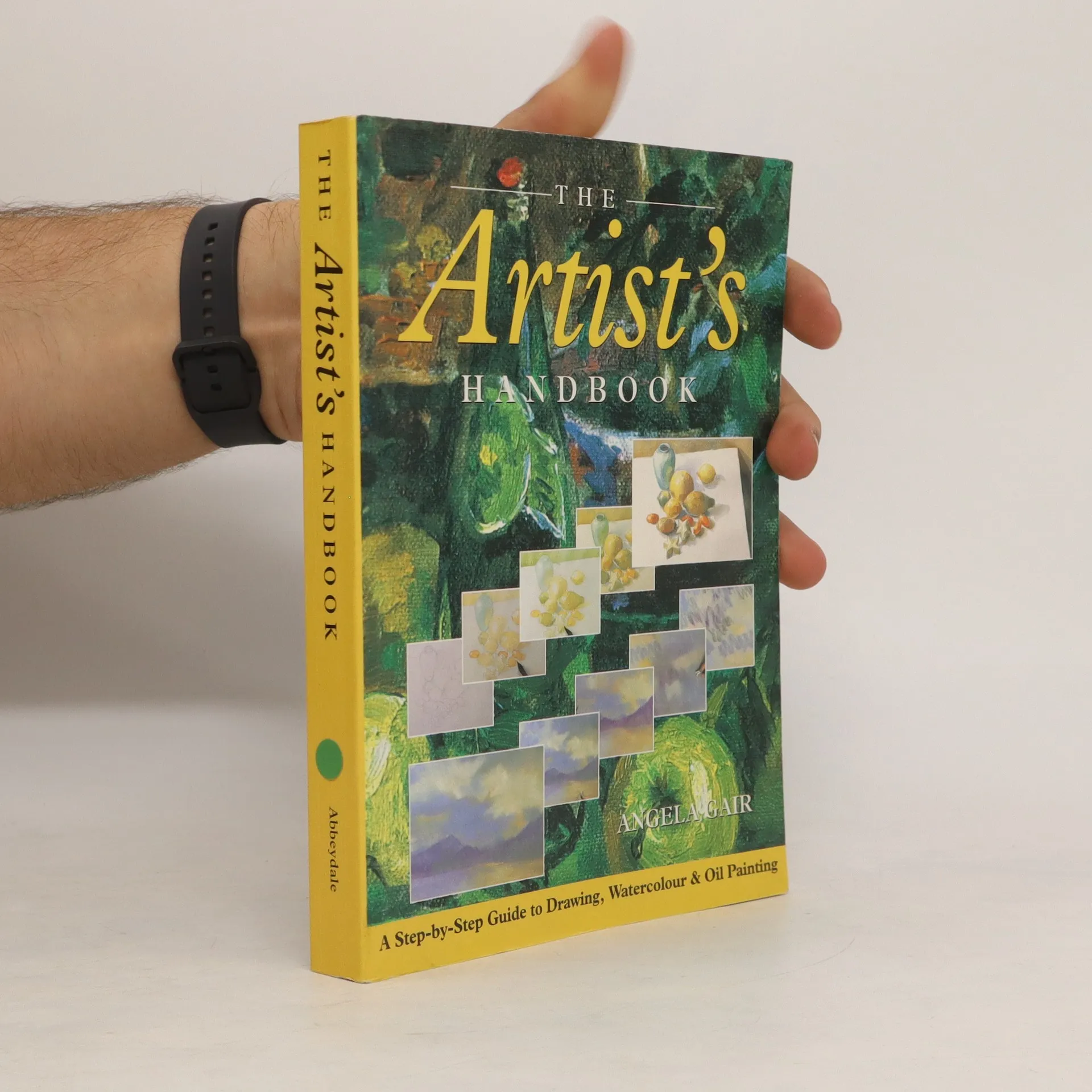
The Artist's Handbook
- 256 pages
- 9 hours of reading
From simple first strokes to elaborate finished paintings, this complete guide leads the beginner through all the tricks and techniques an artist needs to know. The handbook features more than 250 pages of original, colorful, and simple projects. Novices will learn the underlying theory, master the basic principles, and benefit from helpful hints.
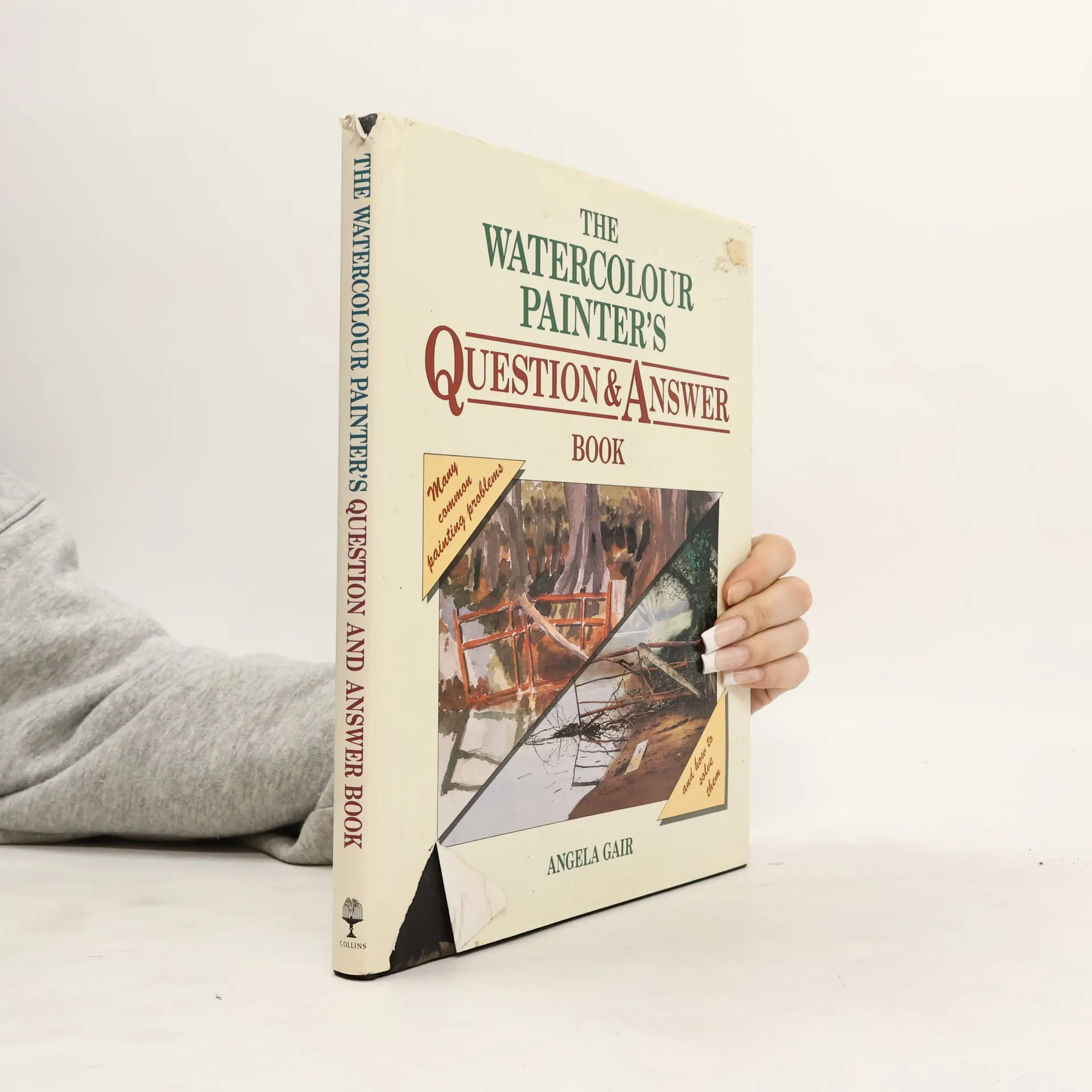
The Watercolour Painter's Question & Answer Book
- 144 pages
- 6 hours of reading
Watercolor is a technique where it is often difficult to identify the mistakes in a painting that does not meet the artist's expectations. This volume thoroughly analyzes the most common flaws of beginners and offers solutions to learn from mistakes with the guidance of experienced painters.
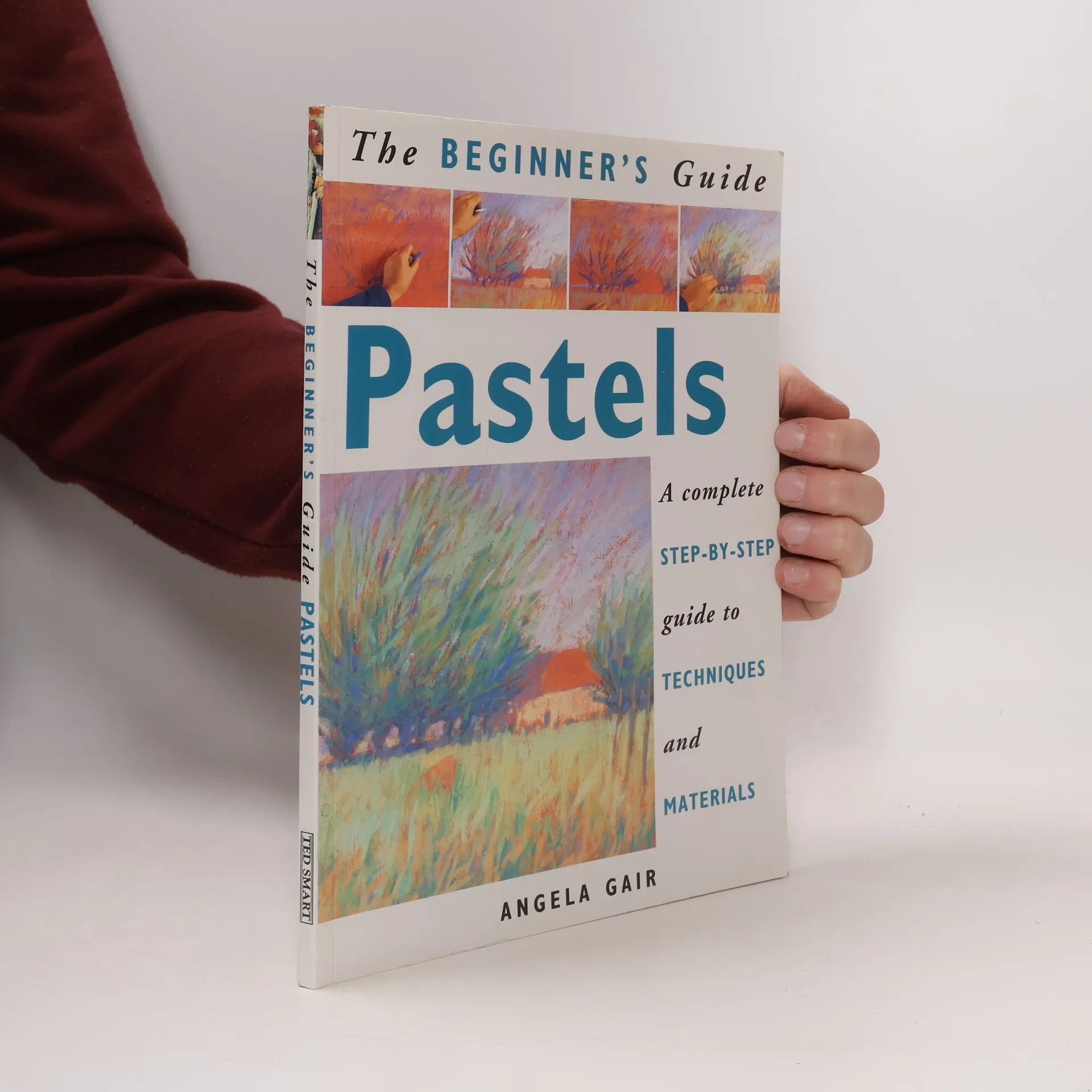
The Beginner's Guide: Pastels
A Complete Step-by-Step Guide to Techniques and Materials
- 96 pages
- 4 hours of reading
Pastels capture lightning in a bottle, as this medium works spectacularly well when painting quickly. Pastels blend smoothly and swiftly, allowing you to portray the immediate moment—those brief shifts of light or sudden scenes—before they fade away. Choose from soft pastels with vibrant colors that smudge perfectly, hard pastels for adding crisp details, easily controlled pencils, and oil pastels for buttery strokes. Apply these to a variety of surfaces, including pastel, watercolor, charcoal, and velour papers, as well as canvas and cotton fabrics. Experiment with texture, color, and toning. Accessories such as craft knives, charcoal, torchons, brushes, tissues, and fixatives create a diversity of effects and protect the finished painting. Directions explain how to clean, erase, and fix pastels. A gallery of modern paintings will help you hone your skills in overlaying color, feathering, blending, working on canvas, using colored grounds, mixing media, making expressive strokes, pointillism, hatching and crosshatching, and using glasspaper.
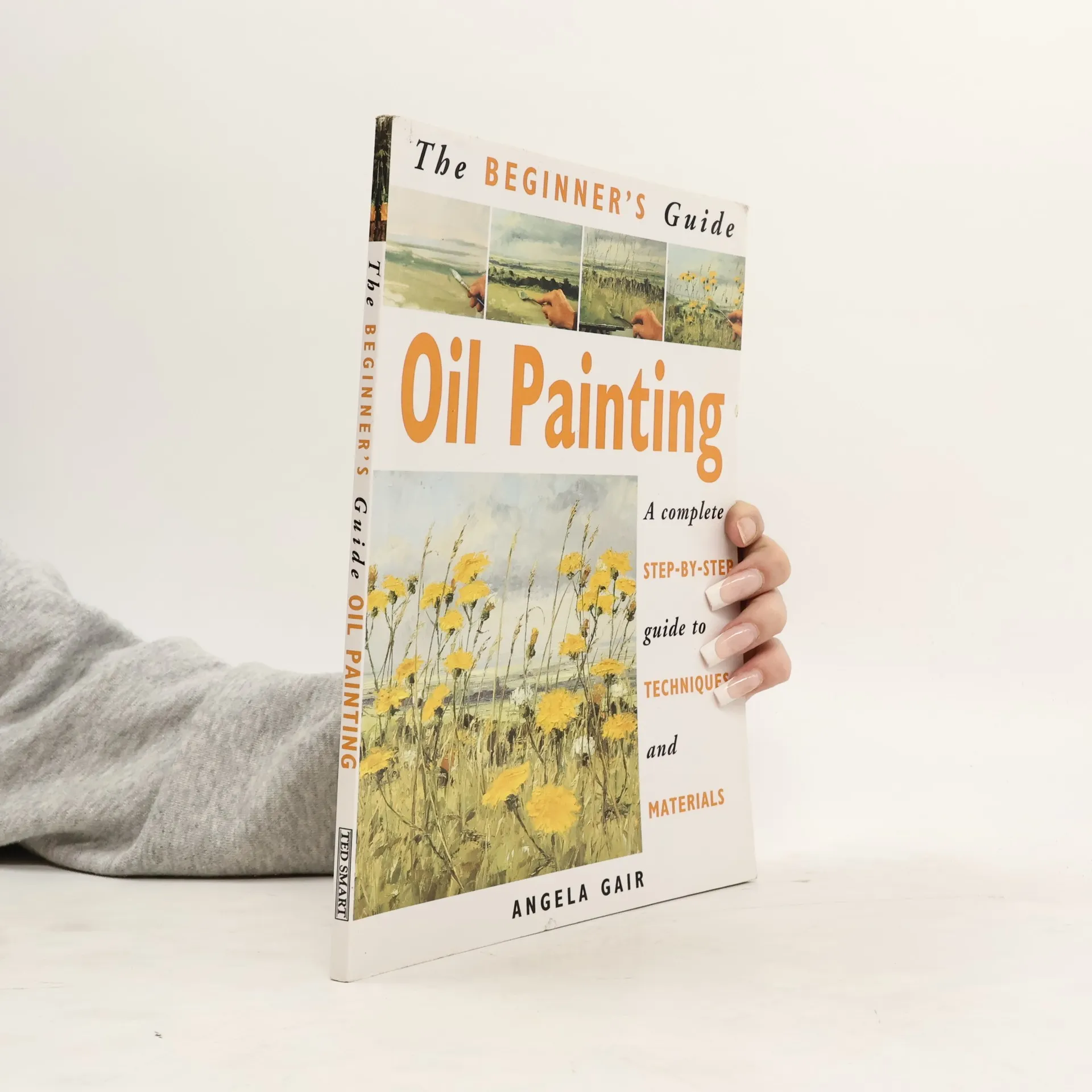
Oil Painting
- 96 pages
- 4 hours of reading
Contrary to popular belief, oil is not a "difficult" medium to work with. On the contrary, it is an excellent medium for beginners because it is very easy to correct mistakes, either by erasing or repainting. Oil is also a highly flexible medium; its smooth consistency allows for considerable manipulation on the canvas, creating an endless range of textures and effects due to its slow drying time. When thinned with a solvent, it can be used to lay down subtle, transparent glazes that seem to glow with inner light. When applied directly from the tube, it can create thick, rich impastos, where the texture of the paint and brush strokes become an integral part of the final appearance of the work.
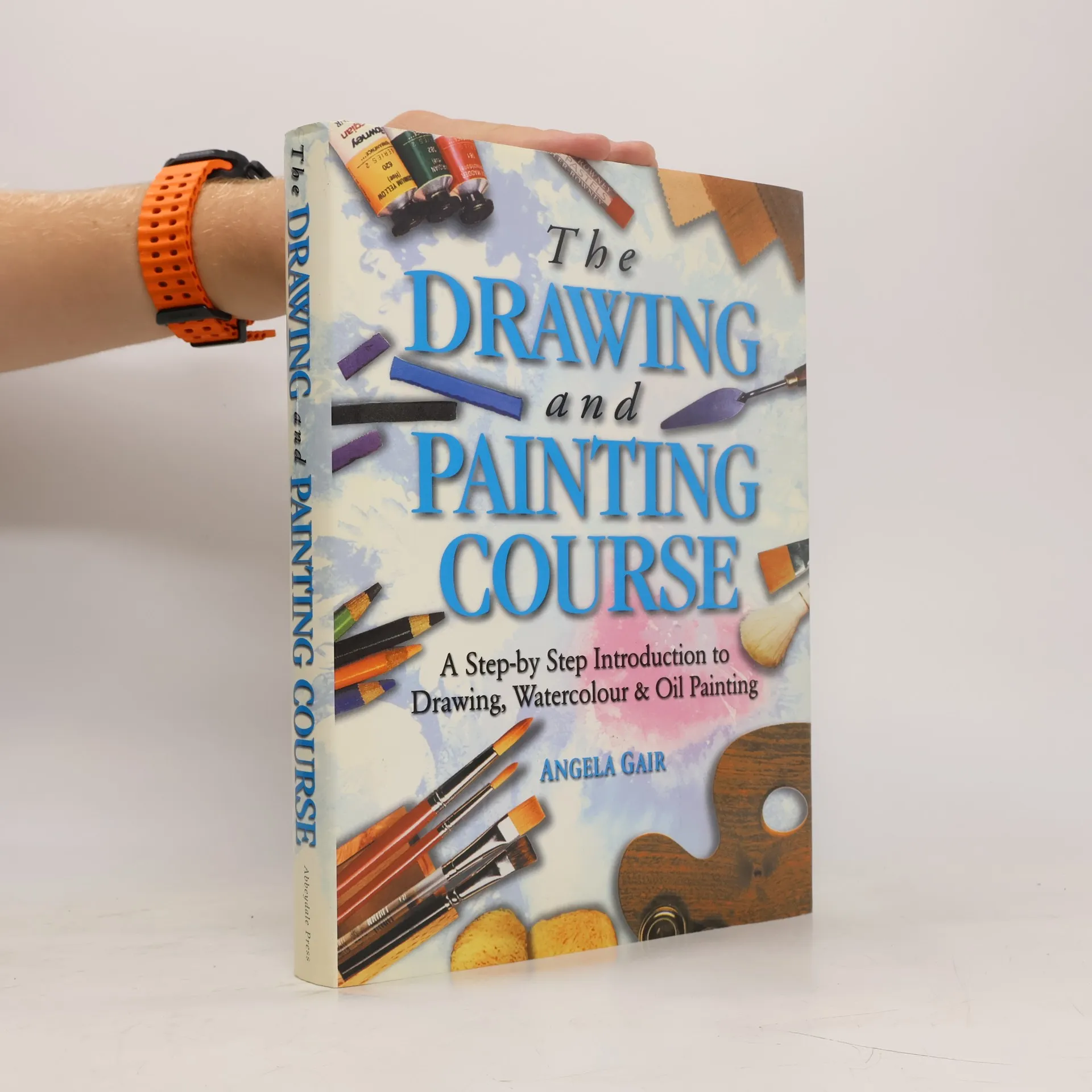
The Drawing and Painting Course
A Step-By-Step Introduction to Drawing, Watercolour and Oil Painting
This stunningly illustrated, project-based course on drawing and painting for the beginner is divided into three sections: drawing, watercolour and oil painting.
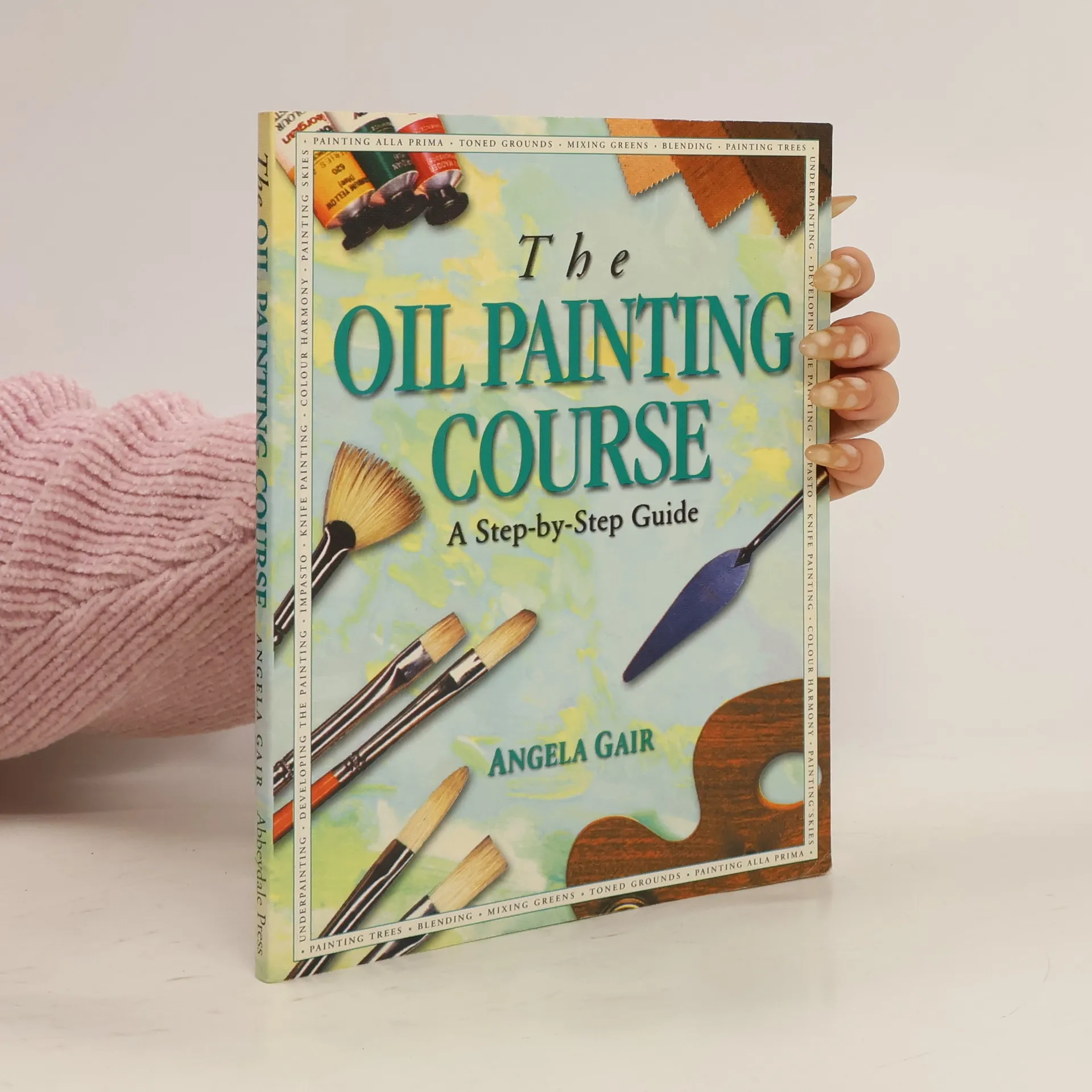
The Oil Painting Course is a practical, easy-to-follow quide through the different techniques involved in oil painting.
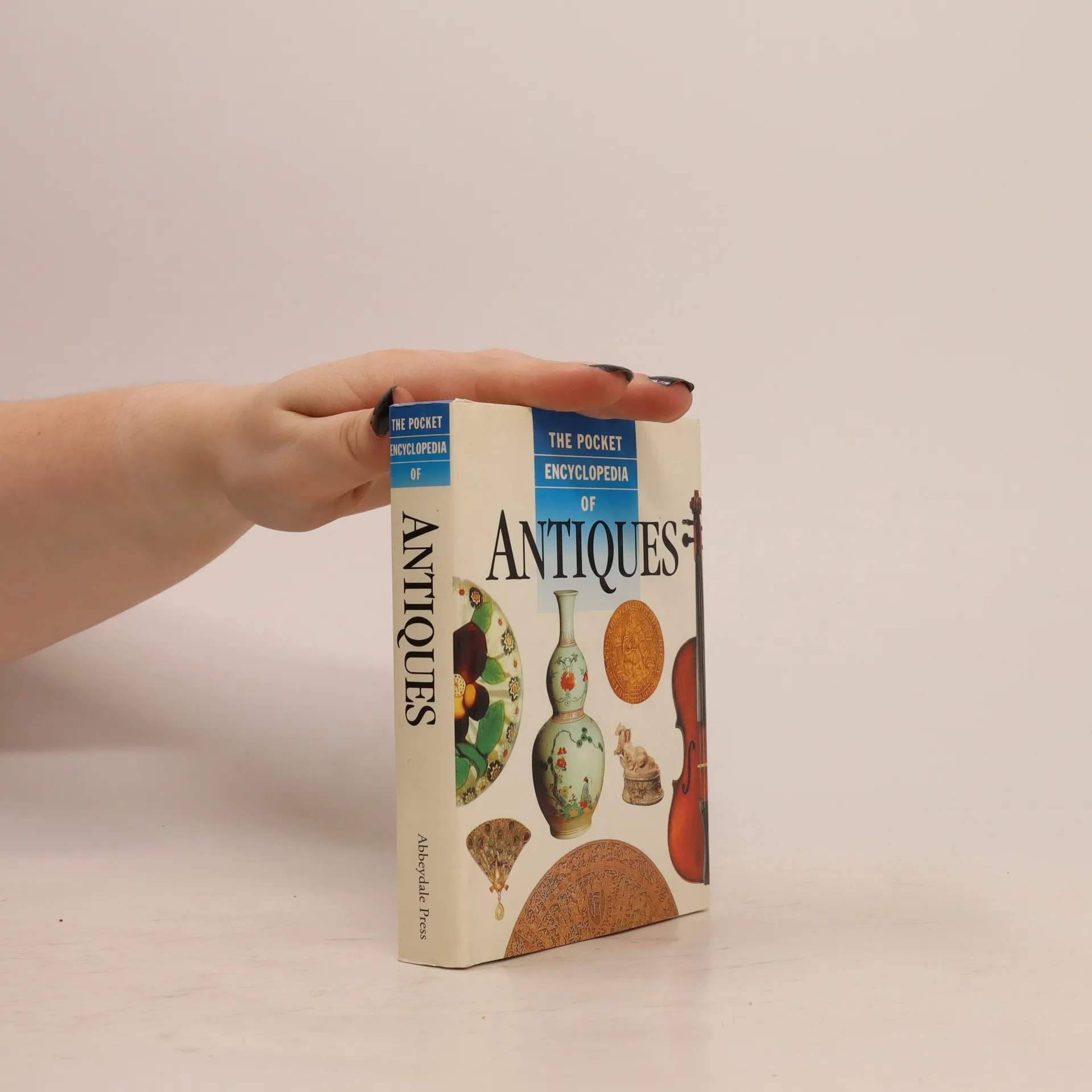
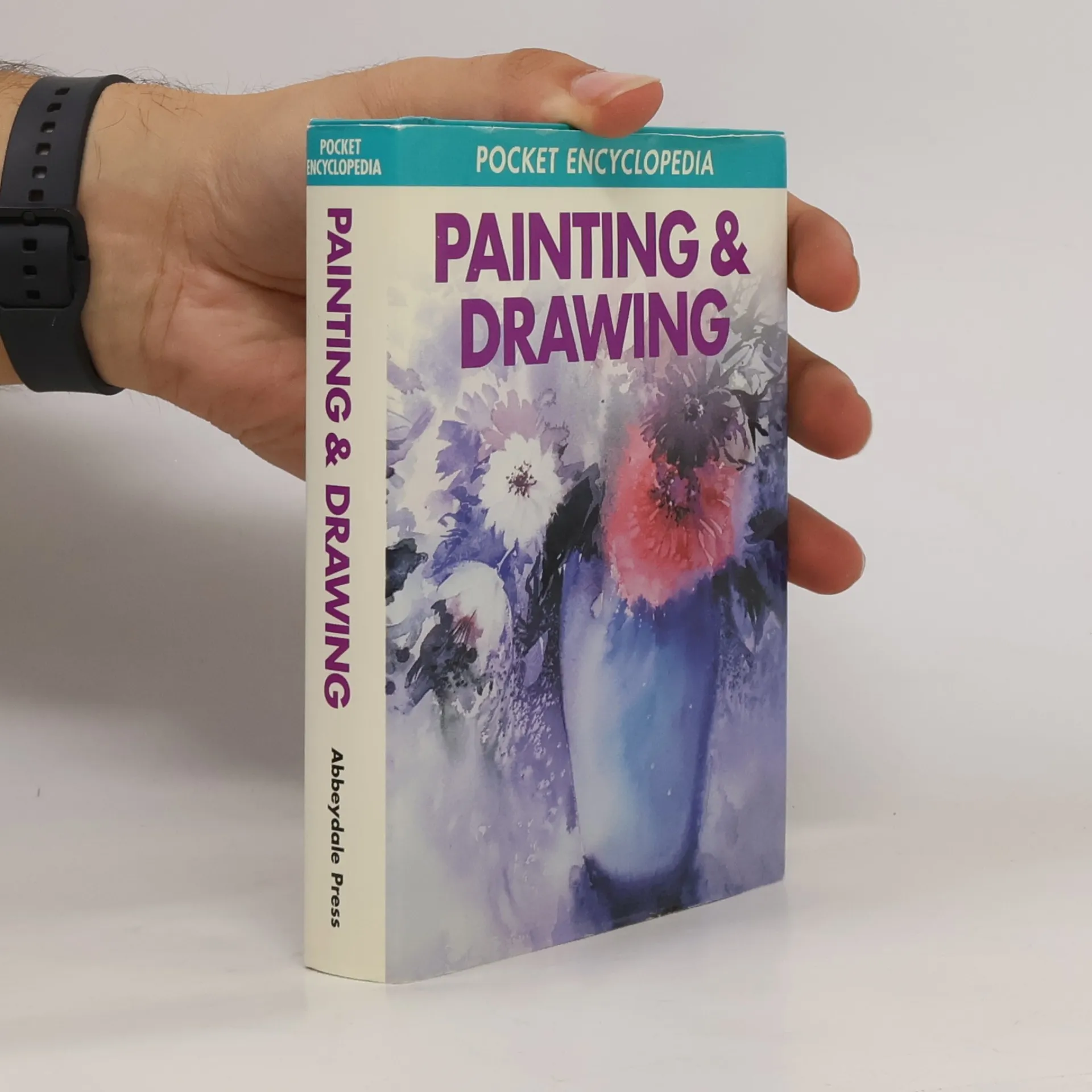
The Pocket Encyclopedia of Antiques
- 256 pages
- 9 hours of reading
4to. remains of sticker to top front cover.
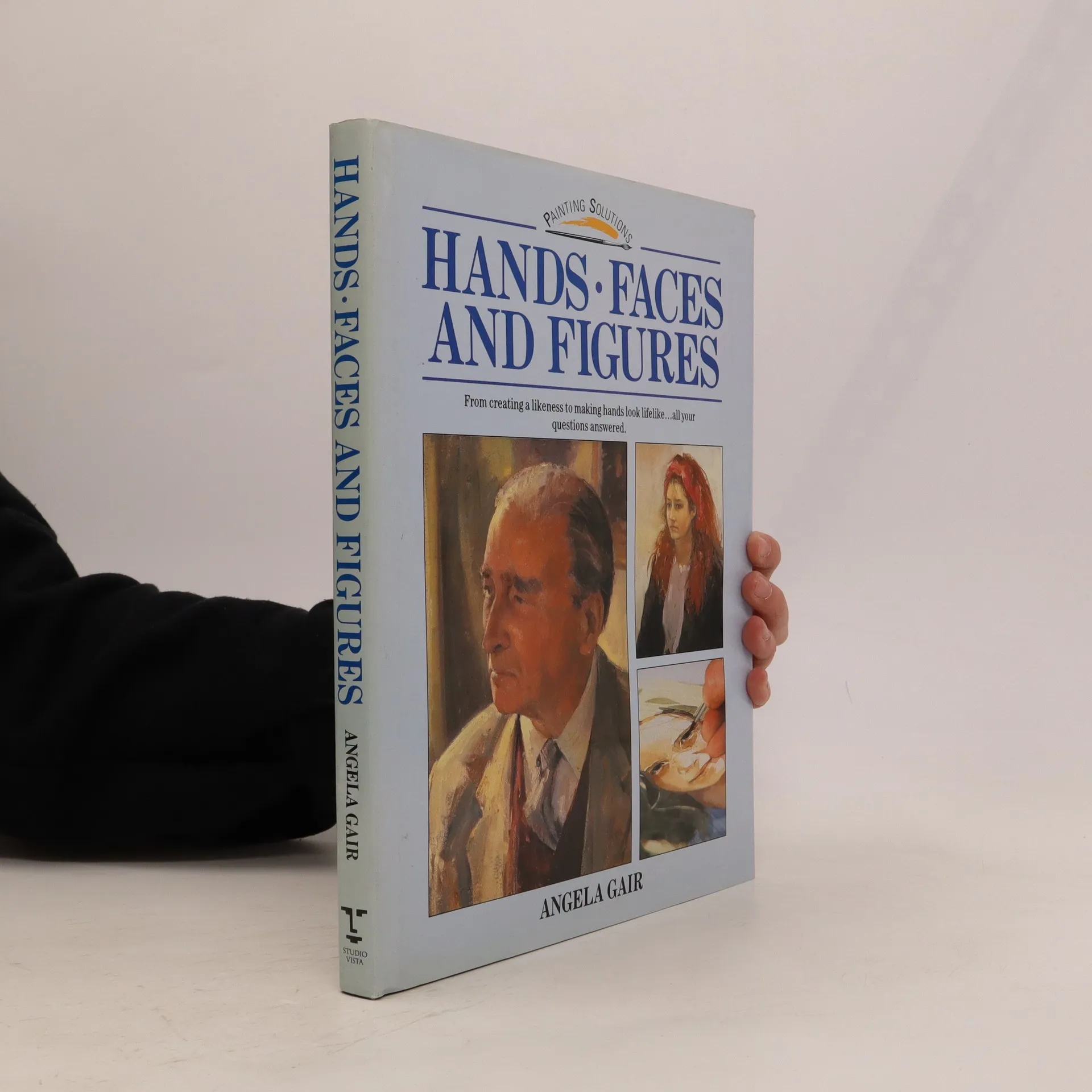
Hands, Faces and Figures
- 144 pages
- 6 hours of reading
Starts by outlining the basic techniques involved in drawing and painting the head in various positions and in the right proportions. This book then goes on to demonstrate how to draw and paint figures and finally to details such as composition, light, colour and tone.
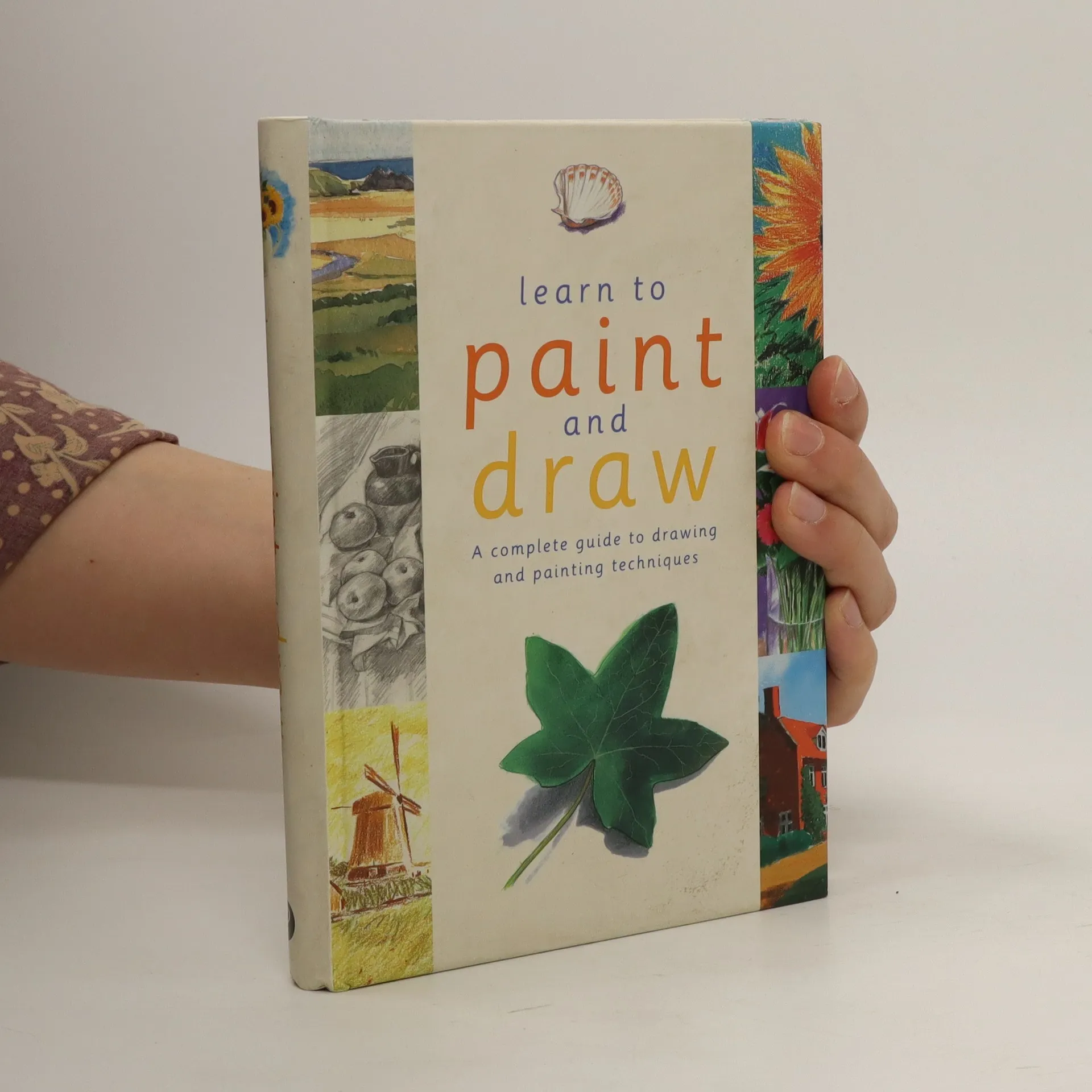
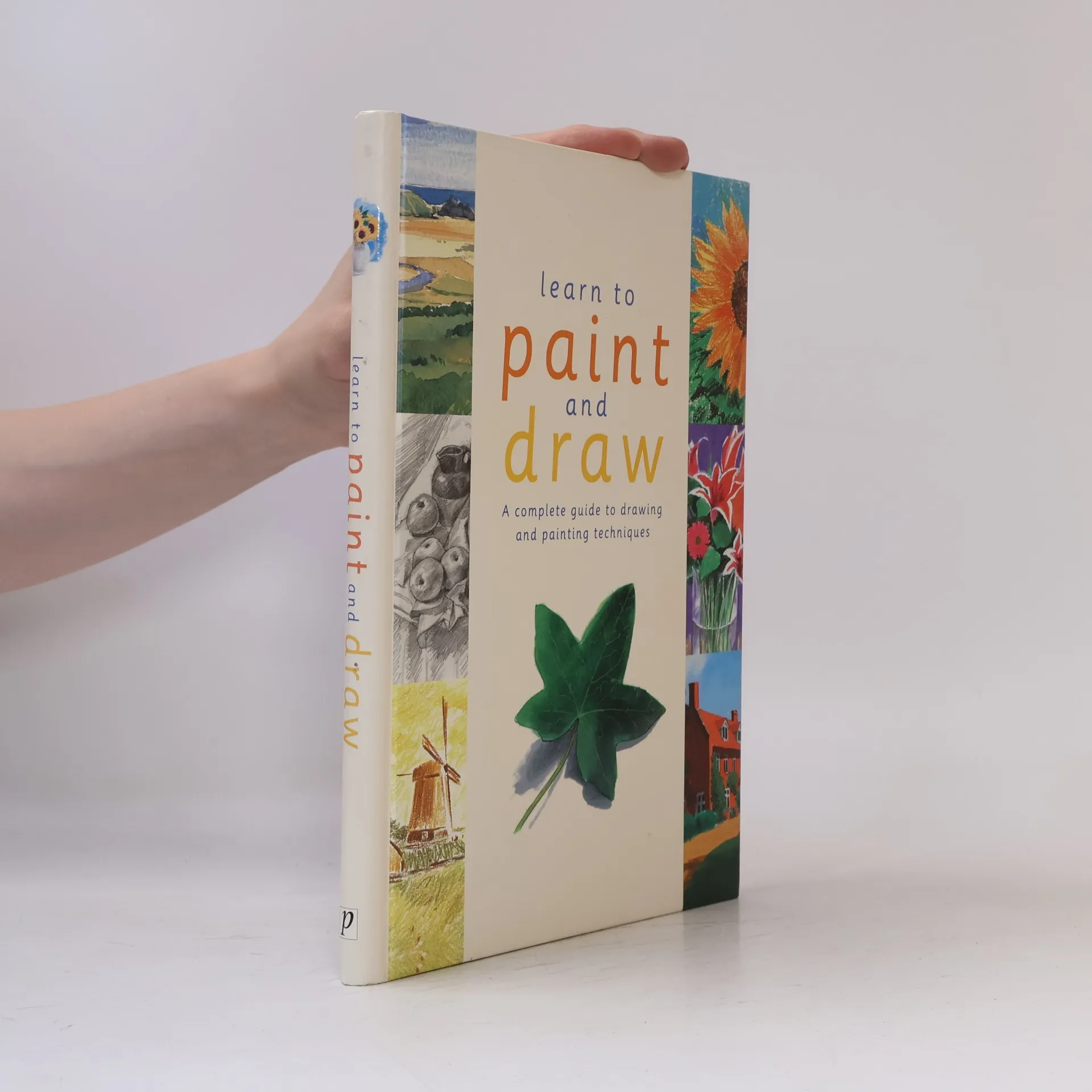
Learn to paint and draw : a complete guide to drawing and painting techniques
- 128 pages
- 5 hours of reading
The Complete Step-by-Step Portrait Painting Course
- 112 pages
- 4 hours of reading
Step-by-step instructions on portrait painting including:Buying materials and equipmentTechniques for different mediaBuilding a solid, convincing likenessComposition and poseFormal and informal portraitsWorking from life and photographs
Learn to Paint and Draw
- 128 pages
- 5 hours of reading
Unmarked text. Hardcover with spiral binding inside to allow for use of the book flat. Covers materials, theories, and subject matter. Includes projects. 128p. Index.
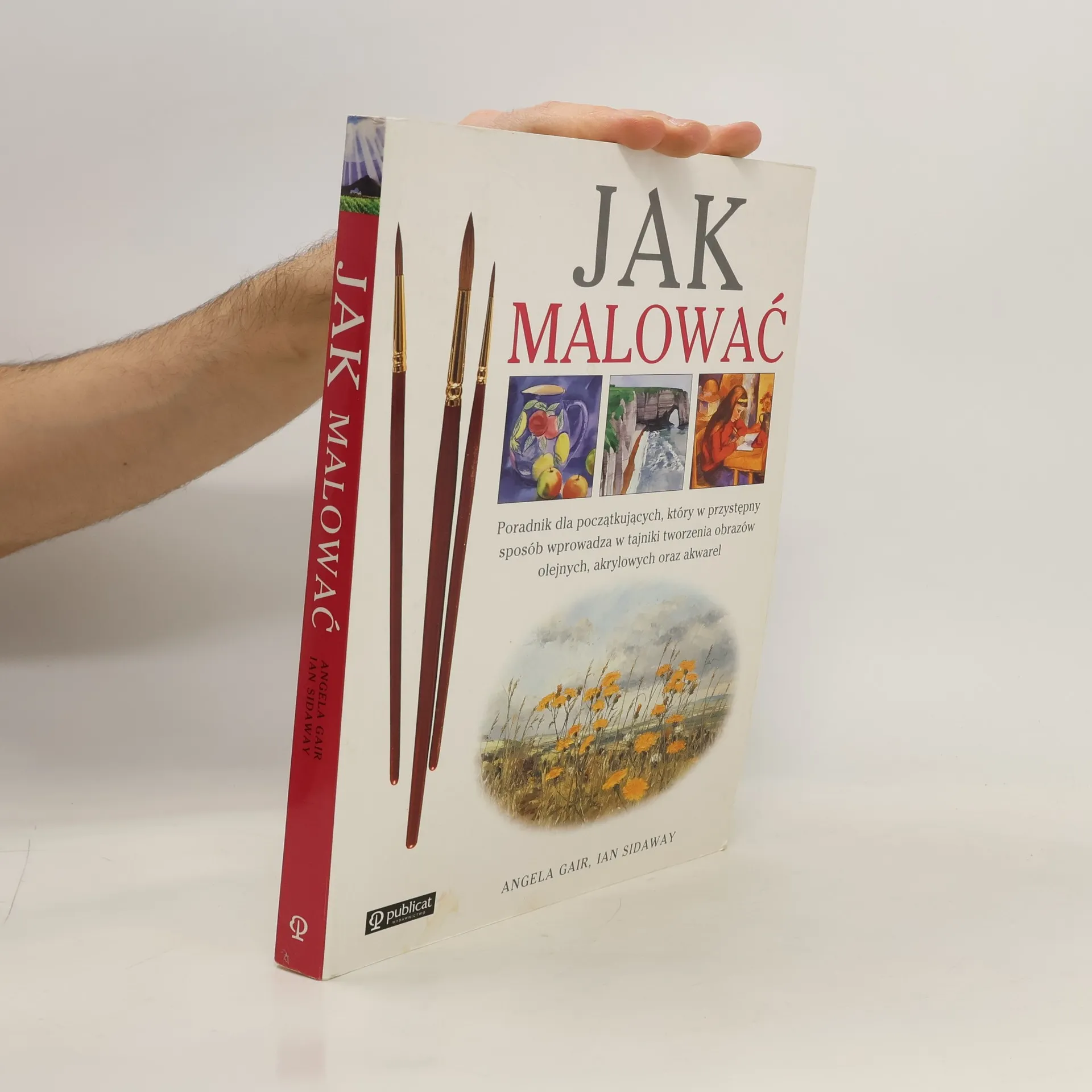
Jak malować
- 351 pages
- 13 hours of reading
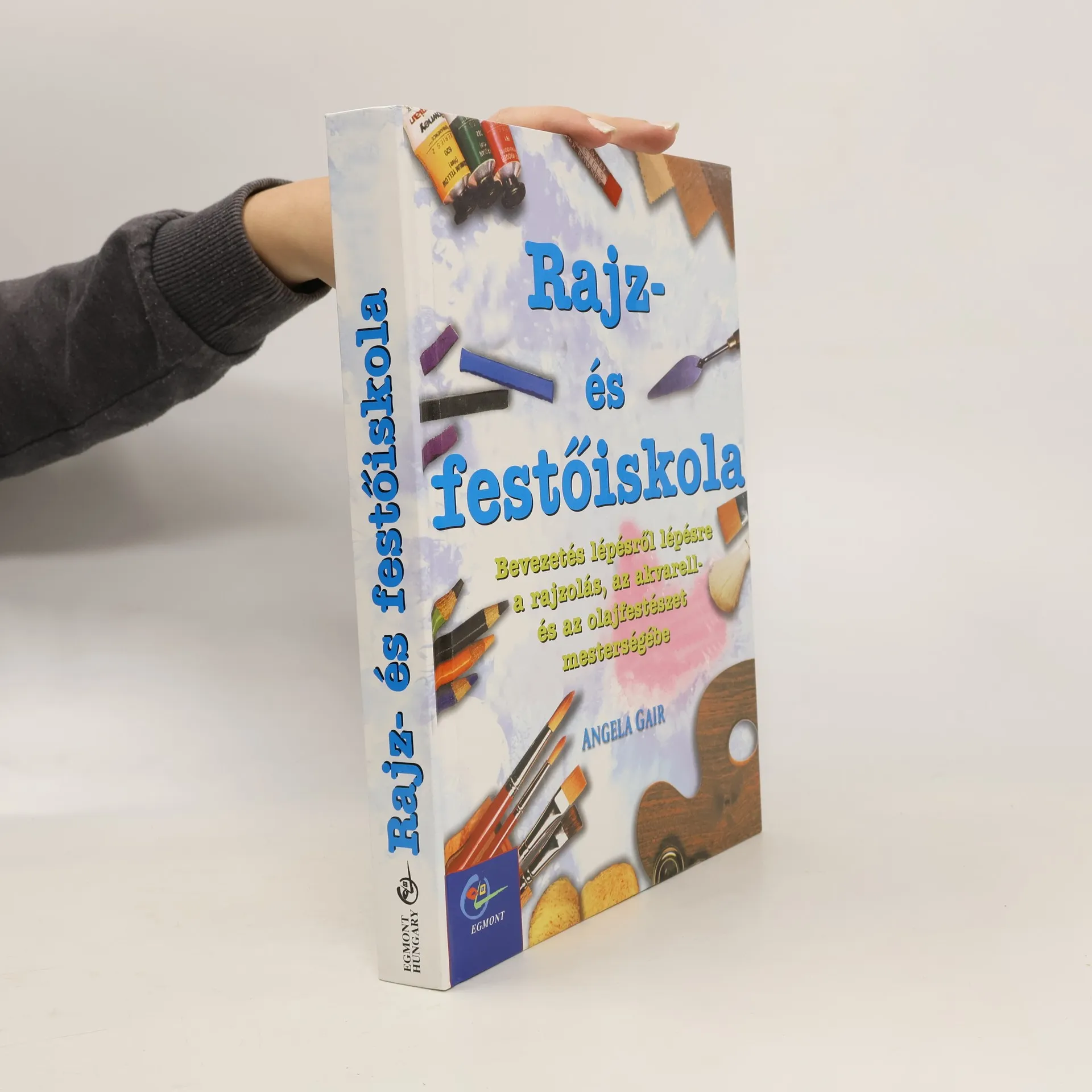
Rajz- és festőiskola
- 302 pages
- 11 hours of reading
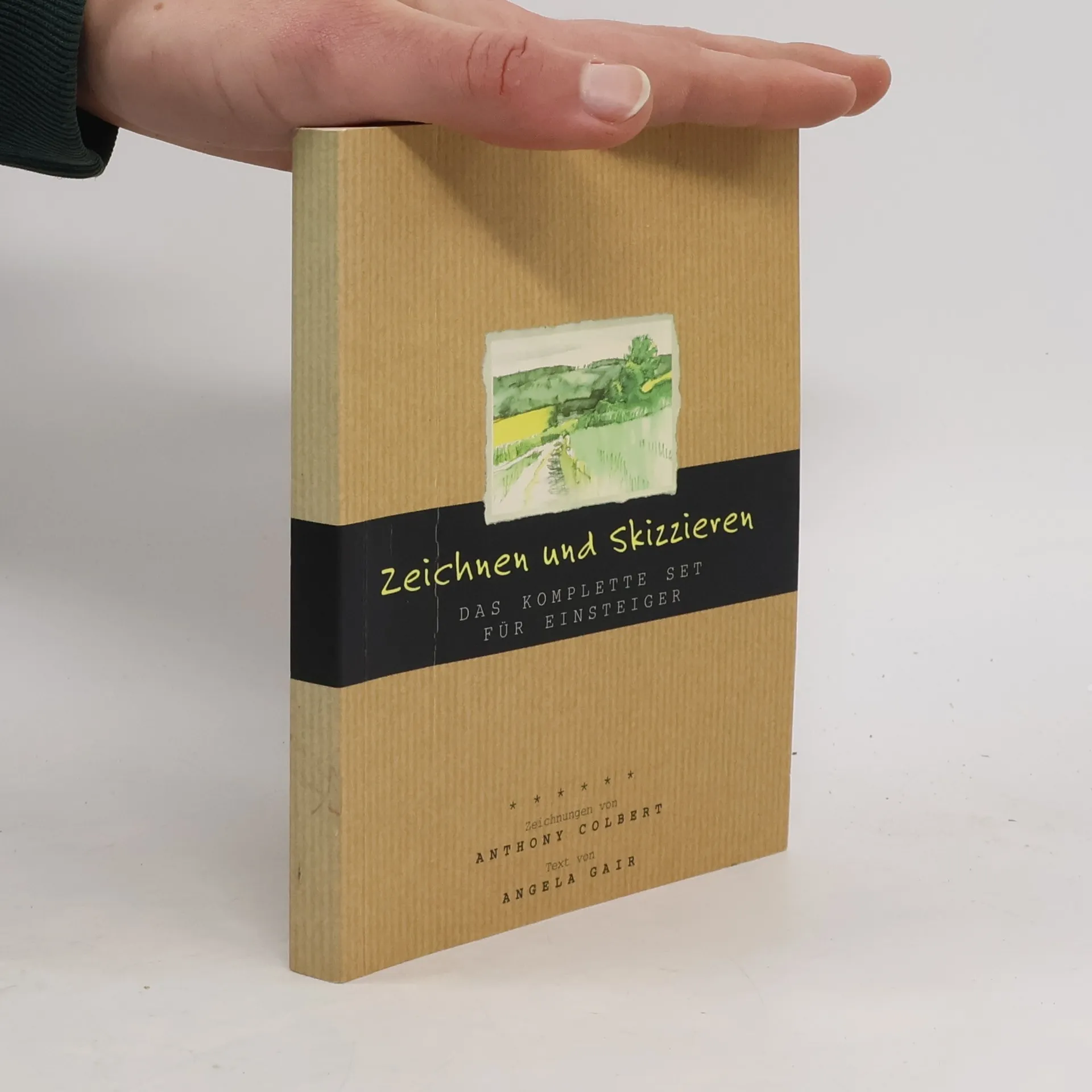
Zeichnen und Skizzieren
- 143 pages
- 6 hours of reading
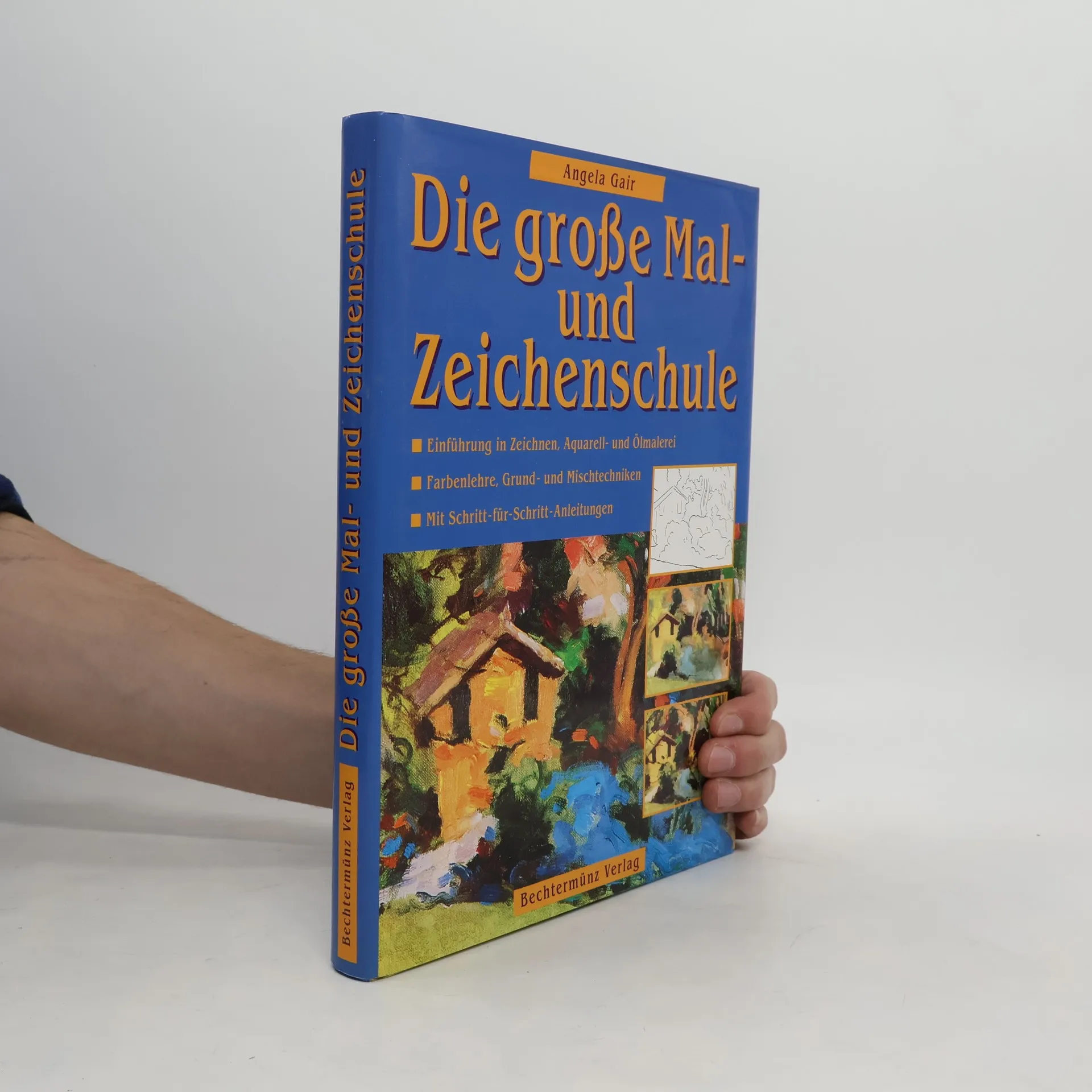
Die große Mal- und Zeichenschule
- 304 pages
- 11 hours of reading
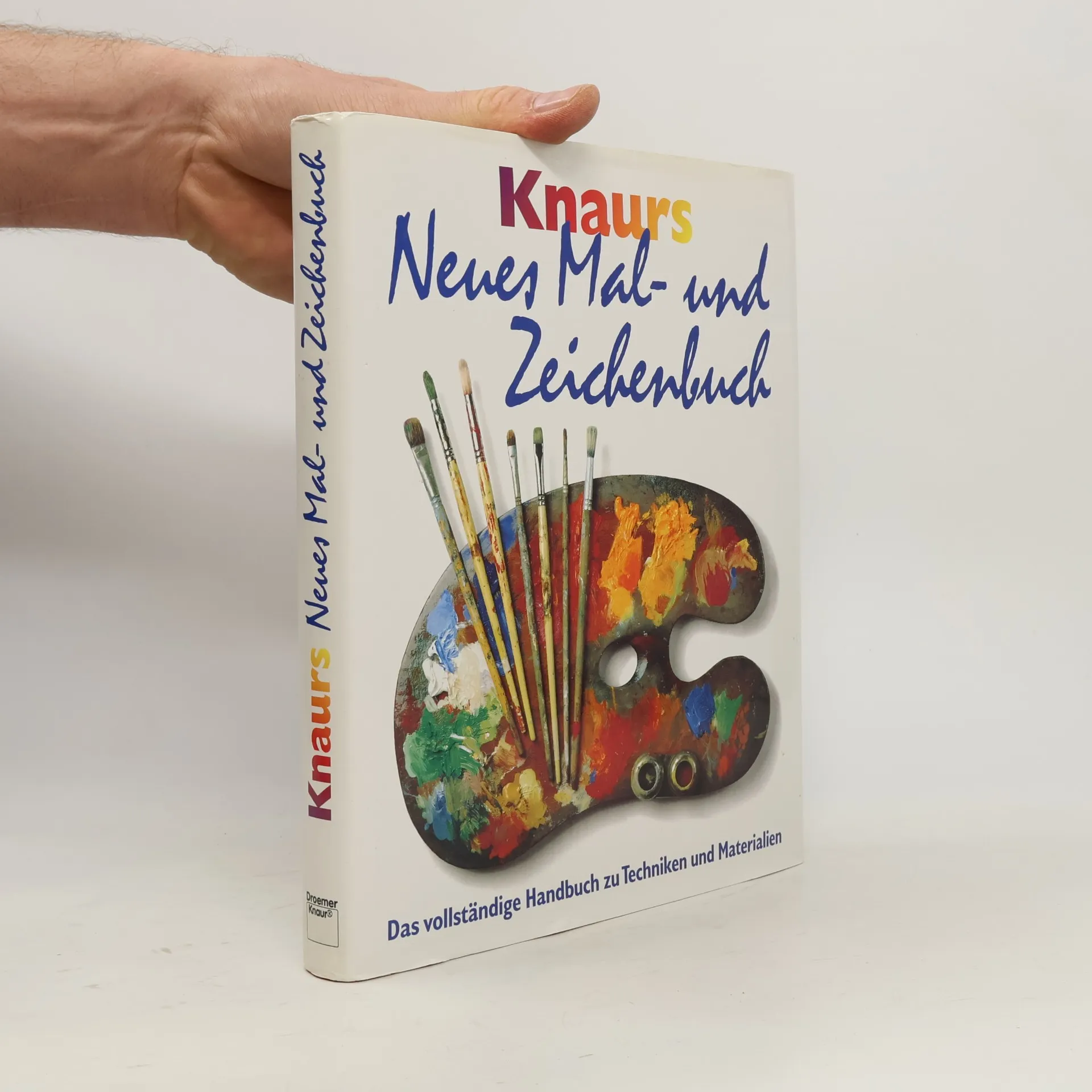
Knaurs neues Mal- und Zeichenbuch
- 256 pages
- 9 hours of reading
Anleitung zu Zeichen- und Maltechniken (Öl-, Aquarell, Acryl- und Gouachemalerei) mit vielen Hinweisen zur Wahl von Materialien, zur Malpraxis und zur Bildbehandlung.
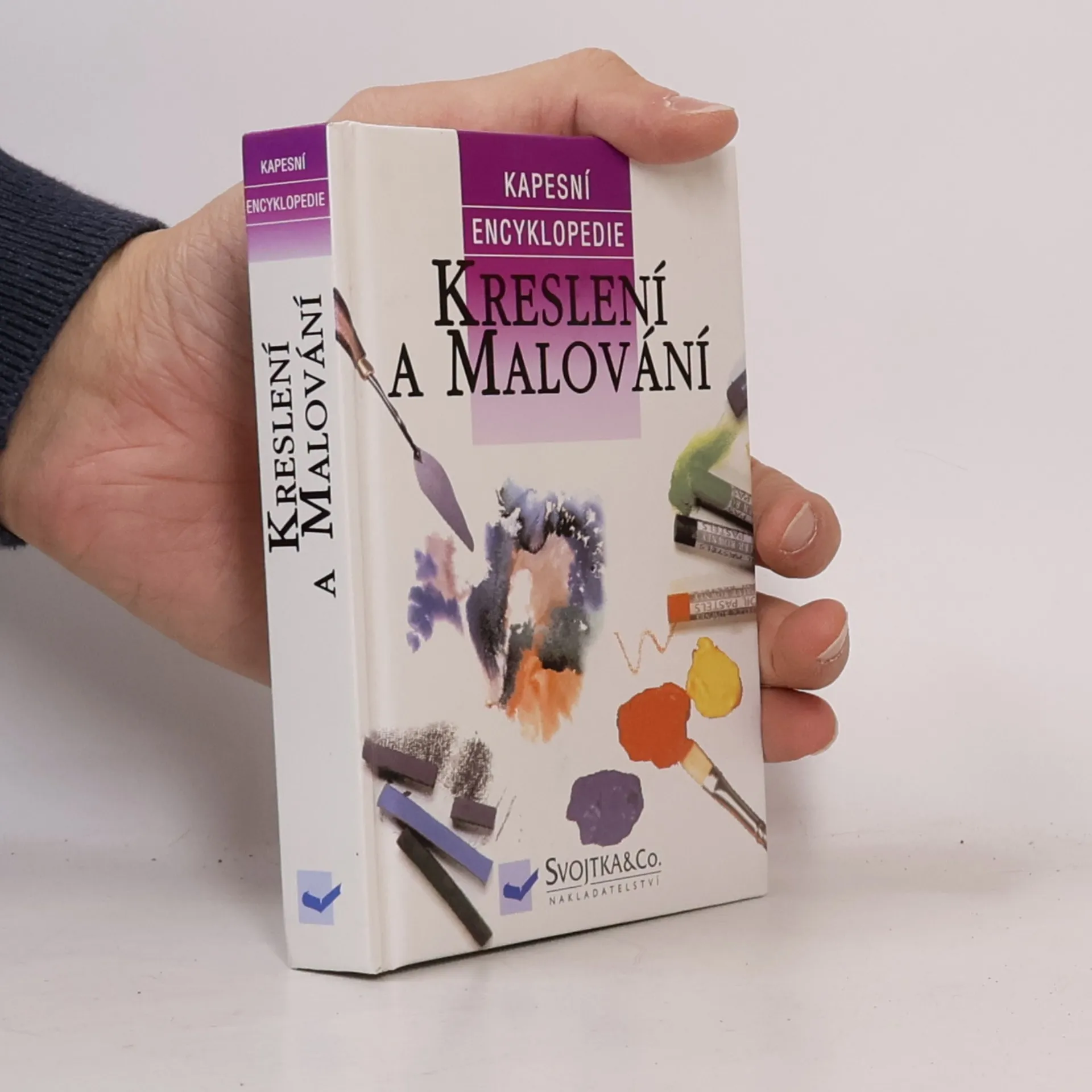
Kapesní encyklopedie kreslení a malování
- 256 pages
- 9 hours of reading
Praktická příručka kreslení, akvarelu a olejomalby. Barevné ilustrace a podrobným popisem vedou krok za krokem.
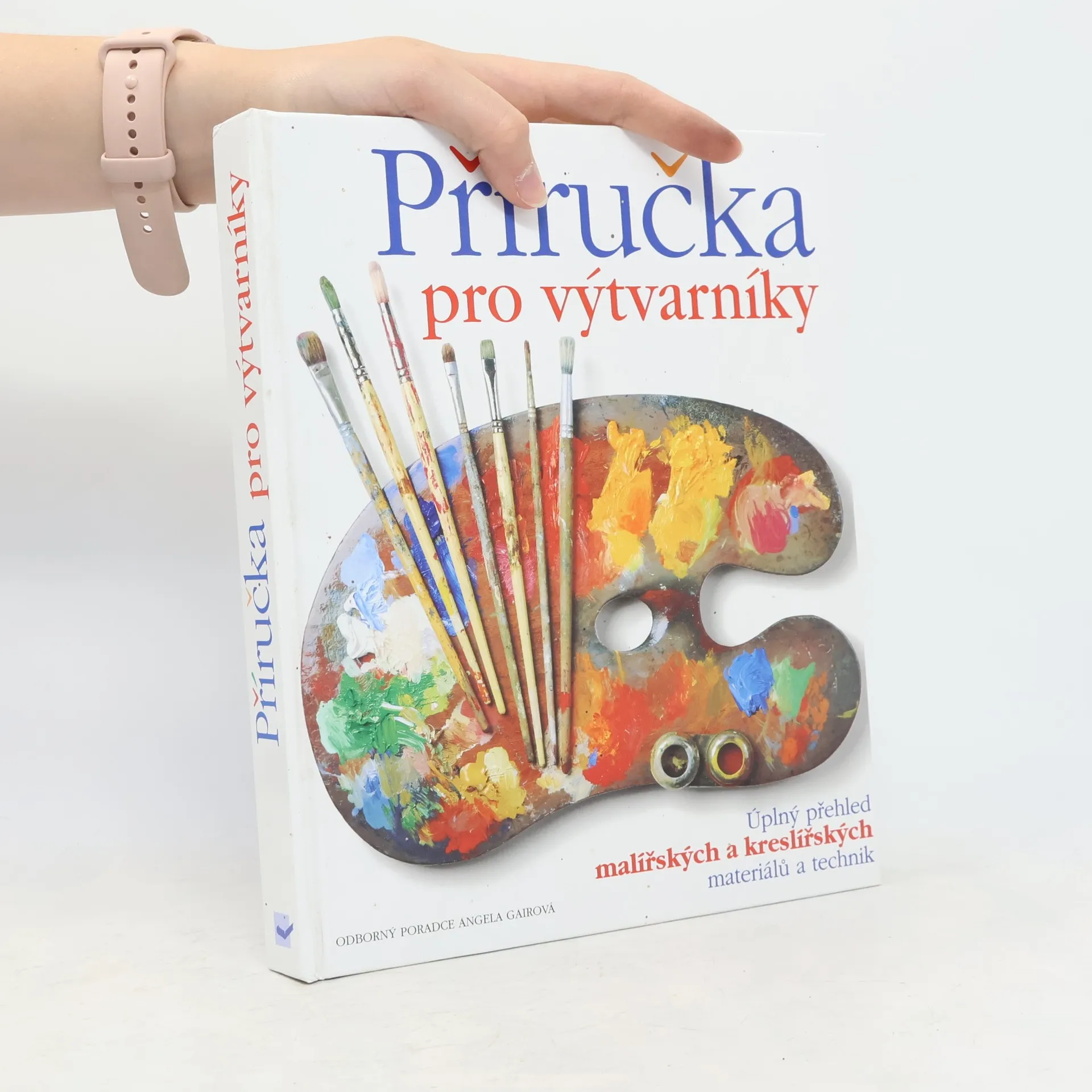
Příručka pro výtvarníky. Úplný přehled malířských a kreslířských materiálů a technik
- 256 pages
- 9 hours of reading
Příručka uvádí nácvik dovedností a technik v malbě a kresbě (barvy, kompozice, náměty) i na příkladech pracovních postupů profesionálních malířů. Součástí příručky je přehled materiálů, prostředků k malbě a kresbě a řada dalších doporučení (například k vybavení ateliéru).
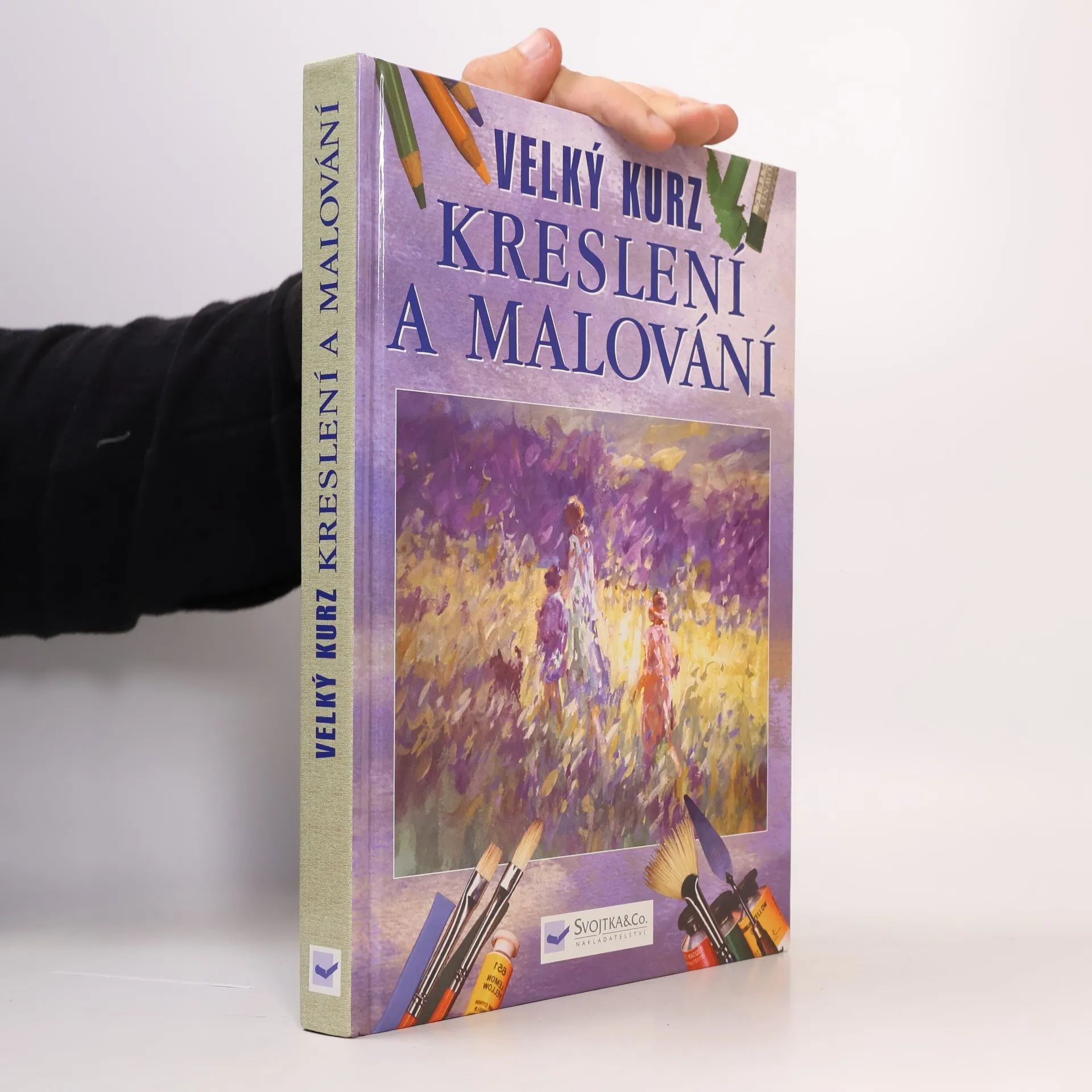
Velký kurz kreslení a malování
- 301 pages
- 11 hours of reading
Kniha seznamuje s potřebami, výbavou a postupy, které provázejí malířské a kreslířské techniky, to vše s ukázkami a příklady práce zkušených malířů.
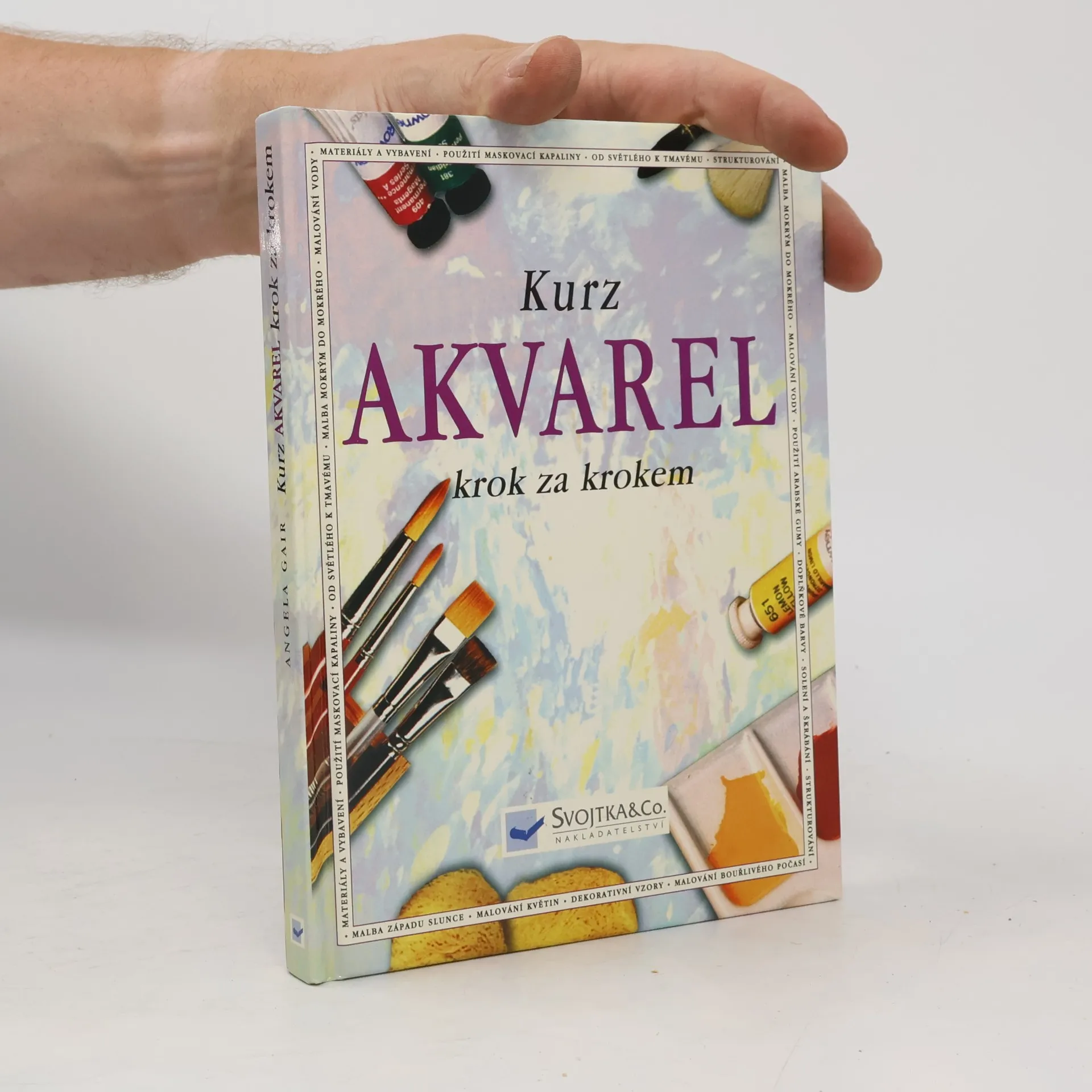
Akvarel je díky své jedinečné citlivosti a transparentnosti umožňující zachytit ty nejprchavější a nejpomíjivější okamžiky v přírodě možná nejpopulárnějším kreslířským médiem. Tekutý charakter akvarelu z něj dělá také médium vzrušující a nepředvídatelné. Pro nezkušeného malíře může být tento prvek nejistoty zprvu zneklidňující, ovšem výsledkem bázlivého a opatrného přístupu může být naopak jen slabé, bezduché a standardní dílo. Tajemství úspěchu akvarelové malby spočívá v energické práci a sebedůvěře. Jakmile se jednou naučíte uvolnit a popustit si otěže, zjistíte s potěšením, jak velmi často udělá barva práci za vás - někdy bývá nejzajímavější a nejnádhernějších účinků dosaženo kombinací výtvarného záměru a prosté náhody. Akvarel může být občas iritující a frustrující, ale nikdy není nudný.