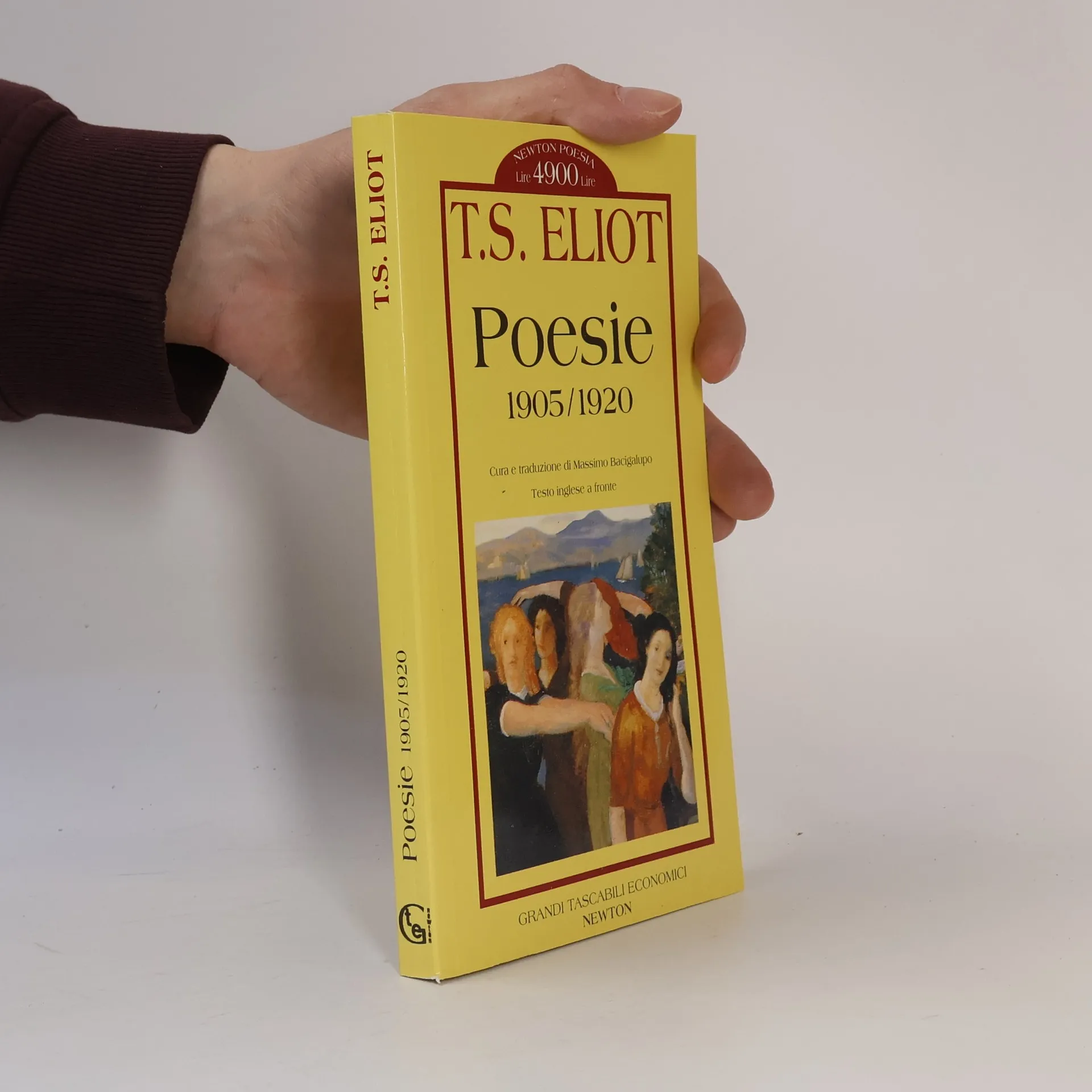
Poesie
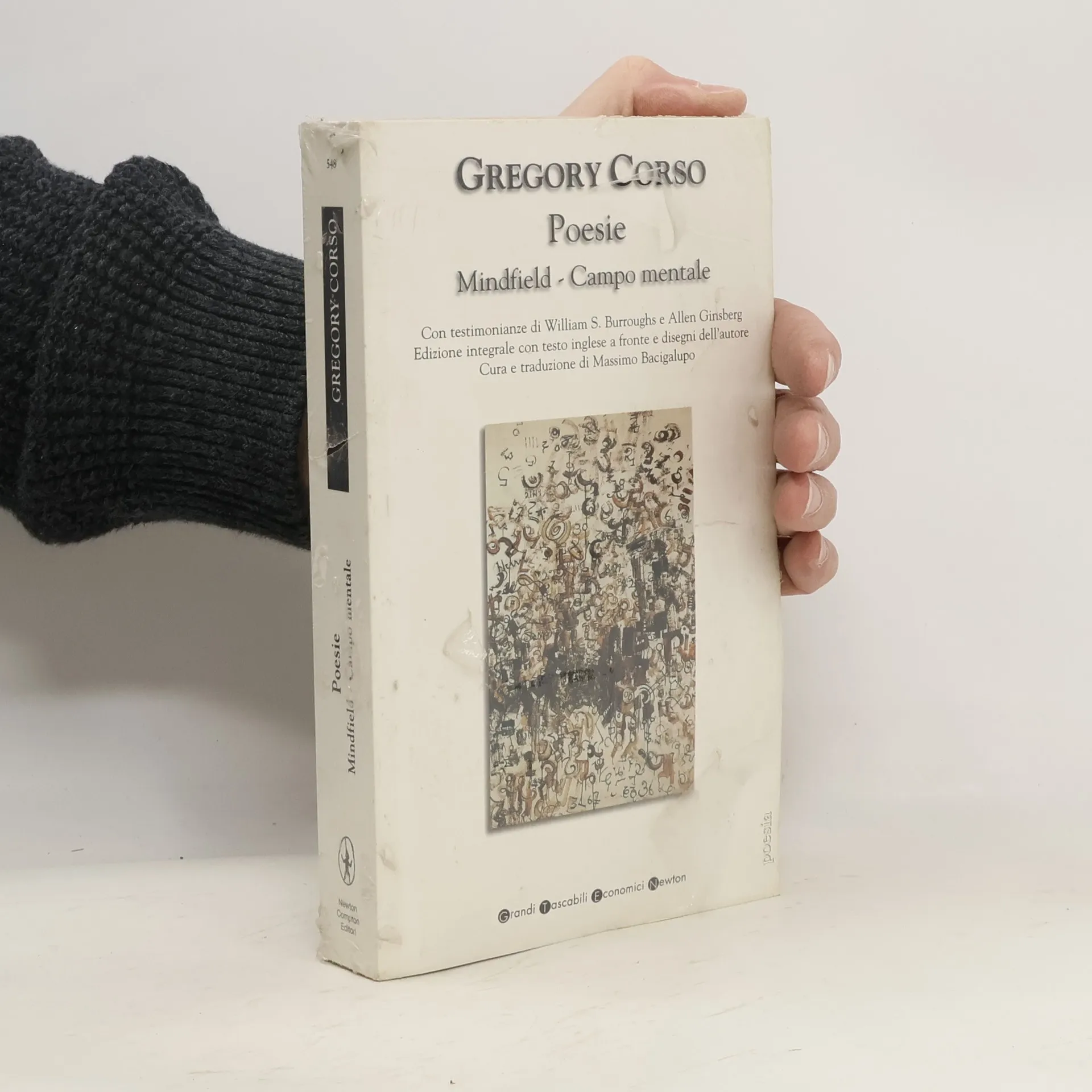
1905-1920 - Cura e traduzione di Massimo Bacigalupo - Testo inglese a fronte
- 160 pages
- 6 hours of reading


1905-1920 - Cura e traduzione di Massimo Bacigalupo - Testo inglese a fronte
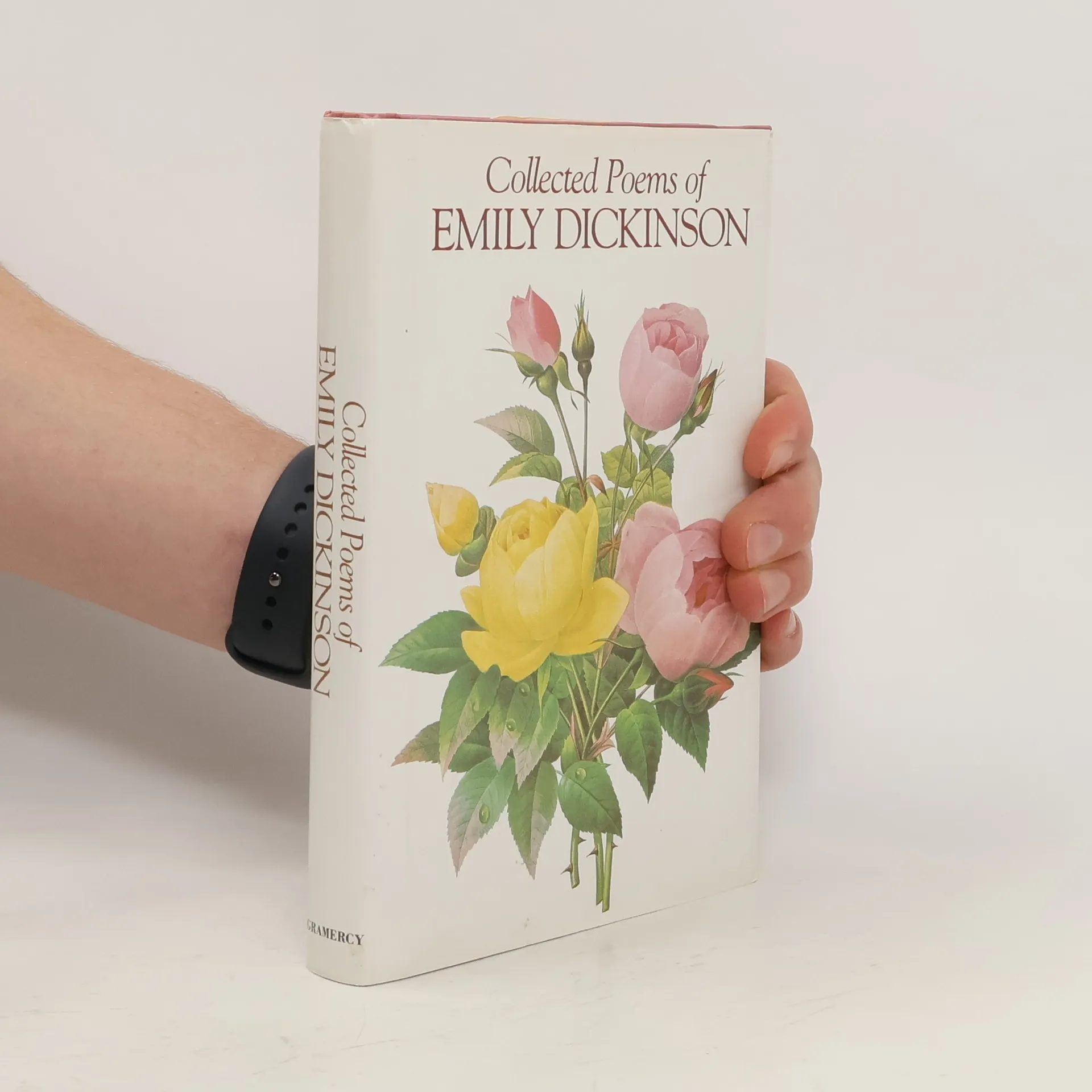
Here are 450 poems from the private collection of America's most cherished poet, including many difficult to find elsewhere
Con testimonianze di William S. Burroughs e Allen Ginsberg. Edizione integrale con testo inglese a fronte e disegni dell'autore. Cura e traduzione di Massimo Bacigalupo
Le poesie trattano di mortalità, mare, musica, scrittori, artisti, viaggi, natura, sogni e colpa.
"Call me Ishmael." Thus begins one of the most famous journeys in literature--the voyage of the whaling ship Pequod and its embattled, monomaniacal Captain Ahab. Ishmael quickly learns that the Pequod's captain sails for revenge against the elusive Moby Dick, a sperm whale with a snow-white hump and mottled skin that destroyed Ahab's former vessel and left him crippled. As the Pequod sails deeper through the nights and into the sea, the divisions between man and nature begin to blur--so do the lines between good and evil, as the fates of the ship's crewmen become increasingly unclear.... Melville's classic tale of obsession and the sea, one of the most important and enduring masterworks of nineteenth-century literature, Moby Dick is a riveting drama, exploring rage, hope, destiny, and the deepest questions of moral truth.
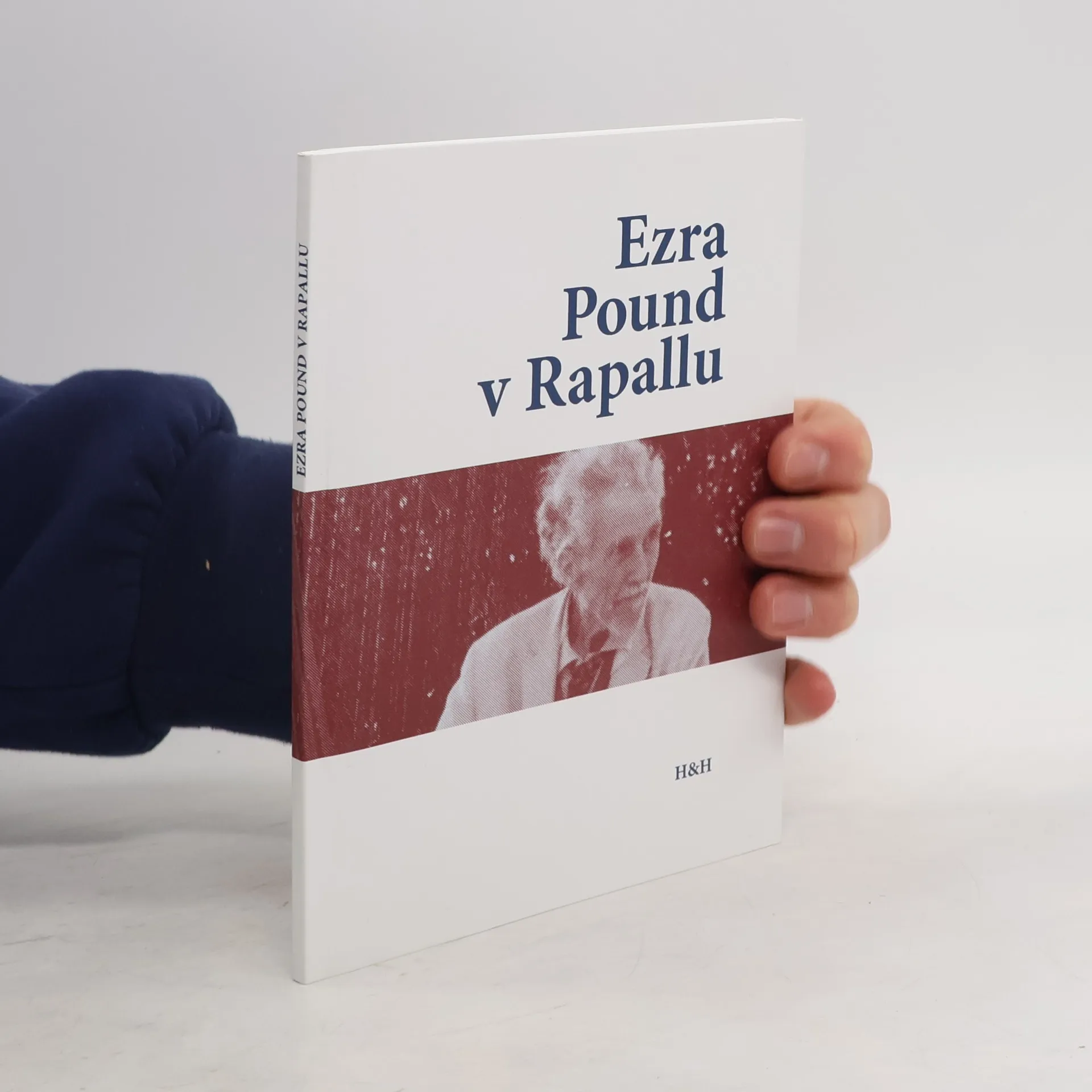
Americký básník, esejista, překladatel a literární historik Ezra Pound (1885–1972) se poprvé objevil v přímořském letovisku Rapallu poblíž Janova v roce 1924. Vedle Benátek a krátké epizody na tyrolském zámku jeho dcery Mary de Rachewiltz Brunnenburg bylo Rapallo jeho nejoblíbenějším místem v Itálii. Vzpomínkové texty a esejistické črty obsažené v tomto svazku přinášejí dvě výjimečná svědectví o závěrečném údobí Poundova života. Profesor Janovské univerzity Massimo Bacigalupo se s básníkem seznámil prostřednictvím svého otce, který Pounda léčil. Americký básník, kritik, esejista a malíř Guy Davenport navštěvoval Pounda v nemocnici svaté Alžběty ve Washingtonu a v próze Ithaka zachytil jedno ze setkání s ním a jeho družkou, houslistkou Olgou Rudgeovou, v Rapallu. Knihu doplňují verše Massima Bacigalupa vztahující se k Poundovi a fotografie rapallských míst spojených s autorem Cantos, s tvůrcem, jehož „duch byl ze zázračně krásného krystalu“ (Michel Butor). Z angličtiny přeložil a úvodním esejem doprovodil Petr Mikeš, autorem doslovu je Jan Suk.