An Economic and Social History of the Ottoman Empire. Vol. 2. 1600-1914
- 643 pages
- 23 hours of reading
A major contribution to Ottoman history, now published in paperback in two volumes.


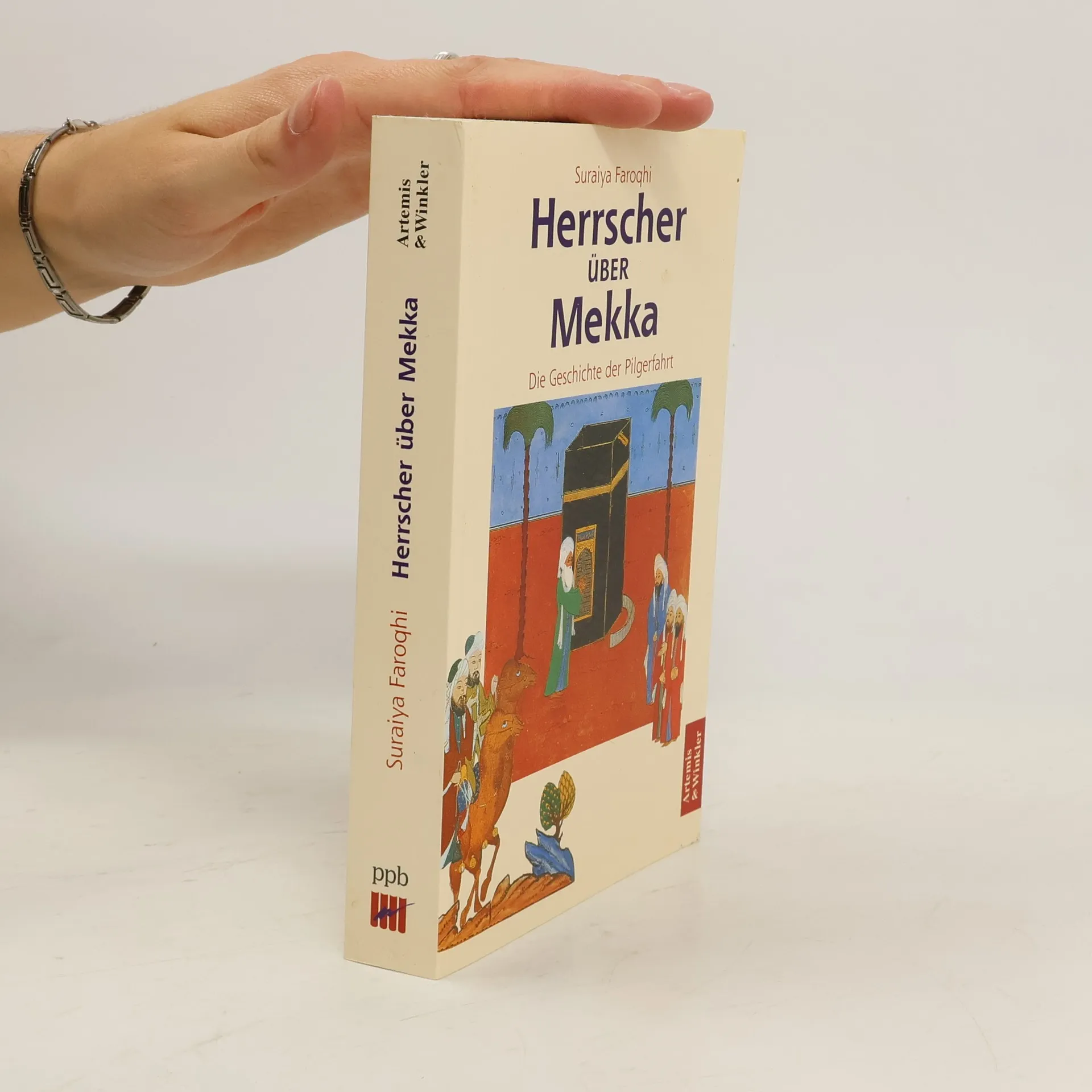
Suraiya Faroqhi is regarded as one of the most significant economic and social historians of the Ottoman Empire. Her work substantially focuses on Ottoman urban history, arts and crafts, and the previously underrepresented world of ordinary people within the empire. Faroqhi is renowned for her distinctive approach to portraying the everyday life and public culture of the Ottoman era. Her extensive publications in pre-modern Ottoman history offer unique insights into the lives of individuals during this fascinating period.



A major contribution to Ottoman history, now published in paperback in two volumes.
Suraiya Faroqhi's scholarly contribution to the field of Ottoman history has been prodigious. Her latest book represents a summation of that scholarship, an introduction to the state-of-the-art in Ottoman history. In a compelling exploration of the ways that primary and secondary sources can be used to interpret history, the author reaches out to students and researchers in the field and in related disciplines to familiarise them with these documents. By considering both archival and narrative sources, she explains why they were prepared, encouraging her readers to adopt a critical approach to their findings, and disabusing them of the notion that everything recorded in official documents is necessarily true! While the book is essentially a guide to a complex discipline for those about to embark upon their research, the experienced Ottomanist will find much that is original and provocative in its sophisticated interpretation of the field.
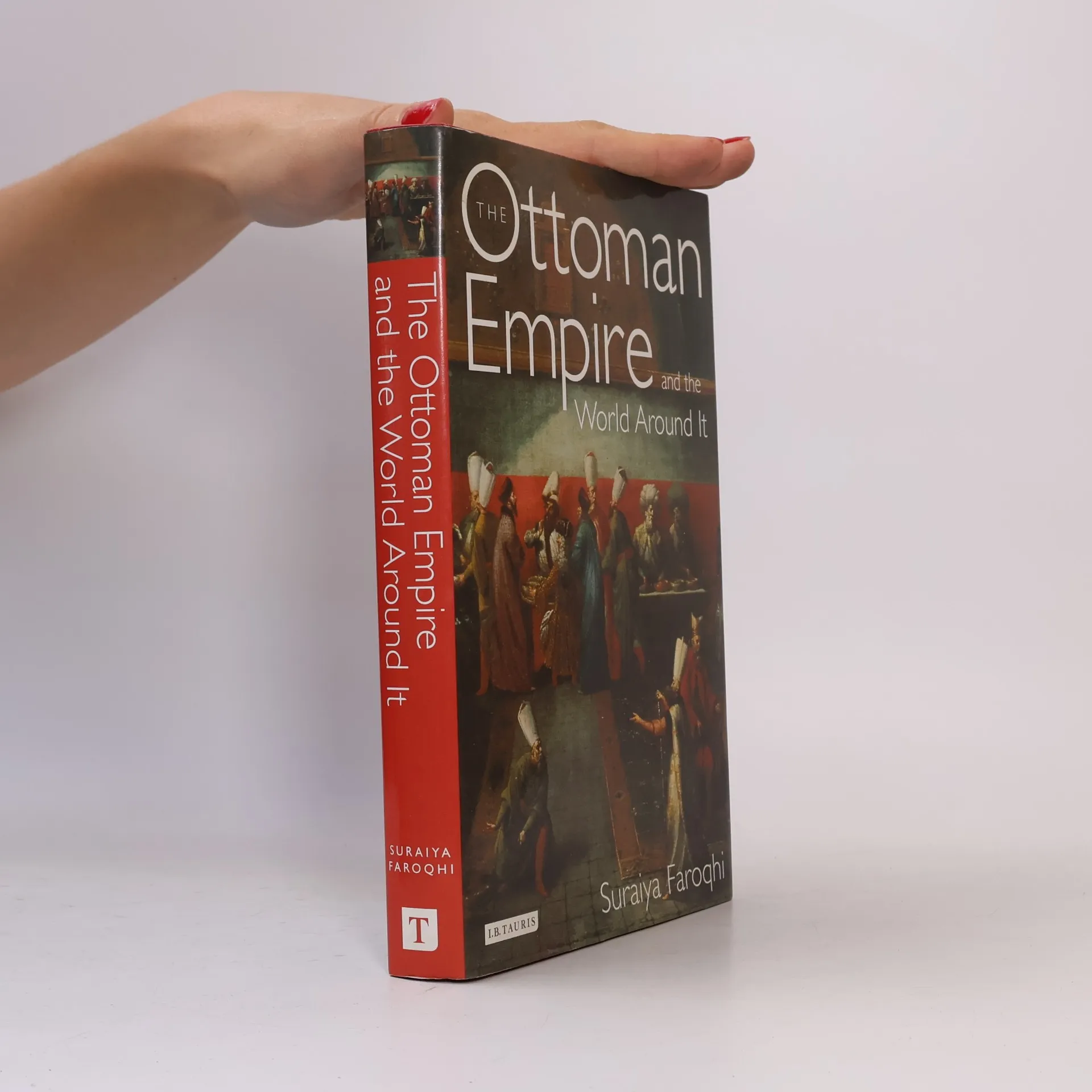
In Islamic law the world was made up of the House of Islam and the House of War with the Ottoman Sultan--the perceived successor to the Caliphs--supreme ruler of the Islamic world. However, Suraiya Faroqhi demonstrates that there was no iron curtain between the Ottoman and other worlds but rather a long-established network of diplomatic, financial, cultural and religious connections. These extended to the empires of Asia and the modern states of Europe. Faroqhi's book is based on a huge study of original and early modern sources, including diplomatic records, travel and geographical writing, as well as personal accounts.
Während die Hochkultur des Osmanischen Reiches umfassend dokumentiert ist, wurde über das Alltagsleben der einfachen Menschen während der Jahrhunderte osmanischer Herrschaft nur wenig geforscht oder geschrieben. Suraiya Faroqhi schließt nun diese Lücke. Dieses Buch untersucht das reiche Stadtleben der Osmanischen Zeit vom Mittelalter bis zum frühen zwanzigsten Jahrhundert. Gebäude und ihre soziale Bedeutung, das Zusammenleben der Menschen und Klassen aus verschiedenen Religionen und Ethnien, die Künste und Handwerke sowie die banalen Aspekte des Alltagslebens: Baden, der Markt, Liebe und Trauer werden erstmals mit wissenschaftlicher Strenge und einer allgemeinen Faszination für eine verschwundene Welt erforscht.
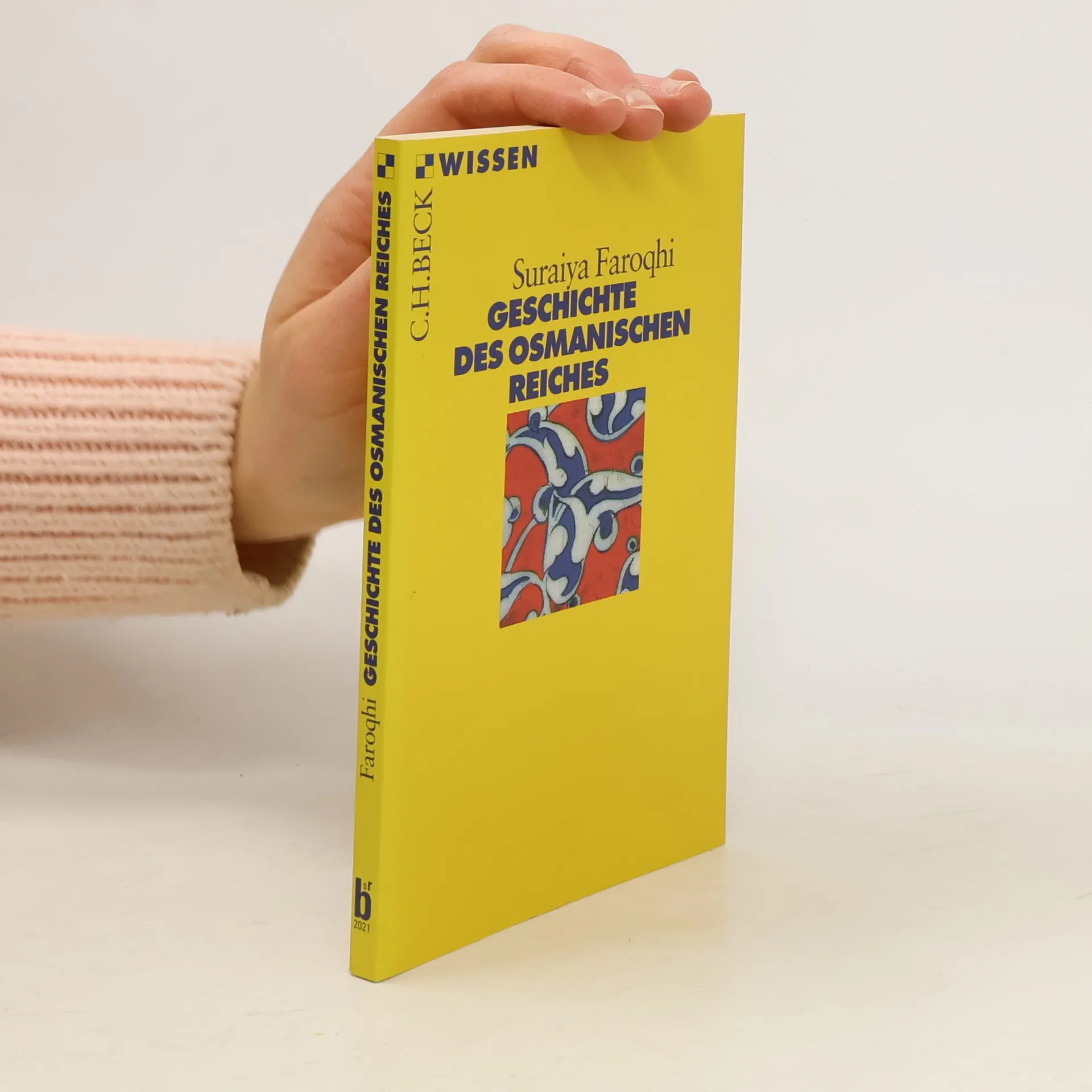
Suraiya Faroqhi schildert knapp, kenntnisreich und lebendig die Geschichte eines der mächtigsten Reiche des späten Mittelalters und der Neuzeit, das noch zu Ende des 19. Jahrhunderts das gesamte Gebiet der heutigen Staaten Türkei, Irak, Syrien, Libanon, Israel sowie Teile Griechenlands umfaßte. Die Darstellung folgt der Chronologie der politischen Geschichte vom 14. Jahrhundert bis zur Auflösung des Reiches nach dem Ersten Weltkrieg und bezieht dabei die Geschichte von Wirtschaft, Gesellschaft und Kultur überall gleichwertig ein. Achtung: Aus lizenzrechtlichen Gründen dürfen die Abbildungen in diesem eBook leider nicht wiedergegeben werden.