

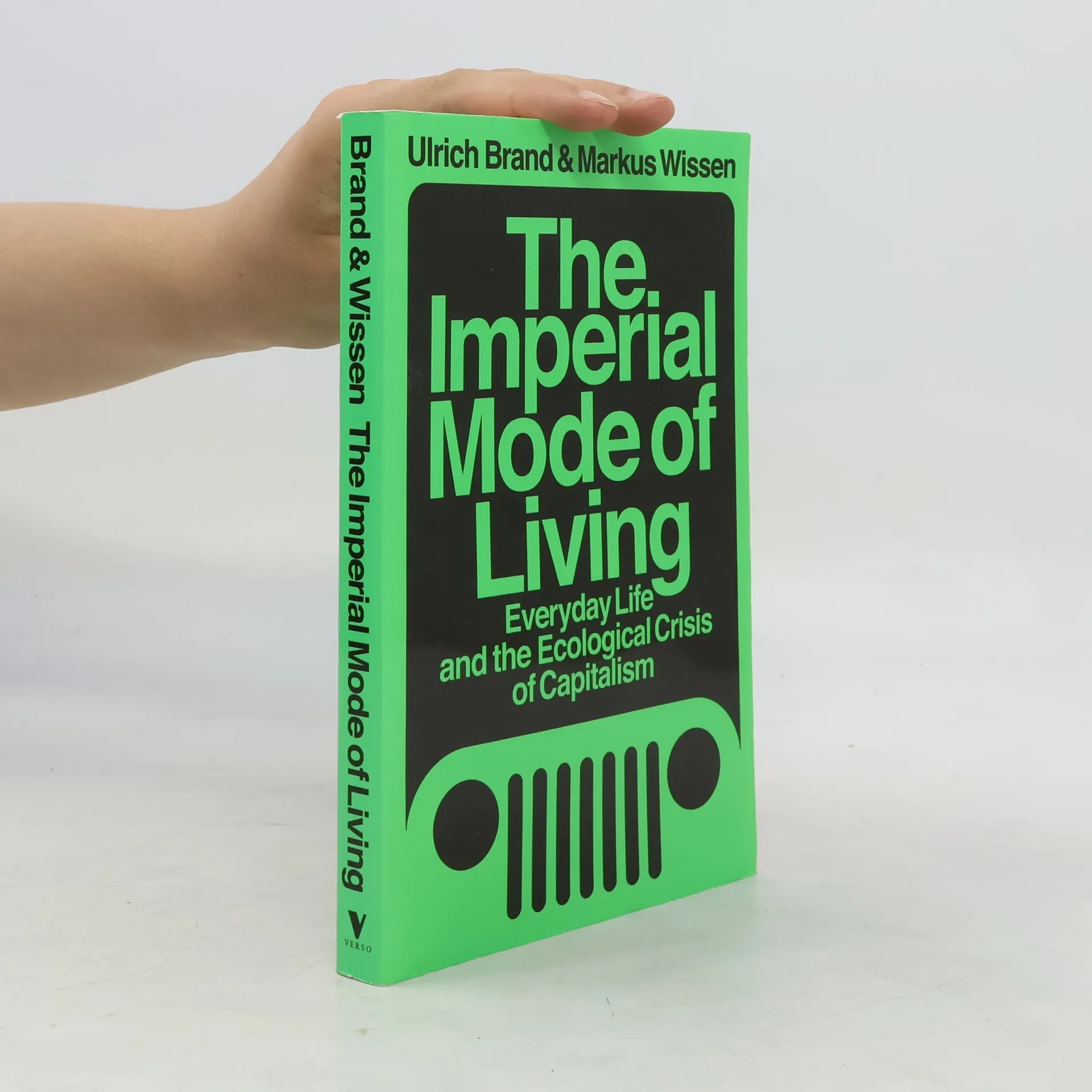
Brand and Wissen highlight the fact that capitalism implies uneven development, as well as a constant and accelerating universalisation of a Western mode of production and living. The logic of liberal markets since the 19th century, and especially since World War II, has been inscribed into everyday practices that are usually unconsciously reproduced. The authors show that these practices are a main driver of the ecological crisis and economic and political instability. The book also implies that people's everyday practices, including individual and societal orientations and identities, rely heavily on the unlimited appropriation of resources; a disproportionate claim on global and local ecosystems and sinks; and cheap labour from elsewhere. This availability of commodities is largely organised through the world market, backed by military force and/or the asymmetric relations of forces as they have been inscribed in international institutions. Moreover, the 'Imperial Mode of Living' implies asymmetrical social relations along class, gender and race within the respective countries. Here too, it is driven by the capitalist accumulation imperative, growth-oriented state policies and status consumption
Markus Wissen Book order (chronological)
At the Expense of Others?
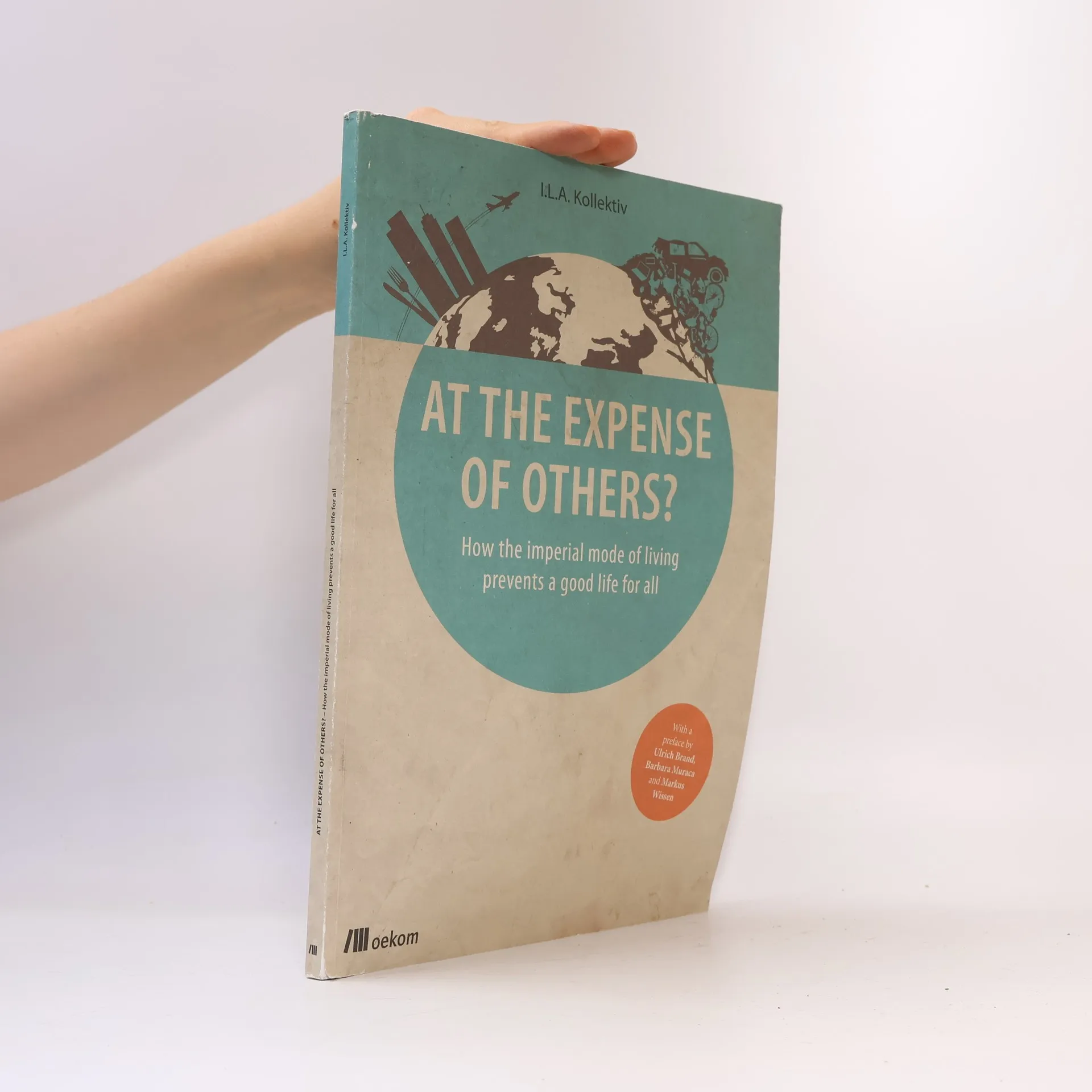
How the Imperial Mode of Living Prevents a Good Life for All
- 128 pages
- 5 hours of reading
Today it feels like everybody is talking about the problems and crises of our times: the climate and resource crisis, Greece’s permanent socio-political crisis or the degrading exploitative practices of the textile industry. Many are aware of the issues, yet little seems to change. Why is this? The concept of the imperial mode of living explains why, in spite of increasing injustices, no long-term alternatives have managed to succeed and a socio-ecological transformation remains out of sight. This text presents the concept of an imperial mode of living and explains how our current mode of production and living is putting both people and the natural world under strain. We shine a spotlight on various areas of our daily lives, among them food, mobility and digitalisation. We also look at socio-ecological alternatives and approaches to establish a good life for everyone – instead of for just a few.
Radikal global
- 271 pages
- 10 hours of reading
Vielleicht zum ersten Mal seit 1968 zeichnet sich mit den Protesten gegen die Gipfeltreffen in Seattle, Prag, Genua etc. und den Europäischen und Welt-Sozialforen wieder eine internationale außerparlamentarische Opposition am Horizont ab.Der von der Bundeskoordination Internationalismus (BUKO) herausgegebene Diskussionsband unternimmt eine kritische Zwischenbilanz der Protestbewegung und bezieht in den verschiedenen Debattenfeldern Position: Globalisierungskritik und Geschlechterverhältnisse, Krieg und Frieden in der Neuen Weltordnung, Antirassismus und Migration, der Israel-Palästinakonflikt und die deutsche Linke. Das Buch formuliert ein entschiedenes Plädoyer für eine »Globalisierung von unten« und ist ein Beleg für den »Gebrauchswert radikaler Kritik«.