The narrative centers on the devastating bombing of Gernika, Spain, by the German Luftwaffe on April 26, 1937, which shocked the world and profoundly affected Pablo Picasso. As an expatriate artist, Picasso channeled his outrage into creating "Guernica," a masterpiece that captures the horrors of war and the potential of art to transform tragedy. Russell Martin explores the themes of conflict, redemption, and the emotional journey behind this iconic work, tracing its evolution from conception to its lasting impact on art and society.
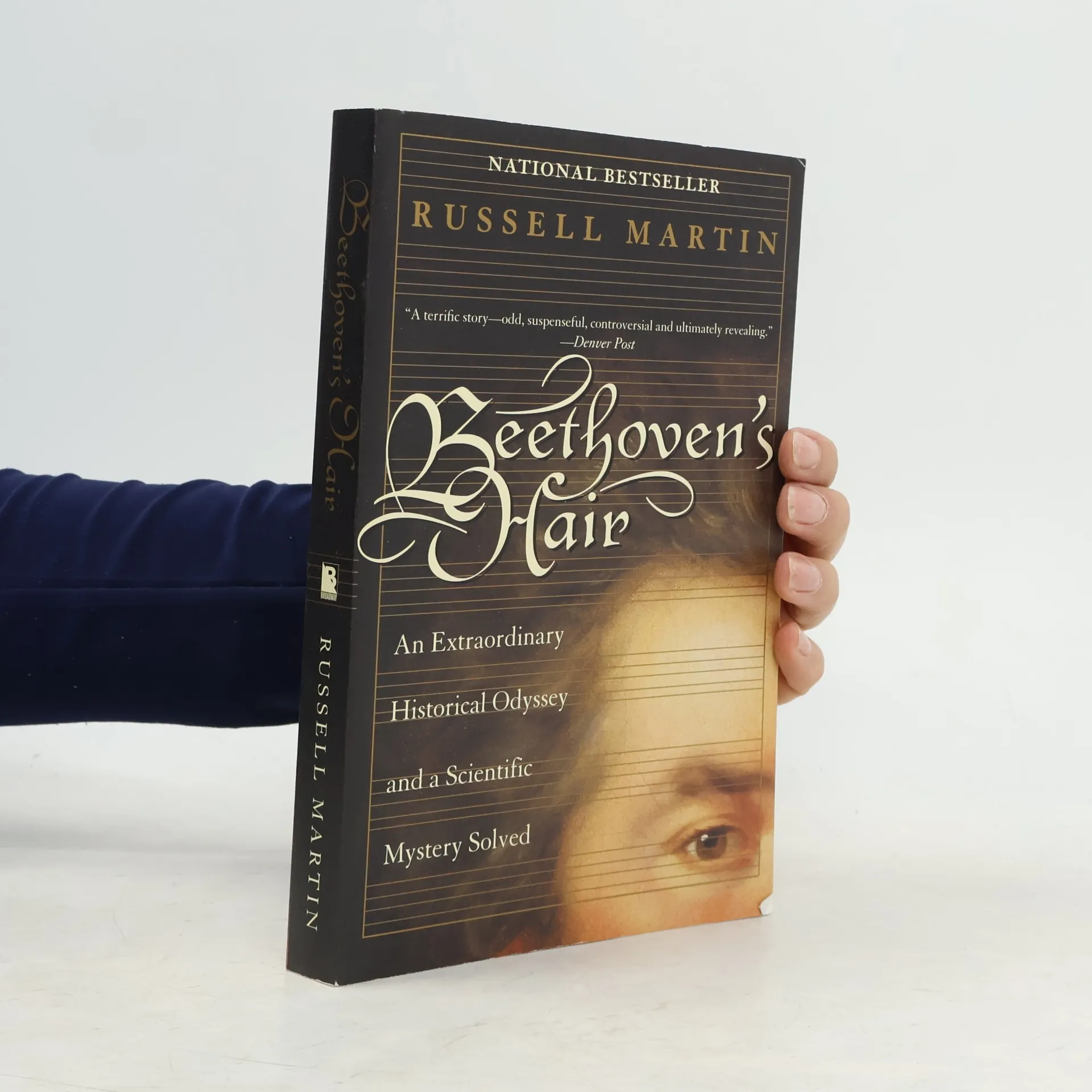
An Extraordinary Historical Odyssey and a Scientific Mystery Solved
276 pages
10 hours of reading
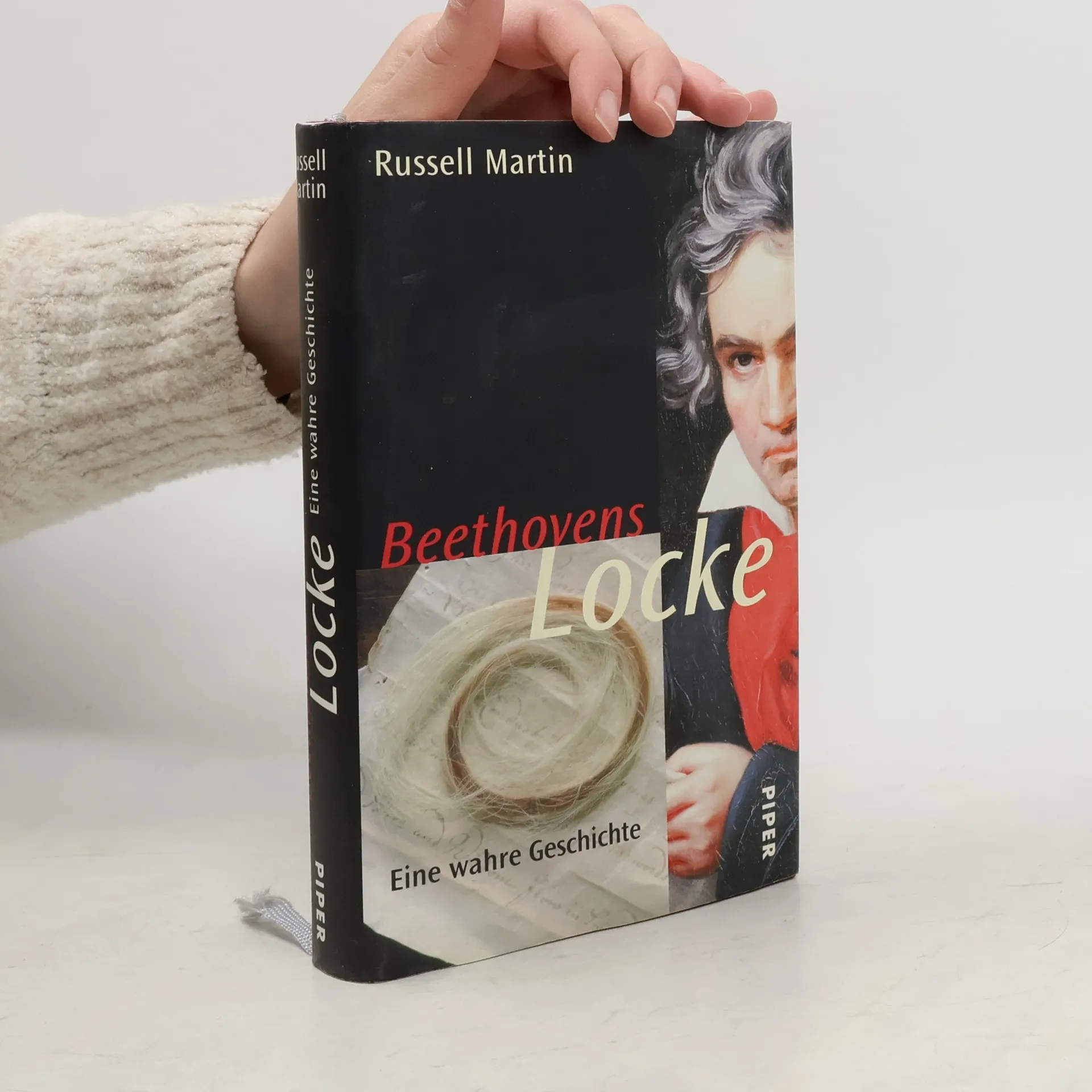
In 1827, as Ludwig van Beethoven lay dying, a young musician named Ferdinand Hiller paid his respects and snipped a lock of hair as a keepsake. This hair became a cherished relic for the Hiller family, eventually making its way to Nazi-occupied Denmark during World War II. There, it was given to Dr. Kay Fremming, who was dedicated to saving hunted Jews. The circumstances surrounding the hair's transfer and the fate of the refugees hiding in Gilleleje's church remain mysterious. After Fremming's death, his daughter sold the lock at Sotheby's, where it was purchased by American enthusiasts Ira Brilliant and Che Guevara in 1994. They initiated complex forensic tests to uncover the causes of Beethoven's chronic health issues, including his deafness. The results, revealed for the first time, provide compelling explanations for the struggles of one of history's greatest musicians. This narrative unfolds as a rich historical treasure hunt, filled with false leads, breakthroughs, and revelations. It serves as a testament to the power of music, the allure of relics, the heroism of the Resistance, and the brilliance of molecular science, chronicling the journey of a single lock of hair from nineteenth-century Vienna to twenty-first-century America.
1994 ersteigern zwei amerikanische Beethoven-Verehrer bei Sotheby's in London eine Locke. Sie war dem toten Künstler 1827 von dem jungen Musiker Ferdinand Hiller nach damaliger Art abgeschnitten worden. Sie sollte eine unglaubliche Irrfahrt bestehen. Ihre Geschichte ist mit der Judenverfolgung und dem dänischen Widerstand gegen die nationalsozialistische Unterdrückung verwoben. Erst als sie mit ihren letzten Besitzern nach Amerika gelangt, und ein Teil der Haare mit Methoden der modernsten Wissenschaft untersucht wird, kann das Schicksal der Beethoven-Reliquie enträtselt werden.