



Parameters
- 80 pages
- 3 hours of reading
More about the book
Father Brown, the unassuming detective, stands among the most famous sleuths like Sherlock Holmes and Hercule Poirot, yet he fundamentally differs from them. He is a specialist in the criminal's soul, understanding their passions, weaknesses, and tricks. For him, the logic of murder is primarily a tragic logic of motivation. He knows that especially in affluent societies, vices thrive, as this "class recognizes no authority, not even the law." The perfect crime does not exist; there is always a missing key detail in the picture. Deception and lies have their limitations; one just needs to know how to look. Chesterton viewed detective fiction as one of the highest artistic genres, as at the heart of crime lies the existential question of life's meaning. Perhaps this is why the stories of Father Brown are so captivating.

Book purchase
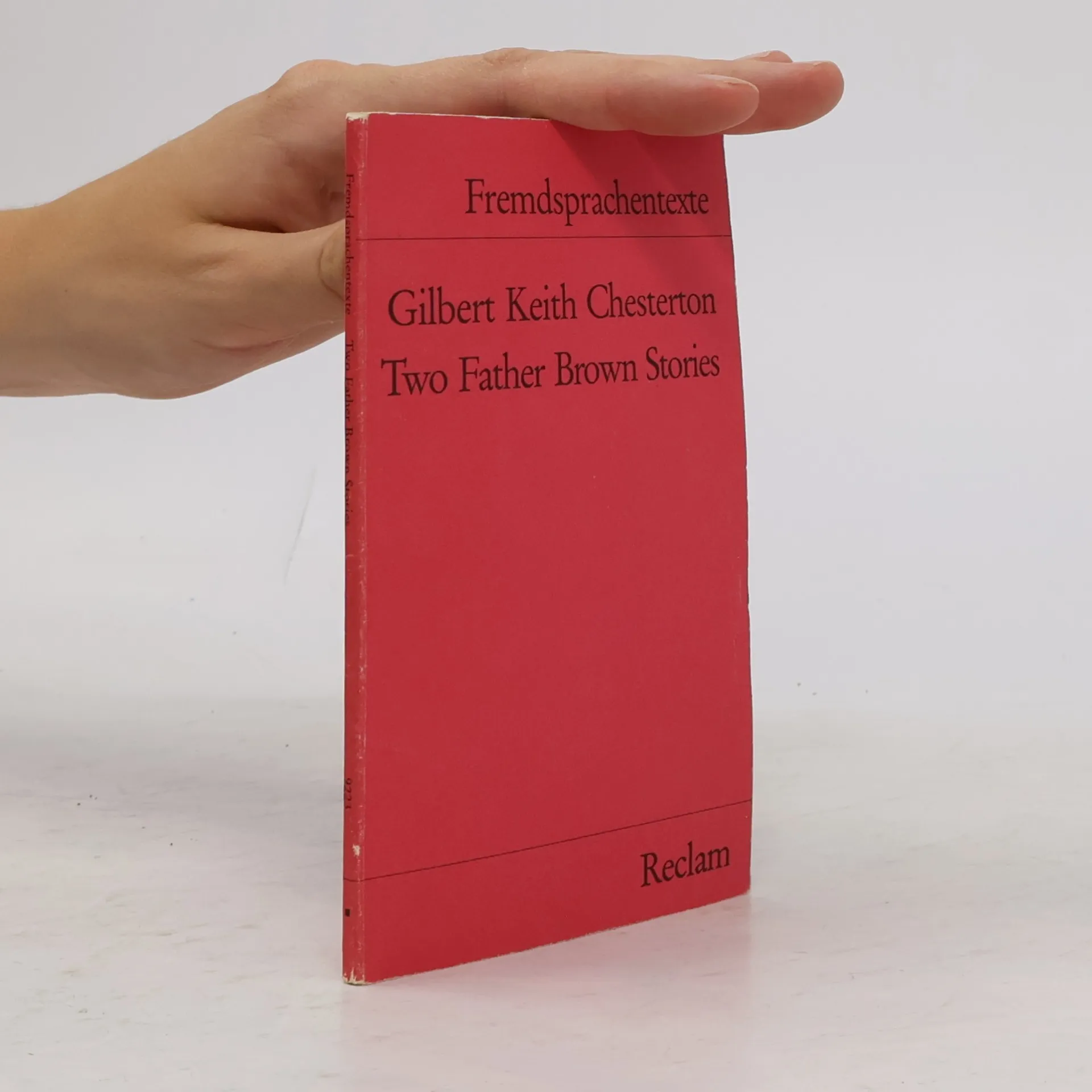
Two Father Brown stories, G. K. Chesterton
- Language

- Released
- 1987
- Binding
- (Paperback),
- Book condition
- Good
- Price
- €2.39
Payment methods
We’re missing your review here.
- Title
- Two Father Brown stories
- Language
- English
- Authors
- G. K. Chesterton
- Publisher
- Reclam
- Released
- 1987
- Format
- Paperback
- Pages
- 80
- ISBN10
- 315009223X
- ISBN13
- 9783150092231
- Series
- Tags
- Historical Themes, Mystery Novels, Philosophical Topics, Short Stories, 20th century, Selected works, Detective and crime short stories, Adapted into Series, Golden Age of English Detective Fiction (1920–1939), Paradoxes
- First published
- 1935
- Original title
- The Innocence of Father Brown, The Wisdom of Father Brown, The Incredulity of Father Brown, The Secret of Father Brown,
- Rating
- 4.05 out of 5
- Description
- Father Brown, the unassuming detective, stands among the most famous sleuths like Sherlock Holmes and Hercule Poirot, yet he fundamentally differs from them. He is a specialist in the criminal's soul, understanding their passions, weaknesses, and tricks. For him, the logic of murder is primarily a tragic logic of motivation. He knows that especially in affluent societies, vices thrive, as this "class recognizes no authority, not even the law." The perfect crime does not exist; there is always a missing key detail in the picture. Deception and lies have their limitations; one just needs to know how to look. Chesterton viewed detective fiction as one of the highest artistic genres, as at the heart of crime lies the existential question of life's meaning. Perhaps this is why the stories of Father Brown are so captivating.