

More about the book
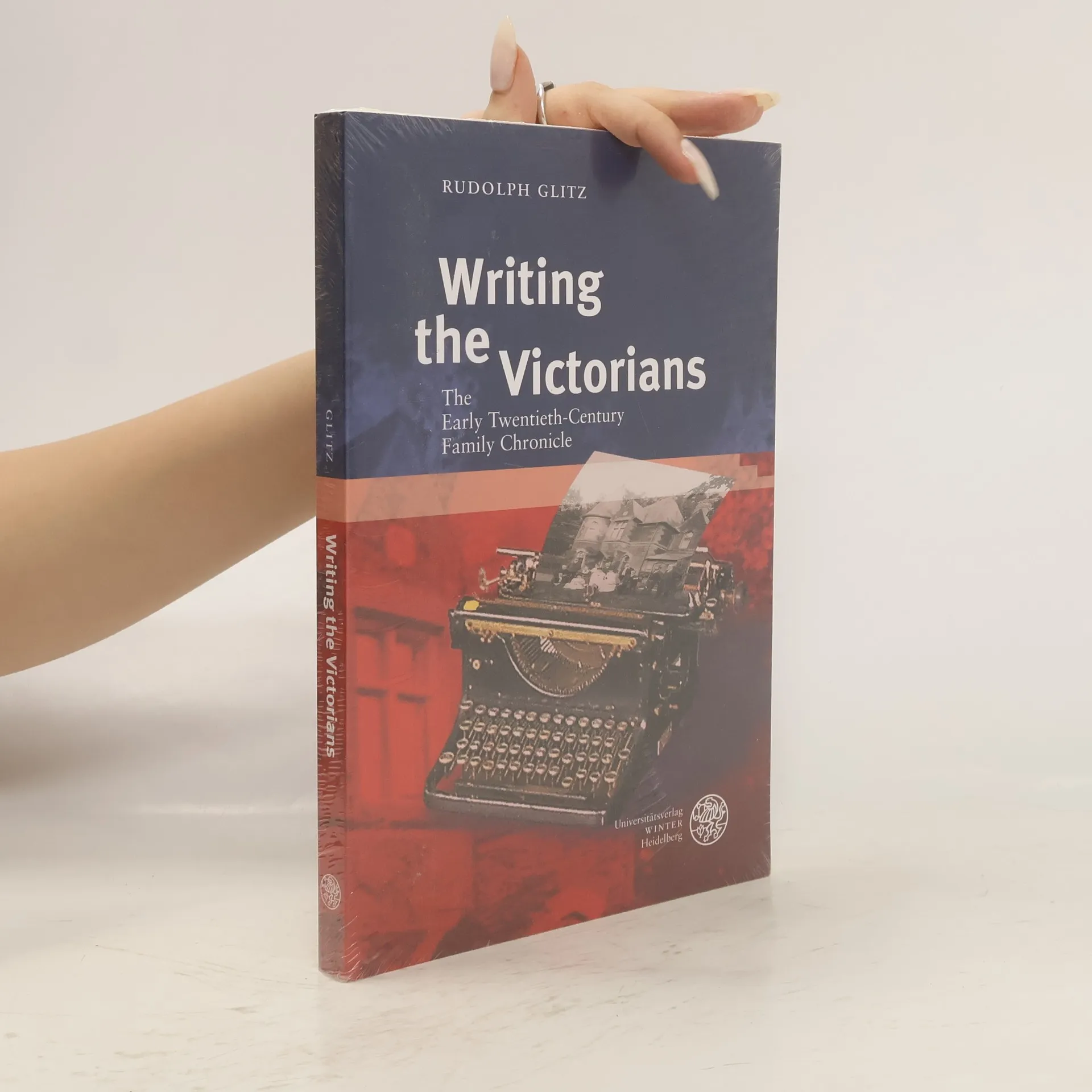
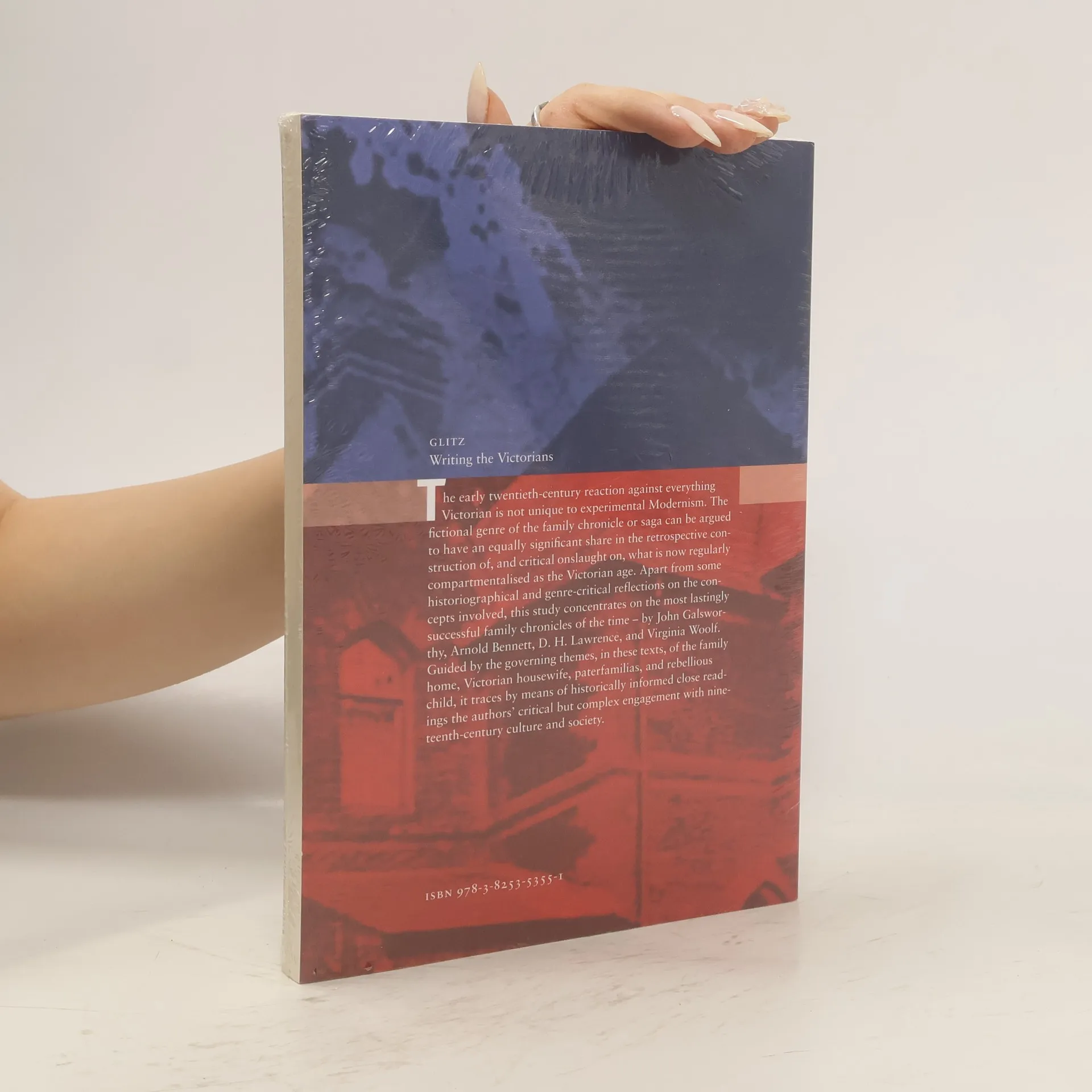
The early twentieth-century reaction against everything Victorian is not unique to experimental Modernism. The fictional genre of the family chronicle or saga can be argued to have an equally significant share in the retrospective construction of, and critical onslaught on, what is now regularly compartmentalised as the Victorian age. Apart from some historiographical and genre-critical reflections on the concepts involved, this study concentrates on the most lastingly successful family chronicles of the time - by John Galsworthy, Arnold Bennett, D. H. Lawrence, and Virginia Woolf. Guided by the governing themes, in these texts, of the family home, Victorian housewife, paterfamilias, and rebellious child, it traces by means of historically informed close readings the authors' critical but complex engagement with nineteenth-century culture and society.
Book purchase
Writing the victorians, Rudolph Glitz
- Language

- Released
- 2009
- Binding
- (Paperback)
Payment methods
No one has rated yet.
- Title
- Writing the victorians
- Language
- English
- Authors
- Rudolph Glitz
- Publisher
- Universitätsverlag Winter
- Released
- 2009
- Format
- Paperback
- Pages
- 228
- ISBN10
- 3825353559
- ISBN13
- 9783825353551
- Series
- Categories
- Description
- The early twentieth-century reaction against everything Victorian is not unique to experimental Modernism. The fictional genre of the family chronicle or saga can be argued to have an equally significant share in the retrospective construction of, and critical onslaught on, what is now regularly compartmentalised as the Victorian age. Apart from some historiographical and genre-critical reflections on the concepts involved, this study concentrates on the most lastingly successful family chronicles of the time - by John Galsworthy, Arnold Bennett, D. H. Lawrence, and Virginia Woolf. Guided by the governing themes, in these texts, of the family home, Victorian housewife, paterfamilias, and rebellious child, it traces by means of historically informed close readings the authors' critical but complex engagement with nineteenth-century culture and society.