

More about the book
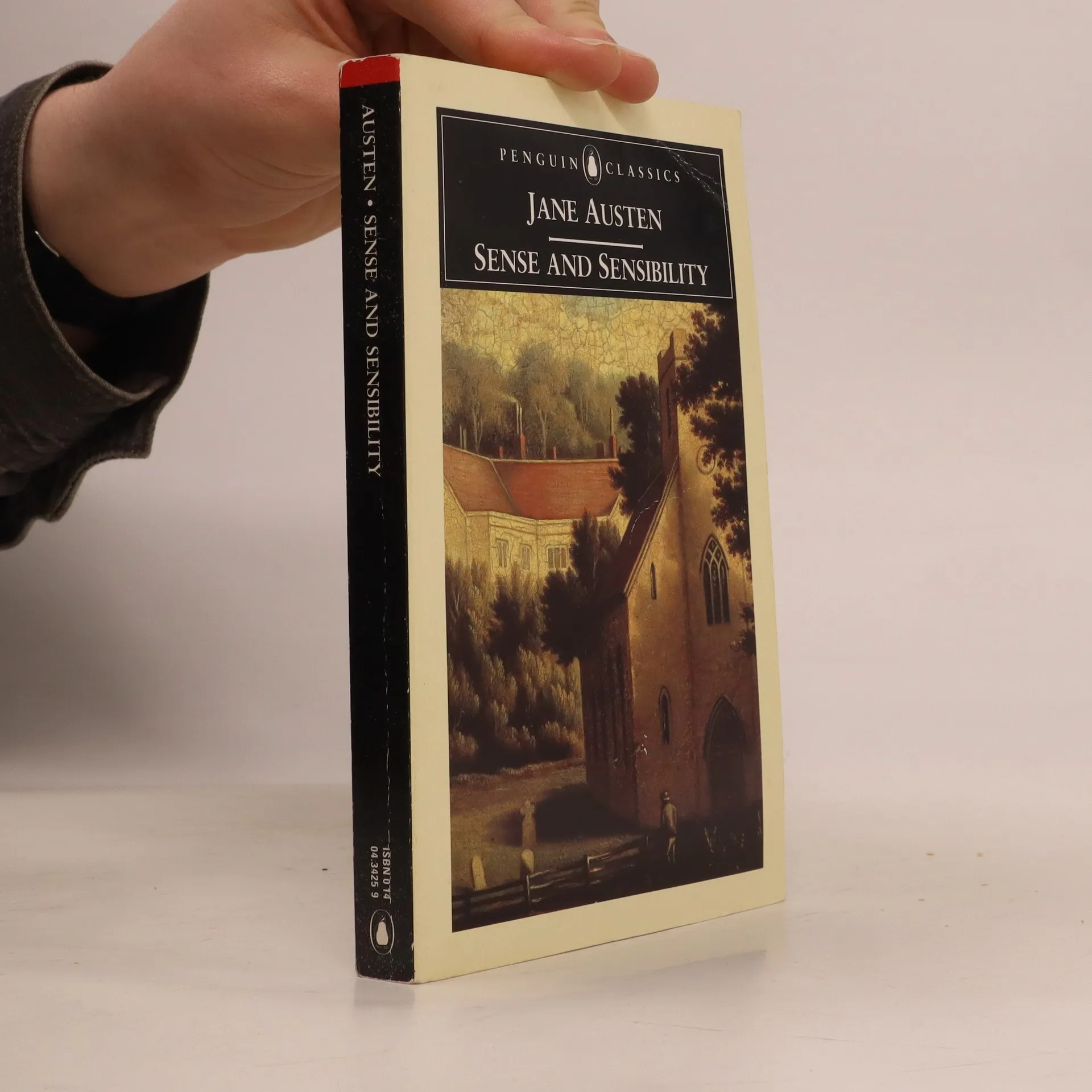
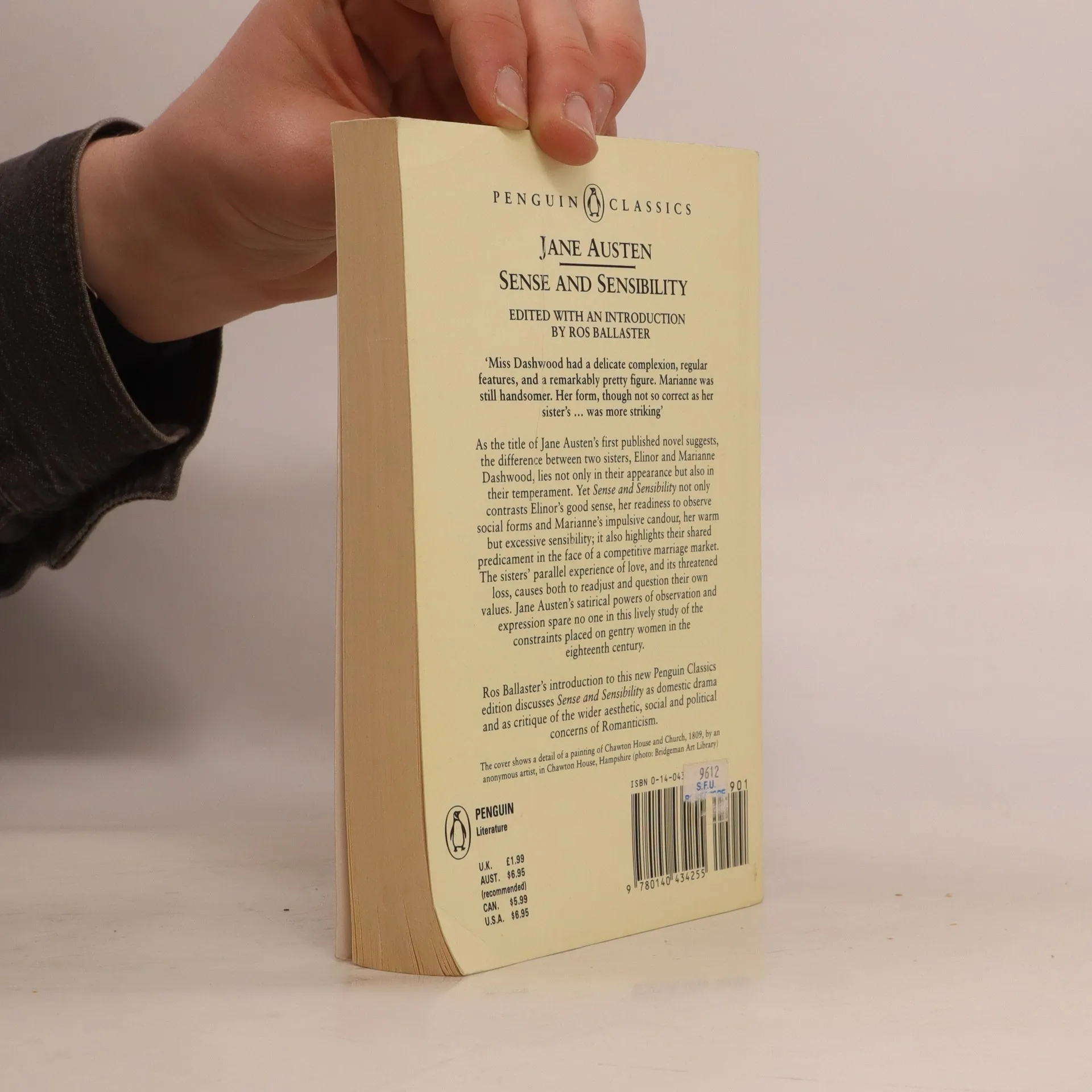
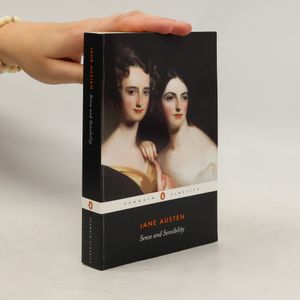
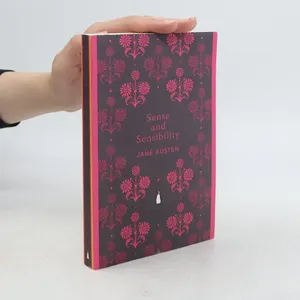
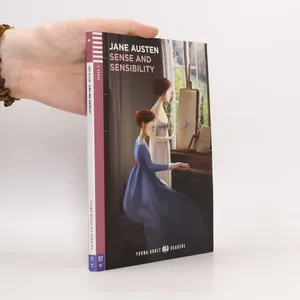
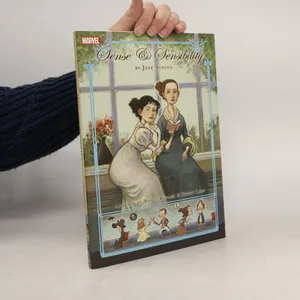
'Miss Dashwood had a delicate complexion, regular features, and a remarkably pretty figure. Marianne was still handsomer. Her form, though not so correct as her sister's ... was more striking'As the title of Jane Austen's first published novel suggests, the difference between two sisters, Elinor and Marianne Dashwood, lies not only in their appearance but also in their temperament. Yet Sense and Sensibility not only contrasts Elinor's good sense, her readiness to observe social forms and Marianne's impulsive candour, her warm but excessive sensibility; it also highlights their shared predicament in the face of a competitive marriage market. The sisters' parallel experience of love, and its threatened loss, causes both to readjust and question their own values. Jane Austen's satirical powers of observation and expression spare no one in this lively study of the constraints placed on gentry women in the eighteenth century.Ros Ballaster's introduction to this new Penguin Classics edition discusses Sense and Sensibility as domestic drama and as critique of the wider aesthetic, social and political concerns of Romanticism.


Publication
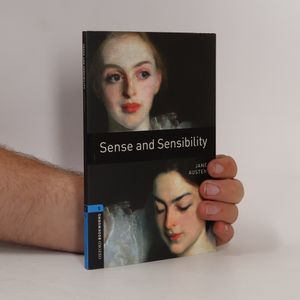
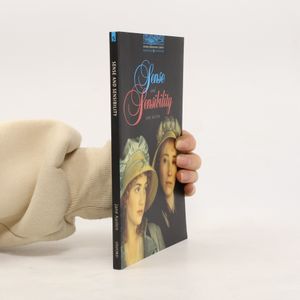
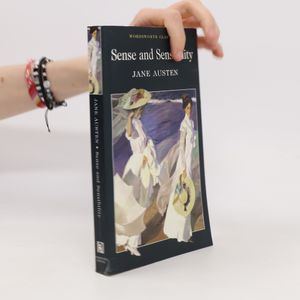
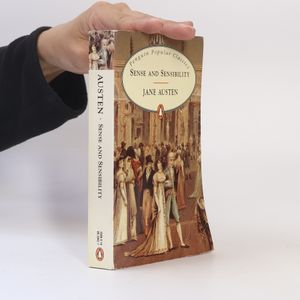
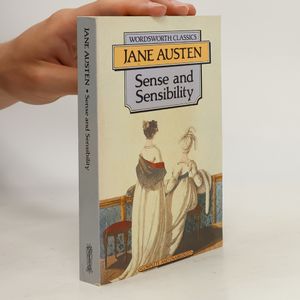


- 2025

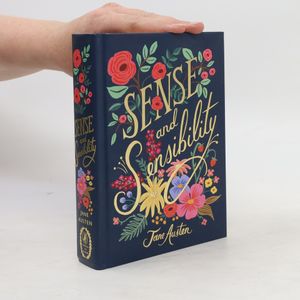
- 2024
- 2024
- 2024
- 2024
- 2024
- 2024
- 2024
- 2023
- 2023
- 2023
- 2023
- 2023
- 2023
- 2023
- 2023
- 2023
- 2023
- 2023
- 2023
- 2022
- 2022
- 2022
- 2022
- 2022
- 2022
- 2022
- 2021
- 2021
- 2021
- 2021
- 2021
- 2021
- 2021
- 2021
- 2021
- 2021
- 2020
- 2020
- 2020
- 2020
- 2020
- 2020
- 2020
- 2020
- 2020
- 2020
- 2020
- 2020
- 2020
- 2020
- 2020
- 2020
- 2020
- 2020
- 2020

- 2019

- 2019
- 2019
- 2019
- 2019
- 2019
- 2019
- 2019
- 2019

- 2018
- 2018
- 2018
- 2018
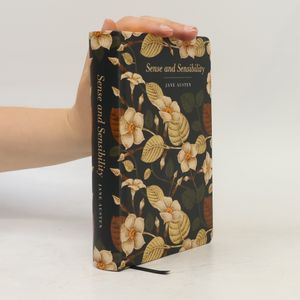
- 2018
- 2018
- 2018
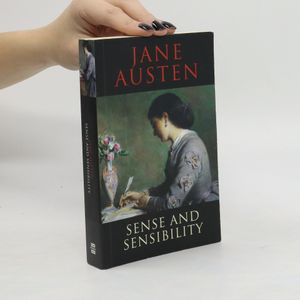

- 2017
- 2017

- 2016
- 2016
- 2016
- 2016
- 2016
- 2016
- 2015
- 2015
- 2015

- 2014
- 2014
- 2013
- 2013
- 2013

- 2013

- 2012
- 2012


- 2011
- 2011
- 2011
- 2011

- 2011
- 2010
- 2009
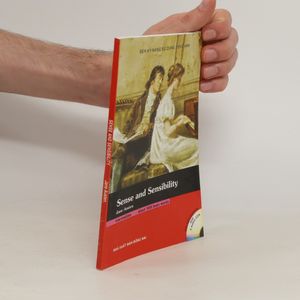
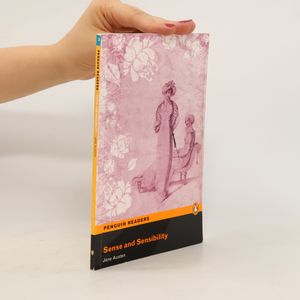


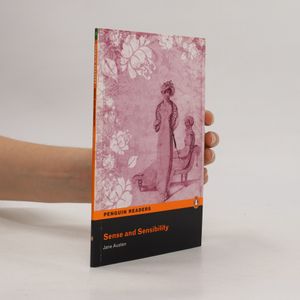
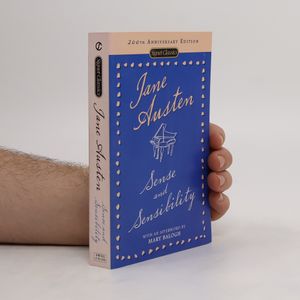
- 2008
- 2008
- 2008
- 2008
- 2008

- 2007
- 2006

- 2005


- 2004
- 2001
- 2001
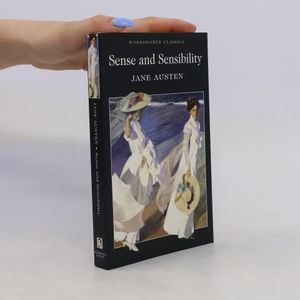
- 2000
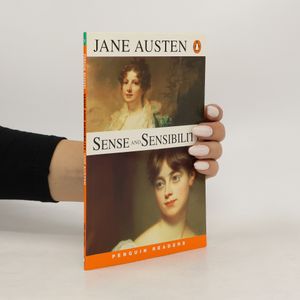
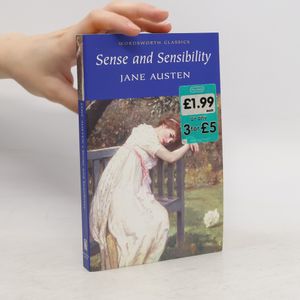

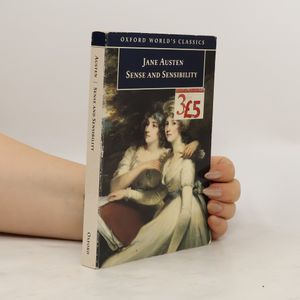
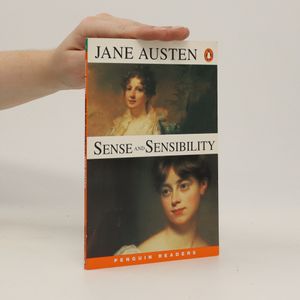


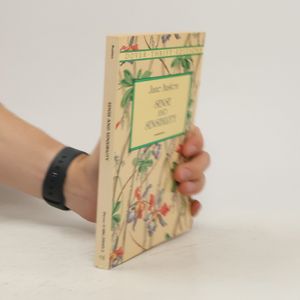

- 1996
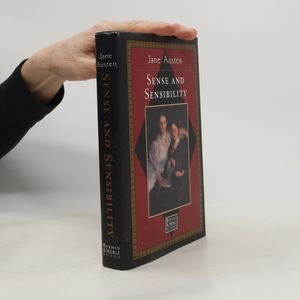
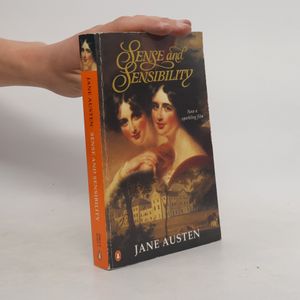



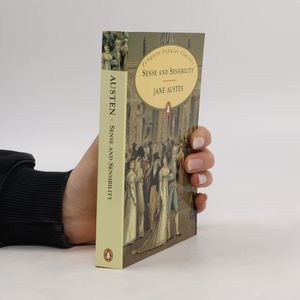


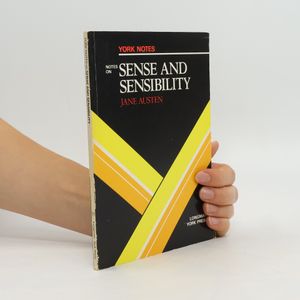



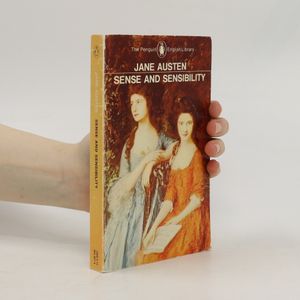
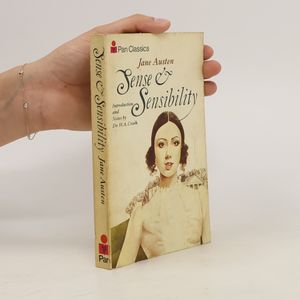



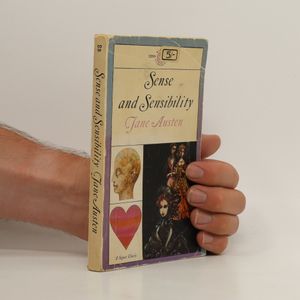

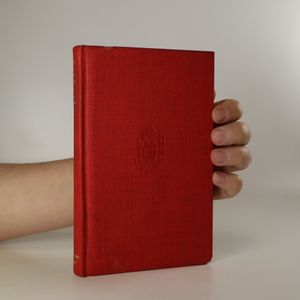
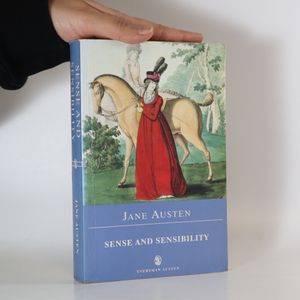

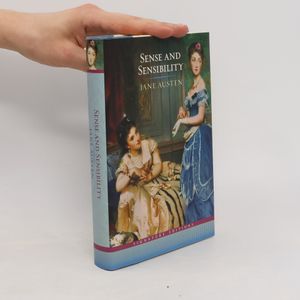
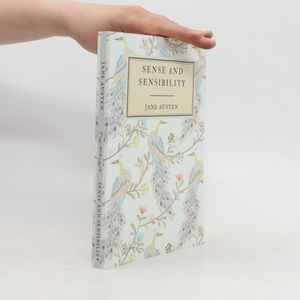





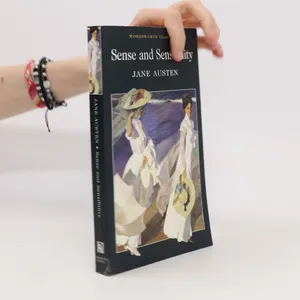
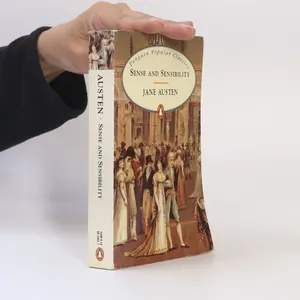
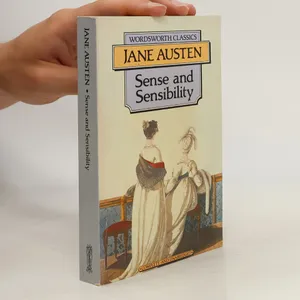
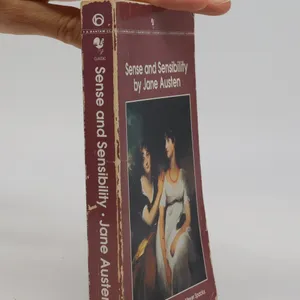

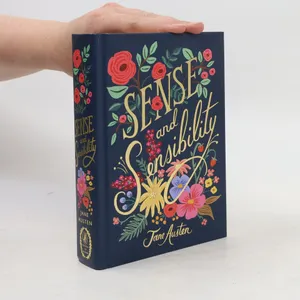
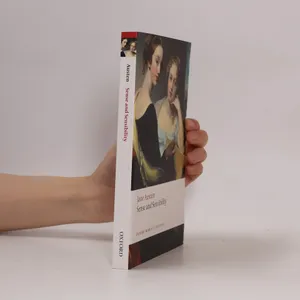
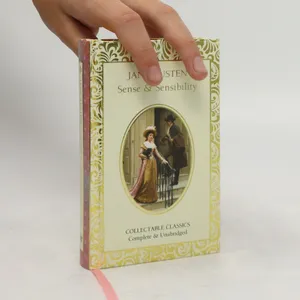

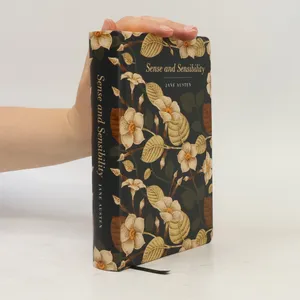
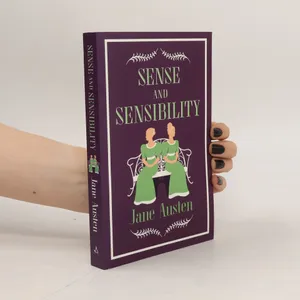
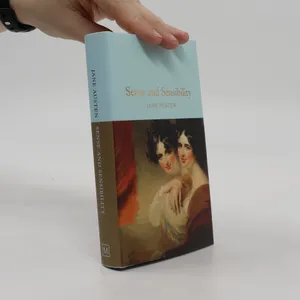

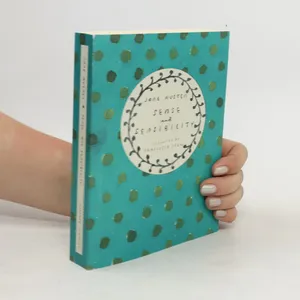
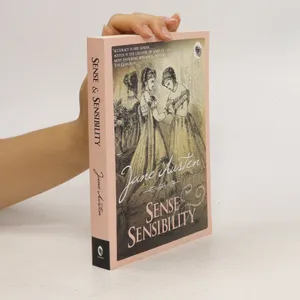


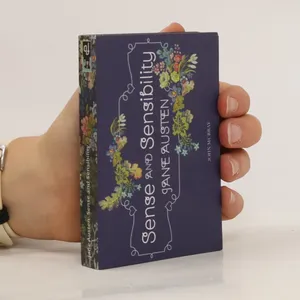

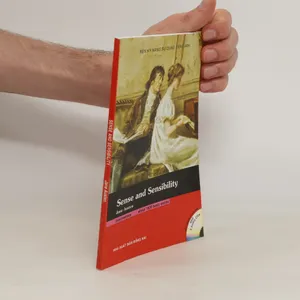
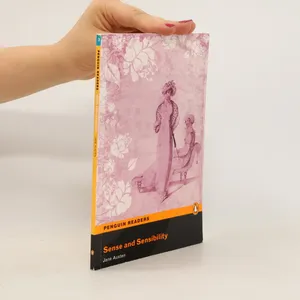
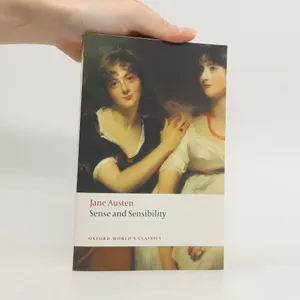

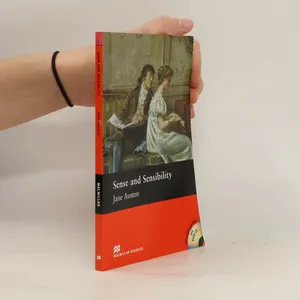
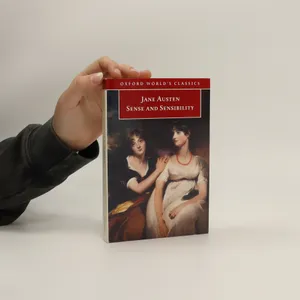
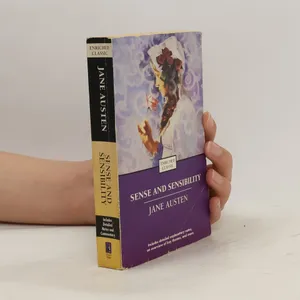
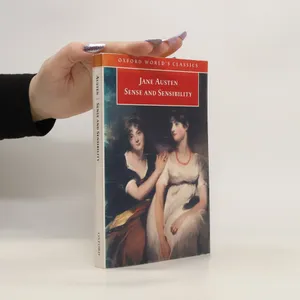
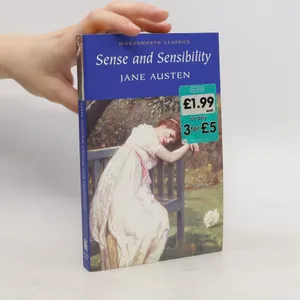
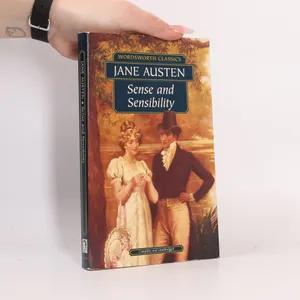
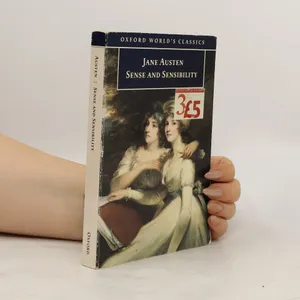
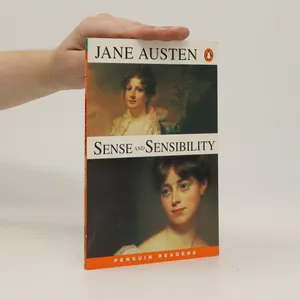

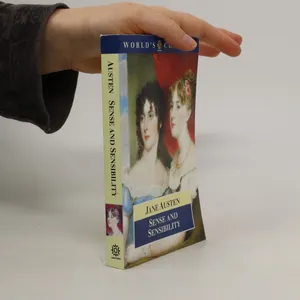
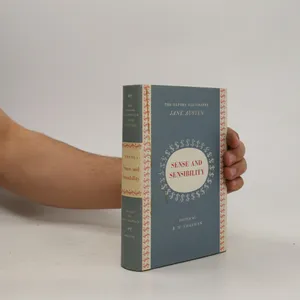
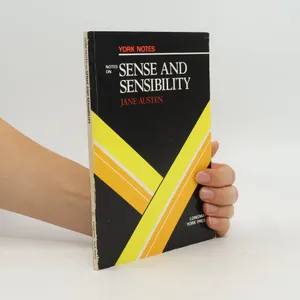
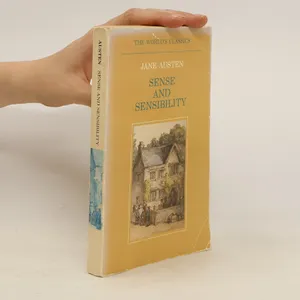


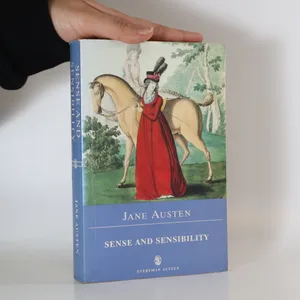
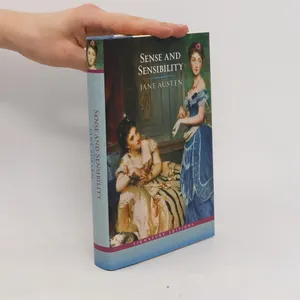
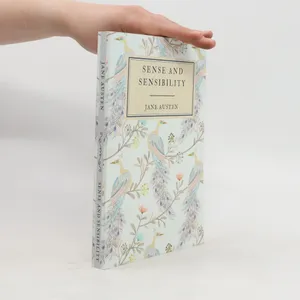

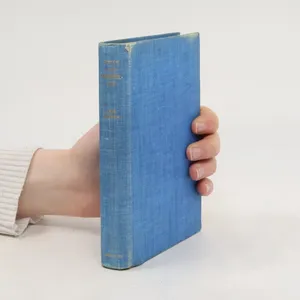
Book purchase
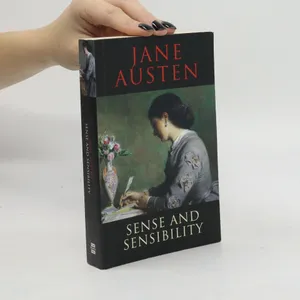
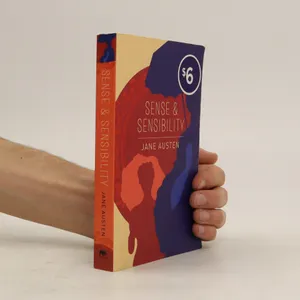
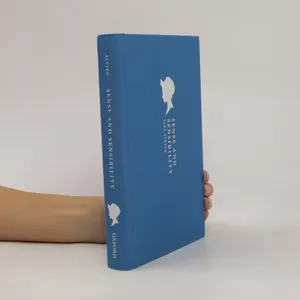
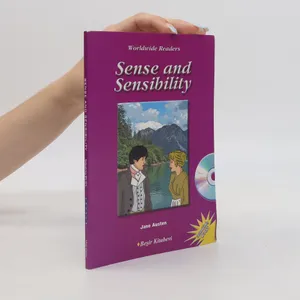
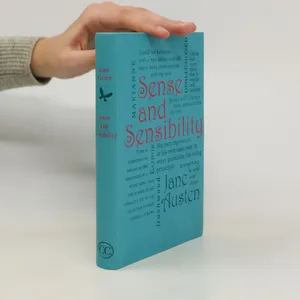
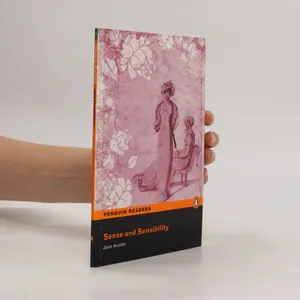
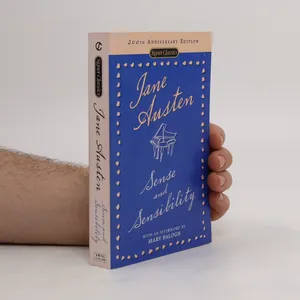
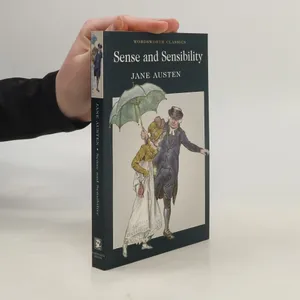
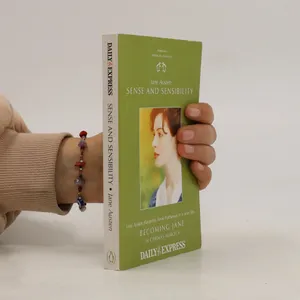
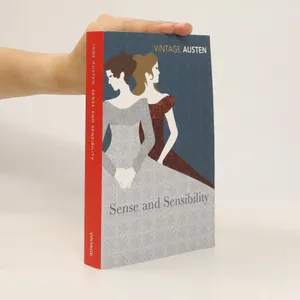
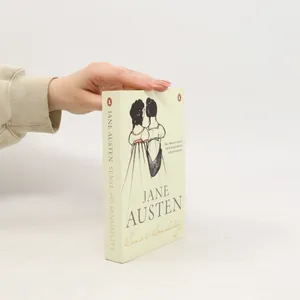
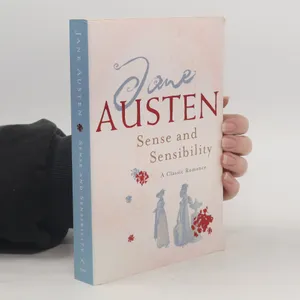
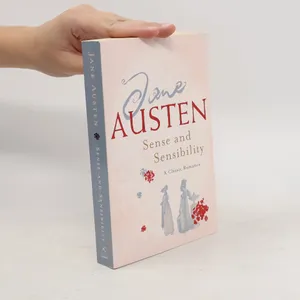
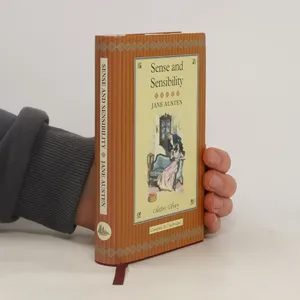
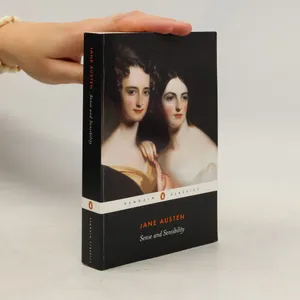
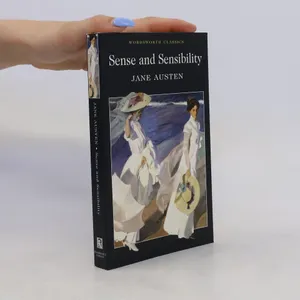
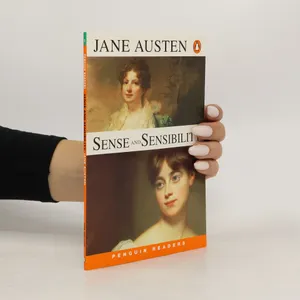
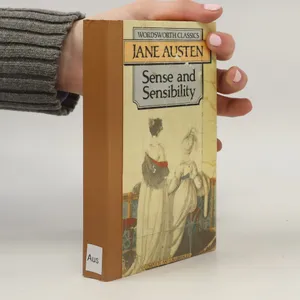
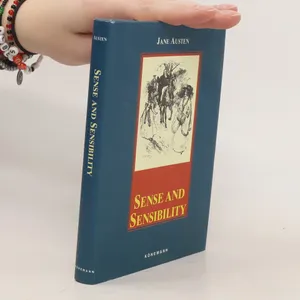
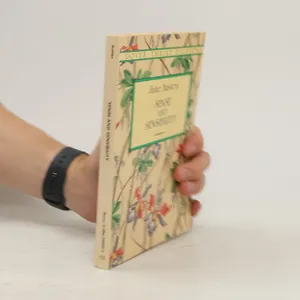
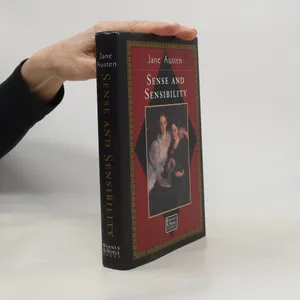
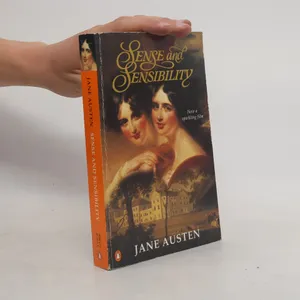
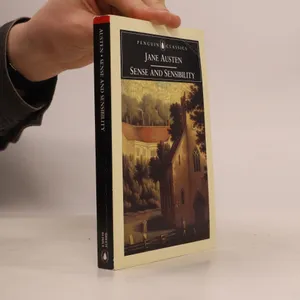
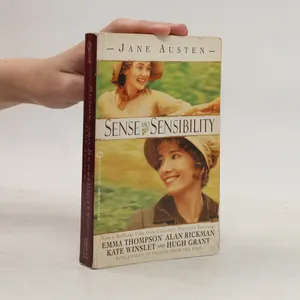
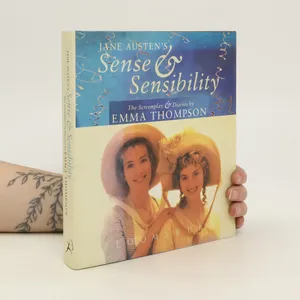
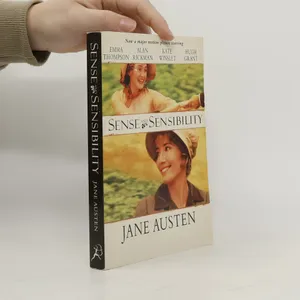
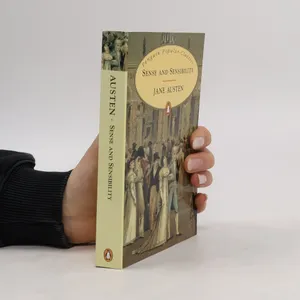
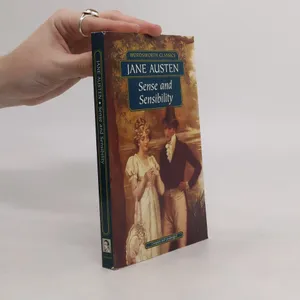
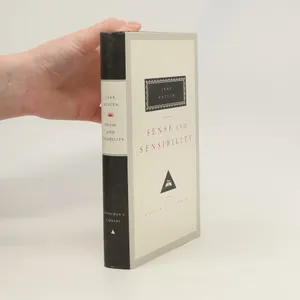
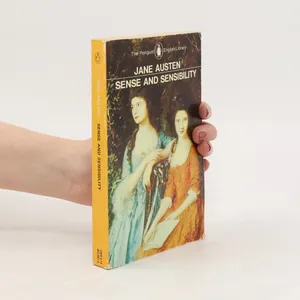
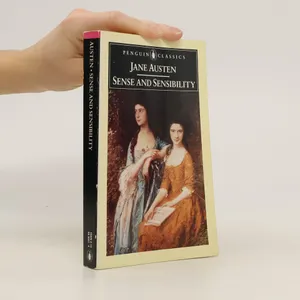
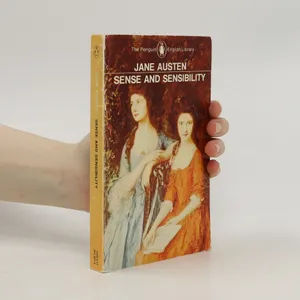
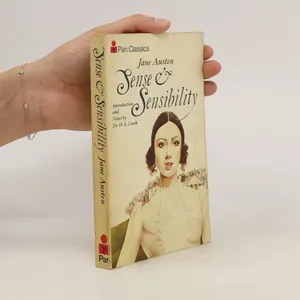
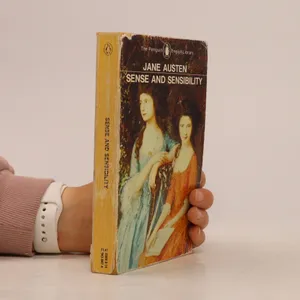
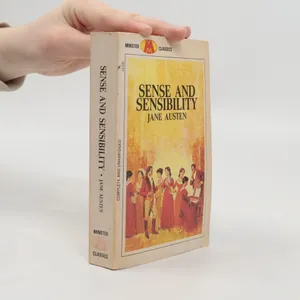
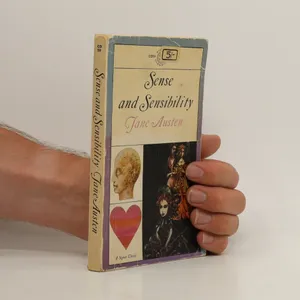
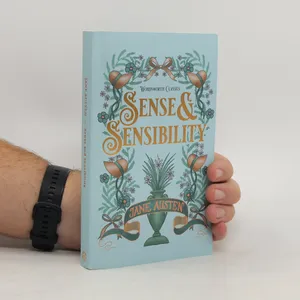
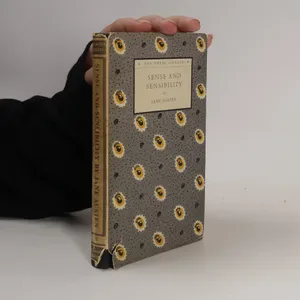
Sense and sensibility, Jane Austen
- Language

- Released
- 1995
- product-detail.submit-box.info.binding
- (Paperback)
Payment methods
We’re missing your review here.
- Language
- English
- Authors
- Jane Austen
- Publisher
- Penguin Books
- Released
- 1995
- Format
- Paperback
- Pages
- 368
- ISBN10
- 0140434259
- ISBN13
- 9780140434255
- Series
- Tags
- Fiction, Romance, Love, Family, Classics, 19th century, Society, England, Historical Romance, English Literature, Adapted for Film, Emotions, Marriage, Sisters, English Novels, Jane Austen, Regency England
- First published
- 1811
- Original title
- Sense and Sensibility
- Rating
- 4.1 out of 5
- Description
- 'Miss Dashwood had a delicate complexion, regular features, and a remarkably pretty figure. Marianne was still handsomer. Her form, though not so correct as her sister's ... was more striking'As the title of Jane Austen's first published novel suggests, the difference between two sisters, Elinor and Marianne Dashwood, lies not only in their appearance but also in their temperament. Yet Sense and Sensibility not only contrasts Elinor's good sense, her readiness to observe social forms and Marianne's impulsive candour, her warm but excessive sensibility; it also highlights their shared predicament in the face of a competitive marriage market. The sisters' parallel experience of love, and its threatened loss, causes both to readjust and question their own values. Jane Austen's satirical powers of observation and expression spare no one in this lively study of the constraints placed on gentry women in the eighteenth century.Ros Ballaster's introduction to this new Penguin Classics edition discusses Sense and Sensibility as domestic drama and as critique of the wider aesthetic, social and political concerns of Romanticism.