

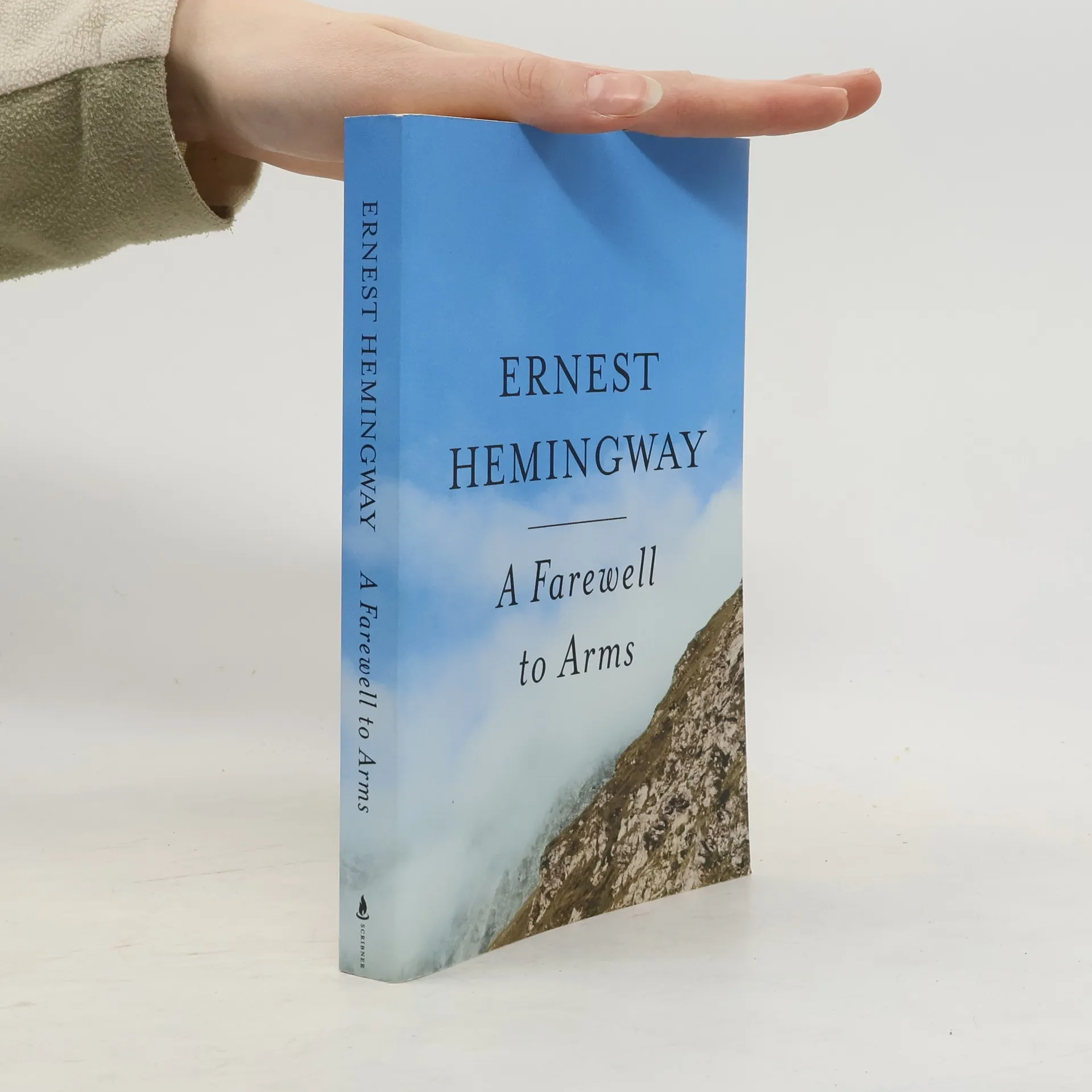
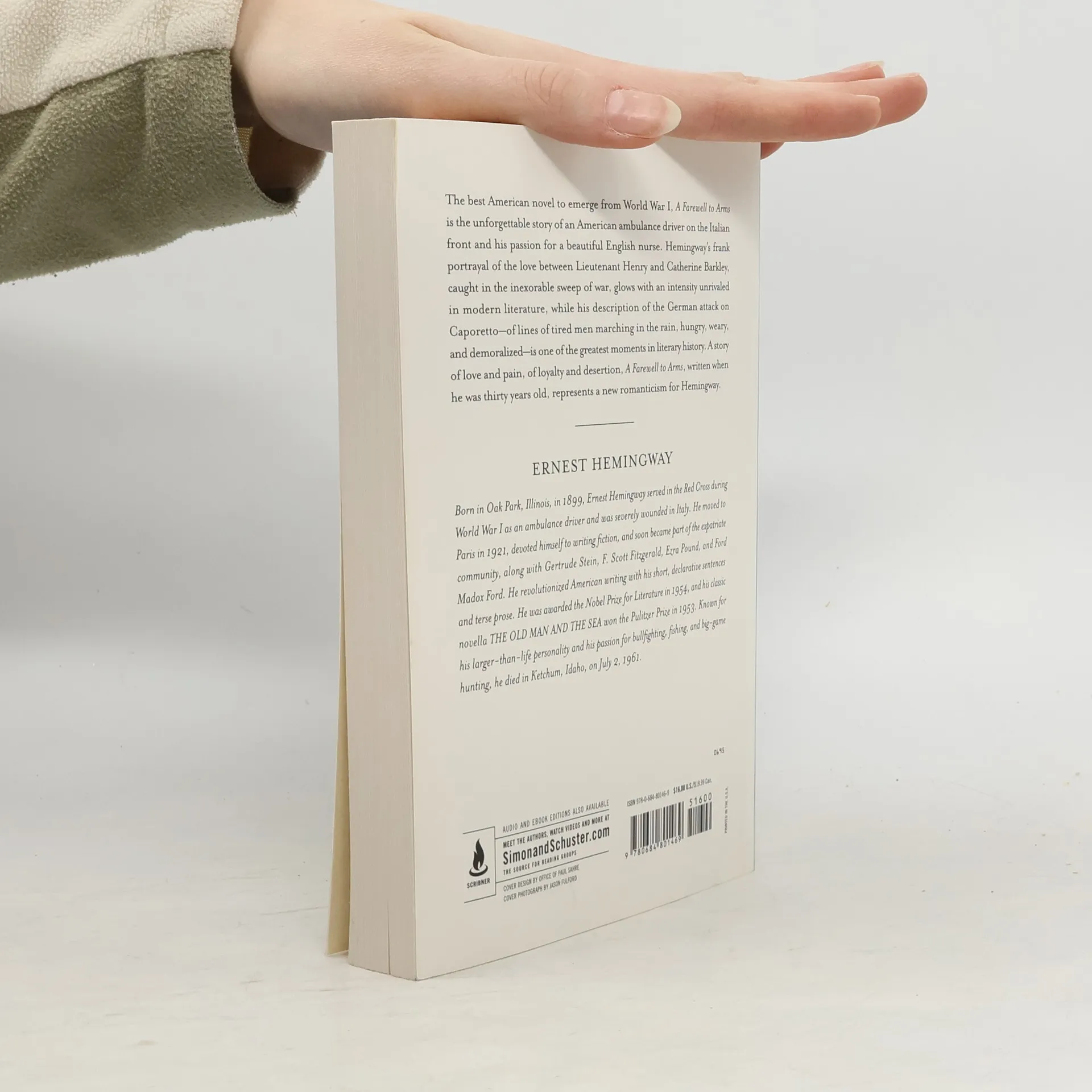
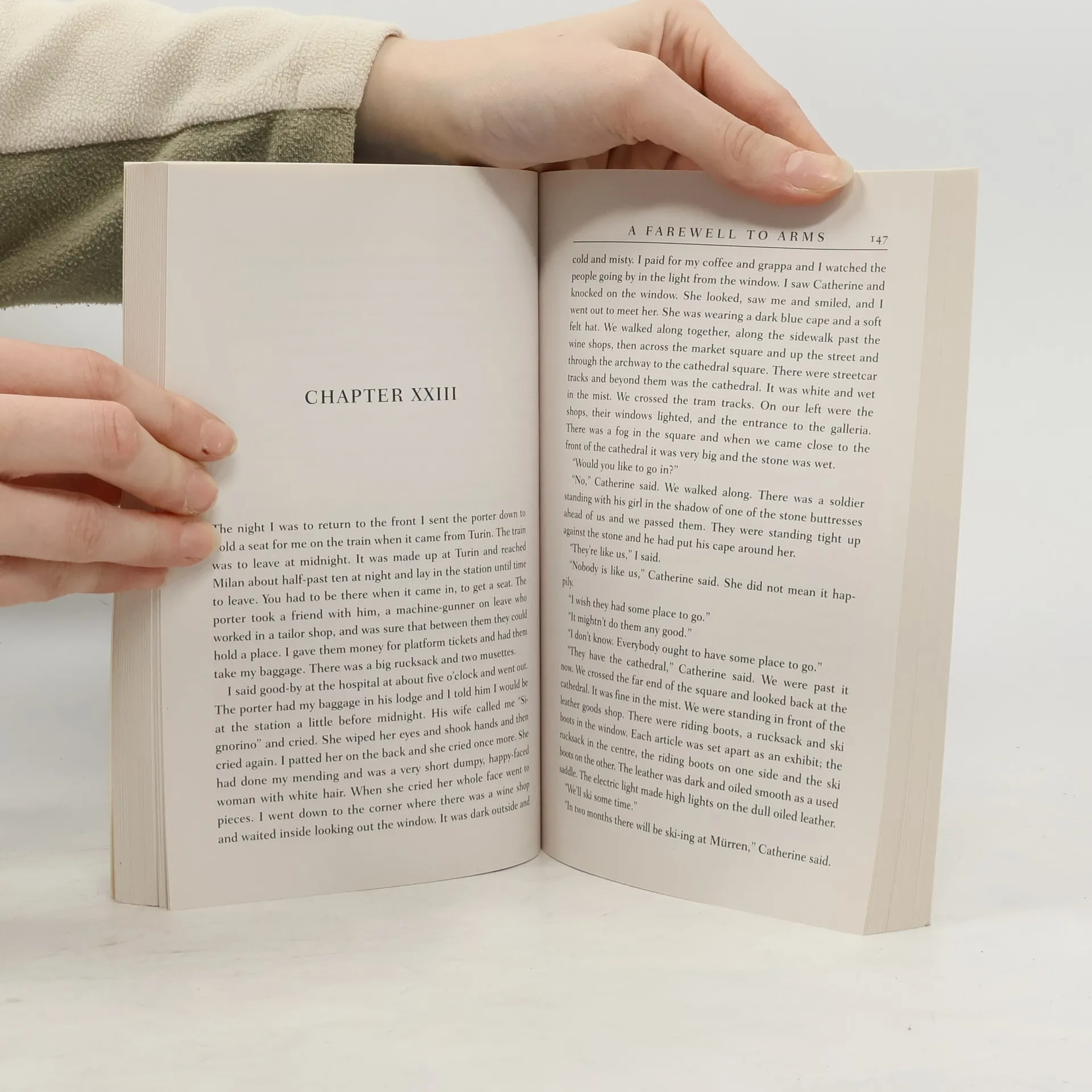
More about the book
Ernest Hemingway’s classic novel of love during wartime. Written when Ernest Hemingway was thirty years old and lauded as the best American novel to emerge from World War I, A Farewell to Arms is the unforgettable story of an American ambulance driver on the Italian front and his passion for a beautiful English nurse. Set against the looming horrors of the battlefield, this gripping, semiautobiographical work captures the harsh realities of war and the pain of lovers caught in its inexorable sweep. Hemingway famously rewrote the ending to A Farewell to Arms thirty-nine times to get the words right. A classic novel of love during wartime, “A Farewell to Arms stands, more than eighty years after its first appearance, as a towering ornament of American literature” (The Washington Times).







Book purchase
A Farewell to Arms, Ernest Hemingway
- Language

- Released
- 2003
- product-detail.submit-box.info.binding
- (Paperback)
Payment methods
We’re missing your review here.
- Title
- A Farewell to Arms
- Language
- English
- Authors
- Ernest Hemingway
- Publisher
- Scribner
- Released
- 2003
- Format
- Paperback
- ISBN10
- 0684801469
- ISBN13
- 9780684801469
- Series
- First published
- 1929
- Original title
- A Farewell to Arms
- Rating
- 3.85 out of 5
- Description
- Ernest Hemingway’s classic novel of love during wartime. Written when Ernest Hemingway was thirty years old and lauded as the best American novel to emerge from World War I, A Farewell to Arms is the unforgettable story of an American ambulance driver on the Italian front and his passion for a beautiful English nurse. Set against the looming horrors of the battlefield, this gripping, semiautobiographical work captures the harsh realities of war and the pain of lovers caught in its inexorable sweep. Hemingway famously rewrote the ending to A Farewell to Arms thirty-nine times to get the words right. A classic novel of love during wartime, “A Farewell to Arms stands, more than eighty years after its first appearance, as a towering ornament of American literature” (The Washington Times).