

Parameters
- 336 pages
- 12 hours of reading
More about the book
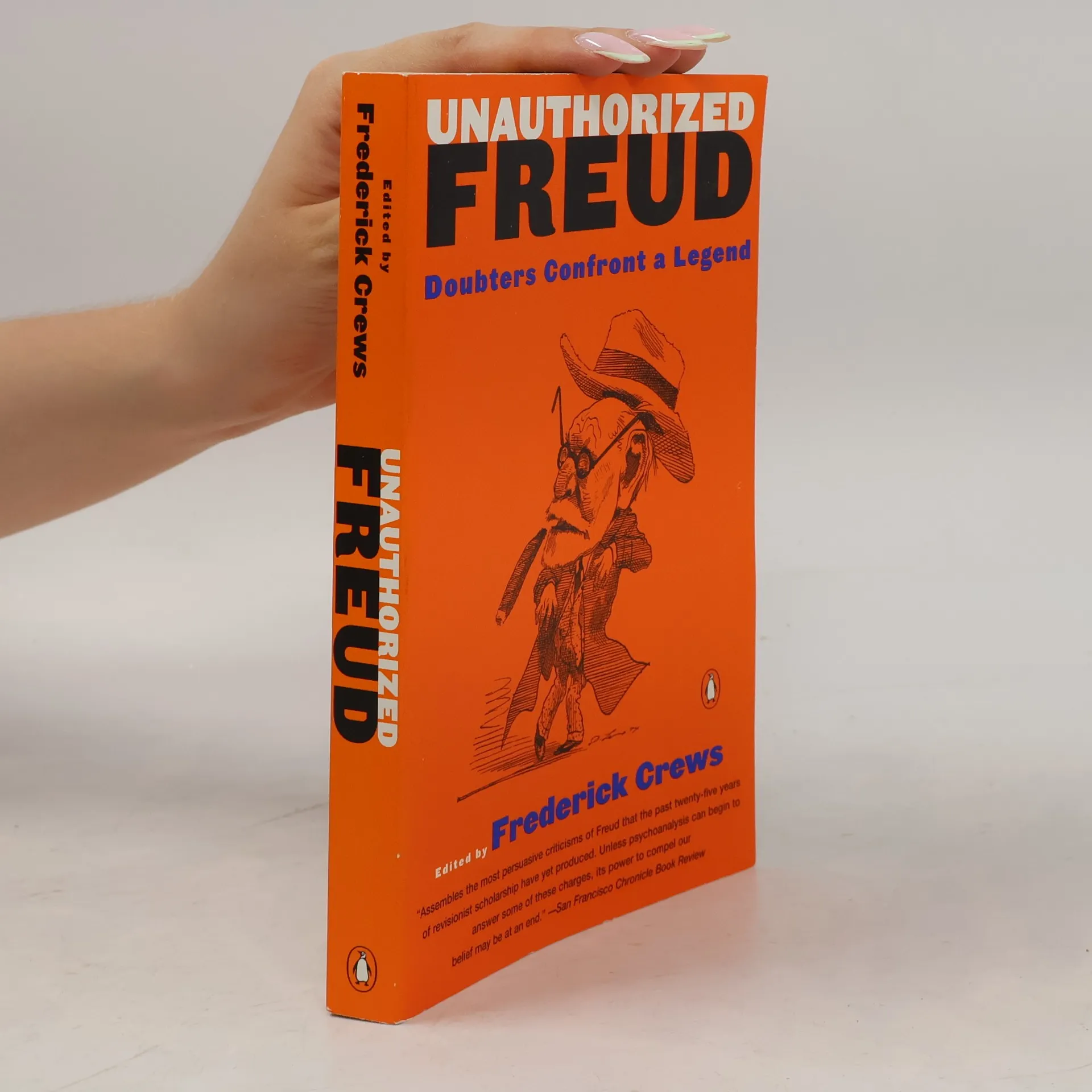
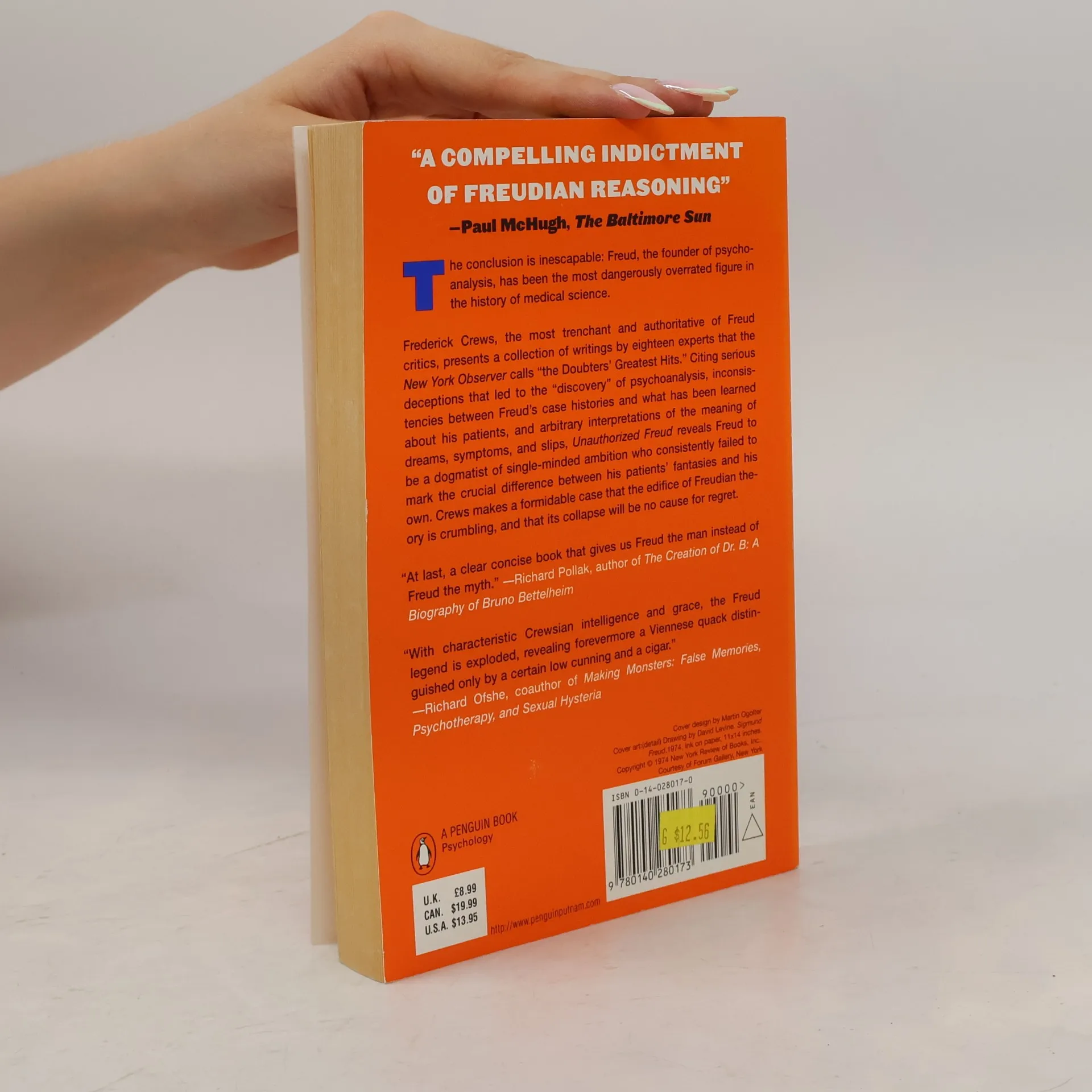
Over the past thirty years, a revolution has occurred in the study of Sigmund Freud and his brainchild, psychoanalysis. The Freud of legend has been exposed as fiction, a joint concoction of Freud himself and his official biographer, Ernest Jones. The emerging truth is that Freud was a dogmatist who browbeat his patients and consistently failed to mark the crucial difference between their fantasies and his own. Now Frederick Crews, the most authoritative of Freud critics, collects the trenchant writings of eighteen experts who put to rest the myth of Freud's scientific and therapeutic prowess.The scrupulously researched selections included in Unauthorized Freud reveal the fumbles and deceptions that led to the "discovery" of psychoanalysis; the arbitrary interpretations of dreams, symptoms, and slips; the inconsistencies in Freud's case histories and what we now know about his patients; and the terrible personal costs incurred by his disciples. The conclusion is inescapable: the founder of psychoanalysis has been the most dangerously overrated figure in the history of medical science.
Publication

Book purchase
Unauthorized Freud, Frederick Crews
- Language

- Released
- 1999
- Binding
- (Paperback)
Payment methods
We’re missing your review here.
- Title
- Unauthorized Freud
- Subtitle
- Doubters Confront a Legend
- Language
- English
- Authors
- Frederick Crews
- Publisher
- Penguin Books
- Released
- 1999
- Format
- Paperback
- Pages
- 336
- ISBN10
- 0140280170
- ISBN13
- 9780140280173
- Series
- Rating
- 4 out of 5
- Description
- Over the past thirty years, a revolution has occurred in the study of Sigmund Freud and his brainchild, psychoanalysis. The Freud of legend has been exposed as fiction, a joint concoction of Freud himself and his official biographer, Ernest Jones. The emerging truth is that Freud was a dogmatist who browbeat his patients and consistently failed to mark the crucial difference between their fantasies and his own. Now Frederick Crews, the most authoritative of Freud critics, collects the trenchant writings of eighteen experts who put to rest the myth of Freud's scientific and therapeutic prowess.The scrupulously researched selections included in Unauthorized Freud reveal the fumbles and deceptions that led to the "discovery" of psychoanalysis; the arbitrary interpretations of dreams, symptoms, and slips; the inconsistencies in Freud's case histories and what we now know about his patients; and the terrible personal costs incurred by his disciples. The conclusion is inescapable: the founder of psychoanalysis has been the most dangerously overrated figure in the history of medical science.