

Parameters
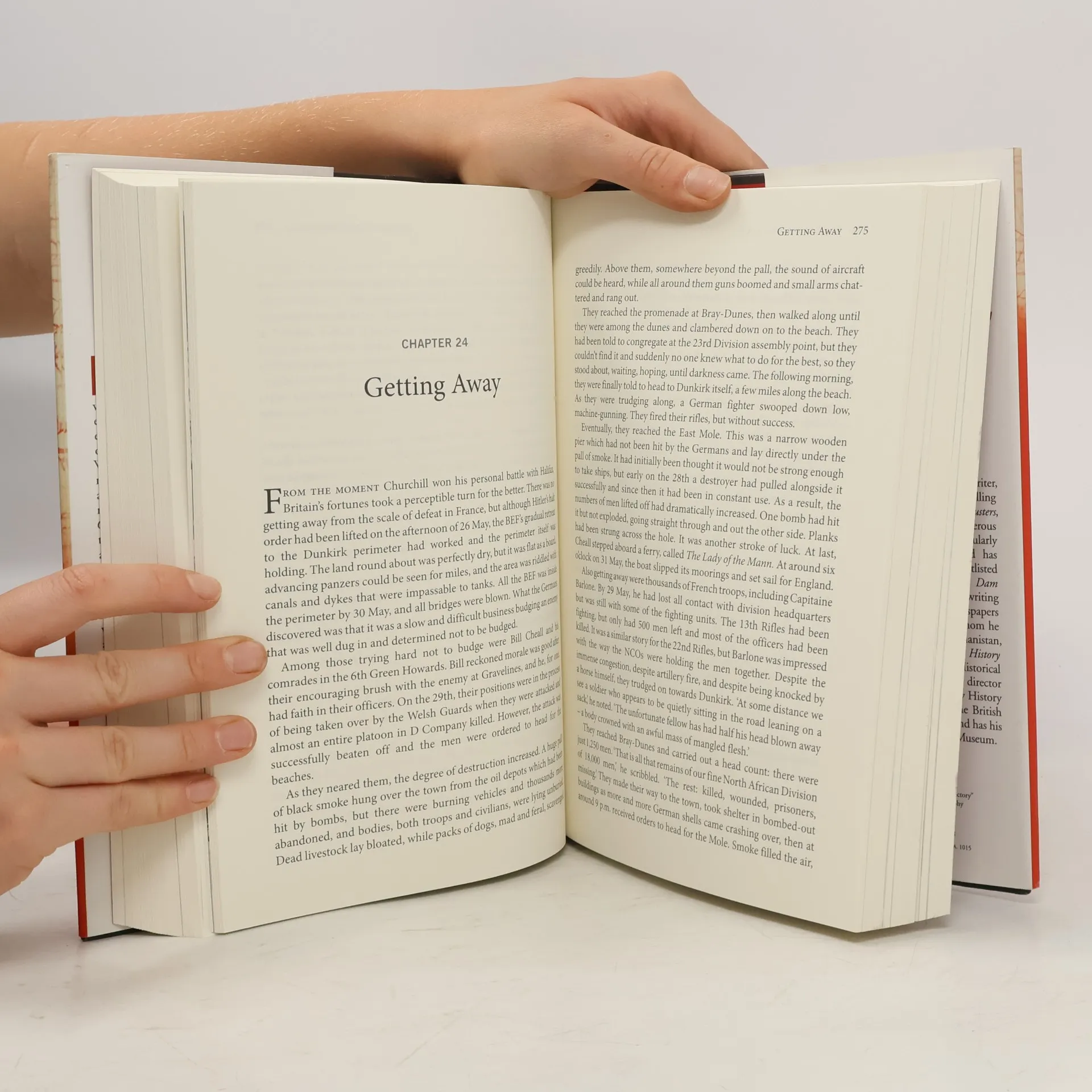
- 692 pages
- 25 hours of reading
More about the book
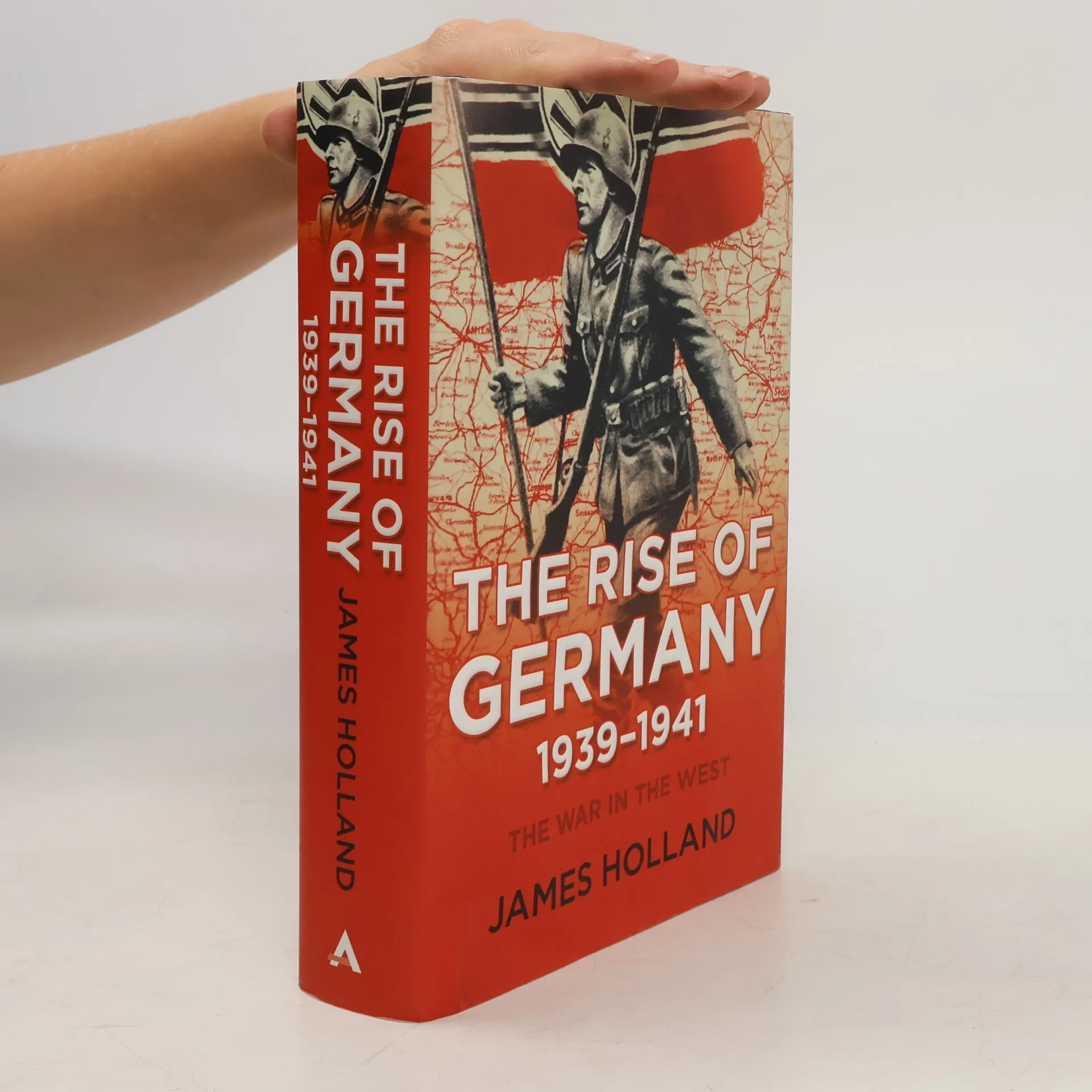
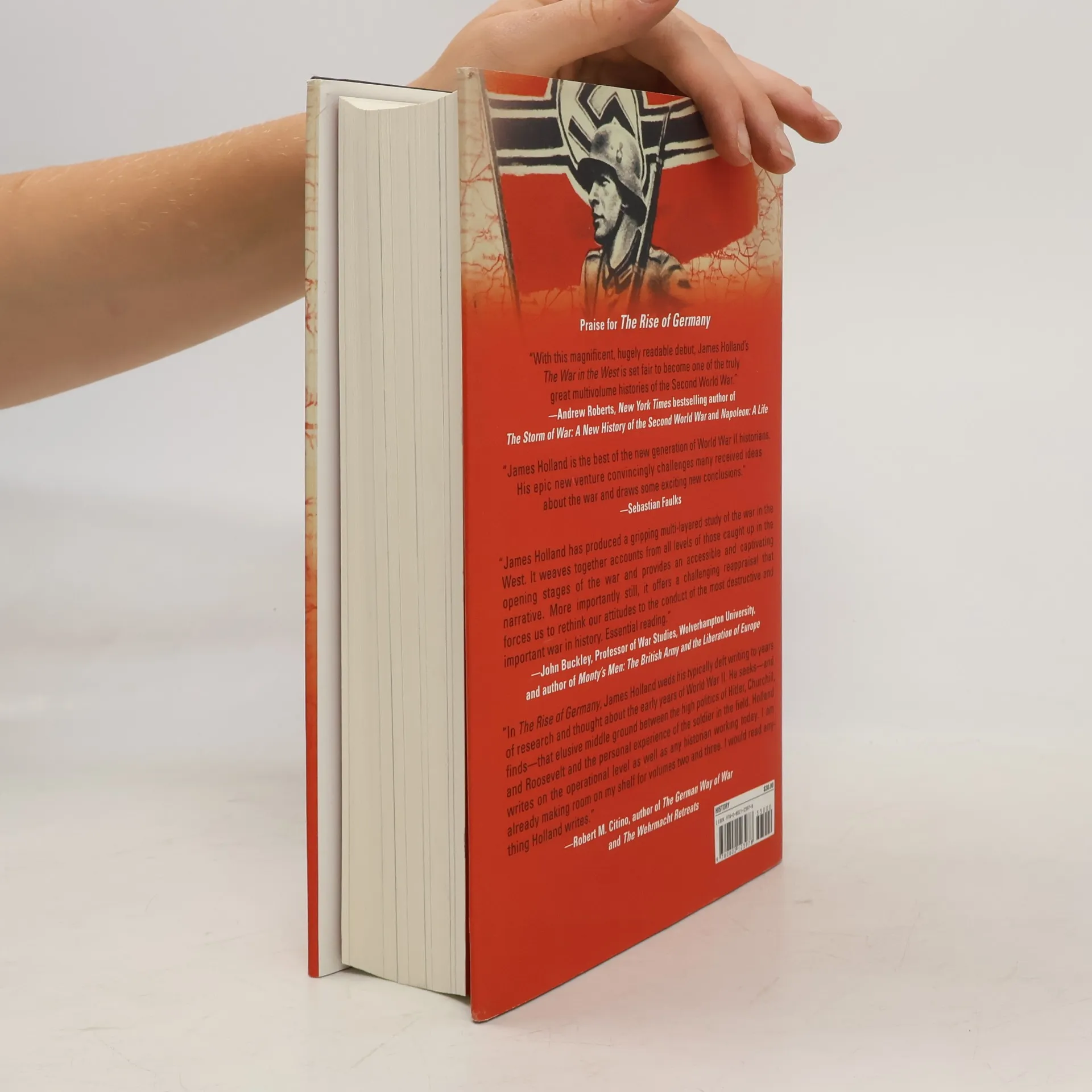
Much of our understanding of World War II is based on myth rather than fact, particularly regarding the western theater. In this sweeping narrative history, British historian James Holland employs deep research and incisive analysis to reshape our perception of this pivotal conflict. Contrary to the common belief that Germany had the strongest army at the war's outset, the reality in 1939 was quite different. Germany was actually short on resources, tanks, and trained soldiers before its Polish offensive. In contrast, Britain and France had more troops and superior naval power, with Britain being the wealthiest nation in Europe, bolstered by its vast empire. Hitler's aggressive stance towards Poland was a bluff, miscalculating Western Europe's willingness to intervene. This volume covers the lead-up to the war in 1939 through to mid-1941, just before the Nazi invasion of Russia, exploring various levels of the conflict. Holland challenges the myth of blitzkrieg and shares personal stories from diverse figures, including a German U-boat captain and civilians caught in the turmoil. This major work promises to spark significant scholarly debate and engage readers with its fresh perspective.



Book purchase
The Rise of Germany, 1939-1941, James Holland
- Language

- Released
- 2015
- product-detail.submit-box.info.binding
- (Hardcover),
- Book condition
- Good
- Price
- €6.99
Payment methods
We’re missing your review here.
- Language
- English
- Authors
- James Holland
- Publisher
- Atlantic Monthly Press
- Released
- 2015
- Format
- Hardcover
- Pages
- 692
- ISBN10
- 080212397X
- ISBN13
- 9780802123978
- Series
- The War in the West
- Tags
- Non-Fiction, Social Sciences, Historical Themes, History, Political Science & Politics, Politics, Military History, Military Fiction, Wars, World War II, Gifts for grandpa
- Rating
- 4.55 out of 5
- Description
- Much of our understanding of World War II is based on myth rather than fact, particularly regarding the western theater. In this sweeping narrative history, British historian James Holland employs deep research and incisive analysis to reshape our perception of this pivotal conflict. Contrary to the common belief that Germany had the strongest army at the war's outset, the reality in 1939 was quite different. Germany was actually short on resources, tanks, and trained soldiers before its Polish offensive. In contrast, Britain and France had more troops and superior naval power, with Britain being the wealthiest nation in Europe, bolstered by its vast empire. Hitler's aggressive stance towards Poland was a bluff, miscalculating Western Europe's willingness to intervene. This volume covers the lead-up to the war in 1939 through to mid-1941, just before the Nazi invasion of Russia, exploring various levels of the conflict. Holland challenges the myth of blitzkrieg and shares personal stories from diverse figures, including a German U-boat captain and civilians caught in the turmoil. This major work promises to spark significant scholarly debate and engage readers with its fresh perspective.