


Parameters
- 496 pages
- 18 hours of reading
More about the book
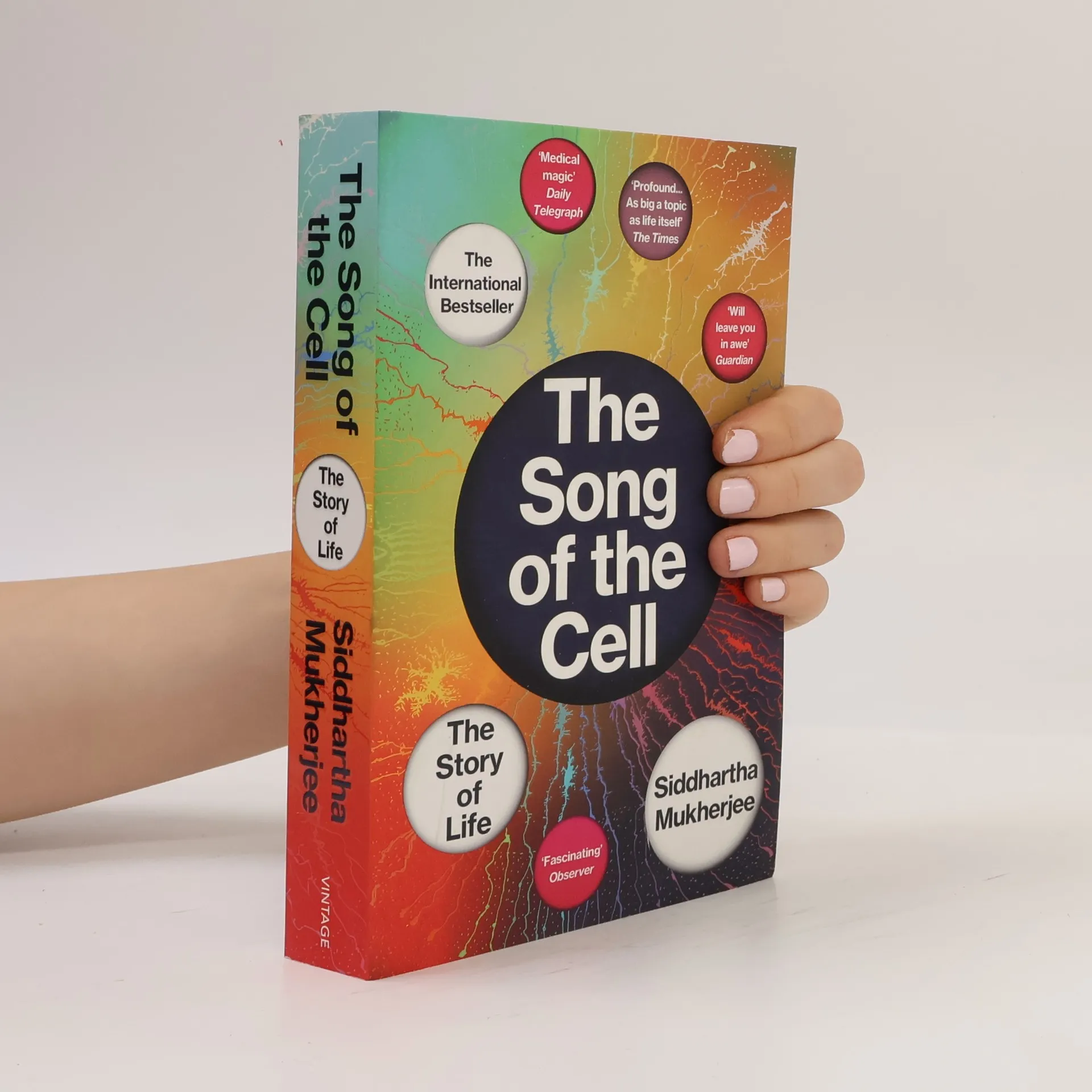
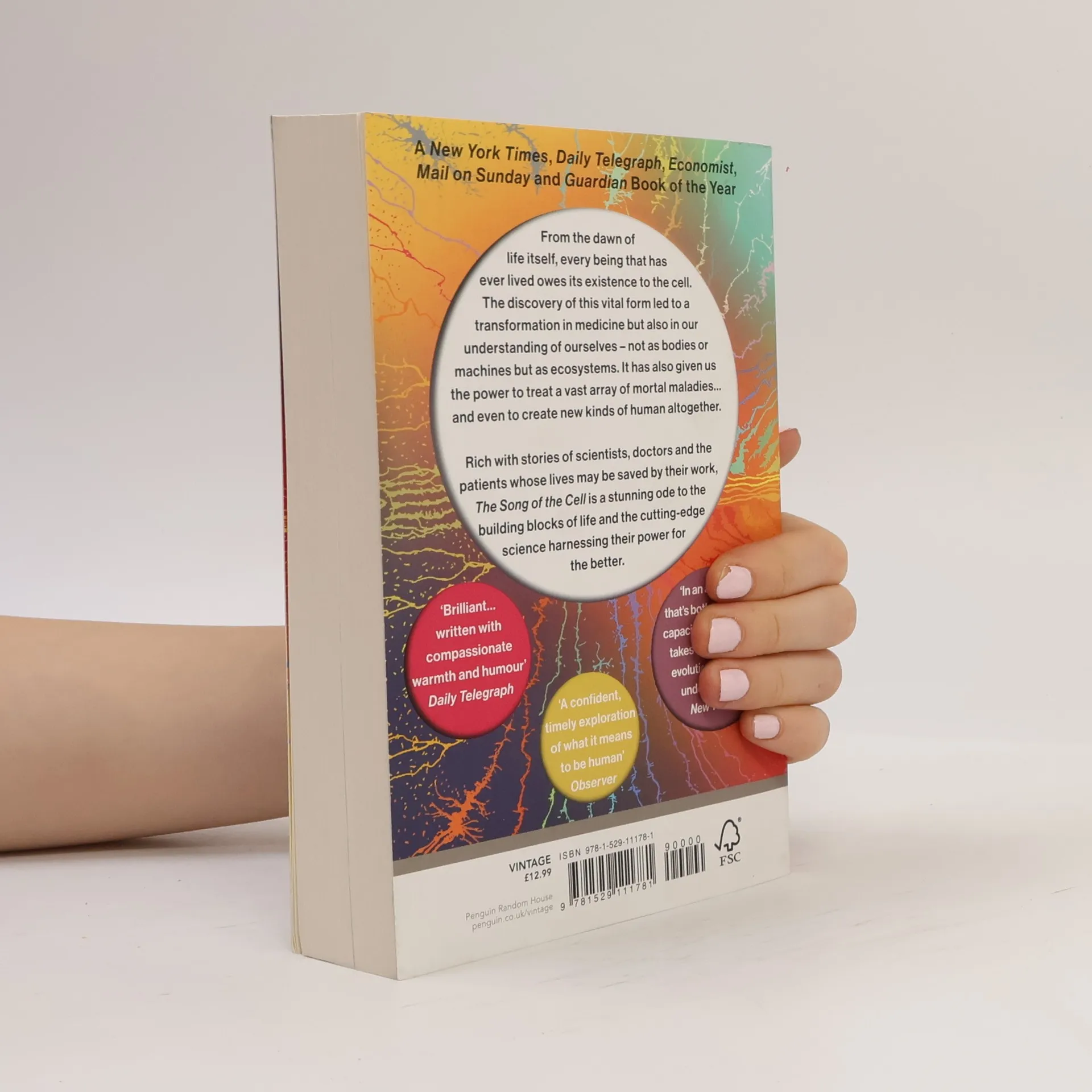
In the late 1600s, a distinguished English polymath, Robert Hooke, and an eccentric Dutch cloth-merchant, Antonie van Leeuwenhoek, look down their hand-made microscopes. What they see introduces a radical concept that alters both biology and medicine forever. It is the fact that complex living organisms are assemblages of tiny, self-contained, self-regulating units. Our organs, our physiology, our selves, are built from these compartments. Hooke christens them 'cells'. The discovery of cells announced the birth of a new kind of medicine. A hip fracture, a cardiac arrest, Alzheimer's, AIDS, lung cancer - all could be re-conceived as the results of cells, or a cellular ecosystem, functioning abnormally. And all could be treated by therapeutic manipulations of cells. This revolution in cell biology is still in progress: it represents one of the most significant advances in science and medicine.[Bokinfo].


Book purchase
The Song of the Cell, Siddhartha Mukherjee
- Language

- Released
- 2023
- product-detail.submit-box.info.binding
- (Paperback),
- Book condition
- Very Good
- Price
- €11.99
Payment methods
We’re missing your review here.
- Title
- The Song of the Cell
- Language
- English
- Authors
- Siddhartha Mukherjee
- Publisher
- Random House UK Ltd
- Released
- 2023
- Format
- Paperback
- Pages
- 496
- ISBN10
- 1529111781
- ISBN13
- 9781529111781
- Series
- Tags
- Non-Fiction, Historical Themes, History, Health & Medicine, Science & Math, Medicine, Natural sciences, Biology, Science, Health, Medicine
- Rating
- 4.25 out of 5
- Description
- In the late 1600s, a distinguished English polymath, Robert Hooke, and an eccentric Dutch cloth-merchant, Antonie van Leeuwenhoek, look down their hand-made microscopes. What they see introduces a radical concept that alters both biology and medicine forever. It is the fact that complex living organisms are assemblages of tiny, self-contained, self-regulating units. Our organs, our physiology, our selves, are built from these compartments. Hooke christens them 'cells'. The discovery of cells announced the birth of a new kind of medicine. A hip fracture, a cardiac arrest, Alzheimer's, AIDS, lung cancer - all could be re-conceived as the results of cells, or a cellular ecosystem, functioning abnormally. And all could be treated by therapeutic manipulations of cells. This revolution in cell biology is still in progress: it represents one of the most significant advances in science and medicine.[Bokinfo].