

Parameters
- 635 pages
- 23 hours of reading
More about the book
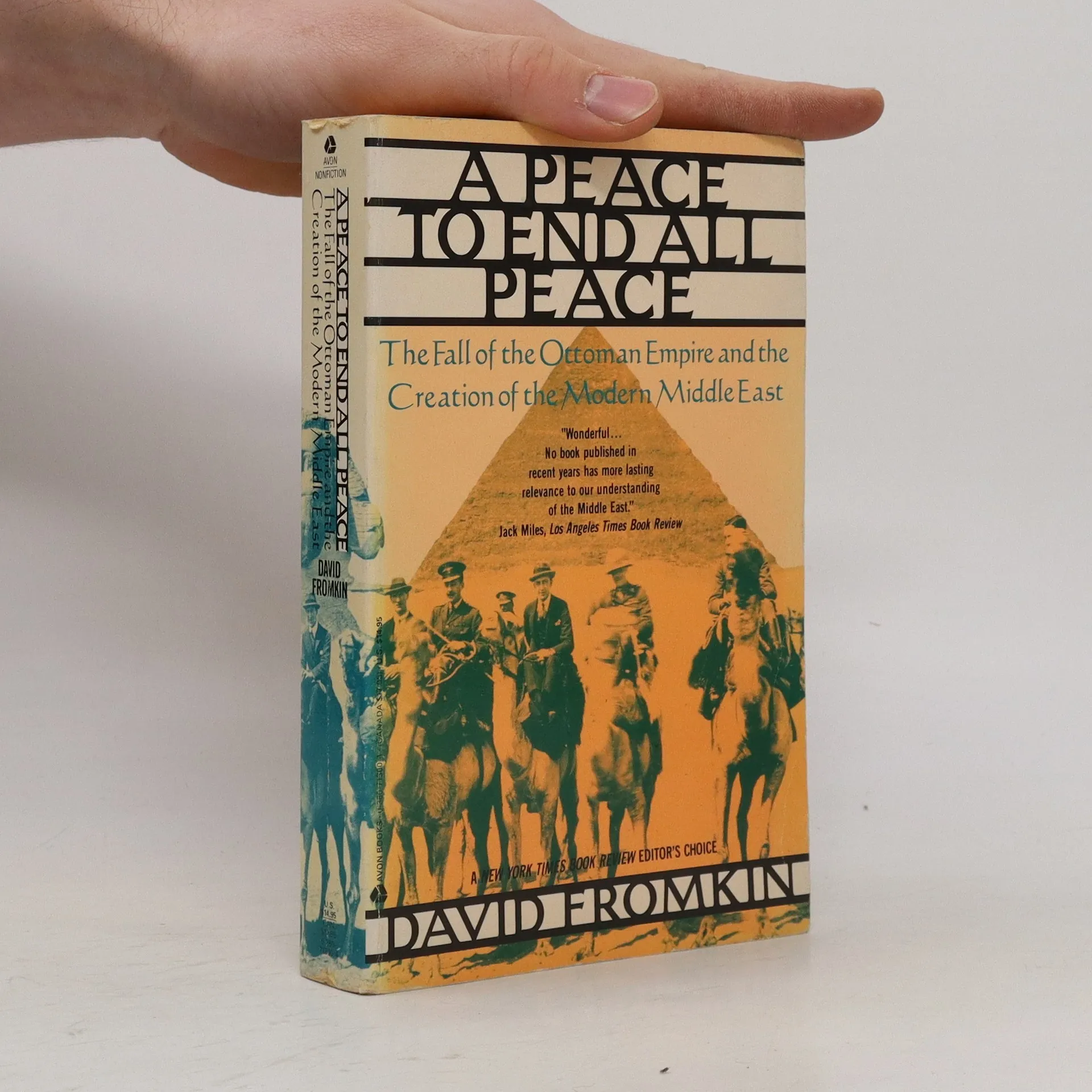
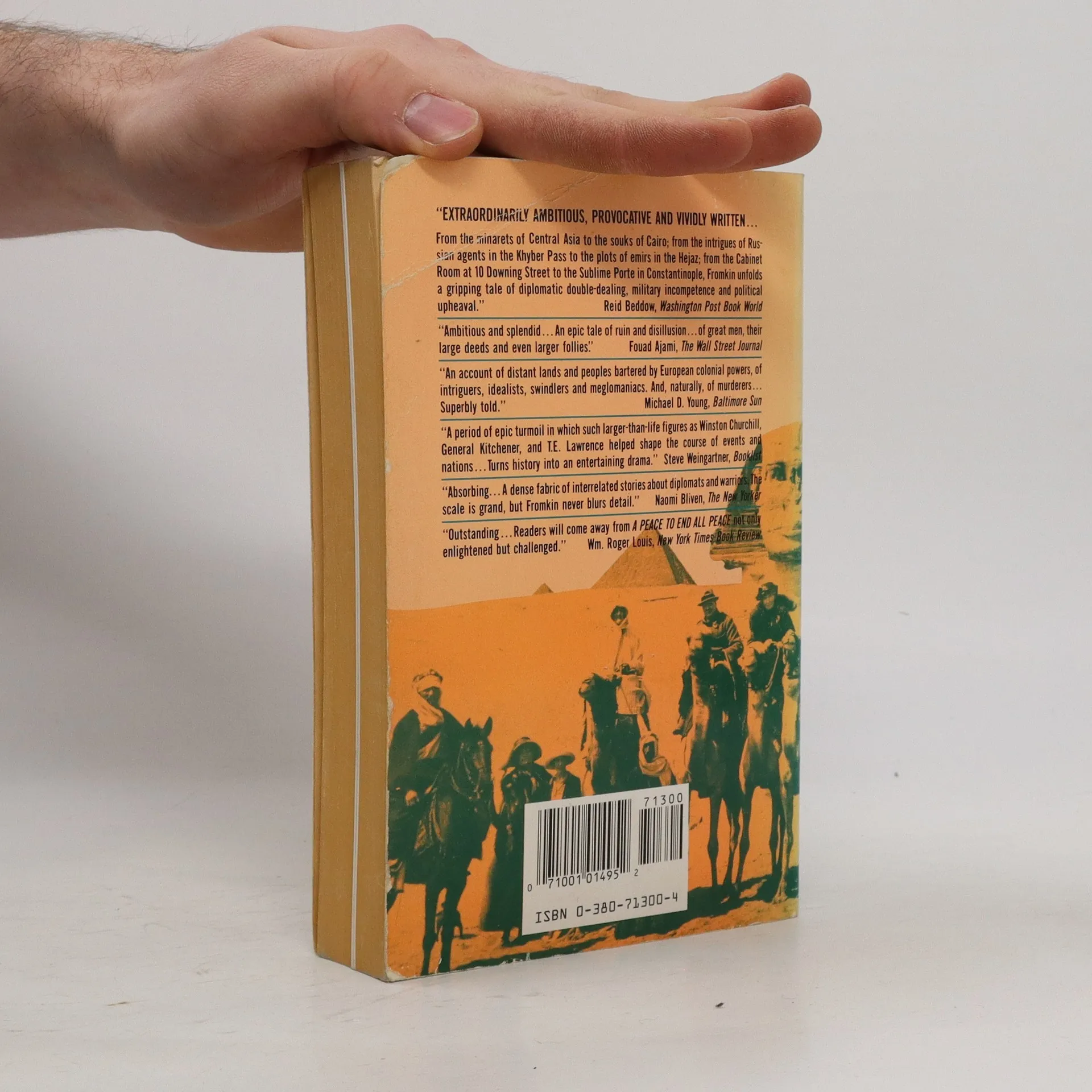
The critically acclaimed New York Times bestselling account of how the modern Middle East came into being after World War I, and why it is in upheaval today In our time the Middle East has proven a battleground of rival religions, ideologies, nationalisms, and dynasties. All of these conflicts, including the hostilities between Arabs and Israelis that have flared yet again, come down, in a sense, to the extent to which the Middle East will continue to live with its political inheritance: the arrangements, unities, and divisions imposed upon the region by the Allies after the First World War. In A Peace to End All Peace, David Fromkin reveals how and why the Allies came to remake the geography and politics of the Middle East, drawing lines on an empty map that eventually became the new countries of Iraq, Israel, Jordan, and Lebanon. Focusing on the formative years of 1914 to 1922, when all-even an alliance between Arab nationalism and Zionism-seemed possible he raises questions about what might have been done differently, and answers questions about why things were done as they were. The current battle for a Palestinian homeland has its roots in these events of 85 years ago.


Book purchase
A Peace to End All Peace, David Fromkin
- Language

- Released
- 1990
- product-detail.submit-box.info.binding
- (Paperback)
Payment methods
We’re missing your review here.
- Language
- English
- Authors
- David Fromkin
- Publisher
- Avon Books
- Released
- 1990
- Format
- Paperback
- Pages
- 635
- ISBN10
- 0380713004
- ISBN13
- 9780380713004
- Series
- Tags
- Non-Fiction, Social Sciences, Historical Themes, History, Political Science & Politics, Politics, Military History, Wars, World War I (1914–1918)
- Rating
- 4.25 out of 5
- Description
- The critically acclaimed New York Times bestselling account of how the modern Middle East came into being after World War I, and why it is in upheaval today In our time the Middle East has proven a battleground of rival religions, ideologies, nationalisms, and dynasties. All of these conflicts, including the hostilities between Arabs and Israelis that have flared yet again, come down, in a sense, to the extent to which the Middle East will continue to live with its political inheritance: the arrangements, unities, and divisions imposed upon the region by the Allies after the First World War. In A Peace to End All Peace, David Fromkin reveals how and why the Allies came to remake the geography and politics of the Middle East, drawing lines on an empty map that eventually became the new countries of Iraq, Israel, Jordan, and Lebanon. Focusing on the formative years of 1914 to 1922, when all-even an alliance between Arab nationalism and Zionism-seemed possible he raises questions about what might have been done differently, and answers questions about why things were done as they were. The current battle for a Palestinian homeland has its roots in these events of 85 years ago.