

Parameters
- 352 pages
- 13 hours of reading
More about the book
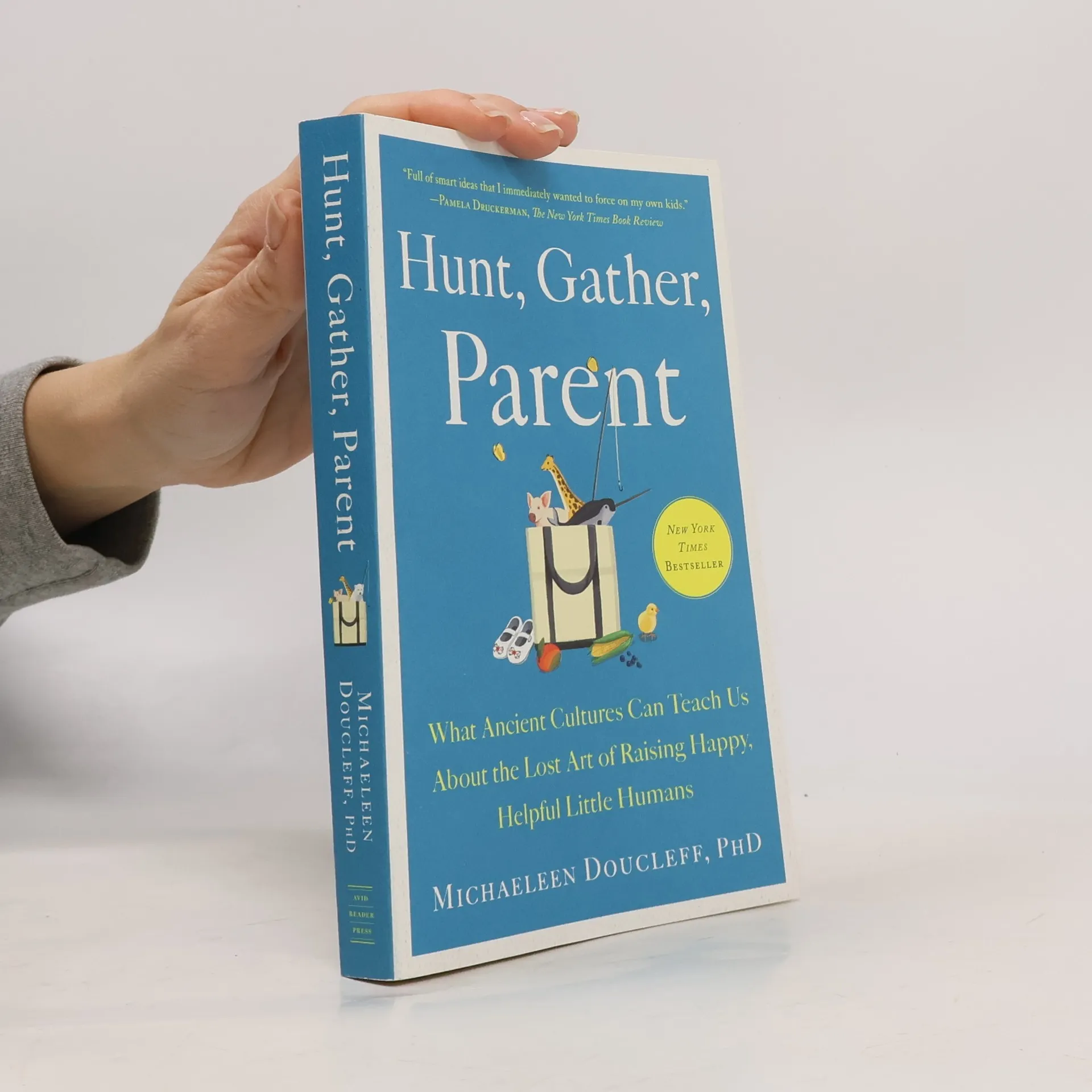
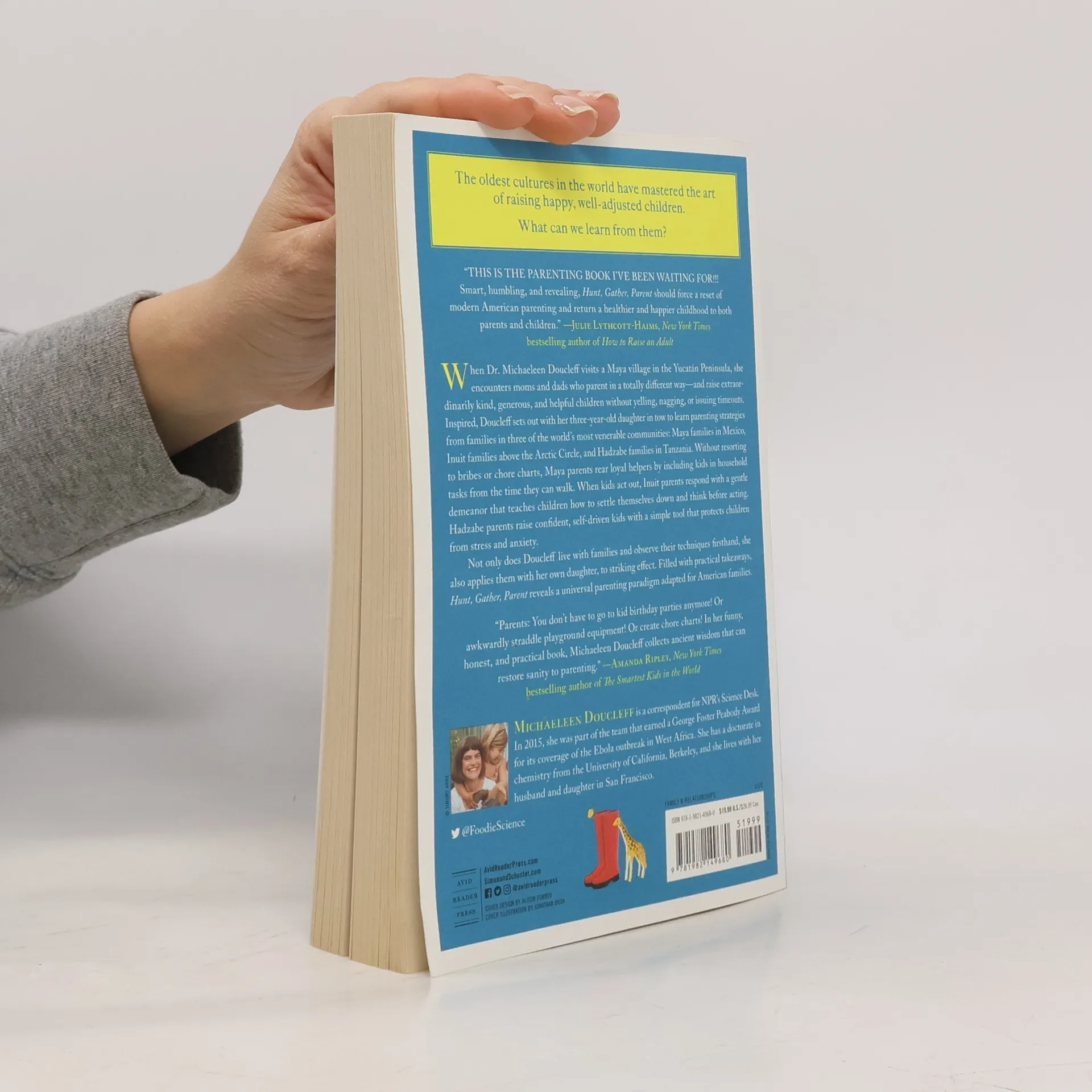
An NPR Science Desk correspondent challenges the misleading child-rearing practices commonly recommended to parents, outlining alternatives grounded in international ancestral traditions that are being used effectively throughout the modern world. In Hunt, Gather, Parent, Doucleff sets out with her three-year-old daughter in tow to learn and practice parenting strategies from families in three of the world's most venerable communities: Maya families in Mexico, Inuit families above the Arctic Circle, and Hadzabe families in Tanzania. She sees that these cultures don't have the same problems with children that Western parents do. Most strikingly, parents build a relationship with young children that is vastly different from the one many Western parents develop--it's built on cooperation instead of control, trust instead of fear, and personalized needs instead of standardized development milestones. --




Book purchase
Hunt, Gather, Parent, Michaeleen Doucleff
- Language

- Released
- 2022
- product-detail.submit-box.info.binding
- (Paperback)
Payment methods
We’re missing your review here.
- Title
- Hunt, Gather, Parent
- Language
- English
- Authors
- Michaeleen Doucleff
- Publisher
- Simon and Schuster
- Released
- 2022
- Format
- Paperback
- Pages
- 352
- ISBN10
- 198214968X
- ISBN13
- 9781982149680
- Series
- Tags
- Non-Fiction, Self-Help, Psychological Topics, Family, Parenting, Education & School System, Gifts for women, Parenthood
- First published
- 2021
- Original title
- Hunt, Gather, Parent: What Ancient Cultures Can Teach Us About the Lost Art of Raising Happy, Helpful Little Humans
- Rating
- 4.1 out of 5
- Description
- An NPR Science Desk correspondent challenges the misleading child-rearing practices commonly recommended to parents, outlining alternatives grounded in international ancestral traditions that are being used effectively throughout the modern world. In Hunt, Gather, Parent, Doucleff sets out with her three-year-old daughter in tow to learn and practice parenting strategies from families in three of the world's most venerable communities: Maya families in Mexico, Inuit families above the Arctic Circle, and Hadzabe families in Tanzania. She sees that these cultures don't have the same problems with children that Western parents do. Most strikingly, parents build a relationship with young children that is vastly different from the one many Western parents develop--it's built on cooperation instead of control, trust instead of fear, and personalized needs instead of standardized development milestones. --