

More about the book
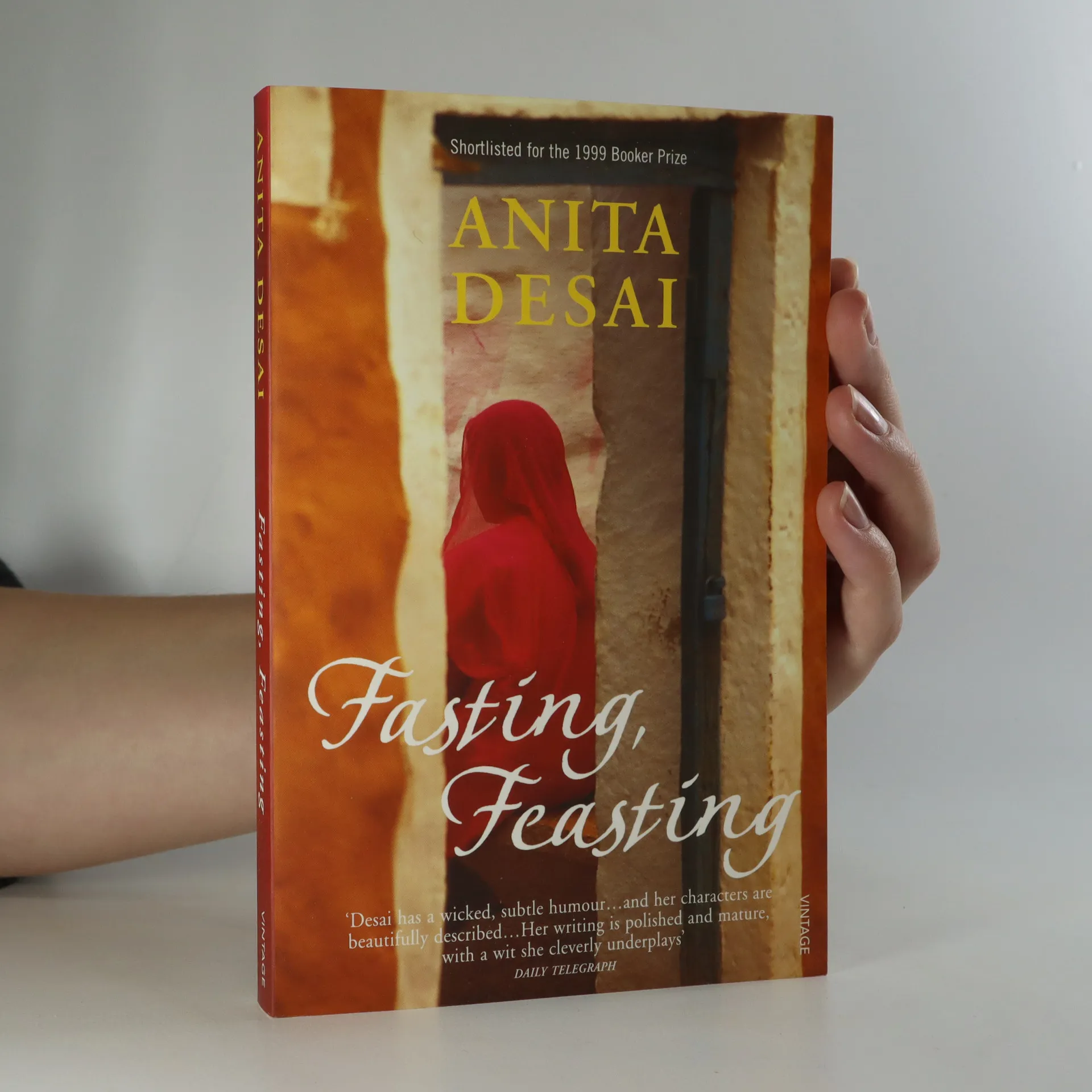
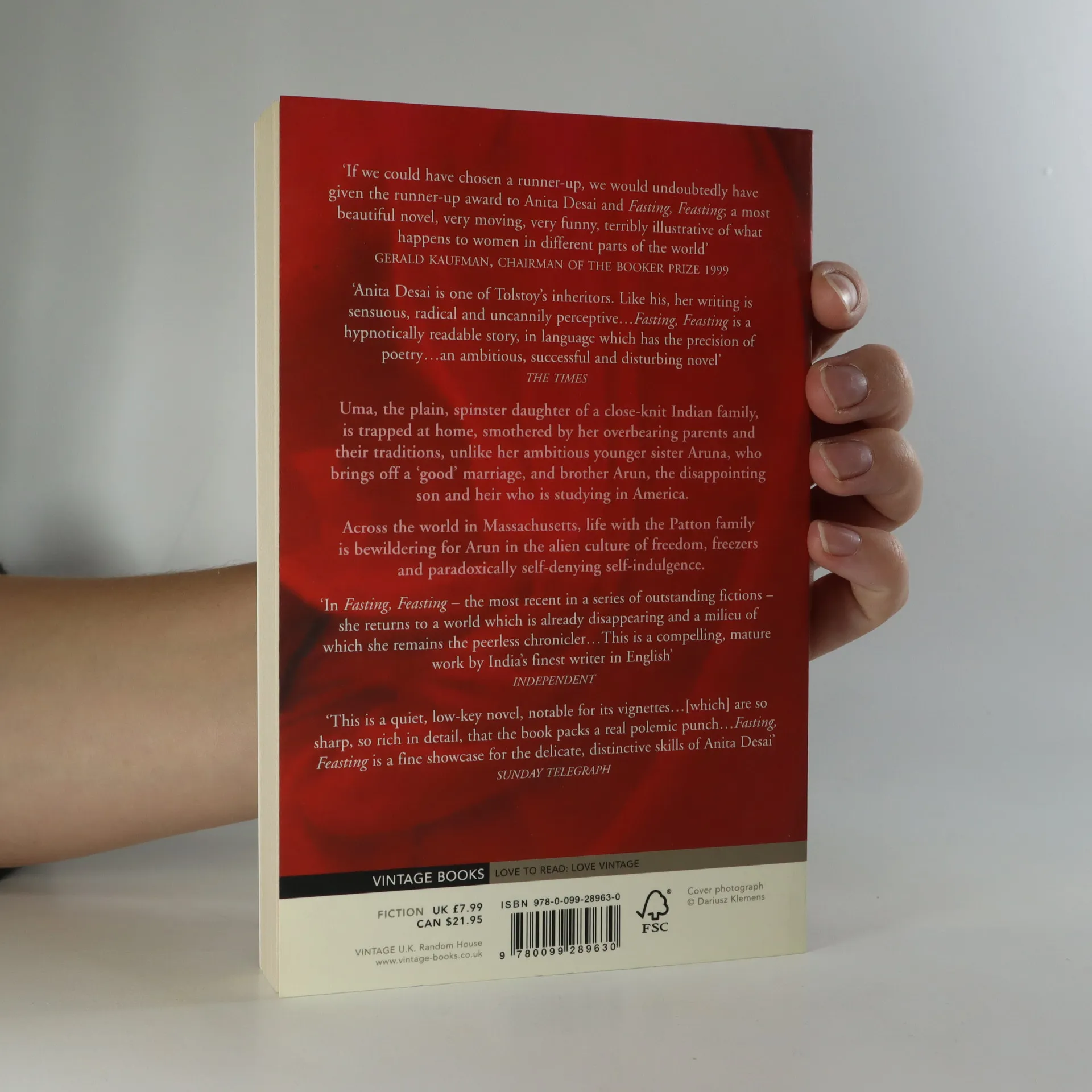
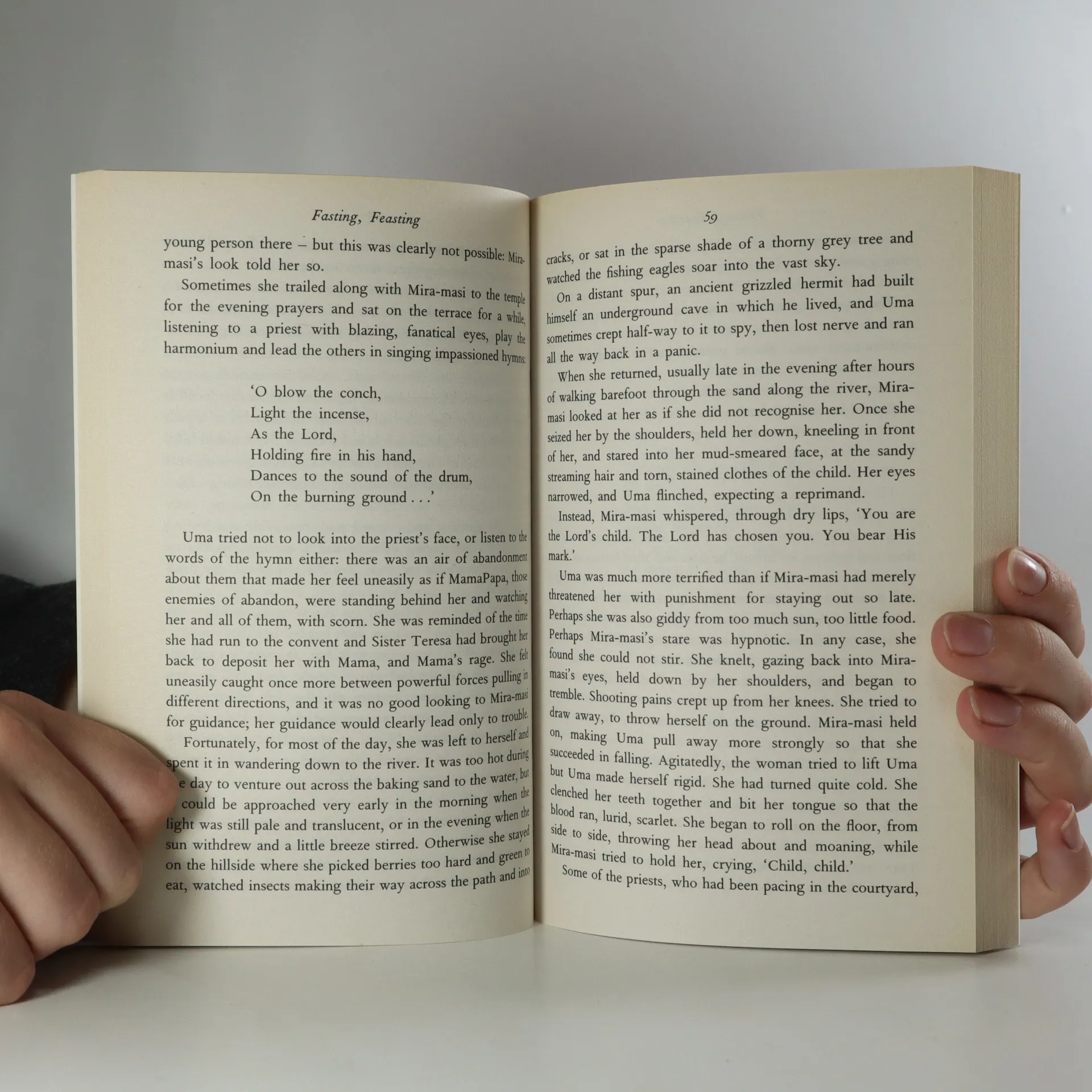
A wonderful novel in two parts, moving from the heart of a close-knit Indian household, with its restrictions and prejudices, its noisy warmth and sensual appreciation of food, to the cool centre of an American family, with its freedom and strangely self-denying attitudes to eating. In both it is ultimately the women who suffer, whether, paradoxically, from a surfeit of feasting and family life in India, or from self-denial and starvation in the US. Or both. Uma, the plain, older daughter still lives at home, frustrated in her attempts to escape and make a life for herself. Her Indian family is difficult, demanding but mostly, good-hearted. Despite her disappointments, Uma comes through as the survivor, avoiding an unfulfilling marriage, like her sister's, or a suicidal one, like that arranged for her pretty cousin. And in America, where young Arun goes as a student, men in the suburbs char hunks of bleeding meat while the women don't appear to cook or eat at all - seems bewildering and terrifying to the young Indian adolescent far from home...




Book purchase
Fasting, Feasting, Anita Desai
- Language

- Released
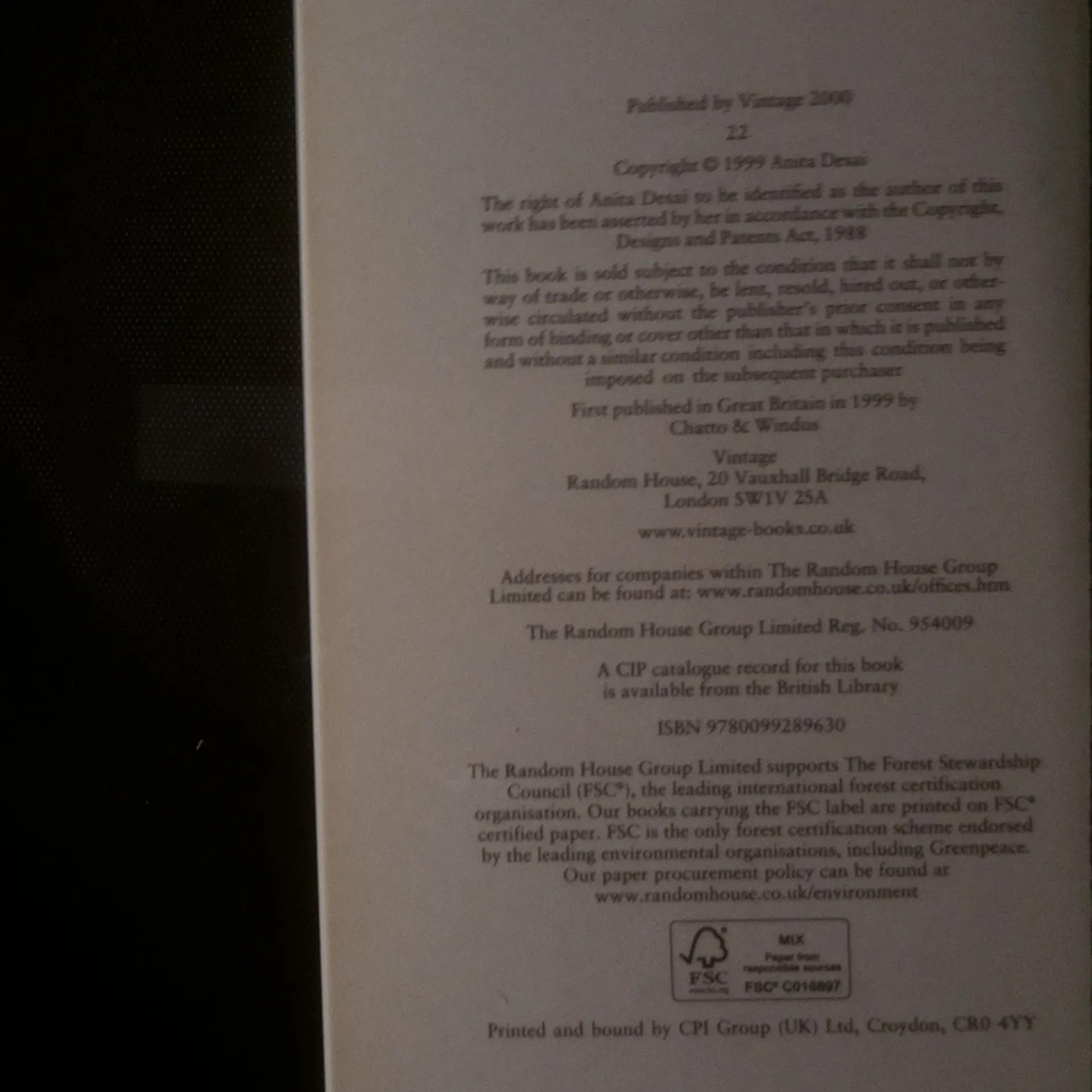
- 2000
- product-detail.submit-box.info.binding
- (Paperback)
Payment methods
We’re missing your review here.
- Title
- Fasting, Feasting
- Language
- English
- Authors
- Anita Desai
- Publisher
- Random House
- Released
- 2000
- Format
- Paperback
- Pages
- 224
- ISBN10
- 0099289636
- ISBN13
- 9780099289630
- Series
- Tags
- Fiction, Asia, India, Asian Fiction, Indian Literature
- Rating
- 3.35 out of 5
- Description
- A wonderful novel in two parts, moving from the heart of a close-knit Indian household, with its restrictions and prejudices, its noisy warmth and sensual appreciation of food, to the cool centre of an American family, with its freedom and strangely self-denying attitudes to eating. In both it is ultimately the women who suffer, whether, paradoxically, from a surfeit of feasting and family life in India, or from self-denial and starvation in the US. Or both. Uma, the plain, older daughter still lives at home, frustrated in her attempts to escape and make a life for herself. Her Indian family is difficult, demanding but mostly, good-hearted. Despite her disappointments, Uma comes through as the survivor, avoiding an unfulfilling marriage, like her sister's, or a suicidal one, like that arranged for her pretty cousin. And in America, where young Arun goes as a student, men in the suburbs char hunks of bleeding meat while the women don't appear to cook or eat at all - seems bewildering and terrifying to the young Indian adolescent far from home...