

More about the book
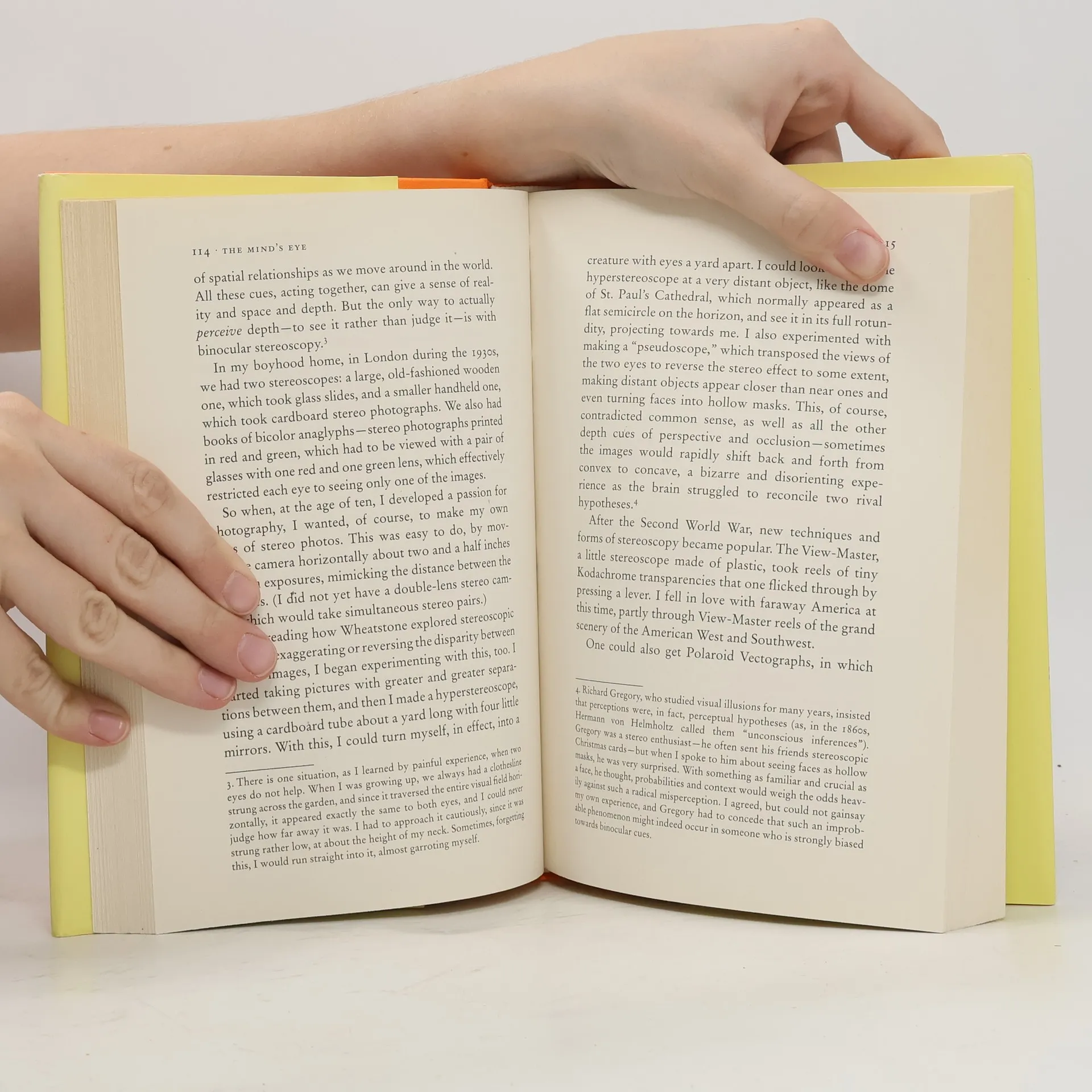
This work shares the stories of individuals who navigate life and communicate despite losing essential senses and abilities, such as speech, facial recognition, and sight. Each person's journey involves adapting to a radically altered existence. Lilian, a concert pianist, struggles to read music and eventually fails to recognize everyday objects. Sue, a neurobiologist, experiences a sudden acquisition of stereoscopic vision in her fifties, having never seen in three dimensions before. Pat, who has aphasia, reinvents herself as a loving grandmother and community member despite her inability to speak. Howard, a prolific novelist, faces the challenge of continuing his writing career after a stroke impairs his reading ability. The author, a doctor, recounts his own battle with eye cancer and the peculiar effects of losing vision in one eye. He explores paradoxes, such as individuals who can see yet cannot recognize their own children, and blind people who develop heightened visual abilities through alternative means. The narrative raises fundamental questions about perception, thought, and the innate human potential for reading, despite writing being a relatively recent invention. This book highlights the complexity of vision and the brain while celebrating creativity and adaptation, offering a fresh perspective on language and communication.






Book purchase
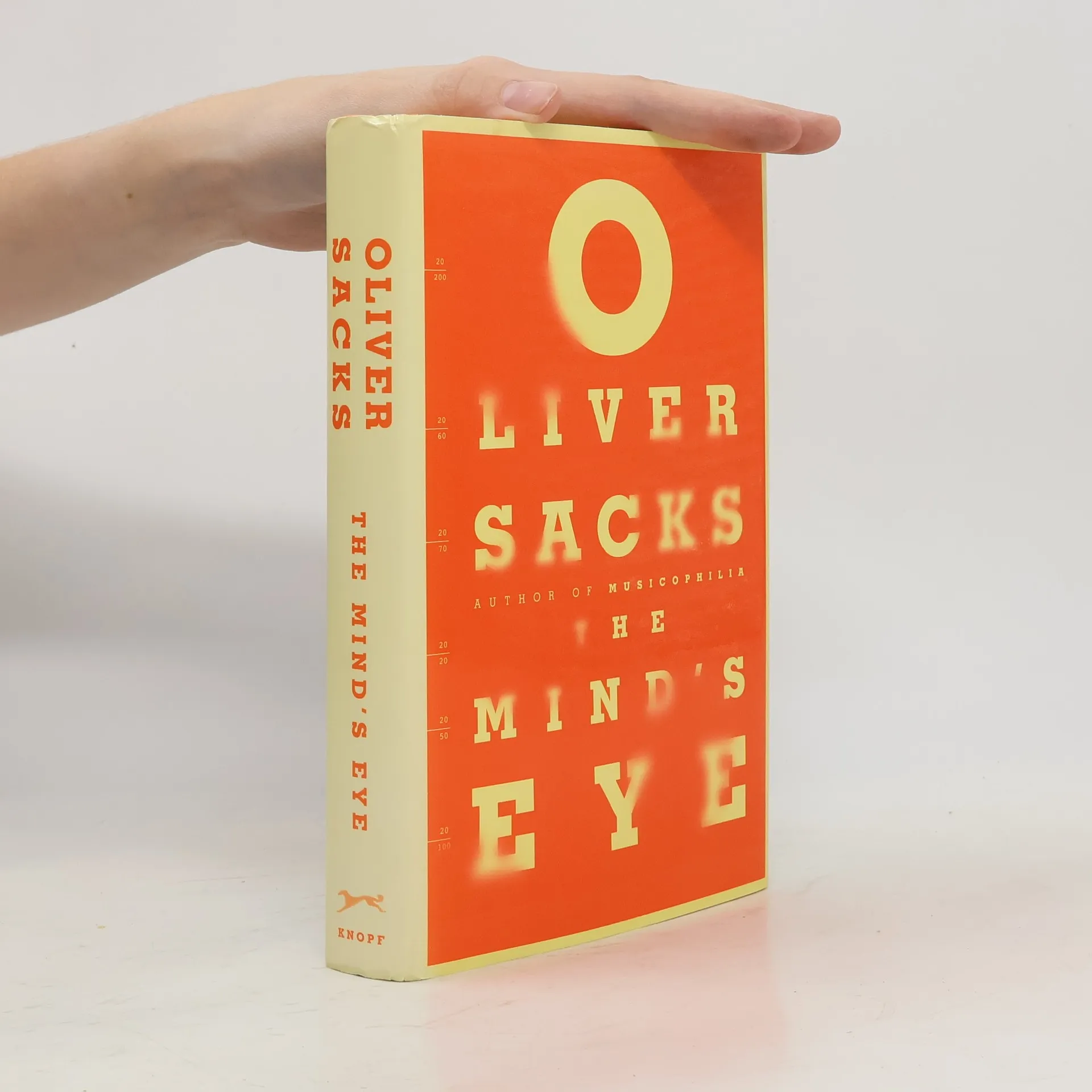
The Mind's Eye, Oliver Sacks
- Language

- Released
- 2010
- product-detail.submit-box.info.binding
- (Hardcover)
Payment methods
We’re missing your review here.
- Title
- The Mind's Eye
- Language
- English
- Authors
- Oliver Sacks
- Publisher
- Alfred A. Knopf
- Released
- 2010
- Format
- Hardcover
- Pages
- 263
- ISBN10
- 0307272087
- ISBN13
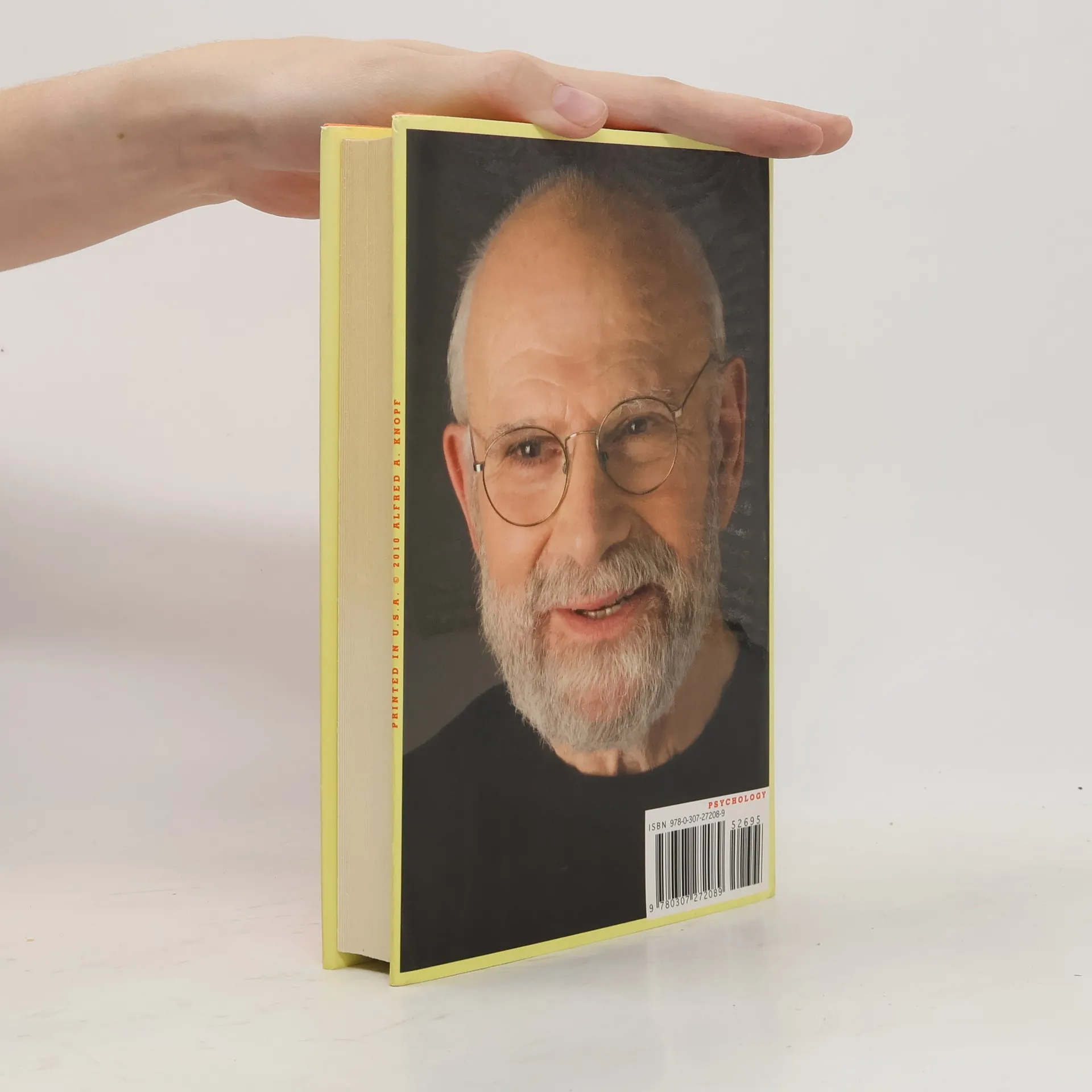
- 9780307272089
- Series
- Tags
- Non-Fiction, Social Sciences, Health & Medicine, Psychology, Science, Health, Medicine, Neuroscience, Brain, Neurology, Sight, Visualization
- First published
- 2009
- Original title
- The Mind's Eye
- Rating
- 3.9 out of 5
- Description
- This work shares the stories of individuals who navigate life and communicate despite losing essential senses and abilities, such as speech, facial recognition, and sight. Each person's journey involves adapting to a radically altered existence. Lilian, a concert pianist, struggles to read music and eventually fails to recognize everyday objects. Sue, a neurobiologist, experiences a sudden acquisition of stereoscopic vision in her fifties, having never seen in three dimensions before. Pat, who has aphasia, reinvents herself as a loving grandmother and community member despite her inability to speak. Howard, a prolific novelist, faces the challenge of continuing his writing career after a stroke impairs his reading ability. The author, a doctor, recounts his own battle with eye cancer and the peculiar effects of losing vision in one eye. He explores paradoxes, such as individuals who can see yet cannot recognize their own children, and blind people who develop heightened visual abilities through alternative means. The narrative raises fundamental questions about perception, thought, and the innate human potential for reading, despite writing being a relatively recent invention. This book highlights the complexity of vision and the brain while celebrating creativity and adaptation, offering a fresh perspective on language and communication.