

More about the book
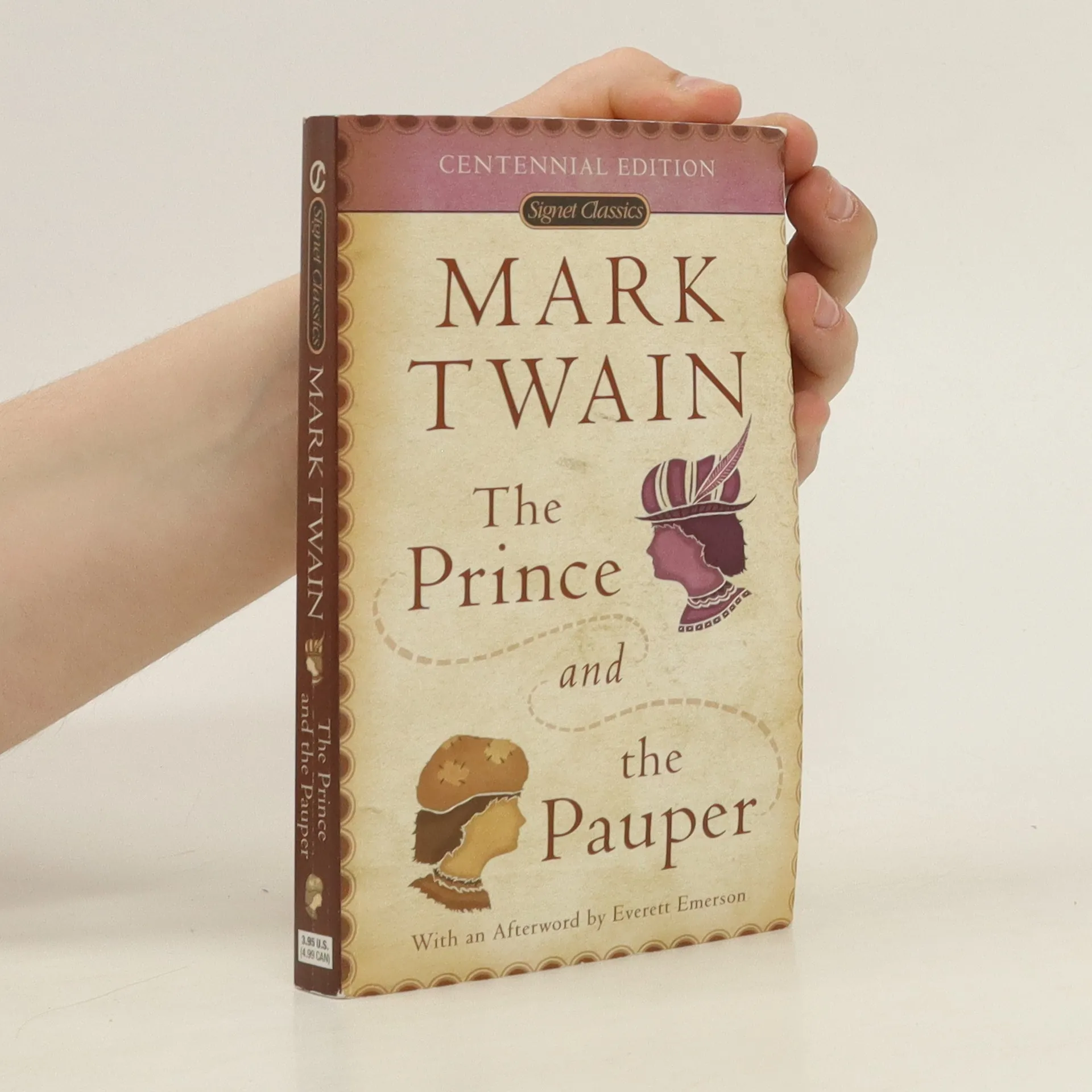
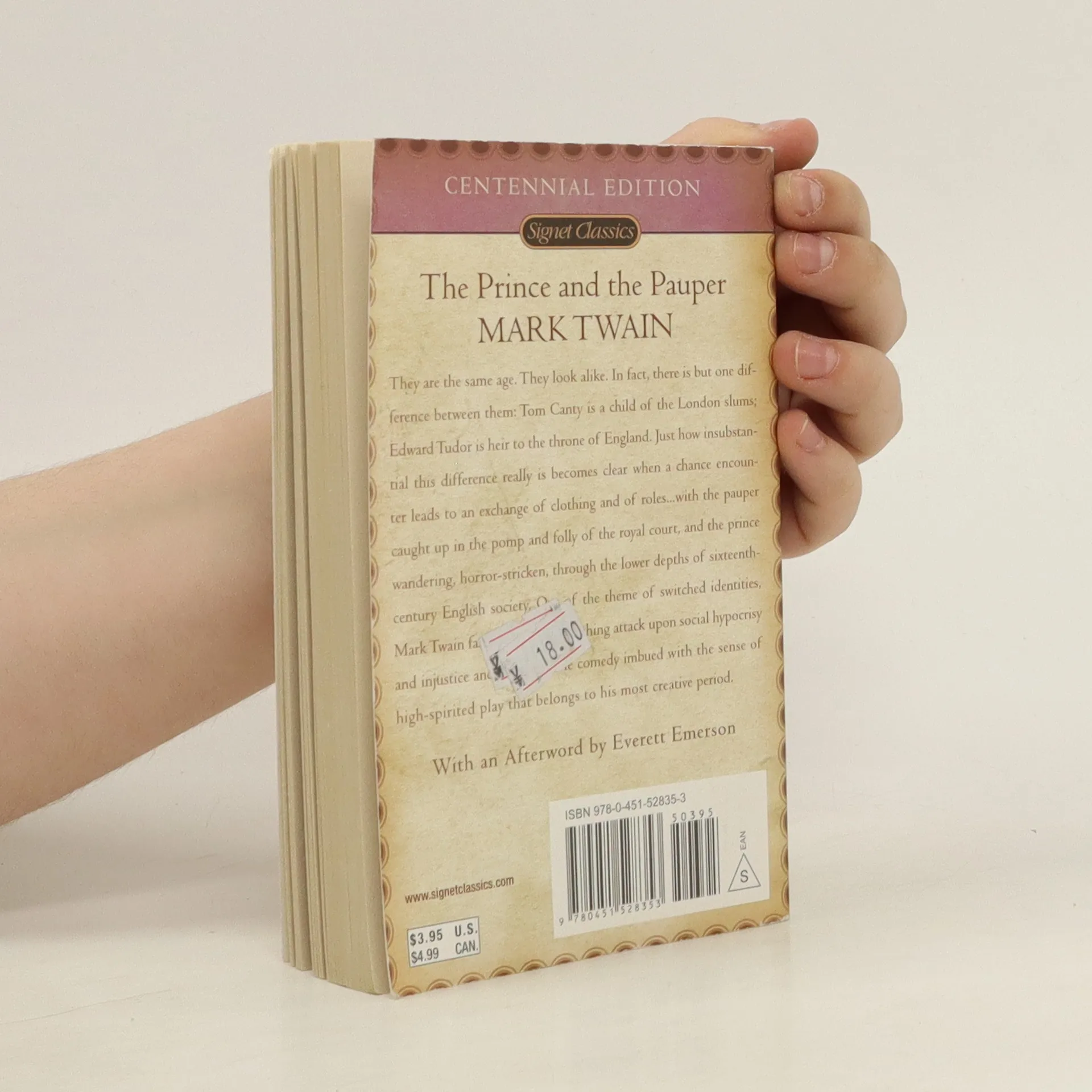
Two boys exchange their clothes and their lives in Mark Twain's classic satiric comedy. They are the same age. They look alike. In fact, there is but one difference between them: Tom Canty is a child of the London slums; Edward Tudor is heir to the throne of England. Just how insubstantial this difference really is becomes clear when a chance encounter leads to an exchange of roles…with the pauper caught up in the pomp and folly of the royal court, and the prince wandering, horror-stricken, through the lower depths of sixteenth-century English society. Out of the theme of switched identities, Mark Twain has fashioned both a scathing attack upon social hypocrisy and injustice and an irresistible comedy imbued with the sense of high-spirited play that belongs to his most creative period. With an Afterword by Everett Emerson
Language






Book purchase
The Prince and the Pauper, Mark Twain
- Language

- Released
- 2002
- product-detail.submit-box.info.binding
- (Paperback)
Payment methods
We’re missing your review here.
- Language
- English
- Authors
- Mark Twain
- Publisher
- National Geographic Books
- Released
- 2002
- Format
- Paperback
- ISBN10
- 0451528352
- ISBN13
- 9780451528353
- Series
- Tags
- Fiction, Historical Fiction, Adventure, Young Adult, Classics, American Literature, Adapted for Film, China, Bilingual Edition, 16th century, Edward VI, English King, 1537-1553
- First published
- 1882
- Original title
- The Prince and the Pauper
- Rating
- 4.25 out of 5
- Description
- Two boys exchange their clothes and their lives in Mark Twain's classic satiric comedy. They are the same age. They look alike. In fact, there is but one difference between them: Tom Canty is a child of the London slums; Edward Tudor is heir to the throne of England. Just how insubstantial this difference really is becomes clear when a chance encounter leads to an exchange of roles…with the pauper caught up in the pomp and folly of the royal court, and the prince wandering, horror-stricken, through the lower depths of sixteenth-century English society. Out of the theme of switched identities, Mark Twain has fashioned both a scathing attack upon social hypocrisy and injustice and an irresistible comedy imbued with the sense of high-spirited play that belongs to his most creative period. With an Afterword by Everett Emerson