

More about the book
Does the sensation of Tingrith make you yelp? Do you bend sympathetically when you see someone Ahenny? Can you deal with a Naugatuck without causing a Toronto? Will you suffer from Kettering this summer? You likely recognize these experiences but may not have known there were words for them. In fact, there weren't—until Douglas Adams and John Lloyd identified these linguistic gaps. They discovered that while many experiences lack names, countless places have names that are rarely needed. This realization prompted a call for linguistic recycling: repurposing old but serviceable names for vibrant new uses. This book provides a creative solution to the problem of naming those everyday sensations and experiences. For instance, it defines Great Wakering as the feeling of aluminum foil against your fillings, and explores other unique terms like the way people stand when examining bookshelves or the struggle of opening a plastic packet without resorting to biting. It also humorously addresses the unexpected outcomes of trying to release something carefully, as well as the marks left after sunbathing in wicker chairs. This work invites readers to embrace the richness of language and the joy of naming the unnameable.




Book purchase
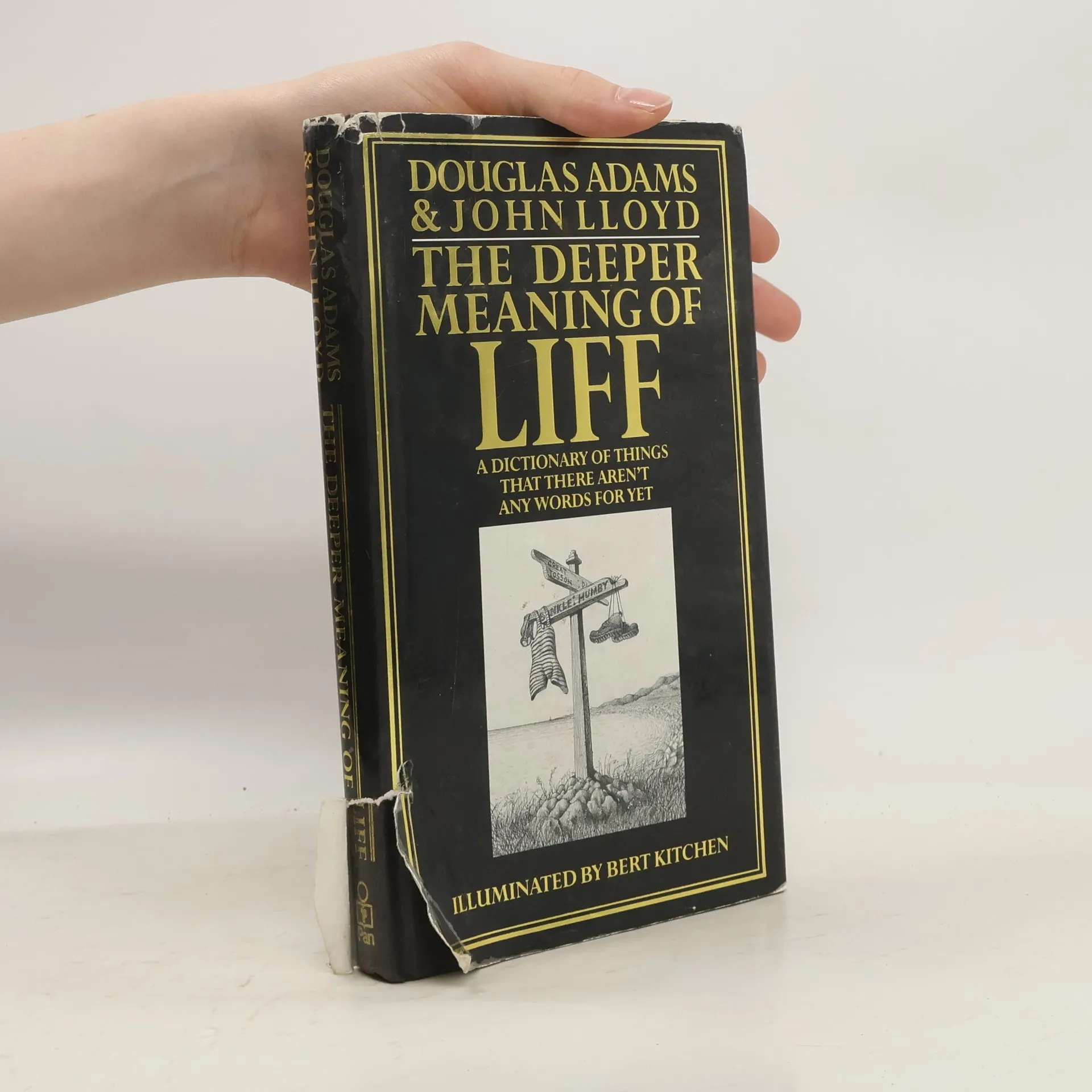
The Deeper Meaning of Liff, Douglas Adams, John Lloyd, Bert Kitchen
- Language

- Released
- 1990
- Binding
- (Hardcover)
Payment methods
We’re missing your review here.
- Title
- The Deeper Meaning of Liff
- Subtitle
- A Dictionary of Things That There Aren't Any Words For Yet
- Language
- English
- Authors
- Douglas Adams, John Lloyd, Bert Kitchen
- Publisher
- Pan Books
- Released
- 1990
- Format
- Hardcover
- Pages
- 146
- ISBN10
- 0330316060
- ISBN13
- 9780330316064
- Series
- The Meaning of Liff
- Categories
- Tags
- Language Textbooks & Dictionaries, References & Manuals, Humor, Philosophical Topics, Language Dictionaries, Fun, Dictionaries, Cities
- Original title
- The deeper meaning of liff
- Rating
- 3.95 out of 5
- Description
- Does the sensation of Tingrith make you yelp? Do you bend sympathetically when you see someone Ahenny? Can you deal with a Naugatuck without causing a Toronto? Will you suffer from Kettering this summer? You likely recognize these experiences but may not have known there were words for them. In fact, there weren't—until Douglas Adams and John Lloyd identified these linguistic gaps. They discovered that while many experiences lack names, countless places have names that are rarely needed. This realization prompted a call for linguistic recycling: repurposing old but serviceable names for vibrant new uses. This book provides a creative solution to the problem of naming those everyday sensations and experiences. For instance, it defines Great Wakering as the feeling of aluminum foil against your fillings, and explores other unique terms like the way people stand when examining bookshelves or the struggle of opening a plastic packet without resorting to biting. It also humorously addresses the unexpected outcomes of trying to release something carefully, as well as the marks left after sunbathing in wicker chairs. This work invites readers to embrace the richness of language and the joy of naming the unnameable.