



More about the book
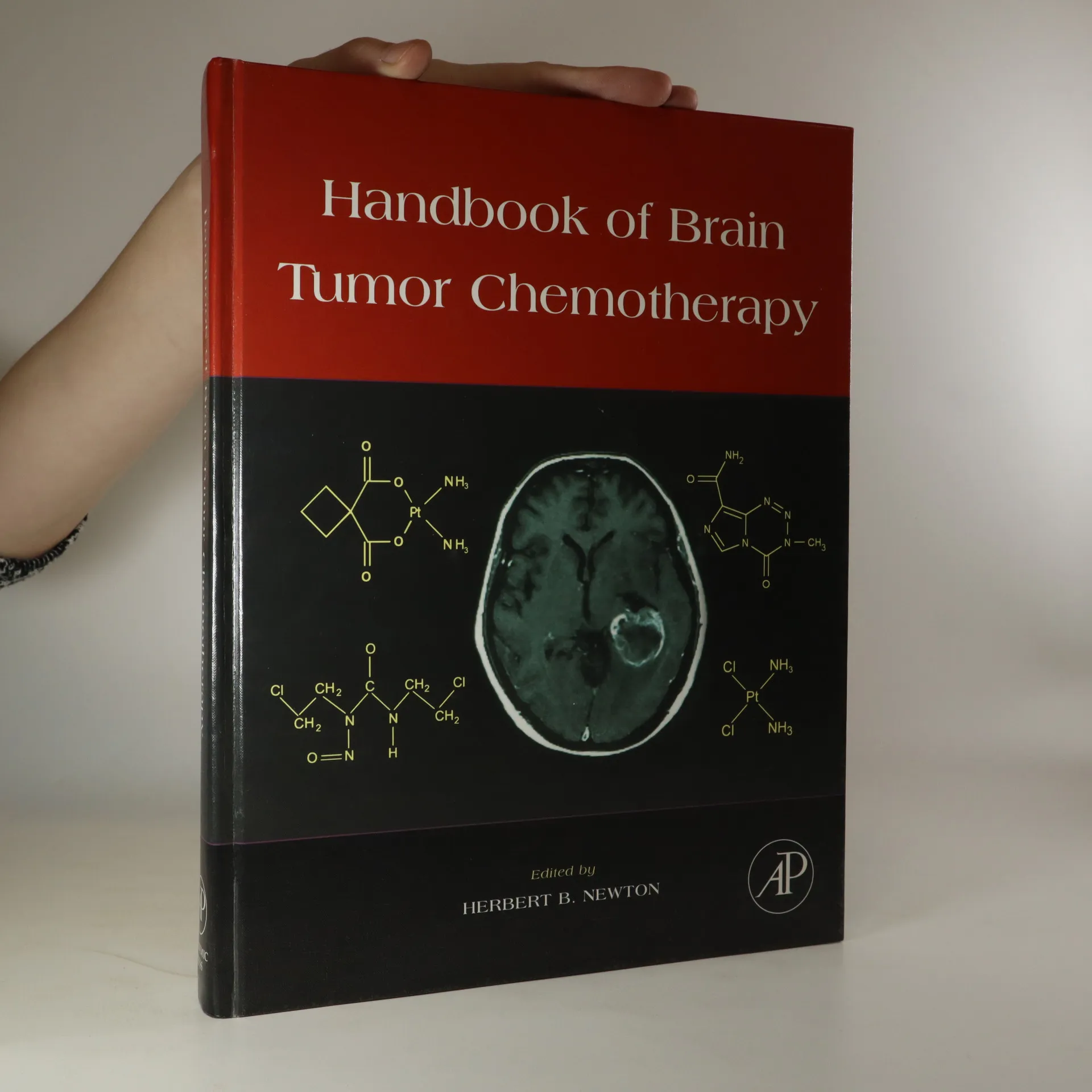
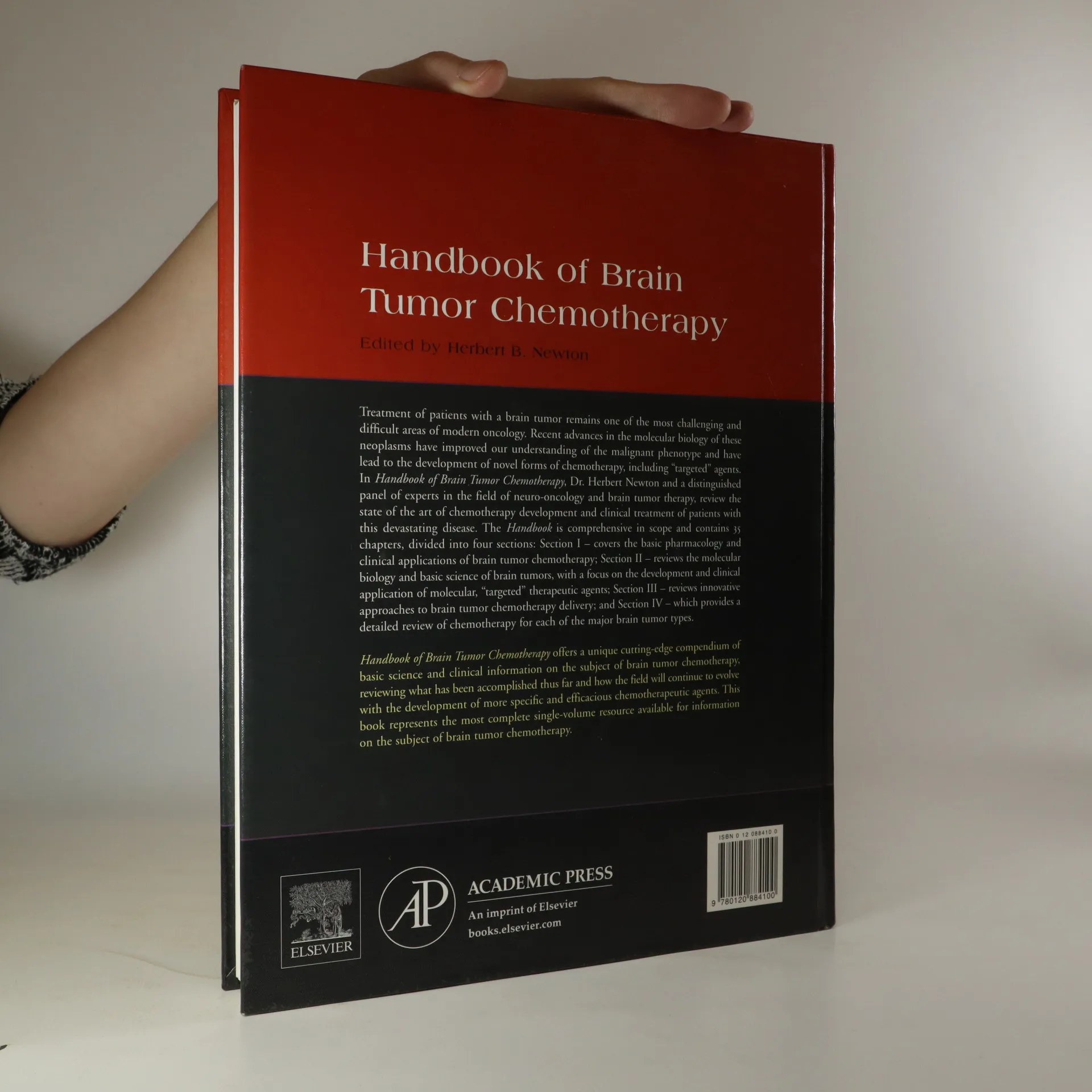
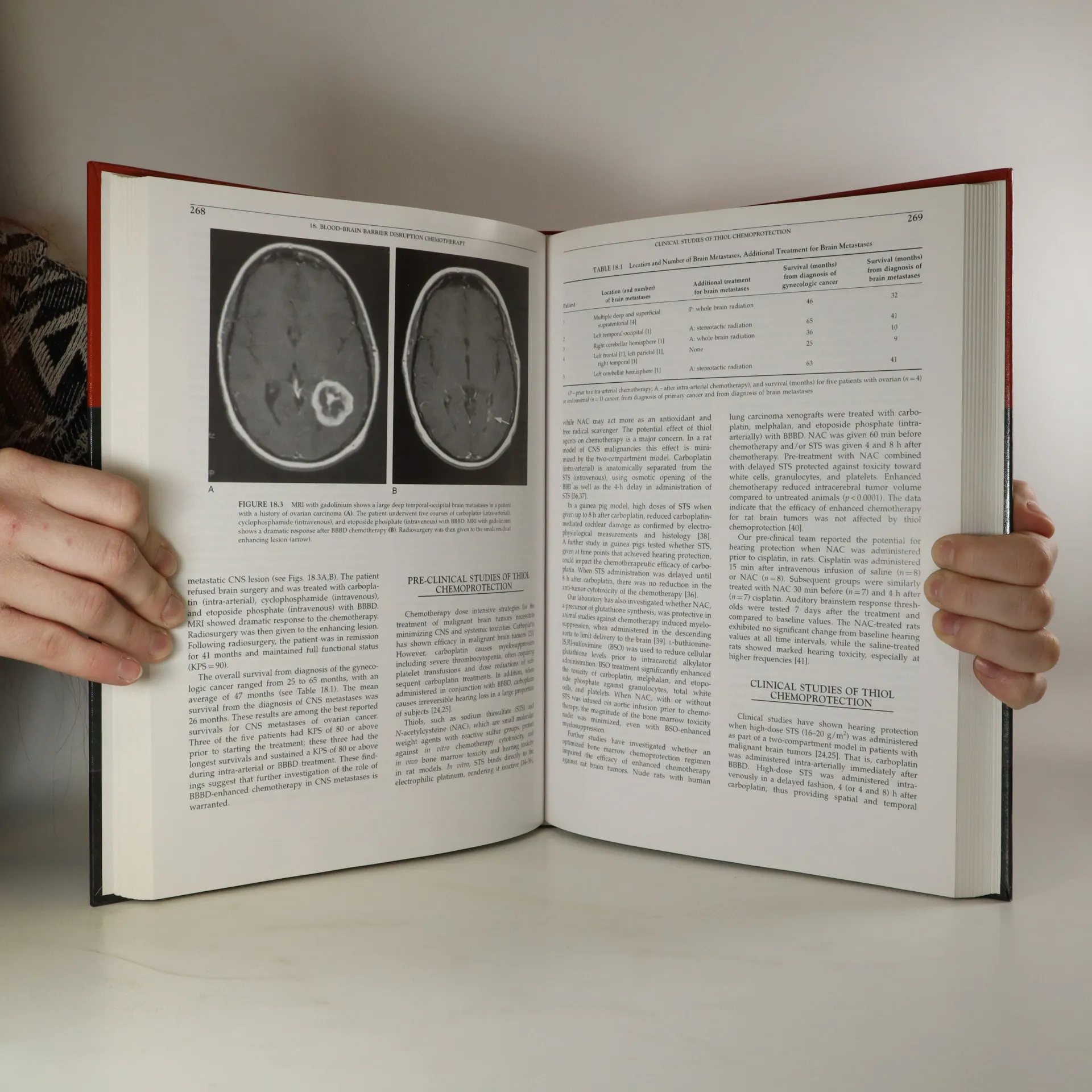
The book provides a broad overview of the current "state-of-the-art" in the use of chemotherapy for primary and metastatic brain tumors and includes information on traditional (e.g., alkylating agents, spindle poisons, topoisomerase inhibitors, etc) and non-traditional (e.g., intra-arterial approaches, blood-brain barrier disruption, etc) forms of chemotherapy. In addition, newer molecular-based chemotherapeutic agents (e.g., tyrosine kinase inhibitors, ras pathway inhibitors, PI3 kinase inhibitors, mTOR inhibitors, angiogenesis inhibitors, etc) are included. Well-founded in basic science and pharmacology, the chapters provide an overview of relevant background material in critical areas such as drug pharmacology and mechanisms of action, molecular biology (e.g., critical oncogenes, tumor suppressor genes), signal transduction pathways, angiogenesis pathways, and developmental pharmacology.
Book purchase
Handbook of Brain Tumor Chemotherapy, Herbert B. Newton
- Language

- Released
- 2006
- Binding
- (Hardcover)
Payment methods
No one has rated yet.
- Title
- Handbook of Brain Tumor Chemotherapy
- Language
- English
- Authors
- Herbert B. Newton
- Publisher
- Academic press
- Released
- 2006
- Format
- Hardcover
- Pages
- 586
- ISBN10
- 0120884100
- ISBN13
- 9780120884100
- Series
- Categories
- Description
- The book provides a broad overview of the current "state-of-the-art" in the use of chemotherapy for primary and metastatic brain tumors and includes information on traditional (e.g., alkylating agents, spindle poisons, topoisomerase inhibitors, etc) and non-traditional (e.g., intra-arterial approaches, blood-brain barrier disruption, etc) forms of chemotherapy. In addition, newer molecular-based chemotherapeutic agents (e.g., tyrosine kinase inhibitors, ras pathway inhibitors, PI3 kinase inhibitors, mTOR inhibitors, angiogenesis inhibitors, etc) are included. Well-founded in basic science and pharmacology, the chapters provide an overview of relevant background material in critical areas such as drug pharmacology and mechanisms of action, molecular biology (e.g., critical oncogenes, tumor suppressor genes), signal transduction pathways, angiogenesis pathways, and developmental pharmacology.