

The book is currently out of stock
Parameters
- 346 pages
- 13 hours of reading
More about the book
The poem delves into the Judeo-Christian narrative of the Fall of Man, highlighting the temptation of Adam and Eve by Satan and their subsequent expulsion from Eden. Milton aims to explore the complex relationship between divine providence and human free will, seeking to justify God's actions to humanity. Originally published in ten books and later revised into twelve, it showcases Milton's mastery of blank verse and reflects profound theological themes.


Publication
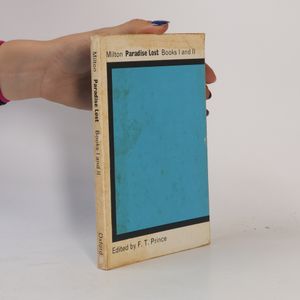
- 2024

- 2024
- 2023
- 2023
- 2023
- 2023

- 2022
- 2022
- 2022
- 2022
- 2022
- 2022
- 2022
- 2022
- 2021
- 2021
- 2021
- 2021
- 2021
- 2021
- 2020
- 2020
- 2020
- 2020
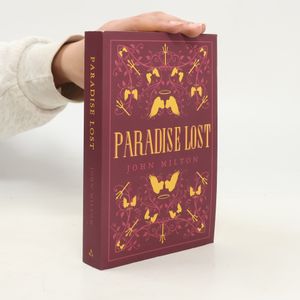
- 2018
- 2018
- 2018
- 2018
- 2018
- 2018
- 2018
- 2018
- 2018
- 2018

- 2017
- 2017
- 2017
- 2017

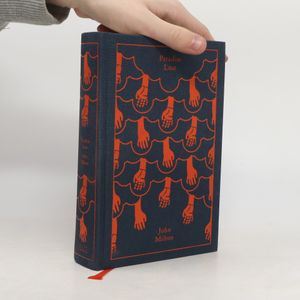
- 2016
- 2016

- 2014
- 2013
- 2013
- 2012
- 2011
- 2011
- 2011
- 2010
- 2010
- 2010
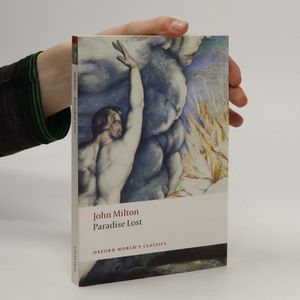
- 2008
- 2008
- 2008
- 2008
- 2008
- 2007

- 2005
- 2004

- 2003
- 2003


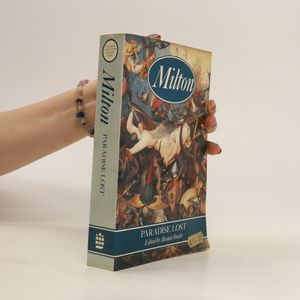


Book purchase
Paradise Lost, John Milton
- Language

- Released
- 2021
We’ll email you as soon as we track it down.
Payment methods
We’re missing your review here.
- Title
- Paradise Lost
- Language
- English
- Authors
- John Milton
- Publisher
- Namaskar Books
- Released
- 2021
- Pages
- 346
- ISBN13
- 9789390600977
- Series
- Tags
- Fiction, Historical Fiction, Poetry, Religious Topics, Classics, Christian Themes, England, Africa, English Literature, Revenge, Lyric, God, Jesus Christ, Nobel prize, Epics, Old Testament, Utopia, African Literature, Stories of the Bible, Hell, Devils, Heaven, Biblical Figures, Tanzania, Paradise, Devil, Satan, Fallen Angels
- First published
- 1667
- Original title
- Paradise Lost
- Rating
- 4.25 out of 5
- Description
- The poem delves into the Judeo-Christian narrative of the Fall of Man, highlighting the temptation of Adam and Eve by Satan and their subsequent expulsion from Eden. Milton aims to explore the complex relationship between divine providence and human free will, seeking to justify God's actions to humanity. Originally published in ten books and later revised into twelve, it showcases Milton's mastery of blank verse and reflects profound theological themes.