


Parameters
- 304 pages
- 11 hours of reading
More about the book
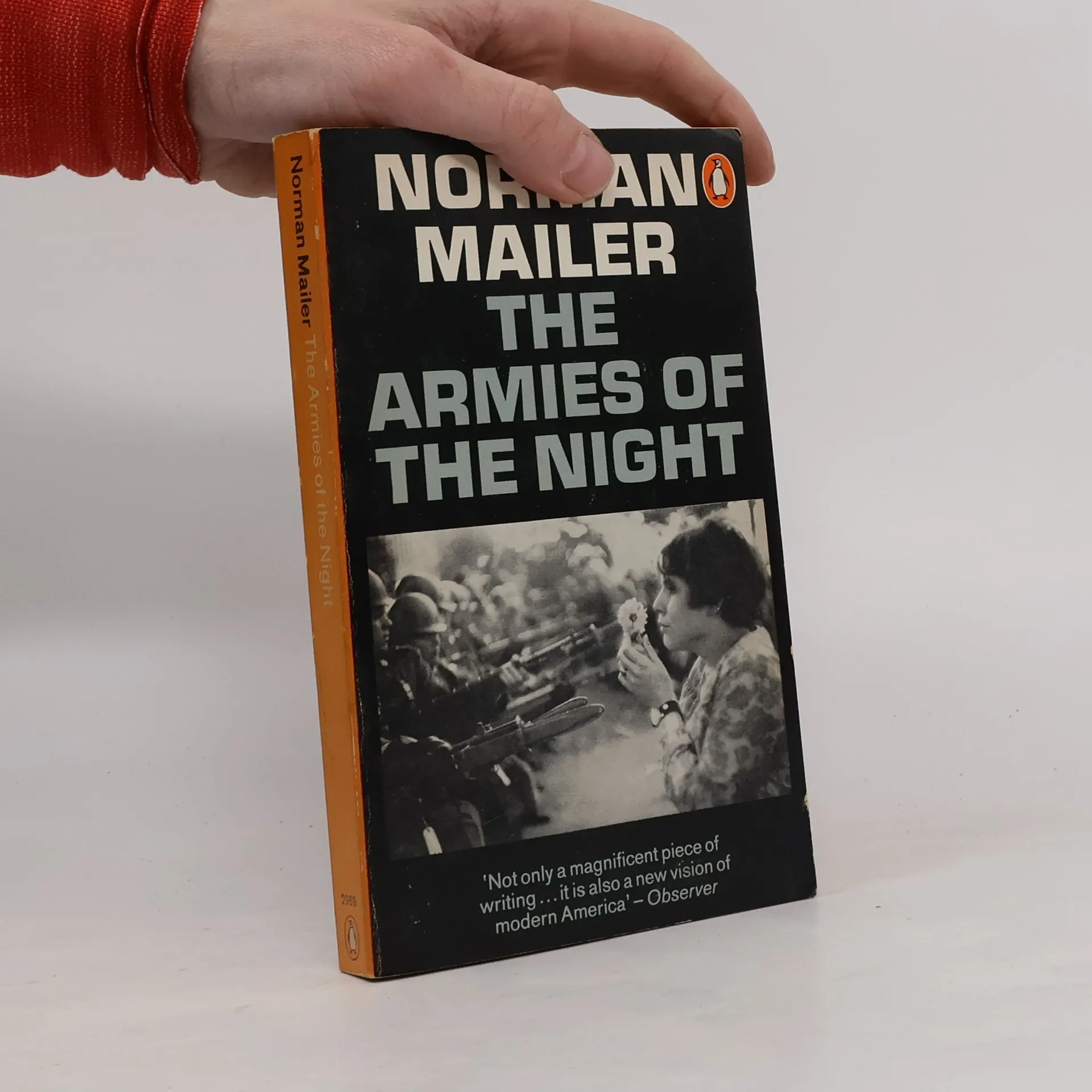
Winner of the Pulitzer Prize and the National Book AwardFifty years after the March on the Pentagon, Norman Mailer’s seminal tour de force remains as urgent and incisive as ever. Winner of America’s two highest literary awards, The Armies of the Night uniquely and unforgettably captures the Sixties’ tidal wave of love and rage at its crest and a towering genius at his peak. The time is October 21, 1967. The place is Washington, D.C. Depending on the paper you read, 20,000 to 200,000 protestors are marching to end the war in Vietnam, while helicopters hover overhead and federal marshals and soldiers with fixed bayonets await them on the Pentagon steps. Among the marchers is a writer named Norman Mailer. From his own singular participation in the day’s events and his even more extraordinary perceptions comes a classic work that shatters the mold of traditional reportage. Intellectuals and hippies, clergymen and cops, poets and army MPs crowd the pages of a book in which facts are fused with techniques of fiction to create the nerve-end reality of experiential truth.




Book purchase
The Armies of the Night, Norman Mailer
- Language

- Released
- 1995
- product-detail.submit-box.info.binding
- (Paperback),
- Book condition
- Good
- Price
- €2.23
Payment methods
We’re missing your review here.
- Language
- English
- Authors
- Norman Mailer
- Publisher
- Penguin LCC US
- Released
- 1995
- Format
- Paperback
- Pages
- 304
- ISBN10
- 0452272793
- ISBN13
- 9780452272798
- Series
- Tags
- Non-Fiction, Social Sciences, True Stories, Biographies, Political Science & Politics, Politics, Autobiographies & Memoirs, American Literature, Gifts for grandpa, Journalism, 1960s, 1970s, Pulitzer Prize
- First published
- 1968
- Original title
- The Armies of the Night
- Rating
- 3.65 out of 5
- Description
- Winner of the Pulitzer Prize and the National Book AwardFifty years after the March on the Pentagon, Norman Mailer’s seminal tour de force remains as urgent and incisive as ever. Winner of America’s two highest literary awards, The Armies of the Night uniquely and unforgettably captures the Sixties’ tidal wave of love and rage at its crest and a towering genius at his peak. The time is October 21, 1967. The place is Washington, D.C. Depending on the paper you read, 20,000 to 200,000 protestors are marching to end the war in Vietnam, while helicopters hover overhead and federal marshals and soldiers with fixed bayonets await them on the Pentagon steps. Among the marchers is a writer named Norman Mailer. From his own singular participation in the day’s events and his even more extraordinary perceptions comes a classic work that shatters the mold of traditional reportage. Intellectuals and hippies, clergymen and cops, poets and army MPs crowd the pages of a book in which facts are fused with techniques of fiction to create the nerve-end reality of experiential truth.