

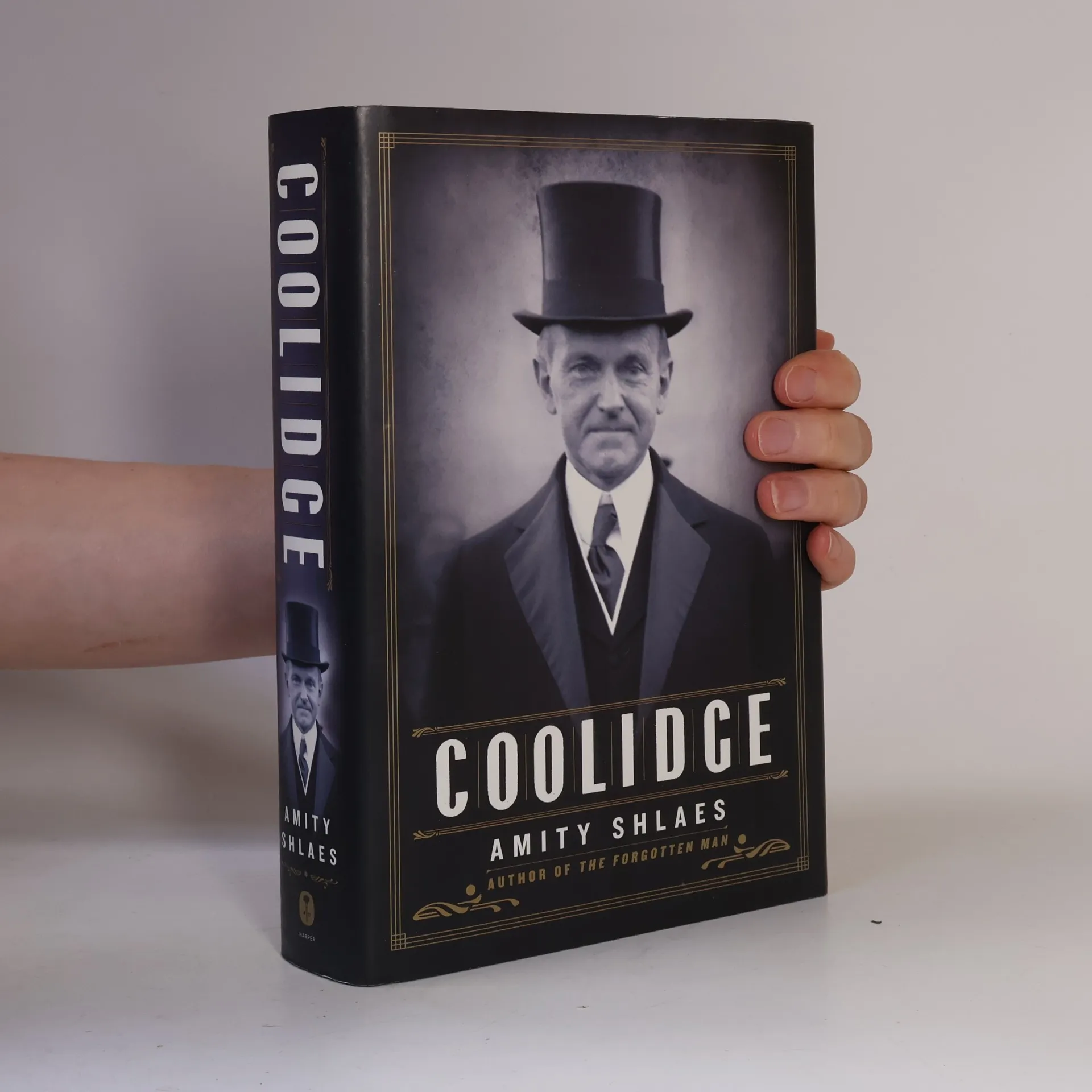


Parameters
- 536 pages
- 19 hours of reading
More about the book
Calvin Coolidge, president from 1923 to 1929, has often been underrated in historical assessments, labeled as "Silent Cal" and viewed as passive. However, Amity Shlaes offers a fresh perspective on the 1920s and Coolidge's significant role during this transformative decade. Contrary to the notion of frivolity before the Great Depression, Shlaes argues that the mid-1920s marked a period of triumph, characterized by national electrification, the rise of automobile usage, and a shift from federal deficit to surplus. This biography reveals Coolidge as a modern leader who championed advancements in various sectors, including aviation, by supporting figures like Charles Lindbergh. His discipline was a strength, enabling him to tackle divisive issues such as curbing public-sector unions and reducing government spending. Remarkably, he managed to cut the federal budget while the economy thrived, with rising wages and decreasing unemployment. Coolidge's personal life mirrored his public philosophy; he rejected extravagance and embraced moderation, viewing the presidency as a role of humble service. Despite personal tragedies, including the loss of a son, he exemplified resilience. Shlaes' work illuminates Coolidge's impactful leadership and the prosperity that flourished under his guidance.


Book purchase
Coolidge, Amity Shlaes
- Language

- Released
- 2013
- product-detail.submit-box.info.binding
- (Hardcover),
- Book condition
- Very Good
- Price
- €9.49
Payment methods
We’re missing your review here.
- Title
- Coolidge
- Language
- English
- Authors
- Amity Shlaes
- Publisher
- Harper
- Released
- 2013
- Format
- Hardcover
- Pages
- 536
- ISBN10
- 0061967556
- ISBN13
- 9780061967559
- Series
- Tags
- Non-Fiction, Social Sciences, Historical Themes, History, True Stories, Biographies, Political Science & Politics, Politics, American History, Politicians' Biographies, Presidents
- Rating
- 3.9 out of 5
- Description
- Calvin Coolidge, president from 1923 to 1929, has often been underrated in historical assessments, labeled as "Silent Cal" and viewed as passive. However, Amity Shlaes offers a fresh perspective on the 1920s and Coolidge's significant role during this transformative decade. Contrary to the notion of frivolity before the Great Depression, Shlaes argues that the mid-1920s marked a period of triumph, characterized by national electrification, the rise of automobile usage, and a shift from federal deficit to surplus. This biography reveals Coolidge as a modern leader who championed advancements in various sectors, including aviation, by supporting figures like Charles Lindbergh. His discipline was a strength, enabling him to tackle divisive issues such as curbing public-sector unions and reducing government spending. Remarkably, he managed to cut the federal budget while the economy thrived, with rising wages and decreasing unemployment. Coolidge's personal life mirrored his public philosophy; he rejected extravagance and embraced moderation, viewing the presidency as a role of humble service. Despite personal tragedies, including the loss of a son, he exemplified resilience. Shlaes' work illuminates Coolidge's impactful leadership and the prosperity that flourished under his guidance.