

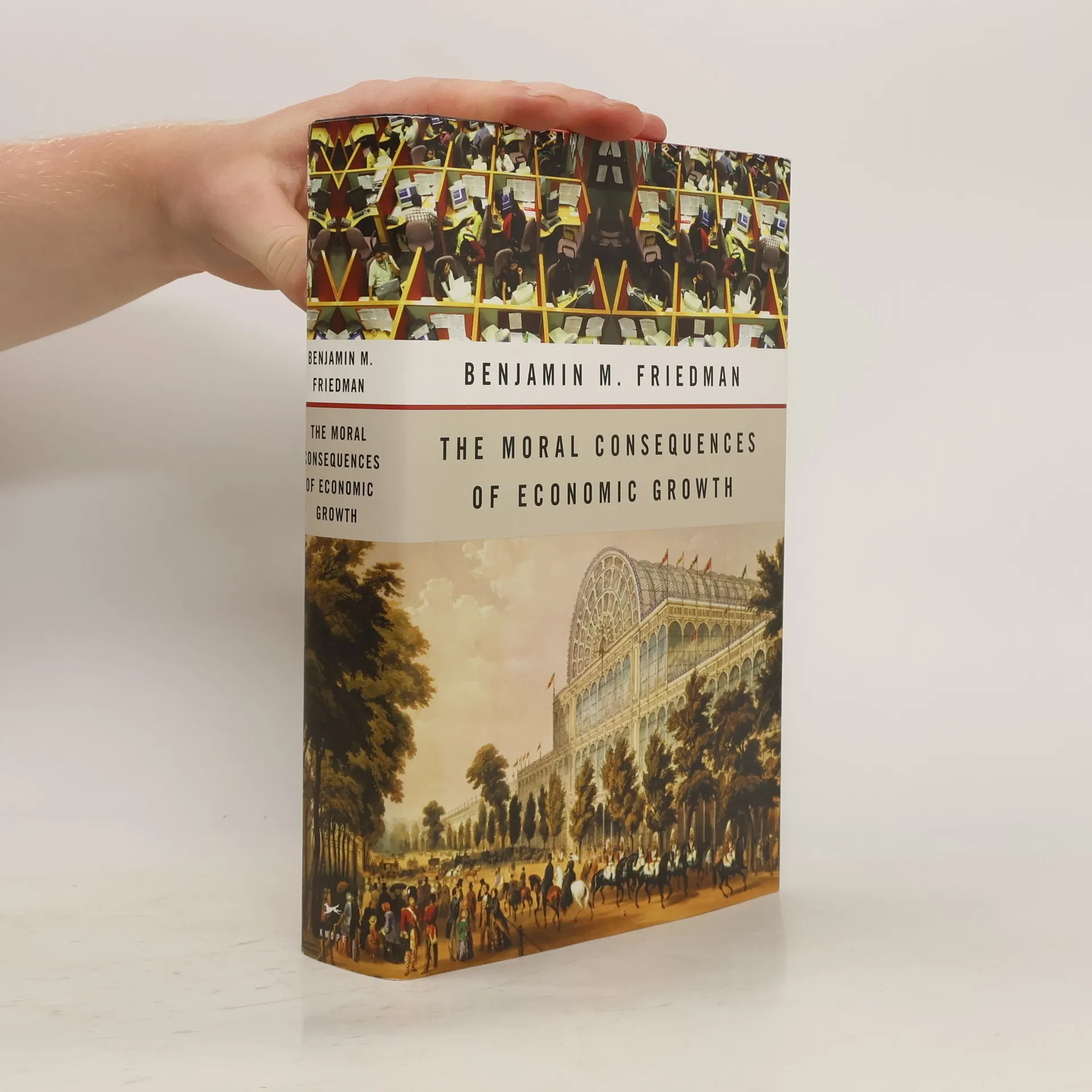


More about the book
"Are we right," Benjamin M. Friedman asks, "to care so much about economic growth as we clearly do?" He explores this question by examining the political and social histories of Western democracies, particularly the United States since the Civil War. By distinguishing periods of rising living standards from those of stagnation, Friedman illustrates how increasing incomes contribute to a more open and democratic society. He traces our attitudes toward economic growth to Enlightenment thinking and significant religious influences. Friedman also highlights the impact of economic growth on the freedoms of citizens in developing nations, emphasizing that growth is crucial for political and social liberalization. He cautions that even wealthy nations risk losing democratic values if income stagnates for too long, as citizens may feel left behind, leading to rigidity and intolerance. Finally, he argues that to strengthen democratic institutions globally and combat terrorism and social unrest, the U.S. must actively pursue growth domestically and promote economic expansion worldwide beyond market-driven limits. He concludes with concrete policy suggestions for the United States to achieve these goals.


Book purchase
The Moral Consequences of Economic Growth, Benjamin M. Friedman
- Language

- Released
- 2005
- Binding
- (Hardcover)
Payment methods
We’re missing your review here.
- Title
- The Moral Consequences of Economic Growth
- Language
- English
- Authors
- Benjamin M. Friedman
- Publisher
- Alfred A. Knopf
- Released
- 2005
- Format
- Hardcover
- Pages
- 592
- ISBN10
- 0679448918
- ISBN13
- 9780679448914
- Series
- Categories
- Rating
- 3.85 out of 5
- Description
- "Are we right," Benjamin M. Friedman asks, "to care so much about economic growth as we clearly do?" He explores this question by examining the political and social histories of Western democracies, particularly the United States since the Civil War. By distinguishing periods of rising living standards from those of stagnation, Friedman illustrates how increasing incomes contribute to a more open and democratic society. He traces our attitudes toward economic growth to Enlightenment thinking and significant religious influences. Friedman also highlights the impact of economic growth on the freedoms of citizens in developing nations, emphasizing that growth is crucial for political and social liberalization. He cautions that even wealthy nations risk losing democratic values if income stagnates for too long, as citizens may feel left behind, leading to rigidity and intolerance. Finally, he argues that to strengthen democratic institutions globally and combat terrorism and social unrest, the U.S. must actively pursue growth domestically and promote economic expansion worldwide beyond market-driven limits. He concludes with concrete policy suggestions for the United States to achieve these goals.