


Wirtschaftswunder. Deutschland nach dem Krieg 1952-1967. Germany after the war. L'Allemagne après la guerre
Authors
Book rating
Parameters
More about the book
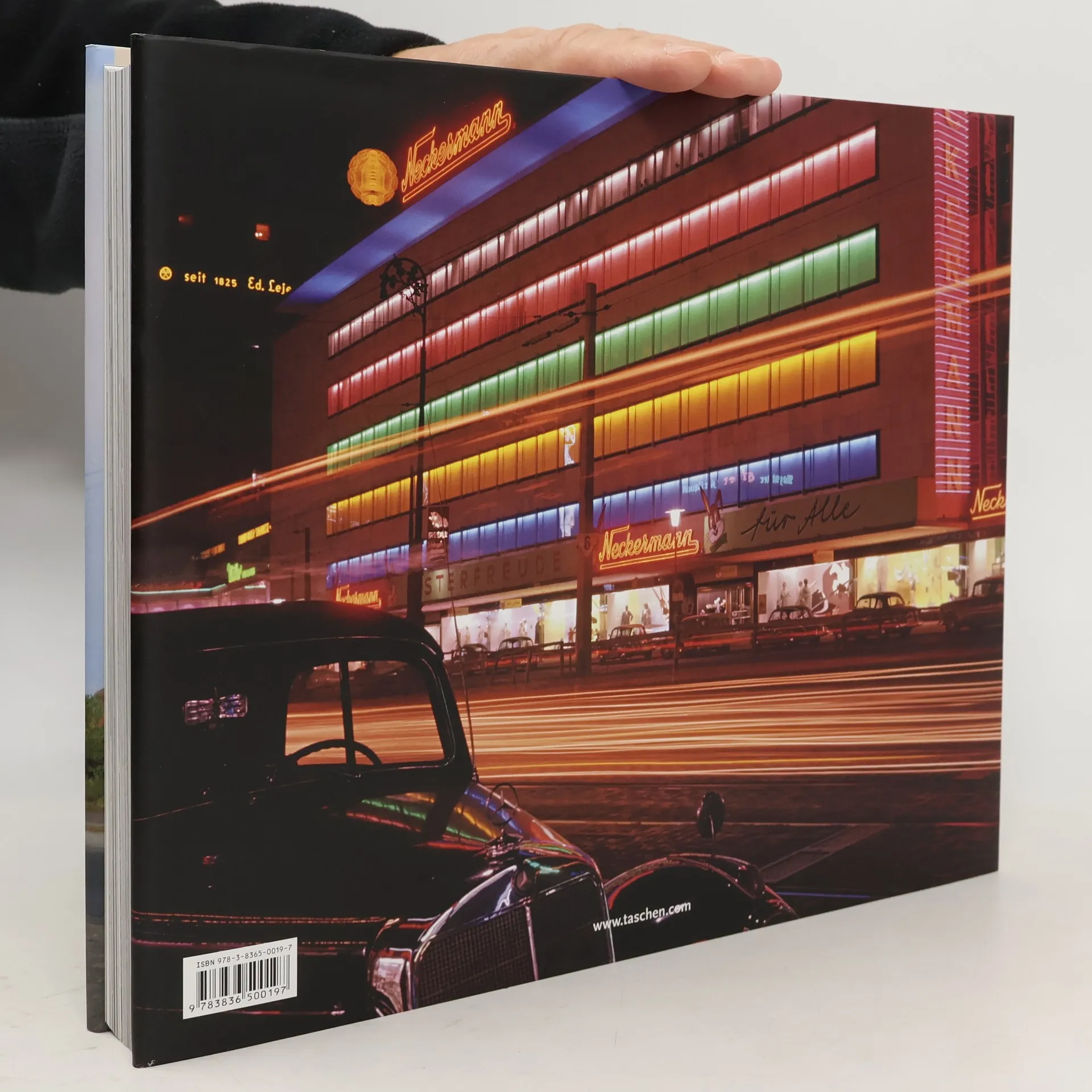
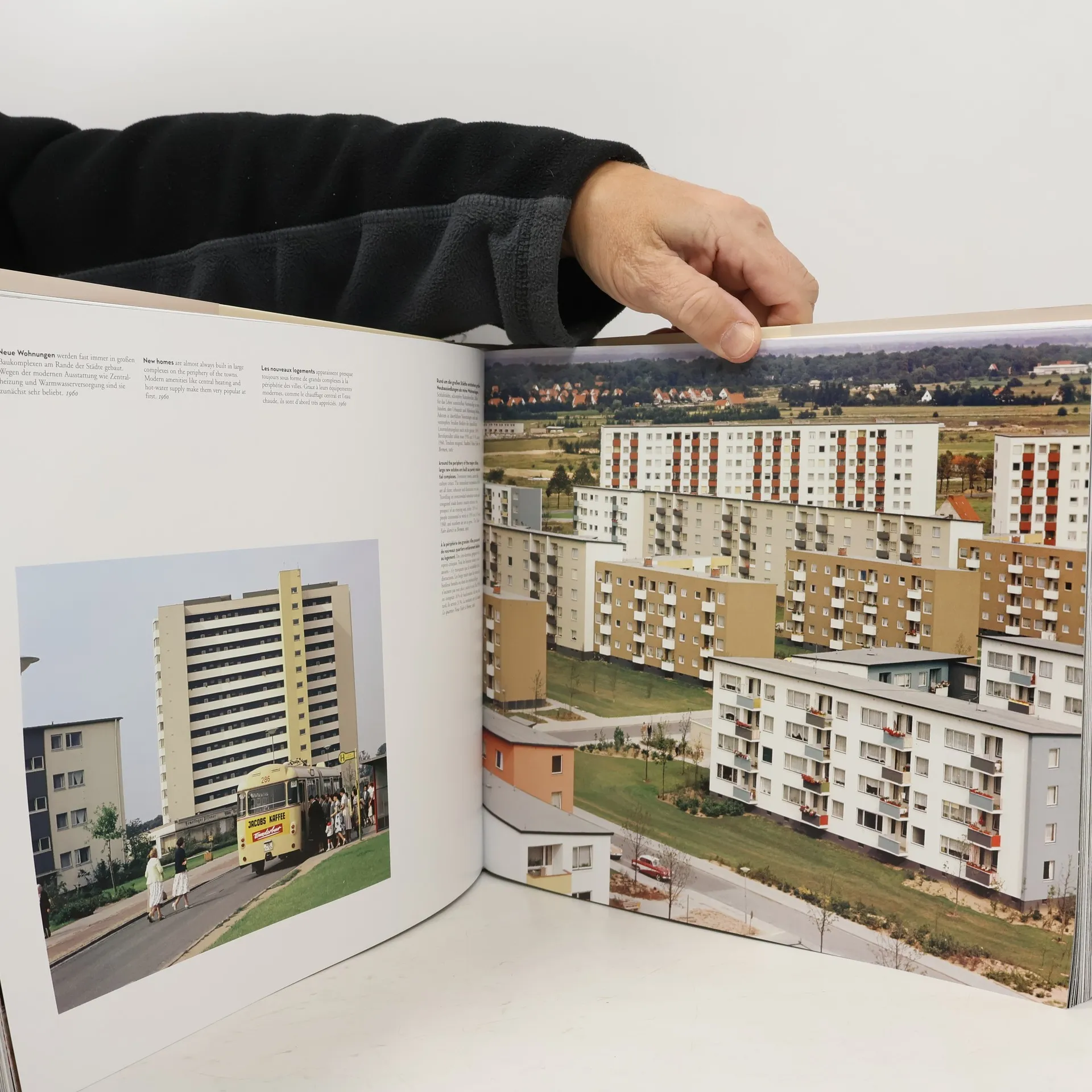
Germany after the war 1952 - 1967. It was no more than eight years after the surrender of the Nazi government when Josef Heinrich Darchinger set out on his photographic journey through the West of a divided Germany. The bombs of World War II had reduced the country's major cities to deserts of rubble. Yet his pictures show scarcely any signs of the downfall of a civilization. Not that the photographer was manipulating the evidence: he simply recorded what he saw. At the time, a New York travel agency was advertising the last opportunity to go and visit the remaining bomb sites. Darchinger's pictures, in color and black-and-white, show a country in a fever of reconstruction. The economic boom was so incredible that the whole world spoke of an "economic miracle." The people who achieved it, in contrast, look down-to-earth, unassuming, conscientious, and diligent. And increasingly, they look like strangers in the world they have created.
Book purchase
Wirtschaftswunder. Deutschland nach dem Krieg 1952-1967. Germany after the war. L'Allemagne après la guerre, J. H. Jupp H. Darchinger
- Language



- Released
- 2008
- Binding
- (Hardcover)
Payment methods
We’re missing your review here.
- Title
- Wirtschaftswunder. Deutschland nach dem Krieg 1952-1967. Germany after the war. L'Allemagne après la guerre
- Language
- English, German, French
- Authors
- J. H. Jupp H. Darchinger
- Publisher
- Taschen
- Released
- 2008
- Format
- Hardcover
- ISBN10
- 3836500191
- ISBN13
- 9783836500197
- Series
- Rating
- 4.4 out of 5
- Description
- Germany after the war 1952 - 1967. It was no more than eight years after the surrender of the Nazi government when Josef Heinrich Darchinger set out on his photographic journey through the West of a divided Germany. The bombs of World War II had reduced the country's major cities to deserts of rubble. Yet his pictures show scarcely any signs of the downfall of a civilization. Not that the photographer was manipulating the evidence: he simply recorded what he saw. At the time, a New York travel agency was advertising the last opportunity to go and visit the remaining bomb sites. Darchinger's pictures, in color and black-and-white, show a country in a fever of reconstruction. The economic boom was so incredible that the whole world spoke of an "economic miracle." The people who achieved it, in contrast, look down-to-earth, unassuming, conscientious, and diligent. And increasingly, they look like strangers in the world they have created.