


More about the book
This insightful exploration delves into the transformation of China over the past 25 years, highlighting its emergence as a global industrial powerhouse. James Kynge, the Financial Times' China Bureau Chief since 1998, details the remarkable rise of the Chinese economy and its growing influence on the world stage. Historically, China once represented one-third of the global economy before its decline to just two percent by 1979, but it has since rebounded to five percent and continues to rise. Kynge emphasizes that while China is already a significant global player, its full impact is just beginning to unfold. The next decade will see a shift in world trade, capital flows, and politics driven by China's demand for foreign jobs, raw materials, energy, and food. This will manifest in various ways, including increased exports, tourism, and investments, as illustrated by recent trade disputes with the West. However, Kynge also addresses the challenges China faces, such as environmental pollution, social trust issues, a fragile financial system, and weak governmental institutions. These vulnerabilities could have far-reaching consequences, and any setbacks in China's modernization or economic stability would resonate globally.
Language



Book purchase
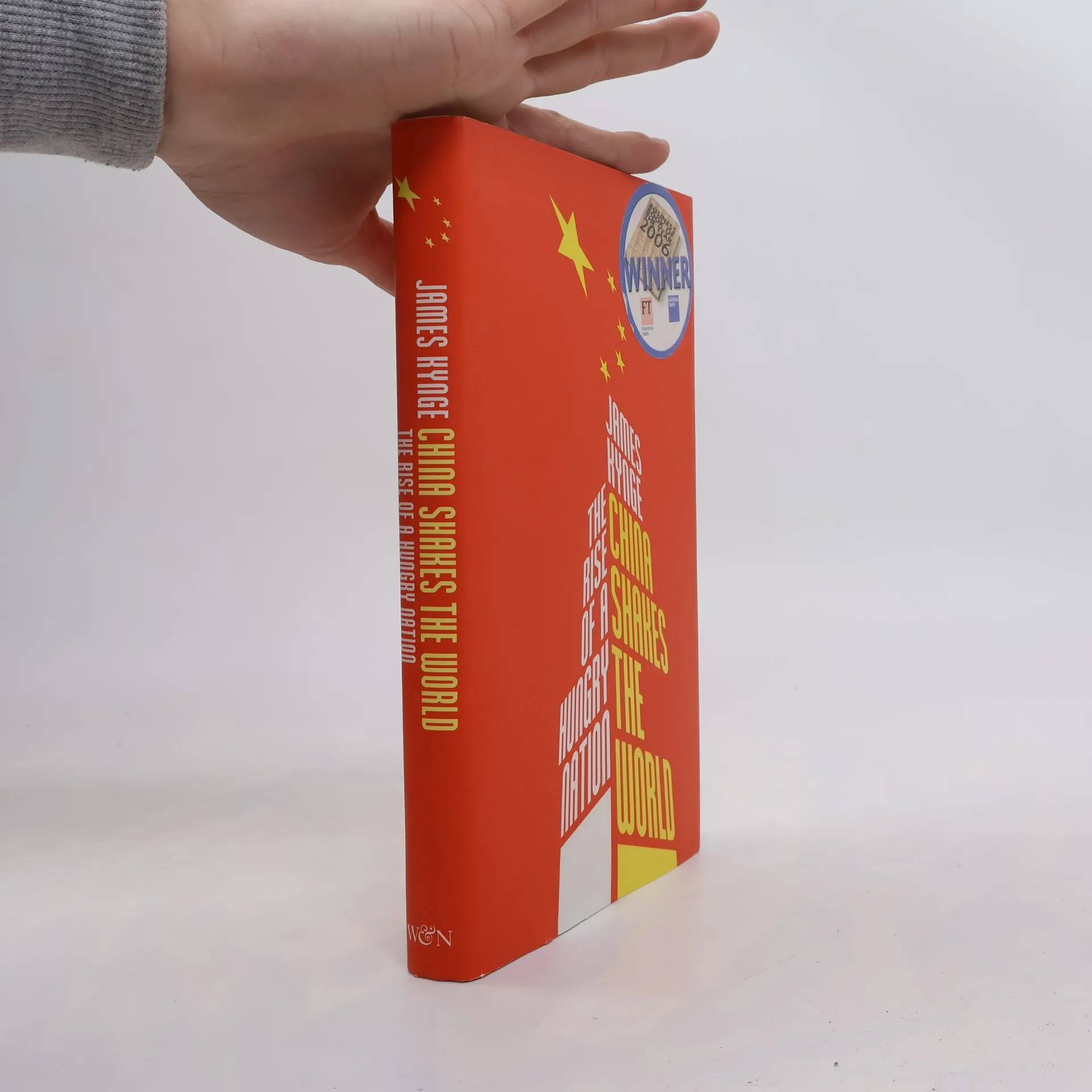
China shakes the world: The rise of a hungry nation, James Kynge
- Language

- Released
- 2006
- product-detail.submit-box.info.binding
- (Hardcover),
- Book condition
- Good
- Price
- €2.49
Payment methods
We’re missing your review here.
- Language
- English
- Authors
- James Kynge
- Publisher
- Weidenfeld and Nicolson
- Released
- 2006
- Format
- Hardcover
- Pages
- 256
- ISBN10
- 0297852299
- ISBN13
- 9780297852292
- Series
- Tags
- Non-Fiction, Social Sciences, Historical Themes, History, Business, Business & Management, Political Science & Politics, Politics, Economics, Asia, China
- Original title
- China shakes the world
- Rating
- 3.75 out of 5
- Description
- This insightful exploration delves into the transformation of China over the past 25 years, highlighting its emergence as a global industrial powerhouse. James Kynge, the Financial Times' China Bureau Chief since 1998, details the remarkable rise of the Chinese economy and its growing influence on the world stage. Historically, China once represented one-third of the global economy before its decline to just two percent by 1979, but it has since rebounded to five percent and continues to rise. Kynge emphasizes that while China is already a significant global player, its full impact is just beginning to unfold. The next decade will see a shift in world trade, capital flows, and politics driven by China's demand for foreign jobs, raw materials, energy, and food. This will manifest in various ways, including increased exports, tourism, and investments, as illustrated by recent trade disputes with the West. However, Kynge also addresses the challenges China faces, such as environmental pollution, social trust issues, a fragile financial system, and weak governmental institutions. These vulnerabilities could have far-reaching consequences, and any setbacks in China's modernization or economic stability would resonate globally.