

Book rating
More about the book
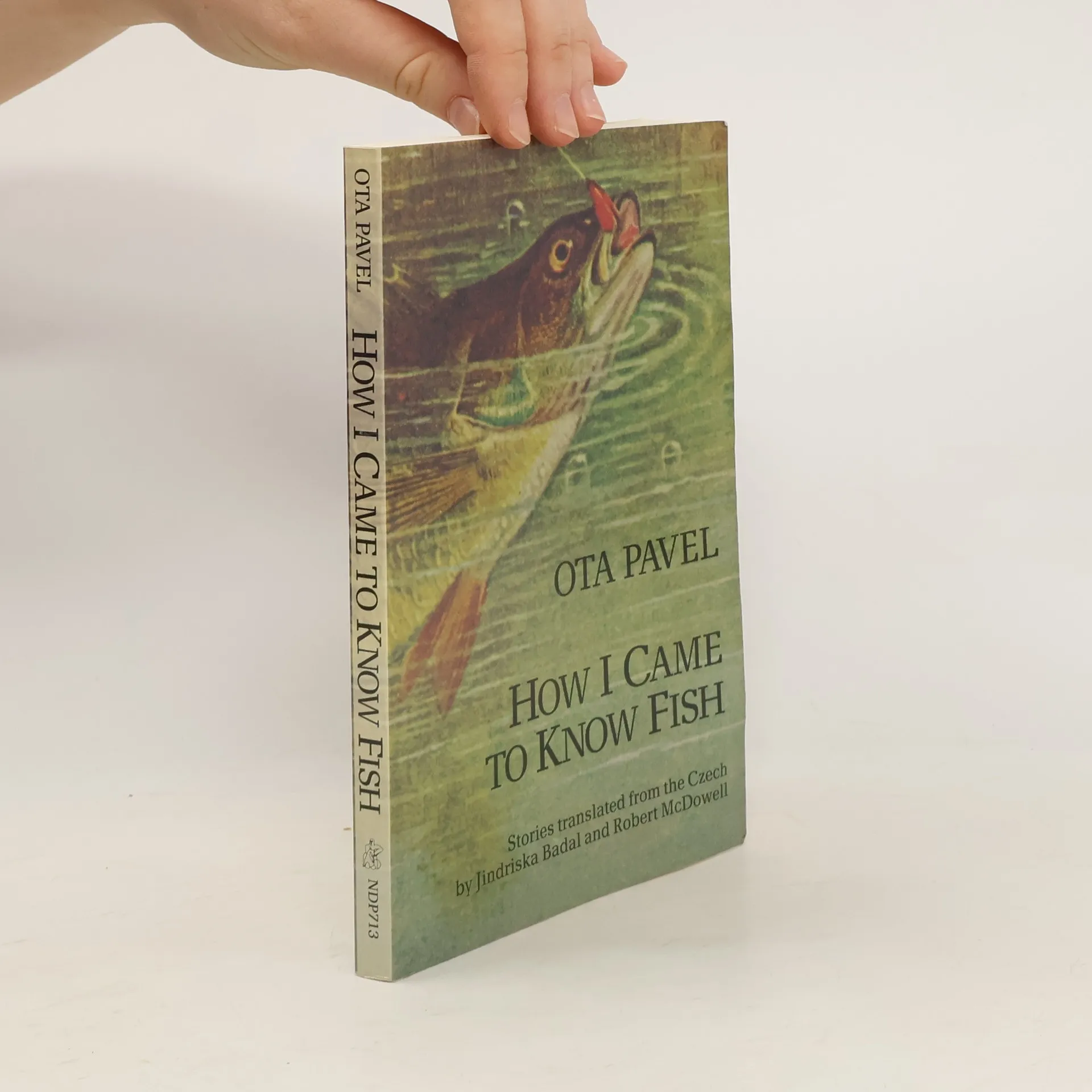
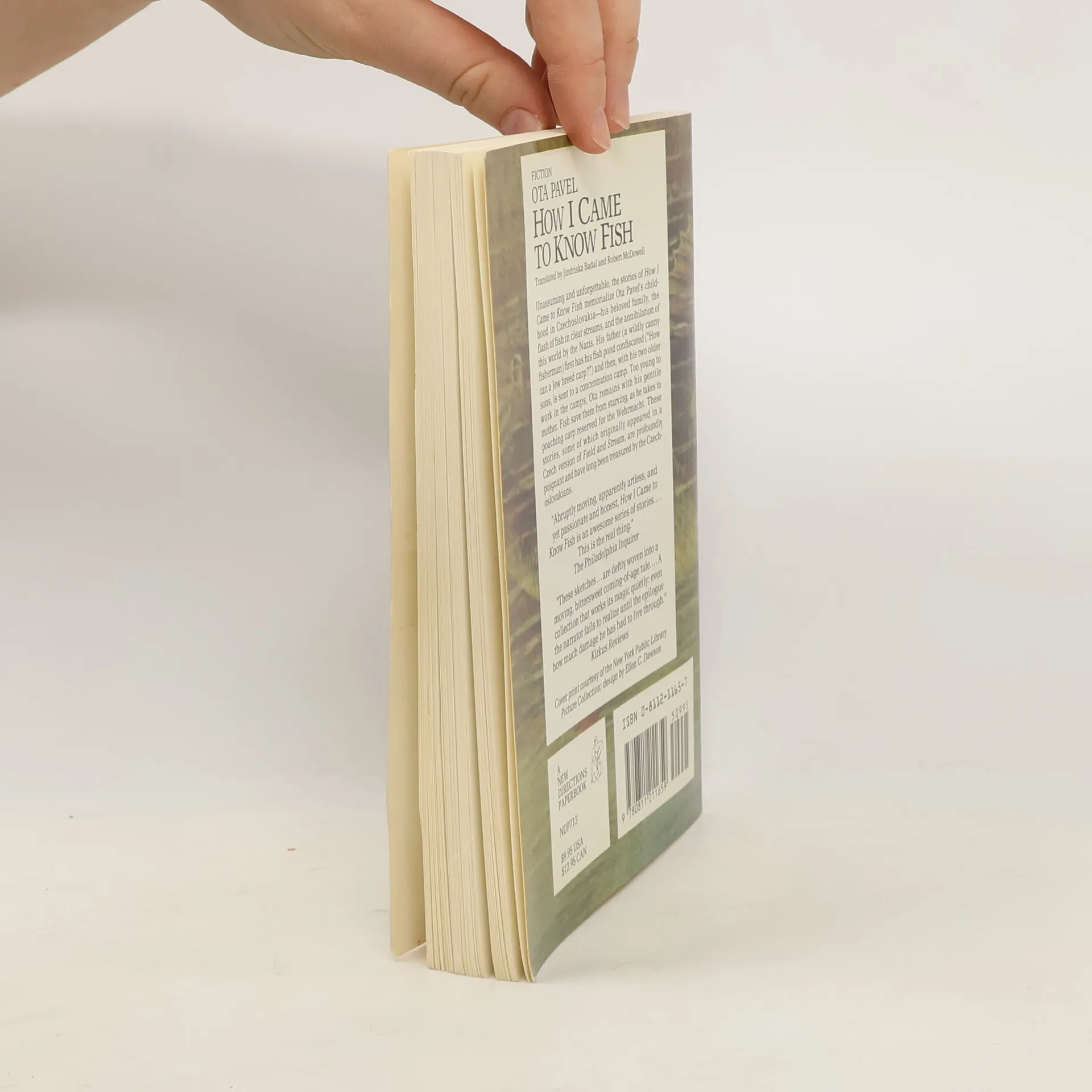
Unassuming and unforgettable, the stories of How I Came to Know Fish memorialize Ota Pavel's childhood in Czechoslovakia—his beloved family, the flash of fish in clear streams, and the annihilation of this world by the Nazis. His father (a wildly canny fisherman) first has his fish pond confiscated ("How can a Jew breed carp?") and then, with his two older sons, is sent to a concentration camp. Too young to work in the camps, Ota remains with his gentile mother. Fish save them from starving, as he takes to poaching carp reserved for the Wehrmacht. These stories, some of which originally appeared in a Czech version of Field and Stream, are profoundly poignant and have long been treasured by the Czechoslovakians.




Book purchase
How I Came to Know Fish, Ota Pavel, Jindřiška Badal, Robert McDowell
- Language

- Released
- 1991
- product-detail.submit-box.info.binding
- (Paperback)
Payment methods
We’re missing your review here.
- Subtitle
- Stories Translated from the Czech by Jindriska Badal and Robert McDowell
- Language
- English
- Authors
- Ota Pavel, Jindřiška Badal, Robert McDowell
- Released
- 1991
- Format
- Paperback
- Pages
- 150
- ISBN10
- 0811211657
- ISBN13
- 9780811211659
- Series
- Memories of Childhood
- Tags
- Non-Fiction, History, True Stories, Hobby, Biographies, Psychological Topics, Czech Literature, Family, Autobiographies & Memoirs, Military History, Relationships, World War II, Stories, Gifts for grandpa, Holocaust, Jewish Literature, Fishing, Fish, Classicism, Sport Fishing, Beroun Region, Ota Pavel, 1930-1973
- Rating
- 4.3 out of 5
- Description
- Unassuming and unforgettable, the stories of How I Came to Know Fish memorialize Ota Pavel's childhood in Czechoslovakia—his beloved family, the flash of fish in clear streams, and the annihilation of this world by the Nazis. His father (a wildly canny fisherman) first has his fish pond confiscated ("How can a Jew breed carp?") and then, with his two older sons, is sent to a concentration camp. Too young to work in the camps, Ota remains with his gentile mother. Fish save them from starving, as he takes to poaching carp reserved for the Wehrmacht. These stories, some of which originally appeared in a Czech version of Field and Stream, are profoundly poignant and have long been treasured by the Czechoslovakians.