



Parameters
- 172 pages
- 7 hours of reading
More about the book
What can artificial intelligence teach us about the mind? If AI's underlying concept is that thinking is a computational process, then how can computation illuminate thinking? It's a timely question. AI is all the rage, and the buzziest AI buzz surrounds adaptive machine learning: computer systems that learn intelligent behavior from massive amounts of data. This is what powers a driverless car, for example. In this book, Hector Levesque shifts the conversation to good old fashioned artificial intelligence, which is based not on heaps of data but on understanding commonsense intelligence. This kind of artificial intelligence is equipped to handle situations that depart from previous patterns - as we do in real life, when, for example, we encounter a washed-out bridge or when the barista informs us there's no more soy milk.
Publication

Book purchase
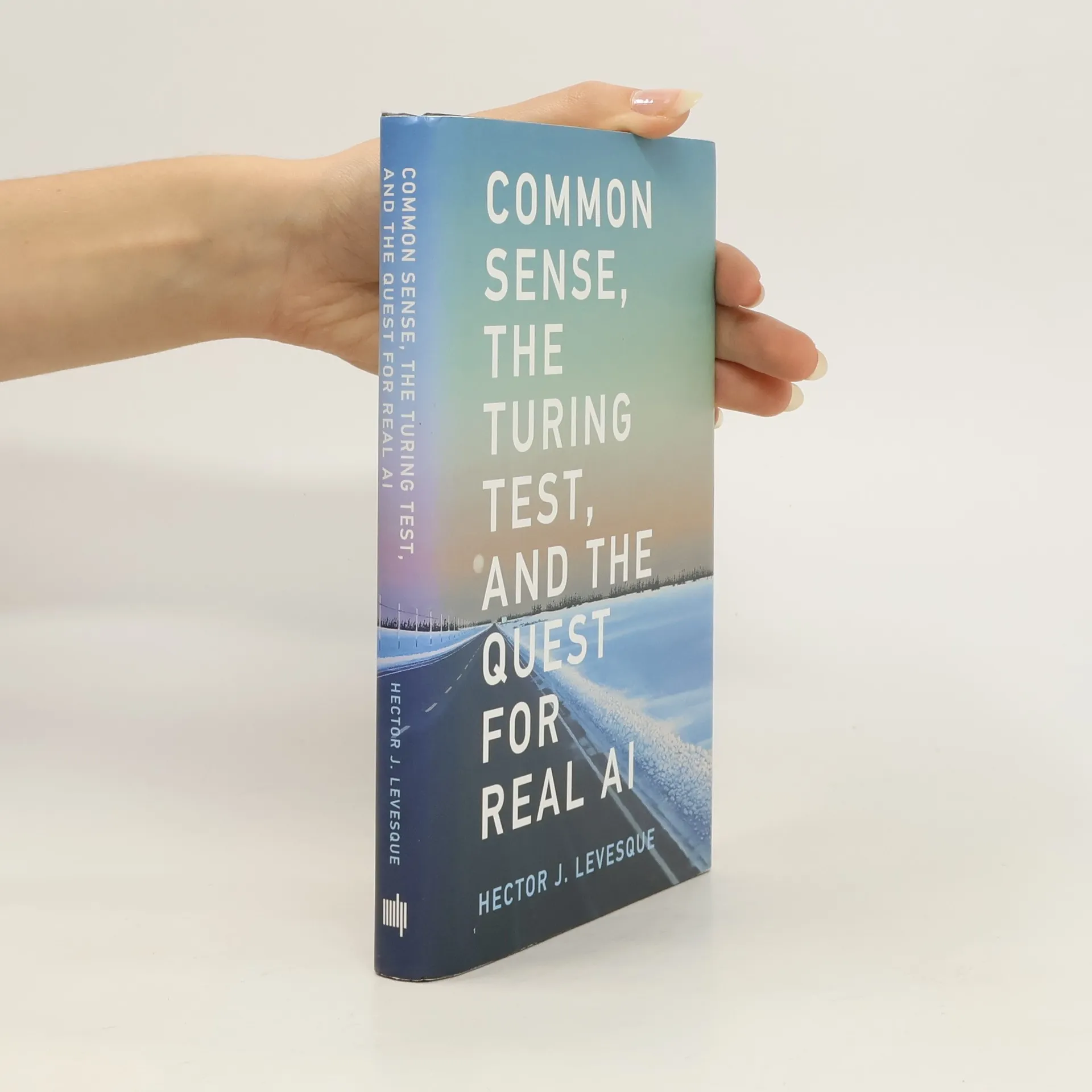
Common Sense, the Turing Test, and the Quest for Real AI, Hector Levesque
- Language

- Released
- 2017
- Binding
- (Hardcover)
Payment methods
We’re missing your review here.
- Title
- Common Sense, the Turing Test, and the Quest for Real AI
- Language
- English
- Authors
- Hector Levesque
- Publisher
- MIT Press
- Released
- 2017
- Format
- Hardcover
- Pages
- 172
- ISBN10
- 0262036045
- ISBN13
- 9780262036047
- Series
- Categories
- Rating
- 3.55 out of 5
- Description
- What can artificial intelligence teach us about the mind? If AI's underlying concept is that thinking is a computational process, then how can computation illuminate thinking? It's a timely question. AI is all the rage, and the buzziest AI buzz surrounds adaptive machine learning: computer systems that learn intelligent behavior from massive amounts of data. This is what powers a driverless car, for example. In this book, Hector Levesque shifts the conversation to good old fashioned artificial intelligence, which is based not on heaps of data but on understanding commonsense intelligence. This kind of artificial intelligence is equipped to handle situations that depart from previous patterns - as we do in real life, when, for example, we encounter a washed-out bridge or when the barista informs us there's no more soy milk.