



Series
More about the book
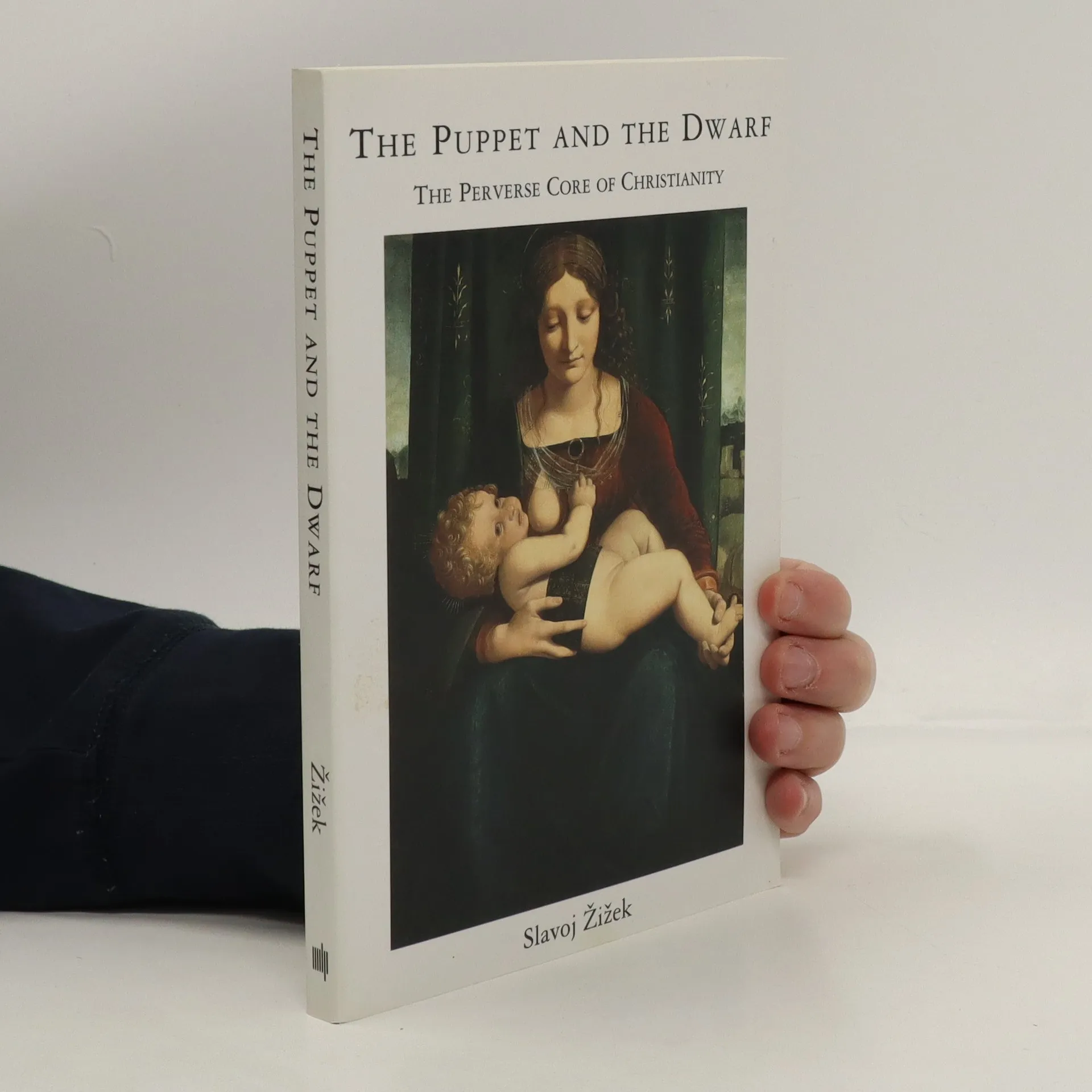
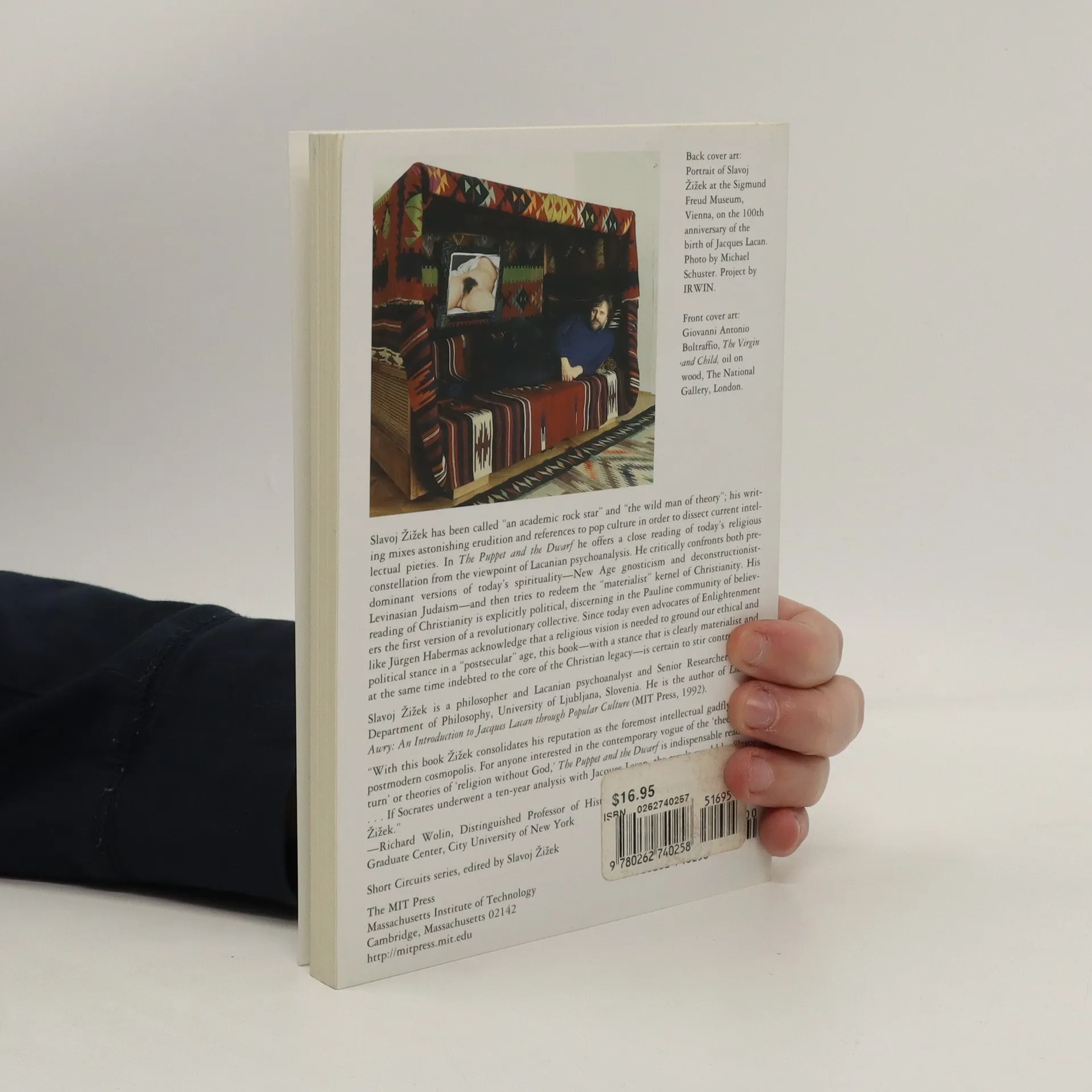
One of our most daring intellectuals offers a Lacanian interpretation of religion, finding that early Christianity was the first revolutionary collective.Slavoj Zizek has been called "an academic rock star" and "the wild man of theory"; his writing mixes astonishing erudition and references to pop culture in order to dissect current intellectual pieties. In The Puppet and the Dwarf he offers a close reading of today's religious constellation from the viewpoint of Lacanian psychoanalysis. He critically confronts both predominant versions of today's spirituality -- New Age gnosticism and deconstructionist-Levinasian Judaism -- and then tries to redeem the "materialist" kernel of Christianity. His reading of Christianity is explicitly political, discerning in the Pauline community of believers the first version of a revolutionary collective. Since today even advocates of Enlightenment like Jurgen Habermas acknowledge that a religious vision is needed to ground our ethical and political stance in a "postsecular" age, this book -- with a stance that is clearly materialist and at the same time indebted to the core of the Christian legacy -- is certain to stir controversy.

Book purchase
The puppet and the dwarf : the perverse core of Christianity, Slavoj Žižek
- Language

- Released
- 2003
- Binding
- (Paperback)
Payment methods
We’re missing your review here.
- Title
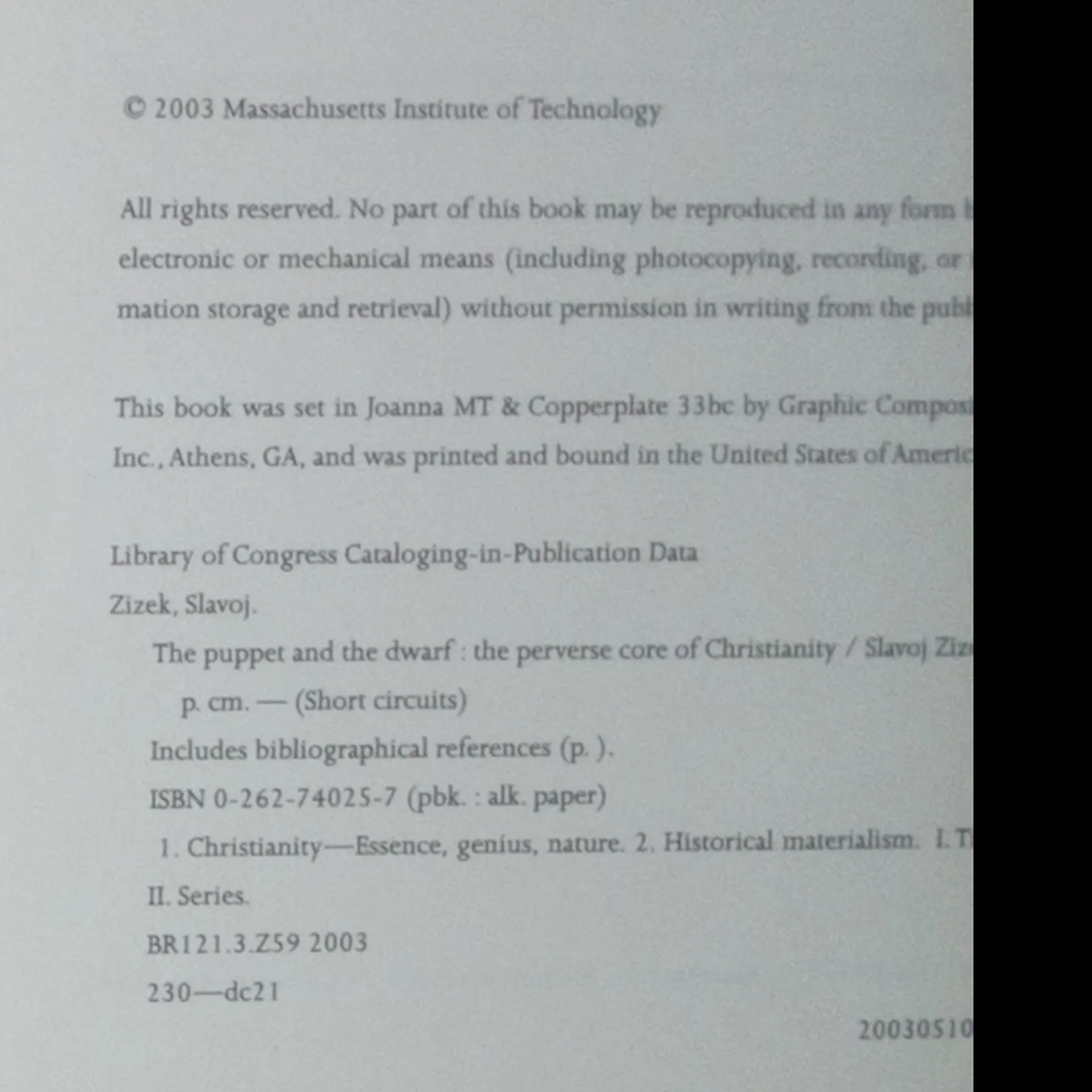
- The puppet and the dwarf : the perverse core of Christianity
- Language
- English
- Authors
- Slavoj Žižek
- Publisher
- MIT Press
- Released
- 2003
- Format
- Paperback
- Pages
- 196
- ISBN10
- 0262740257
- ISBN13
- 9780262740258
- Series
- Short Circuits
- Collection
- Short circuits
- Tags
- Psychological Topics, Religious Topics, Philosophical Topics, Christian Themes, Theology, Psychoanalysis
- Rating
- 3.85 out of 5
- Description
- One of our most daring intellectuals offers a Lacanian interpretation of religion, finding that early Christianity was the first revolutionary collective.Slavoj Zizek has been called "an academic rock star" and "the wild man of theory"; his writing mixes astonishing erudition and references to pop culture in order to dissect current intellectual pieties. In The Puppet and the Dwarf he offers a close reading of today's religious constellation from the viewpoint of Lacanian psychoanalysis. He critically confronts both predominant versions of today's spirituality -- New Age gnosticism and deconstructionist-Levinasian Judaism -- and then tries to redeem the "materialist" kernel of Christianity. His reading of Christianity is explicitly political, discerning in the Pauline community of believers the first version of a revolutionary collective. Since today even advocates of Enlightenment like Jurgen Habermas acknowledge that a religious vision is needed to ground our ethical and political stance in a "postsecular" age, this book -- with a stance that is clearly materialist and at the same time indebted to the core of the Christian legacy -- is certain to stir controversy.