

Book rating
Parameters
- 432 pages
- 16 hours of reading
More about the book
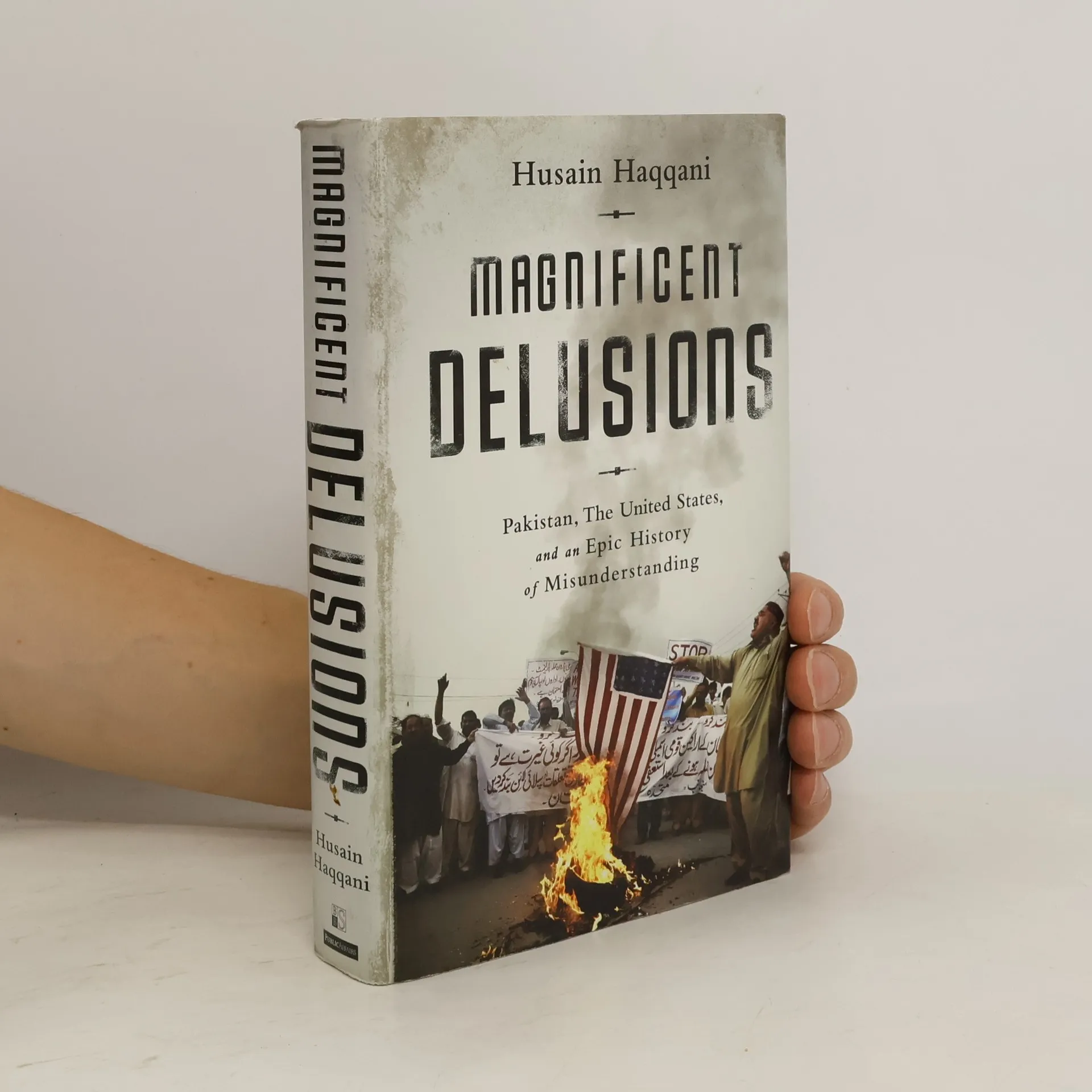
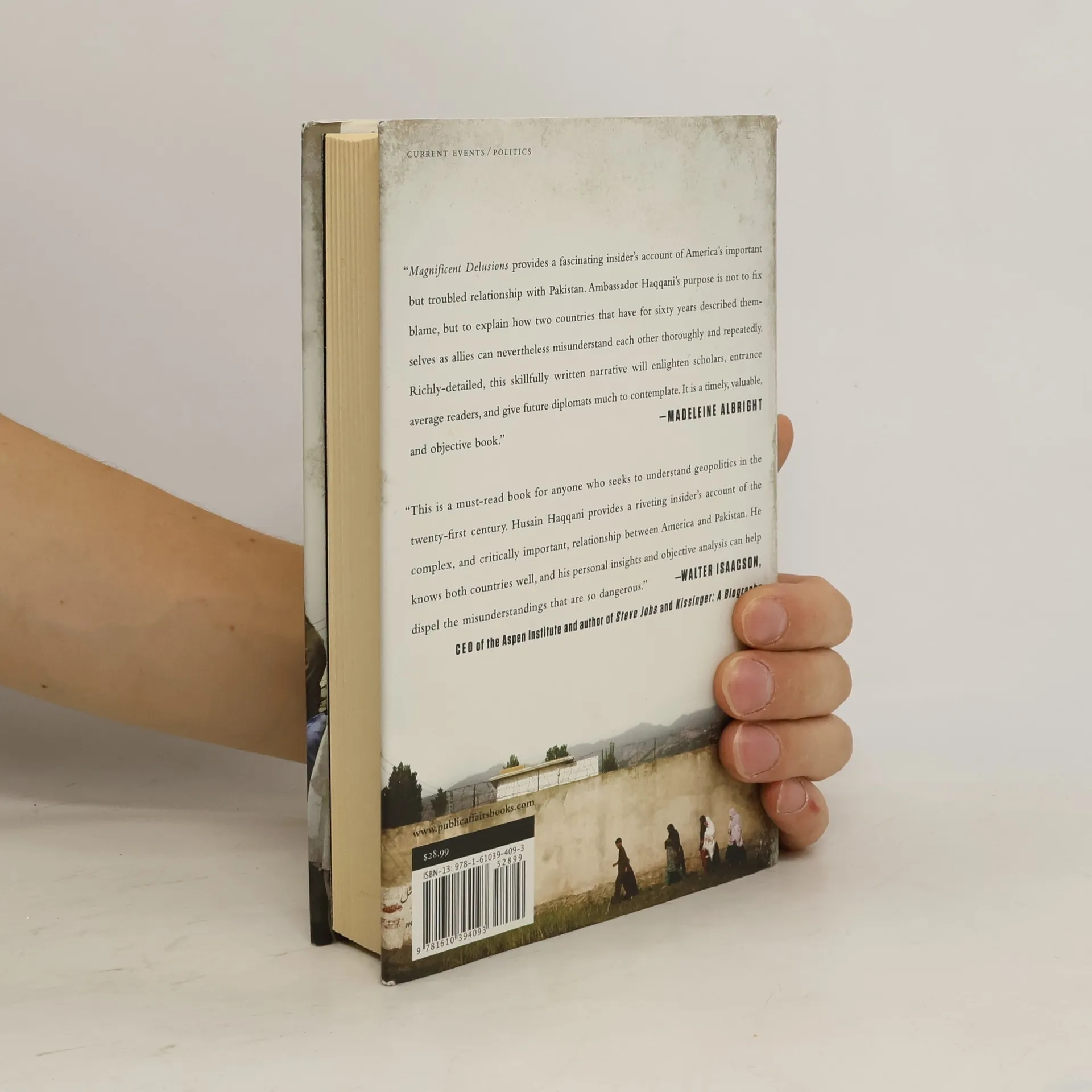
A Character-Led History Of The Bizarrely Ill-Suited Alliance Between America And Pakistan, Written By A Uniquely Insightful Participant: Pakistan's Former Ambassador To The U.S. The relationship between America and Pakistan is based on mutual incomprehension, and has always been. The US-Pakistan alliance was born in an environment of ignorance on the part of leaders of both countries about the other. John Foster Dulles thought the Pakistanis were Gurkhas, whom the British described as the best fighting men in the subcontinent. He was encouraged by the thought of having a large army of professional soldiers from South Asia with British trained officers, on-board for the impending war against communism. Pakistan’s emerging military leader General Ayub Khan assumed that once Pakistan’s militaryhad been equipped with modern weapons supplied by the Americans, ostensibly to fight the communists, Pakistan could use them against India without causing a breach in the ties with the United States. In the end, the expectations of both were manifestly disappointed.


Book purchase
Magnificent Delusions, Husain Haqqani
- Language

- Released
- 2013
- product-detail.submit-box.info.binding
- (Hardcover)
Payment methods
We’re missing your review here.
- Subtitle
- Pakistan, The United States, And An Epic History Of Misunderstanding
- Language
- English
- Authors
- Husain Haqqani
- Publisher
- Penguin
- Released
- 2013
- Format
- Hardcover
- Pages
- 432
- ISBN10
- 1610394097
- ISBN13
- 9781610394093
- Series
- Tags
- Non-Fiction, Social Sciences, Historical Themes, History, Political Science & Politics, Politics, India, International Relations, Pakistan
- Rating
- 4 out of 5
- Description
- A Character-Led History Of The Bizarrely Ill-Suited Alliance Between America And Pakistan, Written By A Uniquely Insightful Participant: Pakistan's Former Ambassador To The U.S. The relationship between America and Pakistan is based on mutual incomprehension, and has always been. The US-Pakistan alliance was born in an environment of ignorance on the part of leaders of both countries about the other. John Foster Dulles thought the Pakistanis were Gurkhas, whom the British described as the best fighting men in the subcontinent. He was encouraged by the thought of having a large army of professional soldiers from South Asia with British trained officers, on-board for the impending war against communism. Pakistan’s emerging military leader General Ayub Khan assumed that once Pakistan’s militaryhad been equipped with modern weapons supplied by the Americans, ostensibly to fight the communists, Pakistan could use them against India without causing a breach in the ties with the United States. In the end, the expectations of both were manifestly disappointed.