


More about the book
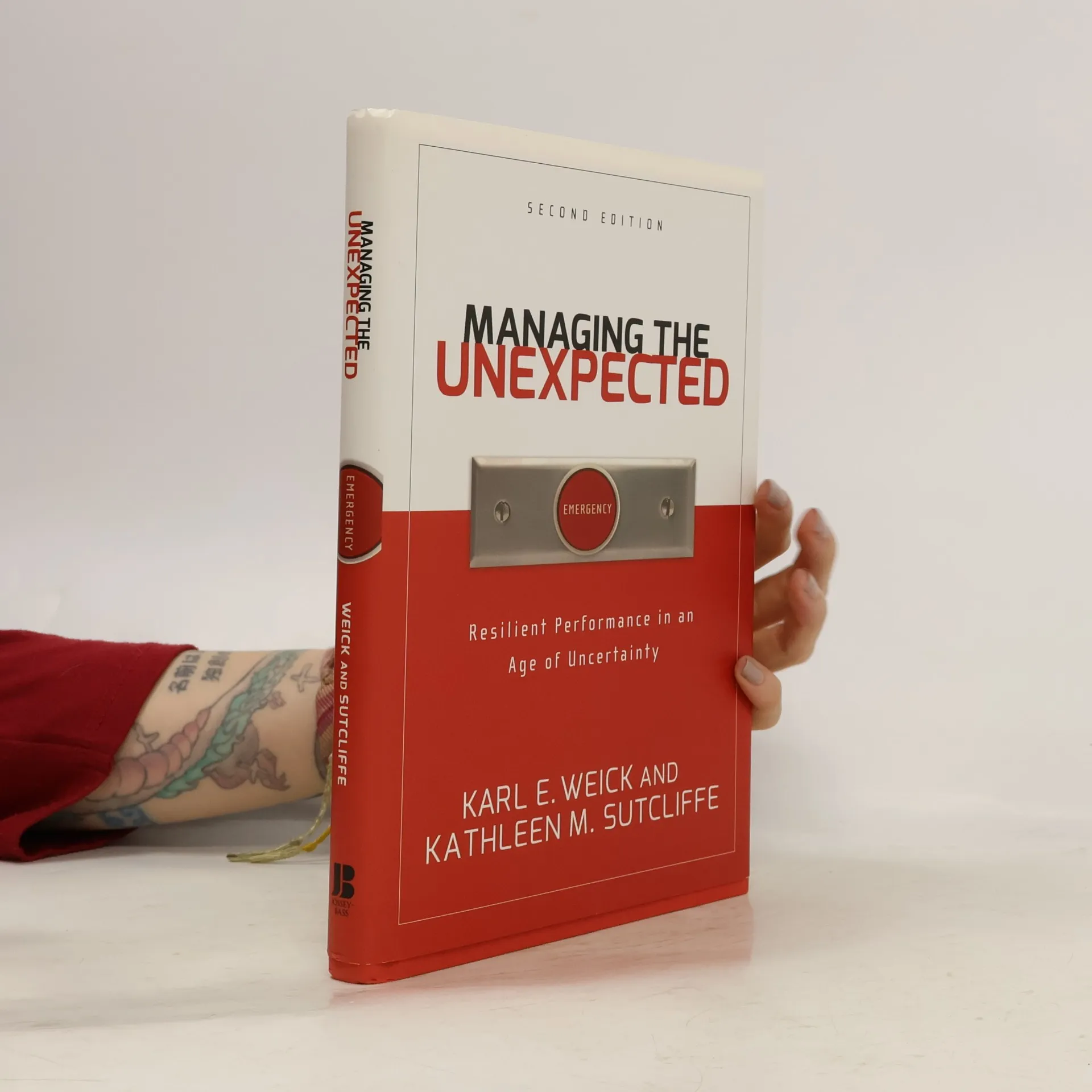
Since the first edition of Managing the Unexpected was published in 2001, the unexpected has become a growing part of our everyday lives. The unexpected is often dramatic, as with hurricanes or terrorist attacks. But the unexpected can also come in more subtle forms, such as a small organizational lapse that leads to a major blunder, or an unexamined assumption that costs lives in a crisis. Why are some organizations better able than others to maintain function and structure in the face of unanticipated change? Authors Karl Weick and Kathleen Sutcliffe answer this question by pointing to high reliability organizations (HROs), such as emergency rooms in hospitals, flight operations of aircraft carriers, and firefighting units, as models to follow. These organizations have developed ways of acting and styles of learning that enable them to manage the unexpected better than other organizations. Thoroughly revised and updated, the second edition of the groundbreaking book Managing the Unexpected uses HROs as a template for any institution that wants to better organize for high reliability.

Publication

Book purchase
Managing the Unexpected, Karl E. Weick, Kathleen M. Sutcliffe
- Language

- Released
- 2007
- Binding
- (Hardcover)
Payment methods
We’re missing your review here.
- Title
- Managing the Unexpected
- Subtitle
- Resilient Performance in an Age of Uncertainty - Second Edition
- Language
- English
- Authors
- Karl E. Weick, Kathleen M. Sutcliffe
- Publisher
- Jossey-Bass
- Released
- 2007
- Format
- Hardcover
- Pages
- 208
- ISBN10
- 0787996491
- ISBN13
- 9780787996499
- Series
- Original title
- Managing the unexpected
- Rating
- 3.75 out of 5
- Description
- Since the first edition of Managing the Unexpected was published in 2001, the unexpected has become a growing part of our everyday lives. The unexpected is often dramatic, as with hurricanes or terrorist attacks. But the unexpected can also come in more subtle forms, such as a small organizational lapse that leads to a major blunder, or an unexamined assumption that costs lives in a crisis. Why are some organizations better able than others to maintain function and structure in the face of unanticipated change? Authors Karl Weick and Kathleen Sutcliffe answer this question by pointing to high reliability organizations (HROs), such as emergency rooms in hospitals, flight operations of aircraft carriers, and firefighting units, as models to follow. These organizations have developed ways of acting and styles of learning that enable them to manage the unexpected better than other organizations. Thoroughly revised and updated, the second edition of the groundbreaking book Managing the Unexpected uses HROs as a template for any institution that wants to better organize for high reliability.