

More about the book
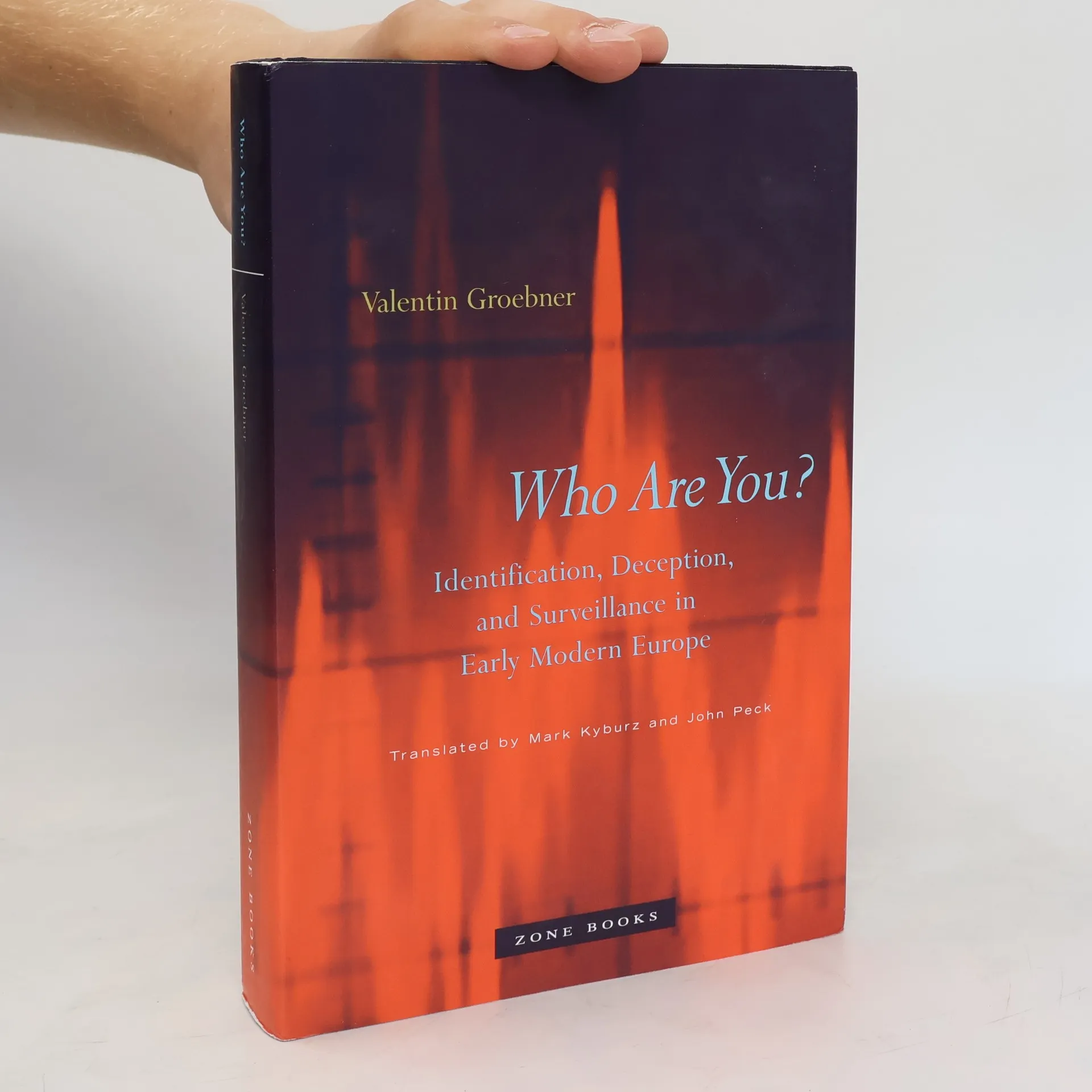
Who are you? How can you prove it? In a world before photography and fingerprinting, where names and addresses were fluid, individuals were identified through various practices. The author traces the history of identification and identity papers in early modern Europe, emphasizing the importance of documents, seals, stamps, and signatures as tools that created a bureaucratic double of a person. These items bore the marks of authenticity and revealed as much about their creators' fantasies as about the identities of their bearers. From the sixteenth century onward, the desire to register and control populations led to an intricate system for tracking individual identities, where proof of identity was closely tied to the papers demanded by authorities. This bureaucratic framework also gave rise to two intriguing figures: the forger, who crafted fake documents, and the impostor, who mimicked others. Through meticulous research and engaging narrative, the author explores the complex stories of how identities were stolen, created, and transformed. Identity papers are not merely documents; they are historical artifacts that reflect the evolution of individuality, from Renaissance vagrants to today's undocumented immigrants, who exist "sans papiers."
Book purchase
Who Are You?, Valentin Groebner
- Language

- Released
- 2007
- Binding
- (Hardcover)
Payment methods
We’re missing your review here.
- Title
- Who Are You?
- Language
- English
- Authors
- Valentin Groebner
- Publisher
- Zone Books
- Released
- 2007
- Format
- Hardcover
- Pages
- 349
- ISBN10
- 1890951722
- ISBN13
- 9781890951726
- Series
- Categories
- Rating
- 3.9 out of 5
- Description
- Who are you? How can you prove it? In a world before photography and fingerprinting, where names and addresses were fluid, individuals were identified through various practices. The author traces the history of identification and identity papers in early modern Europe, emphasizing the importance of documents, seals, stamps, and signatures as tools that created a bureaucratic double of a person. These items bore the marks of authenticity and revealed as much about their creators' fantasies as about the identities of their bearers. From the sixteenth century onward, the desire to register and control populations led to an intricate system for tracking individual identities, where proof of identity was closely tied to the papers demanded by authorities. This bureaucratic framework also gave rise to two intriguing figures: the forger, who crafted fake documents, and the impostor, who mimicked others. Through meticulous research and engaging narrative, the author explores the complex stories of how identities were stolen, created, and transformed. Identity papers are not merely documents; they are historical artifacts that reflect the evolution of individuality, from Renaissance vagrants to today's undocumented immigrants, who exist "sans papiers."