

Parameters
More about the book
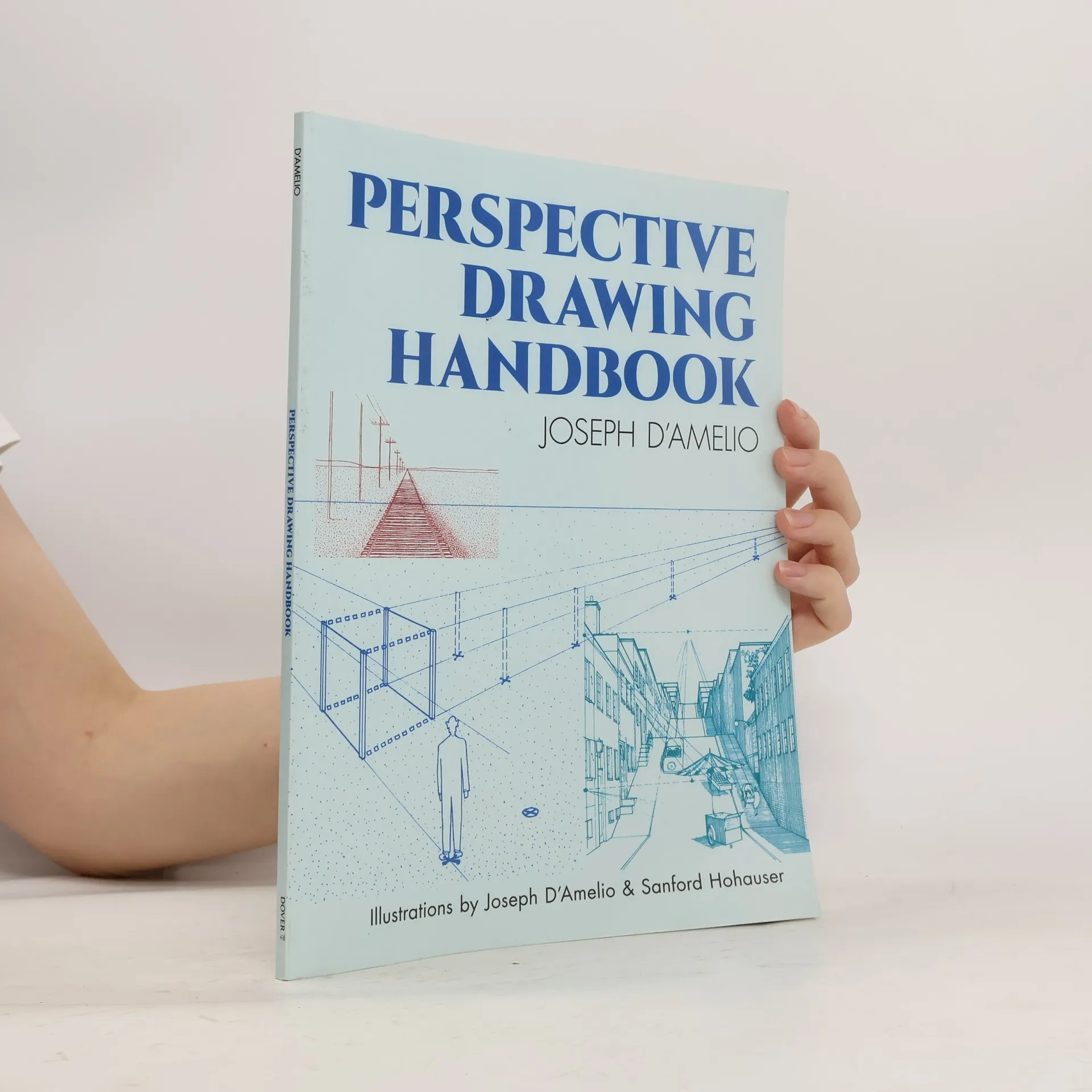
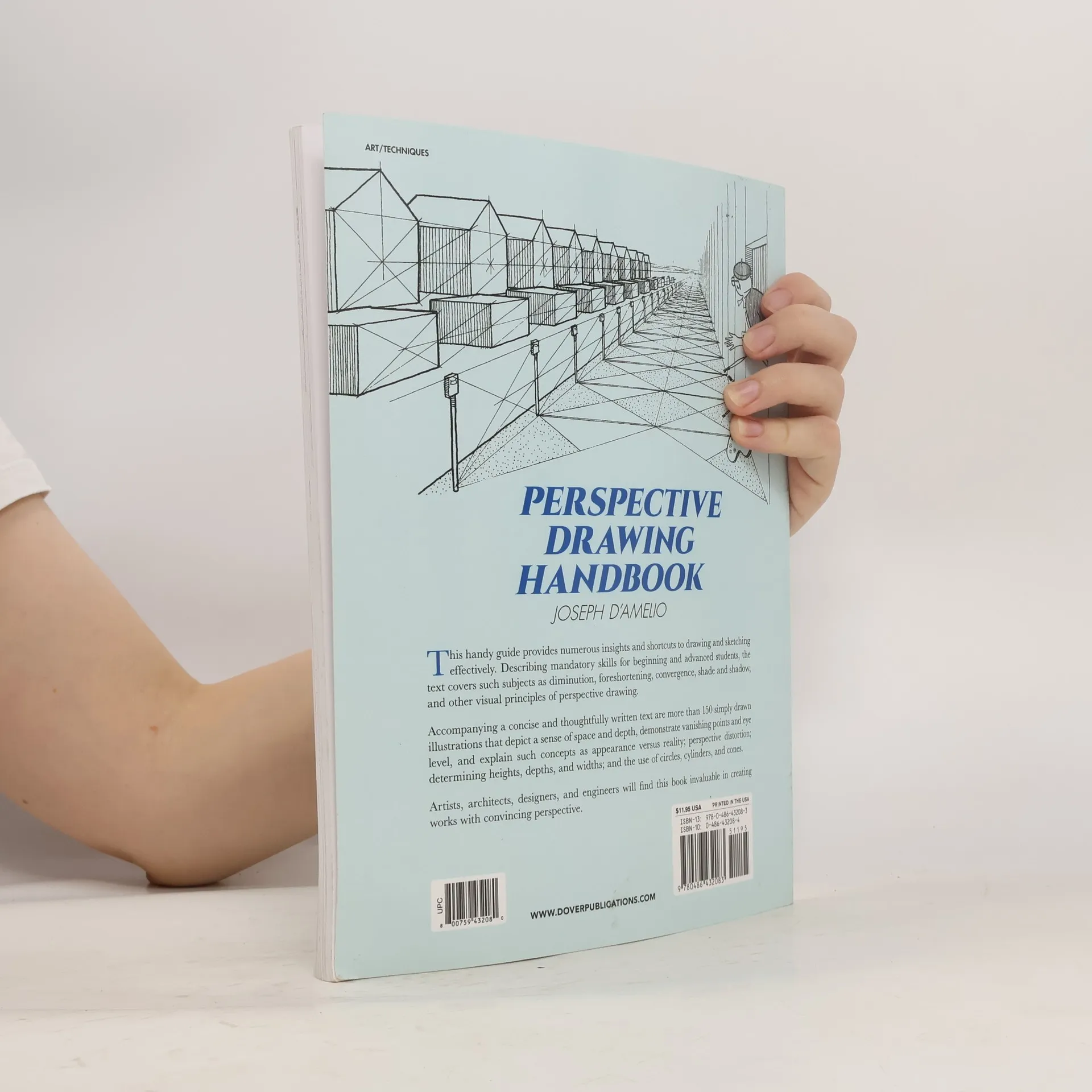
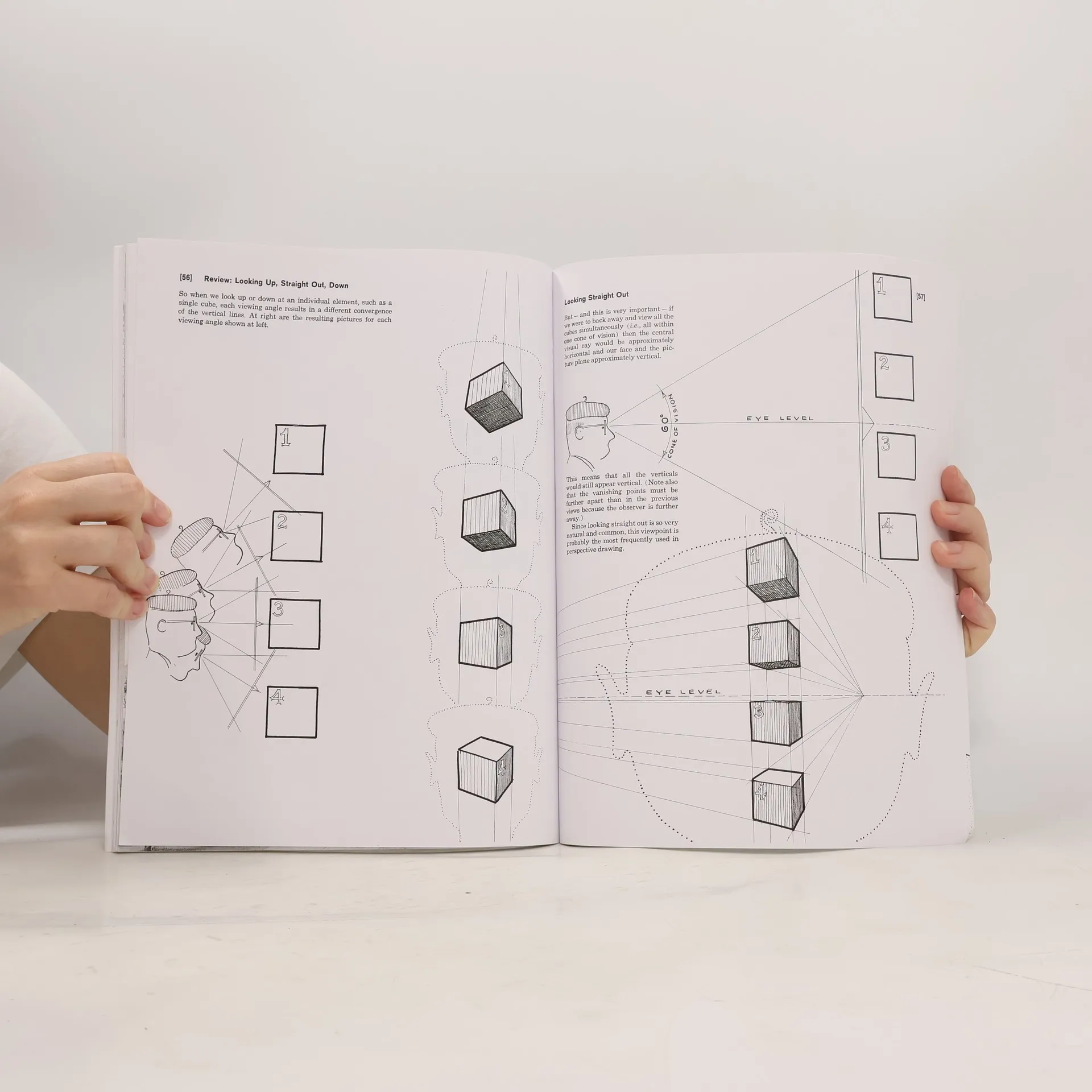
This handy guide provides numerous insights and shortcuts to drawing and sketching effectively. Describing mandatory skills for beginning and advanced students, the text covers such subjects as diminution, foreshortening, convergence, shade and shadow, and other visual principles of perspective drawing.Accompanying a concise and thoughtfully written text are more than 150 simply drawn illustrations that depict a sense of space and depth, demonstrate vanishing points and eye level, and explain such concepts as appearance versus reality; perspective distortion; determining heights, depths, and widths; and the use of circles, cylinders, and cones.Artists, architects, designers, and engineers will find this book invaluable in creating works with convincing perspective.Bibliographical Note for this editionThis Dover edition, first published in 2004, is an unabridged republication of the work originally published by Tudor Publishing Company, New York, in 1964.
Book purchase
Perspective Drawing Handbook, Joseph D'Amelio
- Language

- Released
- 2004
- Binding
- (Paperback)
Payment methods
We’re missing your review here.
- Title
- Perspective Drawing Handbook
- Language
- English
- Authors
- Joseph D'Amelio
- Publisher
- Dover Publications Inc.
- Released
- 2004
- Format
- Paperback
- ISBN10
- 0486432084
- ISBN13
- 9780486432083
- Series
- Tags
- Art, Architecture, Drawing
- Rating
- 4.25 out of 5
- Description
- This handy guide provides numerous insights and shortcuts to drawing and sketching effectively. Describing mandatory skills for beginning and advanced students, the text covers such subjects as diminution, foreshortening, convergence, shade and shadow, and other visual principles of perspective drawing.Accompanying a concise and thoughtfully written text are more than 150 simply drawn illustrations that depict a sense of space and depth, demonstrate vanishing points and eye level, and explain such concepts as appearance versus reality; perspective distortion; determining heights, depths, and widths; and the use of circles, cylinders, and cones.Artists, architects, designers, and engineers will find this book invaluable in creating works with convincing perspective.Bibliographical Note for this editionThis Dover edition, first published in 2004, is an unabridged republication of the work originally published by Tudor Publishing Company, New York, in 1964.