

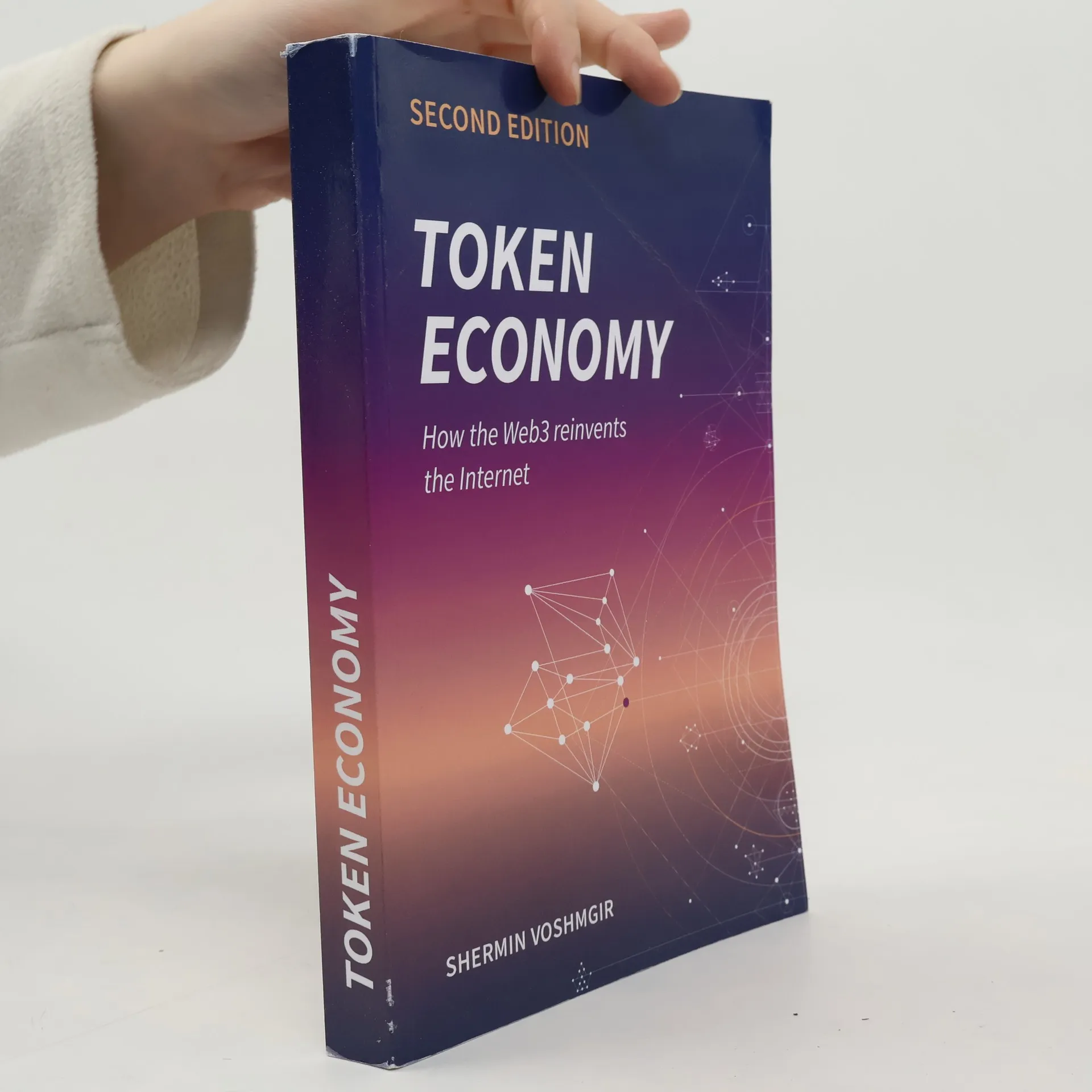


Parameters
- 360 pages
- 13 hours of reading
More about the book
This book caters to an interdisciplinary audience, including academics and practitioners, and serves as an excellent primer on technology and token use cases, making it suitable as a textbook for students. It is blockchain/DLT agnostic and focuses on the technology basics from a token perspective. The text introduces a token taxonomy from economic and governance angles and explores various use cases, such as stable tokens, asset tokens, social media tokens (like Steemit), attention tokens (BAT), and purpose-driven tokens like CO2 tokens. It also discusses token sales, exchanges, and atomic swaps. With blockchains and smart contracts simplifying token creation, tokens can represent diverse assets or rights, from gold and diamonds to concert tickets. They can incentivize social media contributions or encourage CO2 emission reductions. Despite the ease of creating tokens within public blockchain infrastructures, understanding their applications remains unclear. The book emphasizes the term "token" over "cryptocurrency," clarifying that many tokens were not designed to serve as currencies. It thoroughly analyzes the role of money as a medium of exchange and provides insights into the mechanisms and socio-economic implications of tokens, along with in-depth examinations of specific use cases like Basic Attention Token, Steemit, and Token Curated Registries.


There are currently of book Token Economy (2020) in stock.
Book purchase
Token Economy, Shermin Voshmgir
- Language

- Released
- 2020
- product-detail.submit-box.info.binding
- (Paperback),
- Book condition
- Good
- Price
- €2.79
Payment methods
We’re missing your review here.
- Title
- Token Economy
- Subtitle
- How the Web3 Reinvents the Internet - Second Edition
- Language
- English
- Authors
- Shermin Voshmgir
- Released
- 2020
- Format
- Paperback
- Pages
- 360
- ISBN10
- 3982103819
- ISBN13
- 9783982103815
- Series
- Tags
- Non-Fiction, Business, Business & Management, Technology & Engineering, Computers & Internet, Science, Economics, Technology, Finance
- Rating
- 3.8 out of 5
- Description
- This book caters to an interdisciplinary audience, including academics and practitioners, and serves as an excellent primer on technology and token use cases, making it suitable as a textbook for students. It is blockchain/DLT agnostic and focuses on the technology basics from a token perspective. The text introduces a token taxonomy from economic and governance angles and explores various use cases, such as stable tokens, asset tokens, social media tokens (like Steemit), attention tokens (BAT), and purpose-driven tokens like CO2 tokens. It also discusses token sales, exchanges, and atomic swaps. With blockchains and smart contracts simplifying token creation, tokens can represent diverse assets or rights, from gold and diamonds to concert tickets. They can incentivize social media contributions or encourage CO2 emission reductions. Despite the ease of creating tokens within public blockchain infrastructures, understanding their applications remains unclear. The book emphasizes the term "token" over "cryptocurrency," clarifying that many tokens were not designed to serve as currencies. It thoroughly analyzes the role of money as a medium of exchange and provides insights into the mechanisms and socio-economic implications of tokens, along with in-depth examinations of specific use cases like Basic Attention Token, Steemit, and Token Curated Registries.