

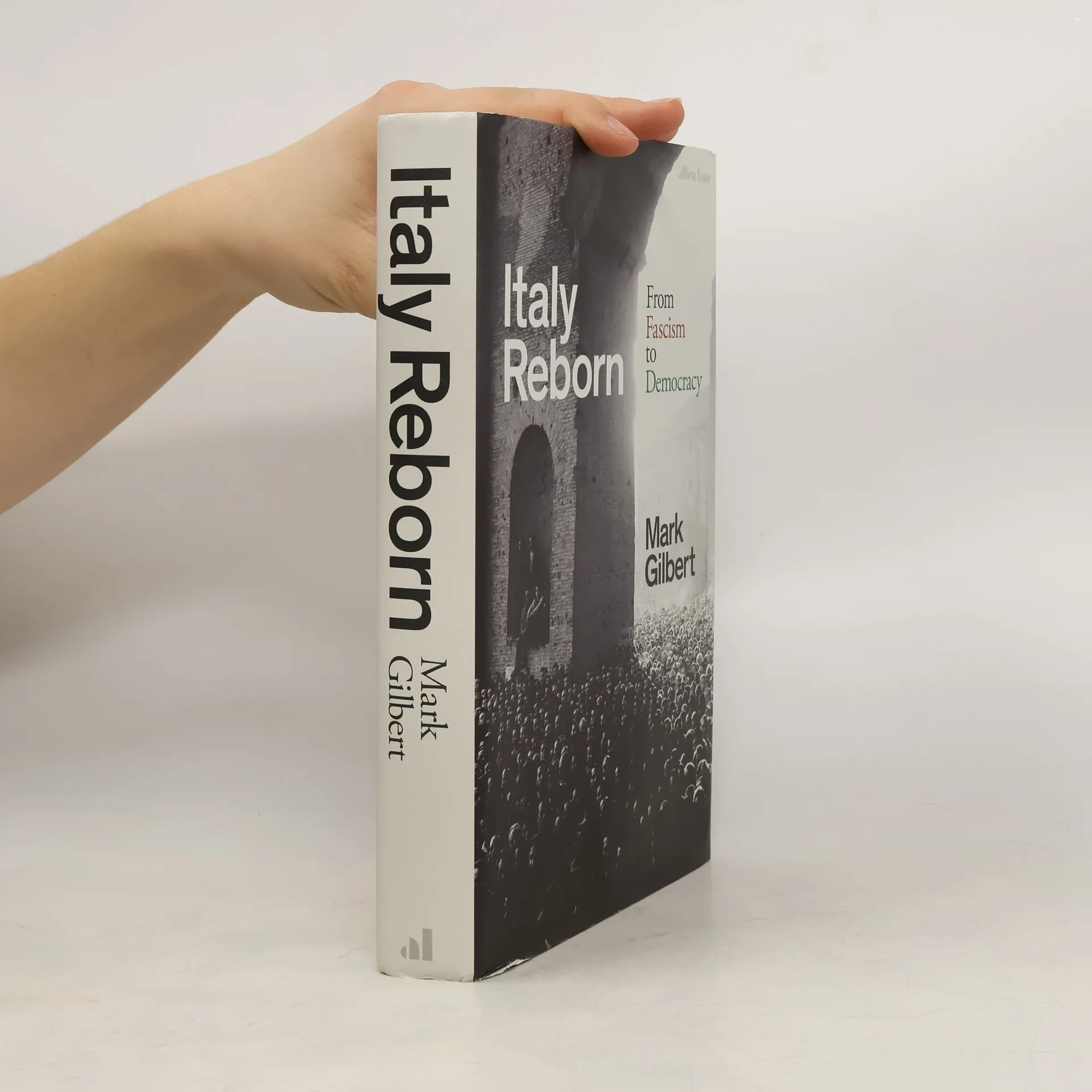
More about the book
This account explores the remarkable transformation of Italy into a democracy following the Second World War. In 1945, post-fascist Italy was in ruins, lacking international standing. By December 1955, however, Italy had undergone significant changes, having held three contentious yet free elections, established a vibrant press, and emerged as a leader in Europe's reconstruction. The book traces Italy's descent into Fascism, the devastation of wartime, the resistance against Nazi occupation, and the establishment of the Republic in 1946. It highlights the impact of the Cold War, which in 1947 fractured the coalition of parties that had united against Fascism and Nazism. The final chapters focus on the consolidation of democracy and the pivotal role of Alcide De Gasperi, who served as premier from December 1945 to August 1953. The author argues that De Gasperi deserves greater recognition for his contributions to Italy's post-war democratization and asserts that the foundations of Italian democracy were solid, enabling it to withstand numerous crises. Drawing on contemporary Italian sources, the narrative is engaging and accessible for both general readers and specialists in Italian history.


Book purchase
Italy Reborn: From Fascism to Democracy, Mark Gilbert
- Language

- Released
- 2024
- Binding
- (Hardcover)
Payment methods
We’re missing your review here.
- Language
- English
- Authors
- Mark Gilbert
- Publisher
- Penguin Books Ltd
- Released
- 2024
- Format
- Hardcover
- Pages
- 544
- ISBN10
- 0241483603
- ISBN13
- 9780241483602
- Series
- Tags
- Non-Fiction, Social Sciences, Historical Themes, Political Science & Politics, History of Europe, Political Theories
- Rating
- 4.15 out of 5
- Description
- This account explores the remarkable transformation of Italy into a democracy following the Second World War. In 1945, post-fascist Italy was in ruins, lacking international standing. By December 1955, however, Italy had undergone significant changes, having held three contentious yet free elections, established a vibrant press, and emerged as a leader in Europe's reconstruction. The book traces Italy's descent into Fascism, the devastation of wartime, the resistance against Nazi occupation, and the establishment of the Republic in 1946. It highlights the impact of the Cold War, which in 1947 fractured the coalition of parties that had united against Fascism and Nazism. The final chapters focus on the consolidation of democracy and the pivotal role of Alcide De Gasperi, who served as premier from December 1945 to August 1953. The author argues that De Gasperi deserves greater recognition for his contributions to Italy's post-war democratization and asserts that the foundations of Italian democracy were solid, enabling it to withstand numerous crises. Drawing on contemporary Italian sources, the narrative is engaging and accessible for both general readers and specialists in Italian history.