



Parameters
- 362 pages
- 13 hours of reading
More about the book
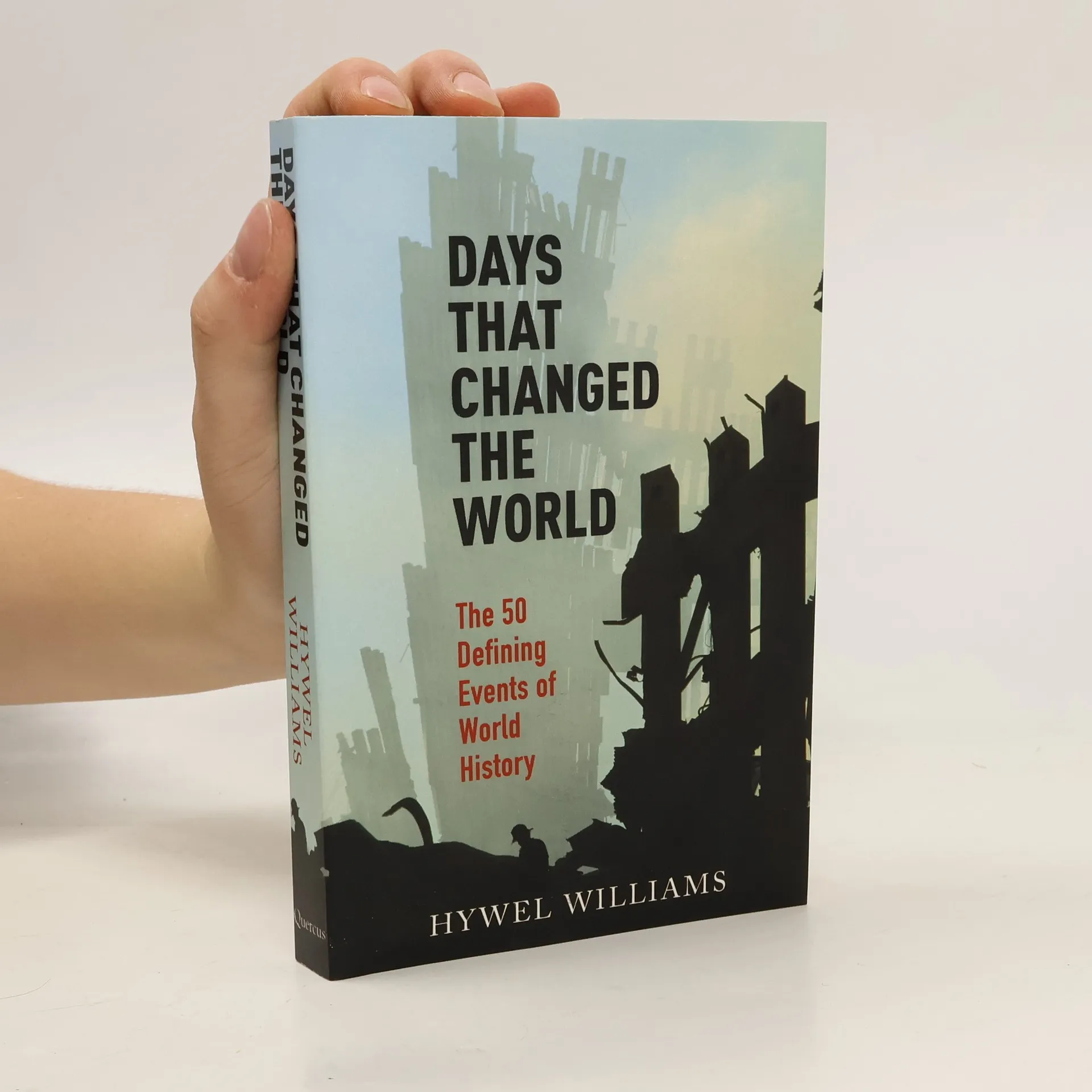
The currents of history often run deep and unseen beneath everyday events, but occasionally, a single day illuminates the past's significance. This book explores 50 pivotal days that changed the world, marking the end of eras or the dawn of new beginnings. Some dates are associated with bloody battles or assassinations, while others reflect monumental decisions or groundbreaking discoveries. Each day serves as a powerful symbol of its time. The narrative begins nearly 2,500 years ago on 28 September 480 BCE, when the Athenian navy defeated the Persian fleet at Salamis, a victory that ensured the survival of democracy and the legacy of great thinkers like Plato and Aristotle. The account spans from this historic battle to the events of 11 September 2001, when the Twin Towers in New York were destroyed. Key moments include the Assassination of Julius Caesar, the Crucifixion of Jesus, the Fall of Constantinople, the Defeat of the Spanish Armada, the Fall of the Bastille, and the Breaching of the Berlin Wall, among others. By examining these defining moments, the book offers a unique perspective on world history and the forces that have shaped our present.



Book purchase
Days That Changed the World, Hywel Williams
- Language

- Released
- 2011
- product-detail.submit-box.info.binding
- (Paperback)
Payment methods
We’re missing your review here.
- Language
- English
- Authors
- Hywel Williams
- Publisher
- Quercus publishing
- Released
- 2011
- Format
- Paperback
- Pages
- 362
- ISBN10
- 0857383396
- ISBN13
- 9780857383396
- Series
- Tags
- Non-Fiction
- Rating
- 3.15 out of 5
- Description
- The currents of history often run deep and unseen beneath everyday events, but occasionally, a single day illuminates the past's significance. This book explores 50 pivotal days that changed the world, marking the end of eras or the dawn of new beginnings. Some dates are associated with bloody battles or assassinations, while others reflect monumental decisions or groundbreaking discoveries. Each day serves as a powerful symbol of its time. The narrative begins nearly 2,500 years ago on 28 September 480 BCE, when the Athenian navy defeated the Persian fleet at Salamis, a victory that ensured the survival of democracy and the legacy of great thinkers like Plato and Aristotle. The account spans from this historic battle to the events of 11 September 2001, when the Twin Towers in New York were destroyed. Key moments include the Assassination of Julius Caesar, the Crucifixion of Jesus, the Fall of Constantinople, the Defeat of the Spanish Armada, the Fall of the Bastille, and the Breaching of the Berlin Wall, among others. By examining these defining moments, the book offers a unique perspective on world history and the forces that have shaped our present.