

More about the book
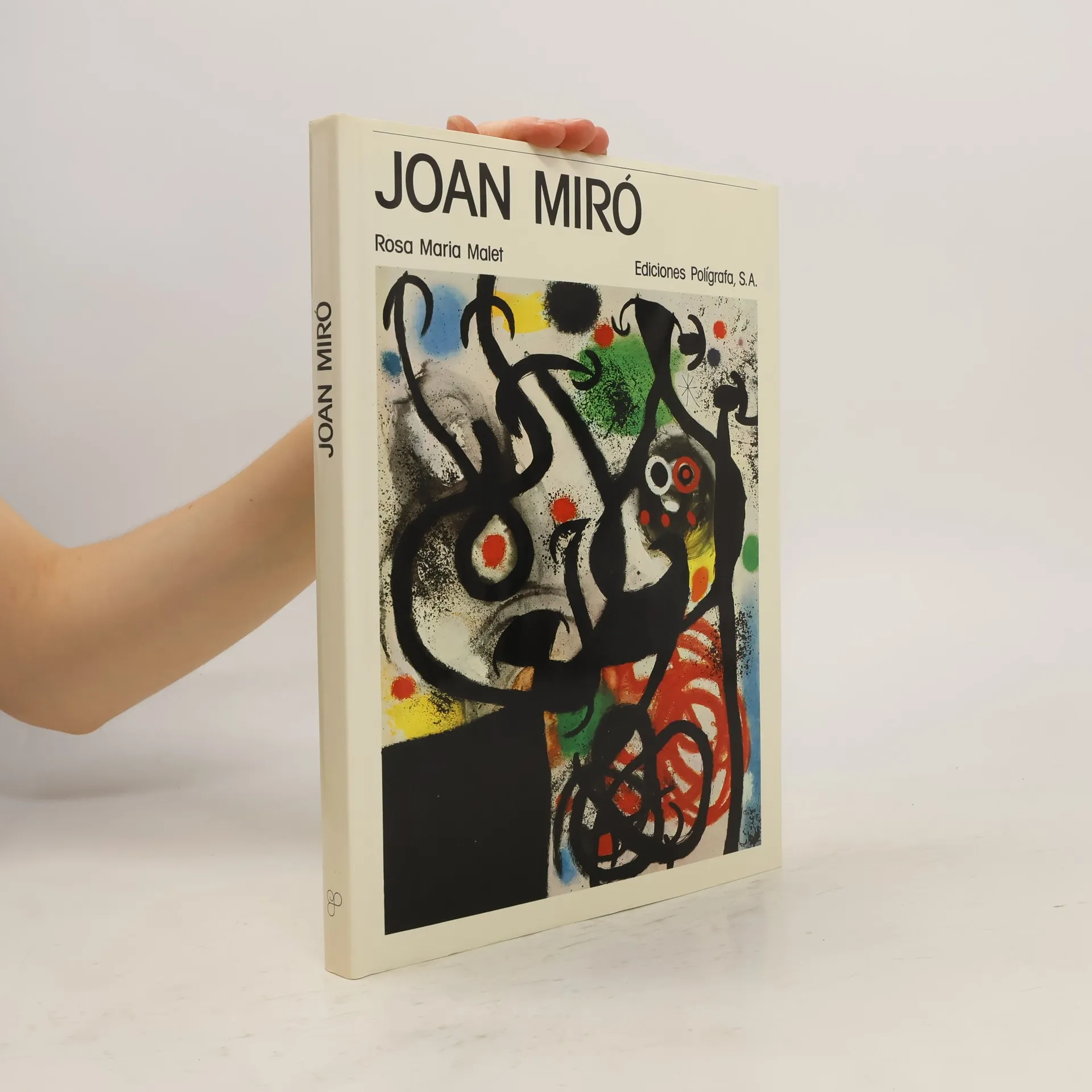
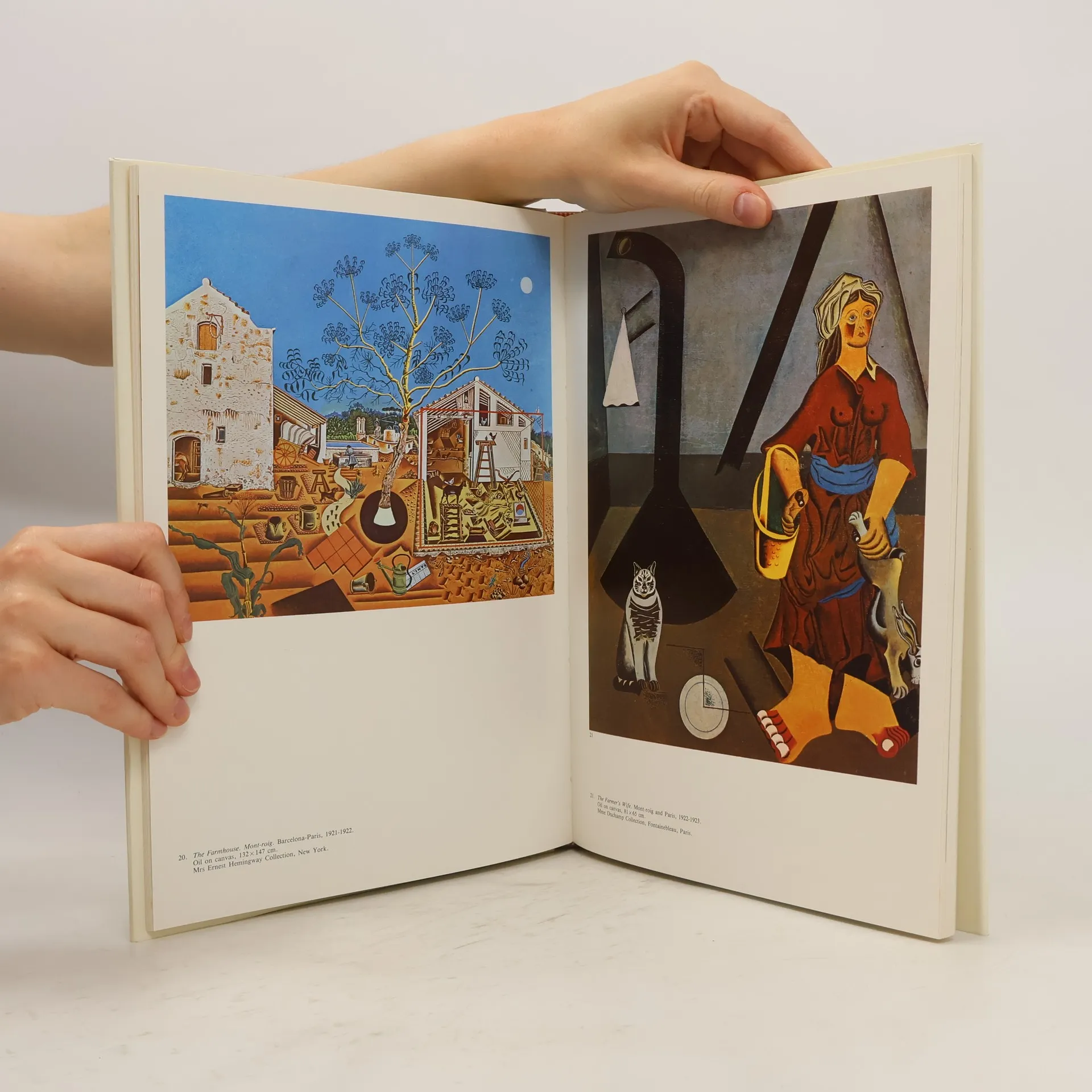
This affordably priced monograph provides an ideal introduction to the joyful visual world of Joan Miro (1893-1983), one of the twentieth century's greatest and most beloved artists, whose pictorial language--for once the right term--was appropriated by a gamut of modernist causes and avant gardes, from Art Brut and the espousers of children's art to Surrealism (Andre Breton called him "the most Surrealist of us all" ), practitioners of automatism and even Color Field painting. In over 100 color plates, this book surveys not only the paintings for which Miro is most famed, but also his equally innovative experiments in other realms, such as ceramics, sculpture, editions, printmaking, tapestry (including the "World Trade Center Tapestry" which was sadly destroyed on September 11) and stage design for Diaghilev, among others. Miro's contagious sense of play and pleasure in materials is perfectly represented in this introductory volume.




Book purchase
Joan Miro, Joan Miró, Rosa Maria Malet
- Language

- Released
- 1983
- product-detail.submit-box.info.binding
- (Hardcover)
Payment methods
We’re missing your review here.
- Title
- Joan Miro
- Language
- English
- Authors
- Joan Miró, Rosa Maria Malet
- Publisher
- Poligrafa
- Released
- 1983
- Format
- Hardcover
- Pages
- 128
- ISBN10
- 8434303841
- ISBN13
- 9788434303843
- Series
- Tags
- Non-Fiction, Art & Culture, Art
- Rating
- 5 out of 5
- Description
- This affordably priced monograph provides an ideal introduction to the joyful visual world of Joan Miro (1893-1983), one of the twentieth century's greatest and most beloved artists, whose pictorial language--for once the right term--was appropriated by a gamut of modernist causes and avant gardes, from Art Brut and the espousers of children's art to Surrealism (Andre Breton called him "the most Surrealist of us all" ), practitioners of automatism and even Color Field painting. In over 100 color plates, this book surveys not only the paintings for which Miro is most famed, but also his equally innovative experiments in other realms, such as ceramics, sculpture, editions, printmaking, tapestry (including the "World Trade Center Tapestry" which was sadly destroyed on September 11) and stage design for Diaghilev, among others. Miro's contagious sense of play and pleasure in materials is perfectly represented in this introductory volume.