

Parameters
- 196 pages
- 7 hours of reading
More about the book
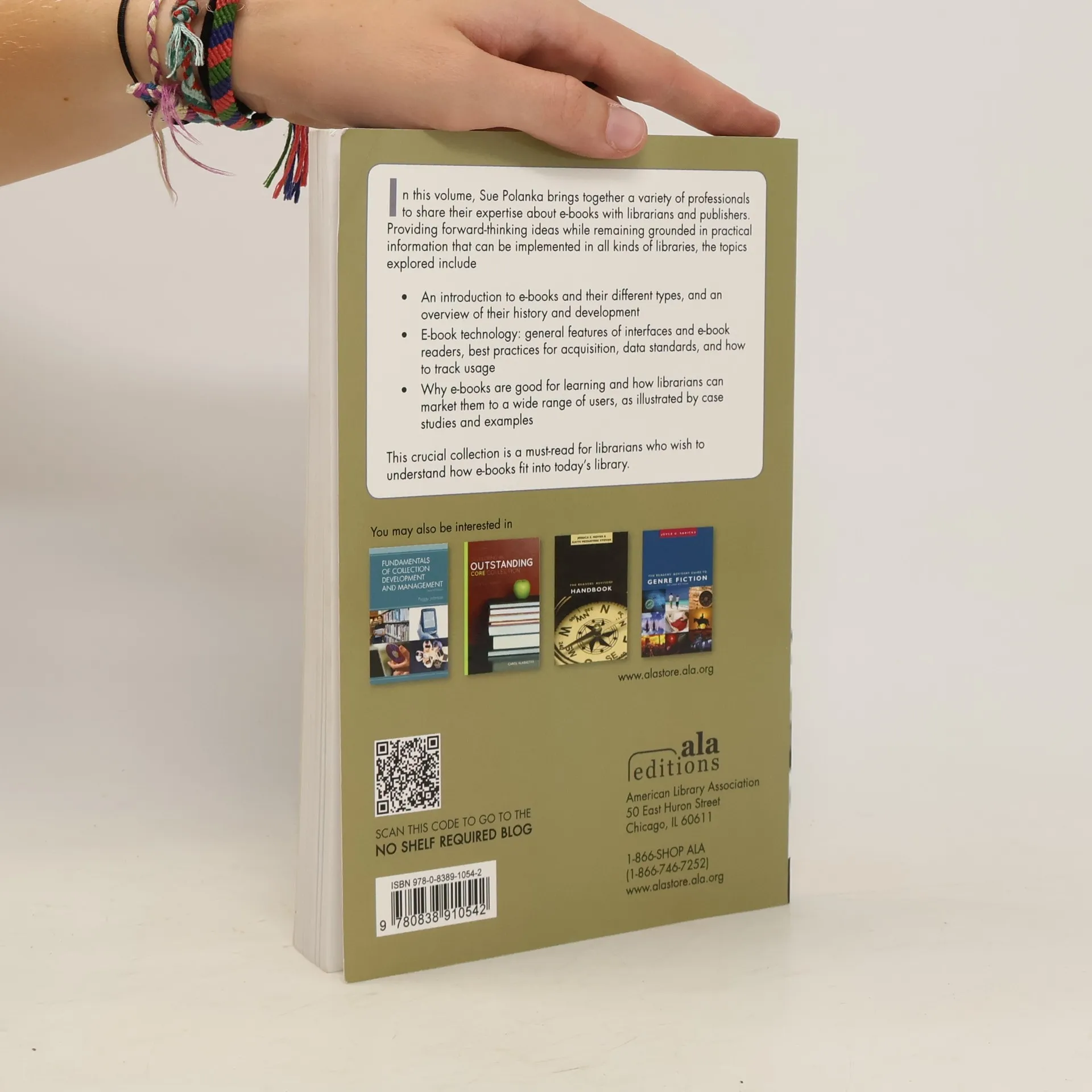
E-books have been around for more than 10 years but are still a relatively new phenomenon to many librarians and publishers. With the introduction of e-book readers, the e-book has become mainstream, with recent triple-digit annual increases in sales. But what place do they have in the library? In this volume, Sue Polanka brings together a variety of professionals to share their expertise about e-books with librarians and publishers. Providing forward-thinking ideas while remaining grounded in practical information that can be implemented in all kinds of libraries, the topics explored include An introduction to e-books, the different types, and an overview of their history and developmentE-book technology: general features of interfaces and e-book readers, best practices for acquisition, data standards, and how to track usageWhy e-books are good for learning, and how librarians can market them to a wide range of users, as illustrated by case studies and examples
Book purchase
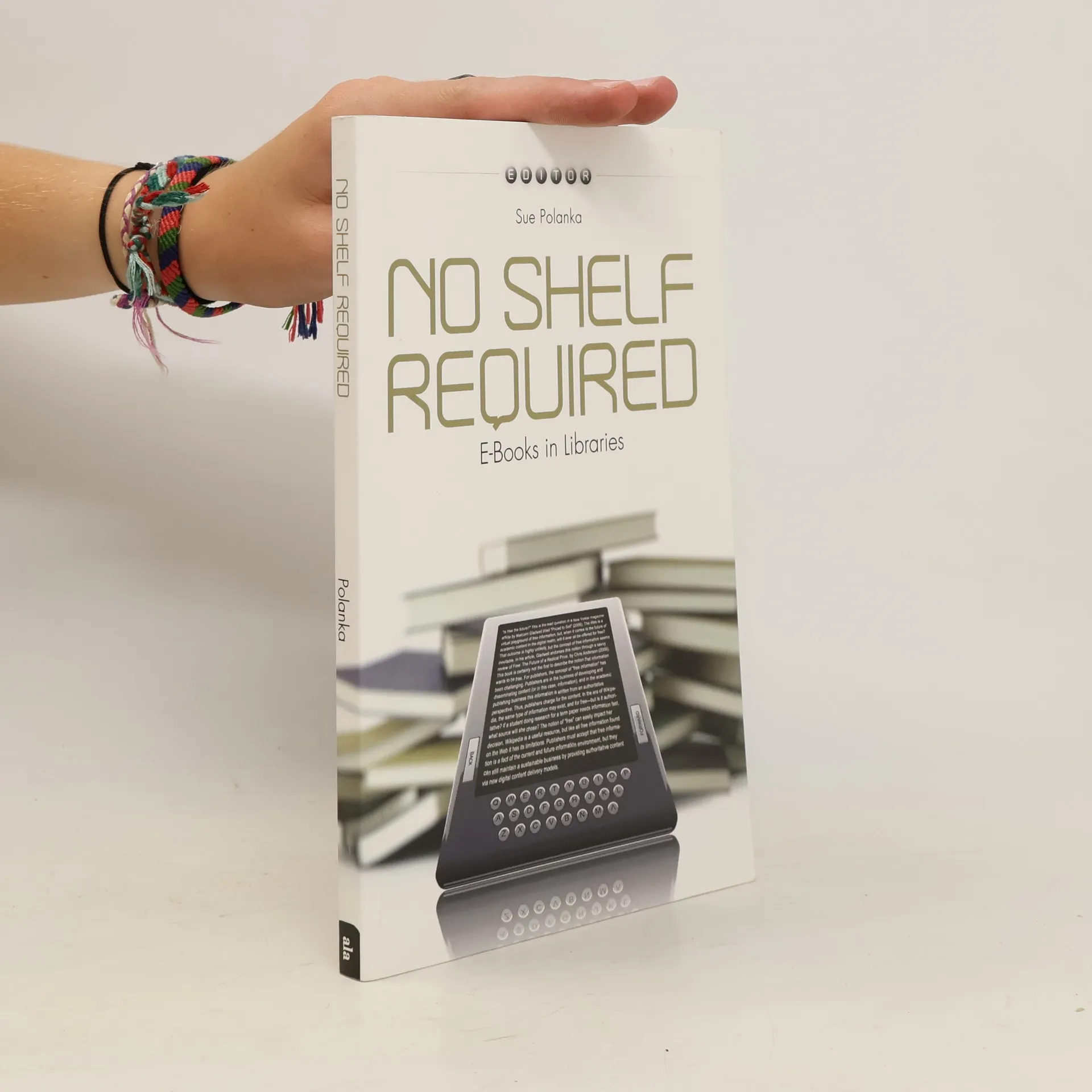
No Shelf Required. E-books in Libraries, Sue Polanka
- Language

- Released
- 2011
- Binding
- (Paperback)
Payment methods
We’re missing your review here.
- Title
- No Shelf Required. E-books in Libraries
- Language
- English
- Authors
- Sue Polanka
- Publisher
- American Library Association
- Released
- 2011
- Format
- Paperback
- Pages
- 196
- ISBN10
- 0838910548
- ISBN13
- 9780838910542
- Series
- No Shelf Required
- Categories
- Rating
- 3.5 out of 5
- Description
- E-books have been around for more than 10 years but are still a relatively new phenomenon to many librarians and publishers. With the introduction of e-book readers, the e-book has become mainstream, with recent triple-digit annual increases in sales. But what place do they have in the library? In this volume, Sue Polanka brings together a variety of professionals to share their expertise about e-books with librarians and publishers. Providing forward-thinking ideas while remaining grounded in practical information that can be implemented in all kinds of libraries, the topics explored include An introduction to e-books, the different types, and an overview of their history and developmentE-book technology: general features of interfaces and e-book readers, best practices for acquisition, data standards, and how to track usageWhy e-books are good for learning, and how librarians can market them to a wide range of users, as illustrated by case studies and examples