

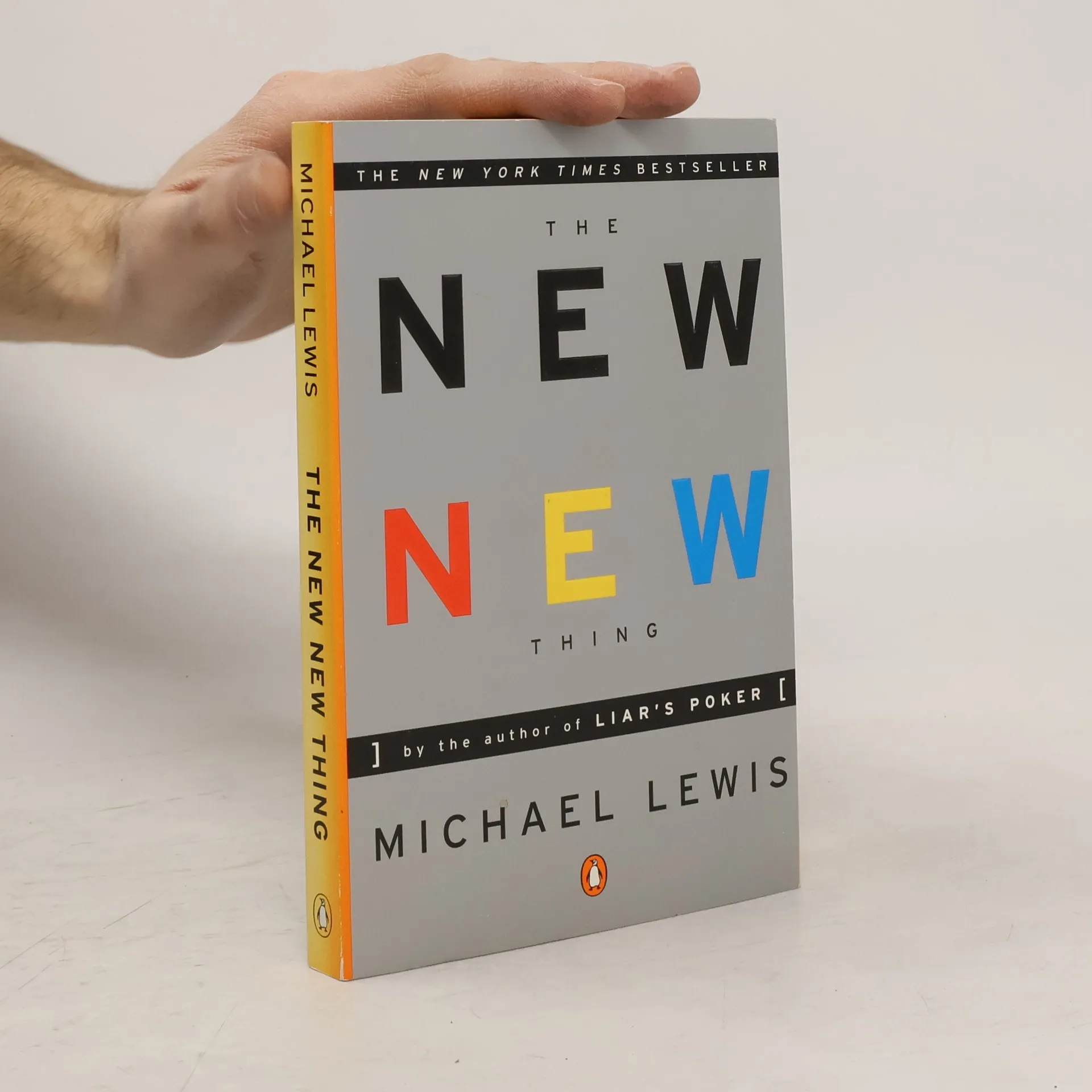

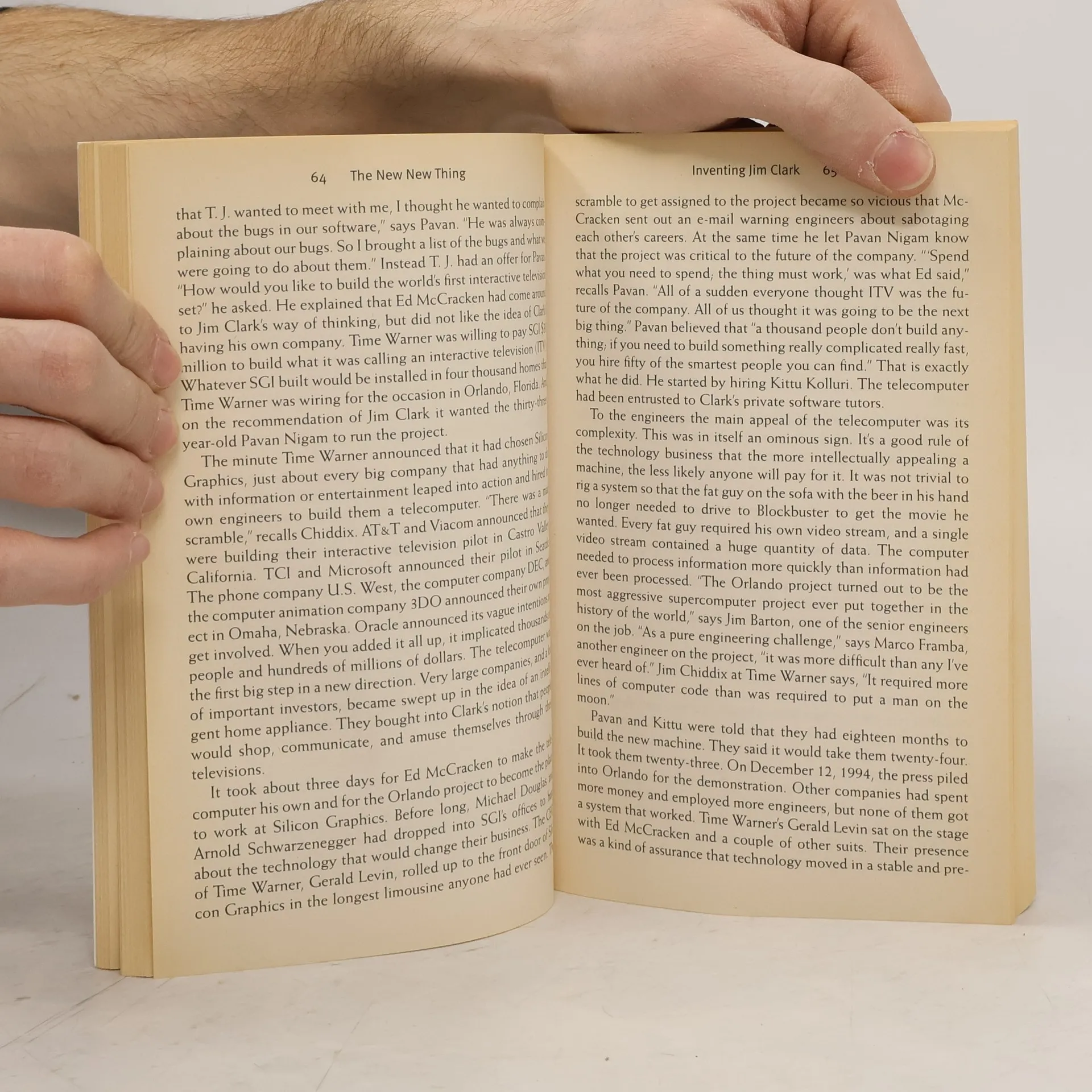
Parameters
- 288 pages
- 11 hours of reading
More about the book
As American capitalism undergoes a seismic shift, Michael Lewis , author of the bestselling Liar's Poker , sets out on a Silicon Valley safari to find the true representative of the coming economic age. All roads lead to Jim Clark , the man who rewrote the rules of American capitalism as the founder of (so far) three multi-billion dollar companies--Silicon Graphics, Netscape, and Healtheon. Lewis's shrewd, often brilliantly funny, narrative provides ahead-of-the-curve observations about the Internet explosion and how the success of Silicon Valley companies is forcing a reassessment of traditional Wall-Street business models. Weaving Clark's story together with that of this new business phenomenon, Lewis has drawn us a map of markets and free enterprise in the twenty-first century and blown the lid off the changing economy.



Book purchase
The New New Thing, Michael Lewis
- Language

- Released
- 2001
- product-detail.submit-box.info.binding
- (Paperback)
Payment methods
We’re missing your review here.
- Title
- The New New Thing
- Language
- English
- Authors
- Michael Lewis
- Publisher
- Penguin
- Released
- 2001
- Format
- Paperback
- Pages
- 288
- ISBN10
- 0140296468
- ISBN13
- 9780140296464
- Series
- Tags
- Non-Fiction, Historical Themes, History, True Stories, Business, Business & Management, Technology & Engineering, Biographies, Self-Help, Technology, Entrepreneurship
- Original title
- The new new thing
- Rating
- 3.75 out of 5
- Description
- As American capitalism undergoes a seismic shift, Michael Lewis , author of the bestselling Liar's Poker , sets out on a Silicon Valley safari to find the true representative of the coming economic age. All roads lead to Jim Clark , the man who rewrote the rules of American capitalism as the founder of (so far) three multi-billion dollar companies--Silicon Graphics, Netscape, and Healtheon. Lewis's shrewd, often brilliantly funny, narrative provides ahead-of-the-curve observations about the Internet explosion and how the success of Silicon Valley companies is forcing a reassessment of traditional Wall-Street business models. Weaving Clark's story together with that of this new business phenomenon, Lewis has drawn us a map of markets and free enterprise in the twenty-first century and blown the lid off the changing economy.