

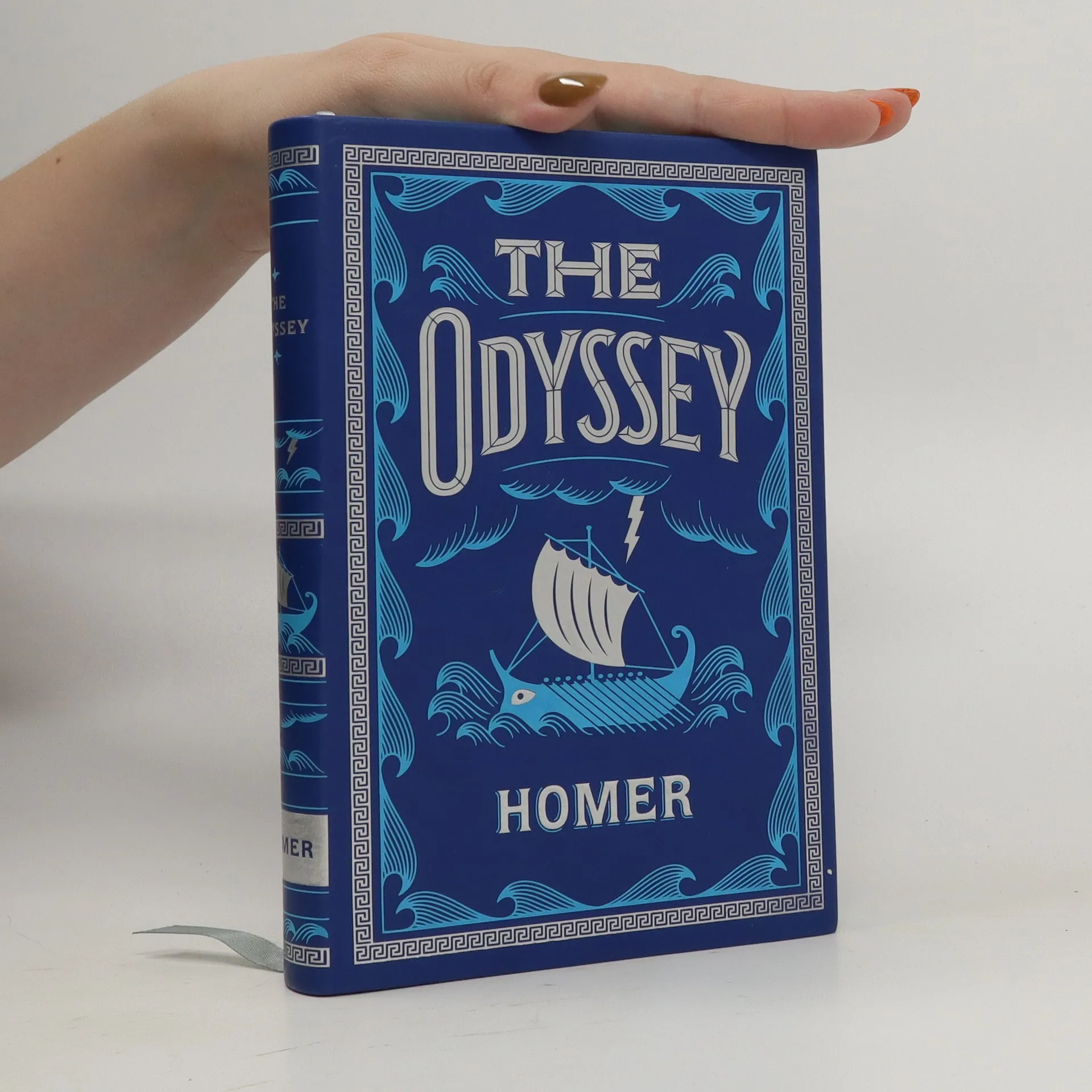



More about the book
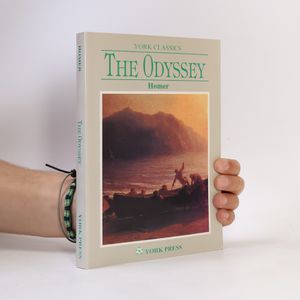
The Odyssey, the second of the epic texts attributed to Homer, and also a major founding work of European literature, is usually dated to around the 8th century BC. It is an epic poem, effectively a sequel to the Iliad, written in Ancient Greek but assumed to be derived from earlier oral sources, telling the story of Odysseus' wanderings and his eventual return from the Trojan War to his home island of Ithaca. The cultural background to the poem indicates a Bronze Age setting around 400 to 500 years before the Homeric literary period itself. The poem contains elements of myth and legend as well as sheer literary invention, and covers the ten years of its hero's adventures from the destruction of Troy to his return to his wife Penelope and son Telemachus. Of particular interest is the role of women in the Bronze Age culture described, represented in a sense by Odysseus' guardian deity, Athene, the goddess of mind. Odysseus is an archetype of the person of intellect who uses brains and eloquence rather than brawn to outwit opponents and impress peers, and therefore sets the scene for later Greek Classical culture
Language



Publication
- 2025

- 2024
- 2024
- 2023
- 2023
- 2022
- 2022
- 2022
- 2022
- 2022
- 2022
- 2020
- 2019
- 2019

- 2018
- 2018
- 2018
- 2018


- 2016
- 2015
- 2015
- 2015
- 2015
- 2014
- 2014
- 2013
- 2013
- 2012
- 2012
- 2012

- 2011
- 2011
- 2011
- 2011
- 2010
- 2010
- 2009

- 2007

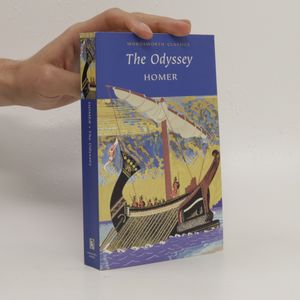
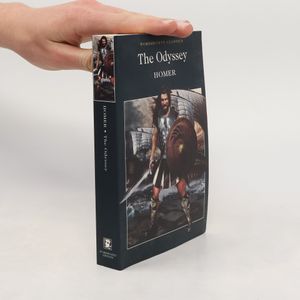
- 2002

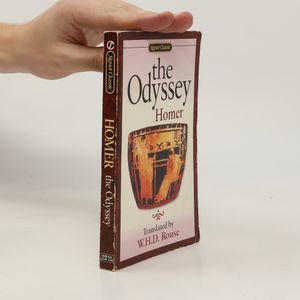
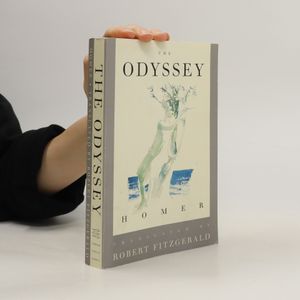


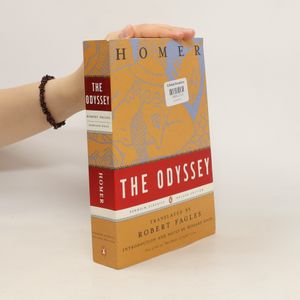

- 1995
- 1993

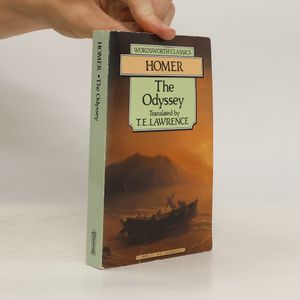
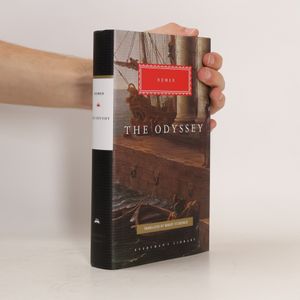
- 1991








Payment methods
We’re missing your review here.
- Title
- The Odyssey
- Language
- English
- Authors
- Homér
- Publisher
- Sterling
- Released
- 2016
- Pages
- 296
- ISBN10
- 1435163109
- ISBN13
- 9781435163102
- Series
- Tags
- Fiction, Historical Themes, Adventure, Poetry, Classics, Folklore & Mythology, Mythology, Ancient History, Greece, Greek Mythology, Gods, Epics, Ancient Greece, Wandering, Ancient Literature, Odysseus, Heroic Epics, Realm of the Dead
- Original title
- Ὀδύσσεια, -720
- Rating
- 4 out of 5
- Description
- The Odyssey, the second of the epic texts attributed to Homer, and also a major founding work of European literature, is usually dated to around the 8th century BC. It is an epic poem, effectively a sequel to the Iliad, written in Ancient Greek but assumed to be derived from earlier oral sources, telling the story of Odysseus' wanderings and his eventual return from the Trojan War to his home island of Ithaca. The cultural background to the poem indicates a Bronze Age setting around 400 to 500 years before the Homeric literary period itself. The poem contains elements of myth and legend as well as sheer literary invention, and covers the ten years of its hero's adventures from the destruction of Troy to his return to his wife Penelope and son Telemachus. Of particular interest is the role of women in the Bronze Age culture described, represented in a sense by Odysseus' guardian deity, Athene, the goddess of mind. Odysseus is an archetype of the person of intellect who uses brains and eloquence rather than brawn to outwit opponents and impress peers, and therefore sets the scene for later Greek Classical culture