

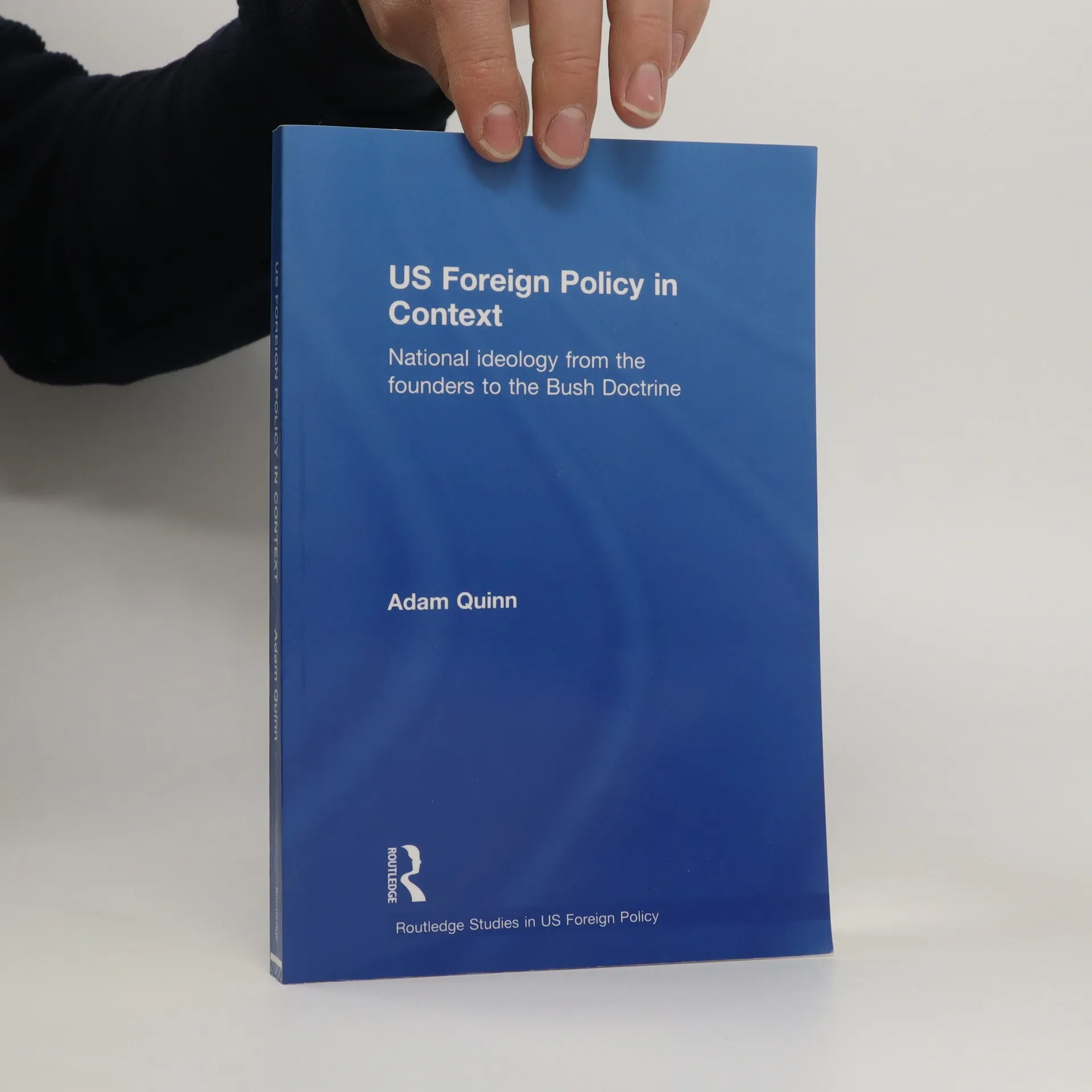



More about the book
This work combines strategic analysis of contemporary US foreign policy with a long-term historical perspective, offering a significant argument pertinent to discussions about the merits of current US foreign policy and enduring trends in American political culture. Instead of focusing solely on the Bush administration, it situates Bush within the broader historical context of US foreign policy traditions. The author argues that nationally specific ideological factors drive foreign policy and emphasizes the interaction between domestic and international influences in shaping national strategy. The contemporary critique centers on the George W. Bush administration's National Security Strategy, which many view as a radical ideological shift from previous policies, particularly its commitment to liberal universalism and dismissal of realism. This critique is bolstered by historical examples that illustrate American leaders' ongoing resistance to realist prescriptions. The author posits a causal connection between historically evolved ideological frameworks and the nation's recent international strategies. This work contributes valuable insights to the fields of American politics, US foreign policy, and US history, making it a compelling read for scholars in these areas.
Book purchase
US foreign policy in context, Adam Quinn
- Language

- Released
- 2009
- Binding
- (Paperback)
Payment methods
We’re missing your review here.
- Title
- US foreign policy in context
- Language
- English
- Authors
- Adam Quinn
- Publisher
- Routledge
- Released
- 2009
- Format
- Paperback
- Pages
- 232
- ISBN10
- 0415500524
- ISBN13
- 9780415500524
- Series
- Tags
- Rating
- 4 out of 5
- Description
- This work combines strategic analysis of contemporary US foreign policy with a long-term historical perspective, offering a significant argument pertinent to discussions about the merits of current US foreign policy and enduring trends in American political culture. Instead of focusing solely on the Bush administration, it situates Bush within the broader historical context of US foreign policy traditions. The author argues that nationally specific ideological factors drive foreign policy and emphasizes the interaction between domestic and international influences in shaping national strategy. The contemporary critique centers on the George W. Bush administration's National Security Strategy, which many view as a radical ideological shift from previous policies, particularly its commitment to liberal universalism and dismissal of realism. This critique is bolstered by historical examples that illustrate American leaders' ongoing resistance to realist prescriptions. The author posits a causal connection between historically evolved ideological frameworks and the nation's recent international strategies. This work contributes valuable insights to the fields of American politics, US foreign policy, and US history, making it a compelling read for scholars in these areas.